


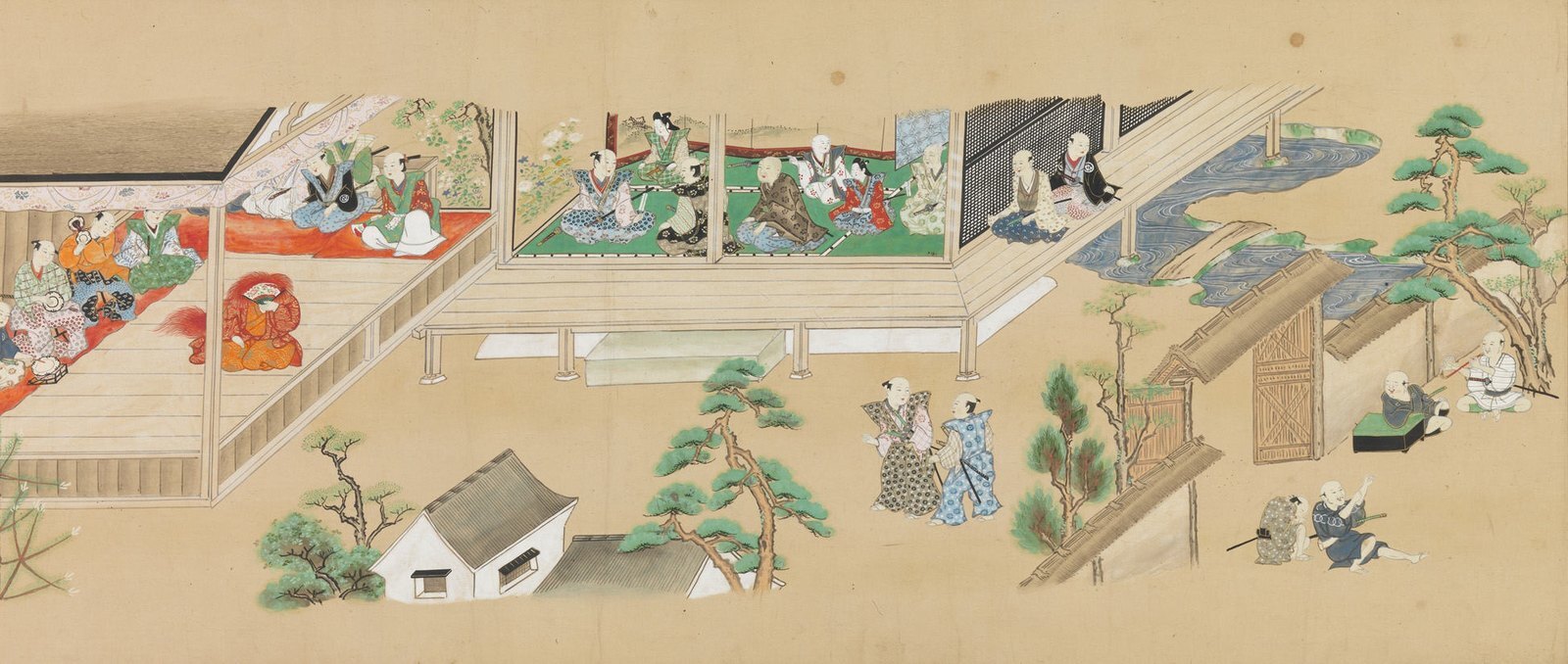
WATCH: The Desire to Understand What You Are Looking At
A journey built around the Japanese stage — masked theatre six centuries old, the comedy that runs beside it, drums you feel through the floor. Explained before it starts, watched from close enough to hear the breathing, and talked about afterwards with the person who performed it.
Why WATCH
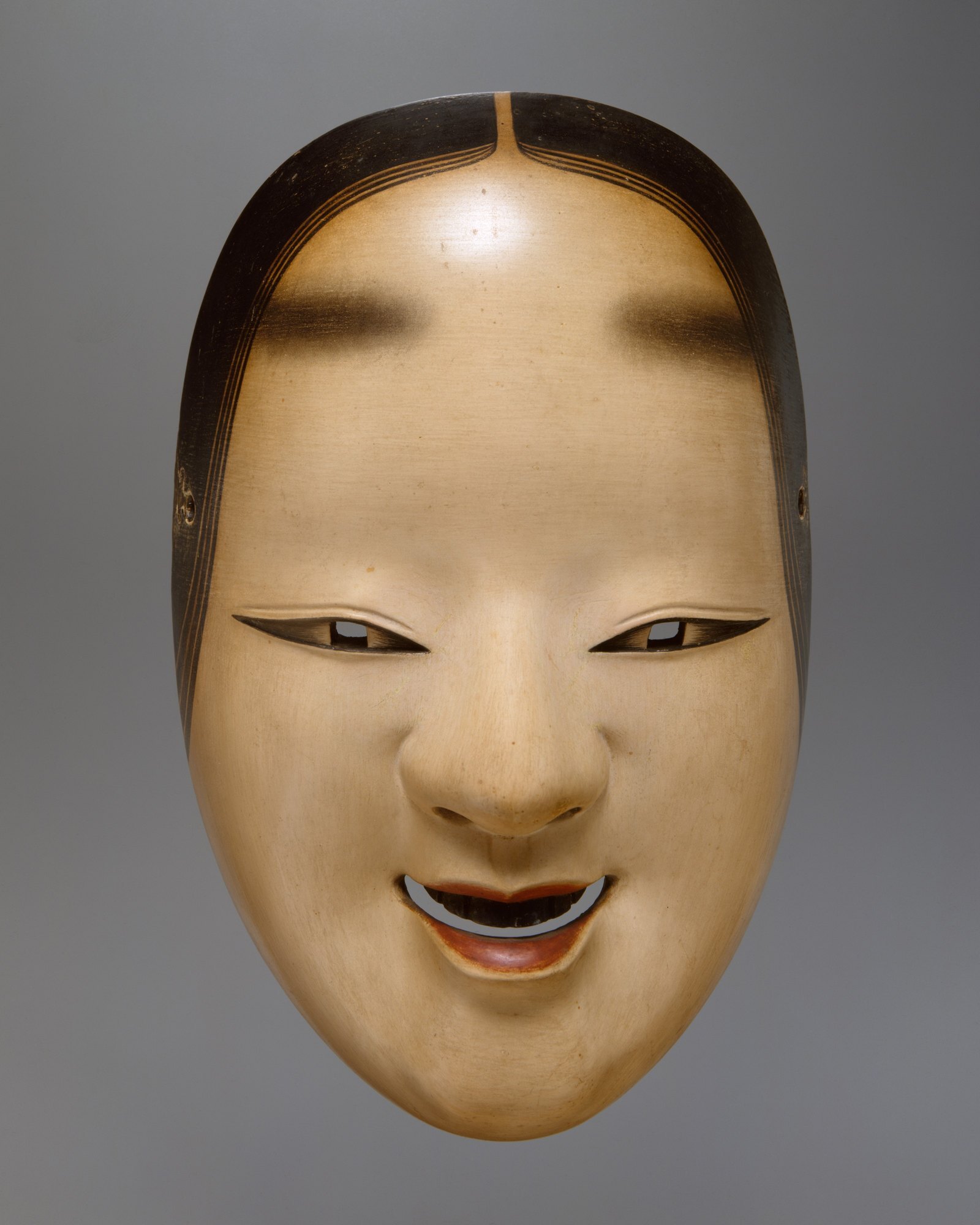
Japanese classical theatre has a reputation among visitors for being impenetrable, and the reputation is earned — but not for the reason people assume. The problem is not that it is slow. It is that almost nothing is explained, and the conventions carrying the meaning are invisible if nobody points at them. A mask tilted a few degrees changes the emotion. A step held a beat too long is the climax. Without that, you are watching a very expensive screensaver.
WATCH is built to fix the briefing rather than the play. Each stop pairs a short private explanation with a performance close enough to see what was described, and a conversation afterwards. It is the same category Digital Guide covers editorially, turned into a route between stages rather than an article.
Recommended Experiences
 Performing Arts
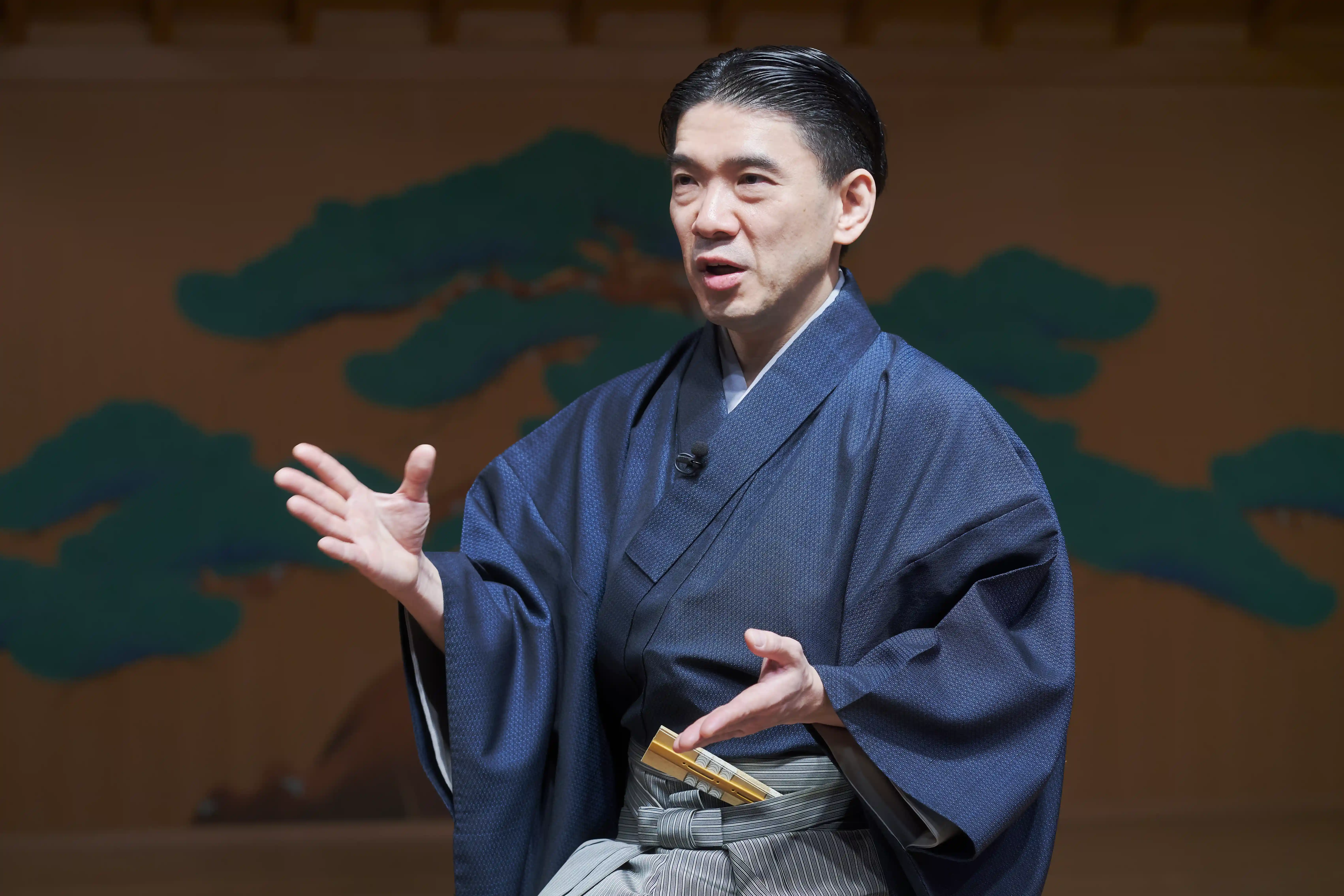
Noh, Explained Then Performed
Performing Arts
Noh, Explained Then Performed
 Performing Arts
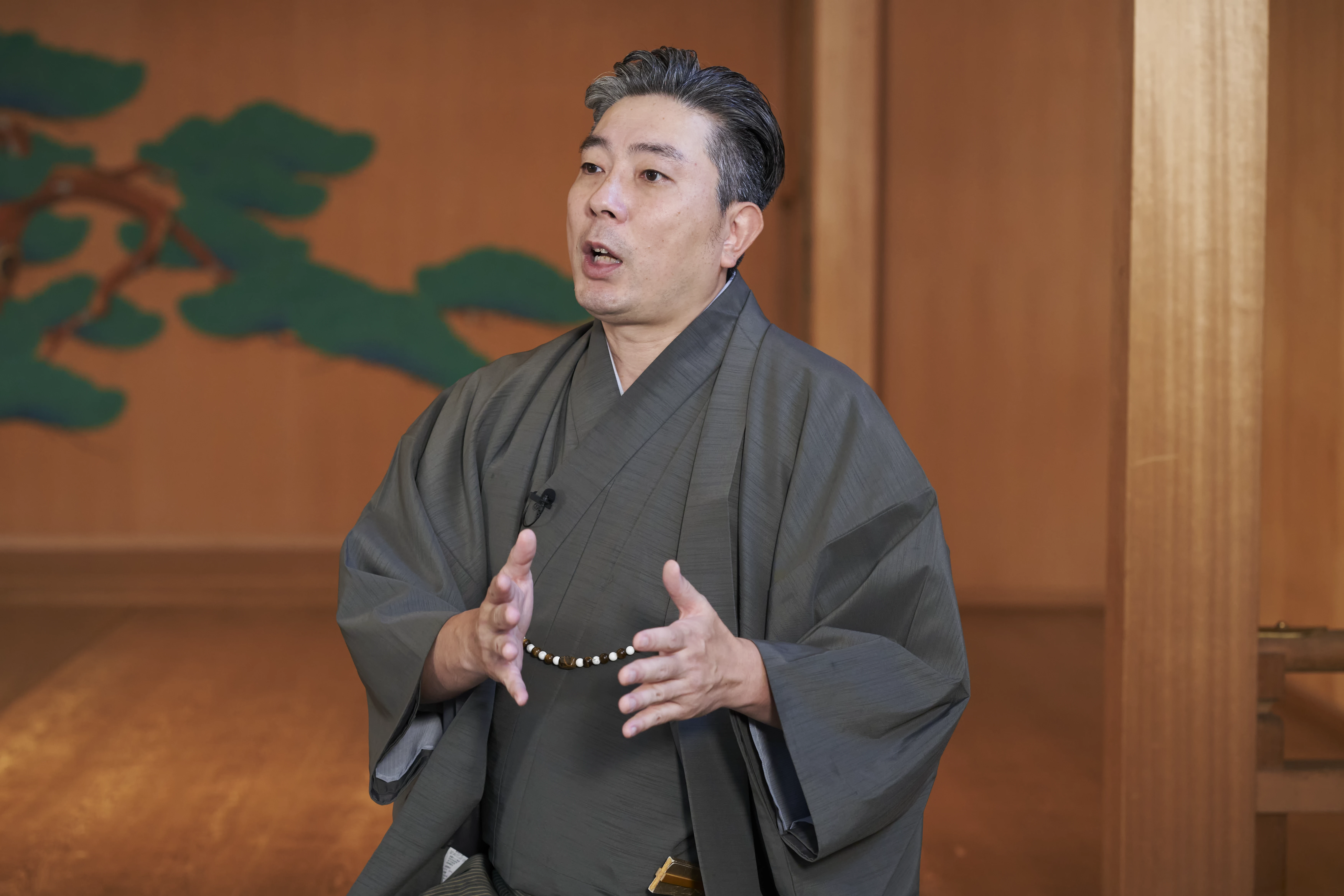
Kyogen: The Comedy Beside the Tragedy
Performing Arts
Kyogen: The Comedy Beside the Tragedy
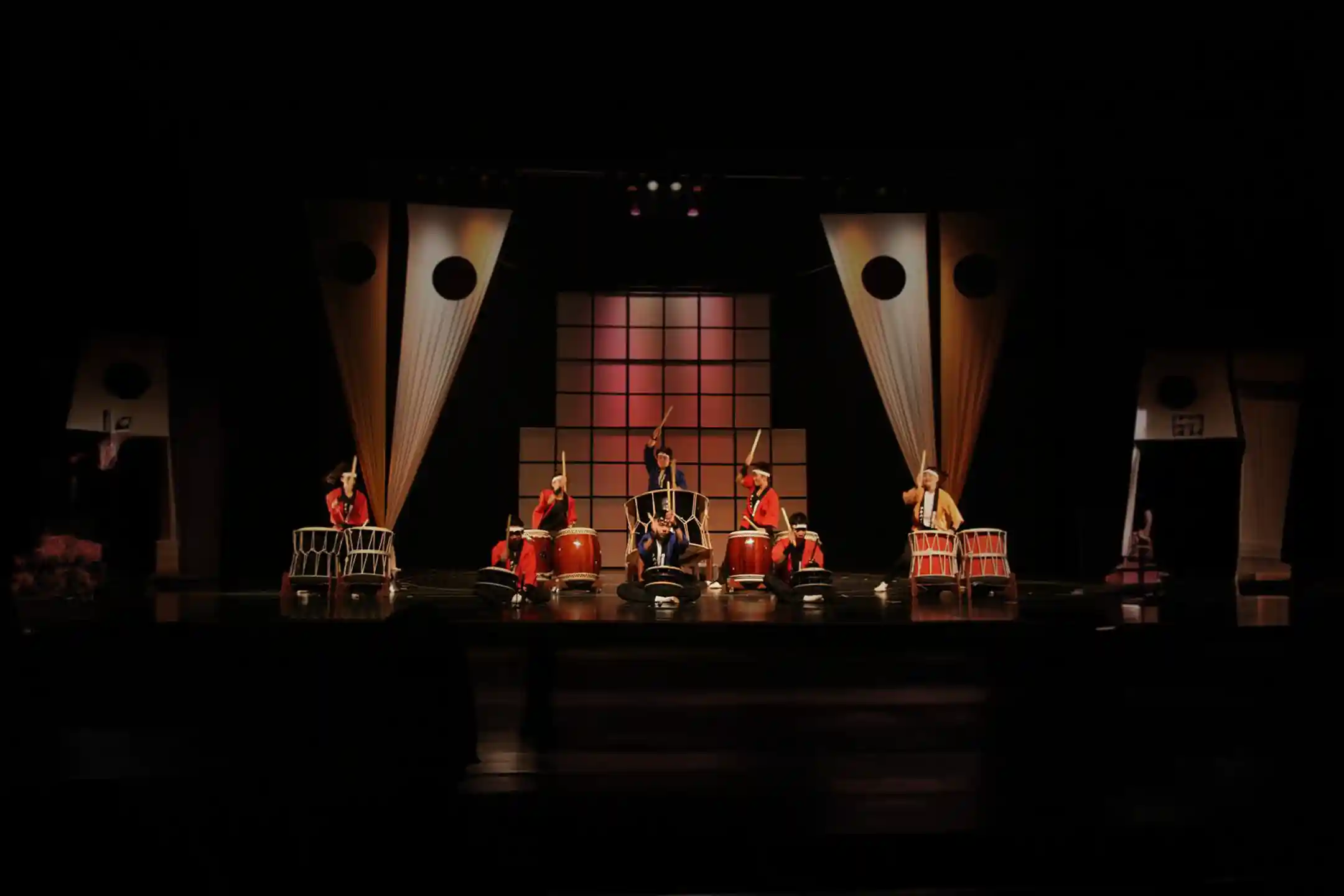 Performing Arts
Drums, at the Distance They Were Made For
Performing Arts
Drums, at the Distance They Were Made For
Itinerary Preview
Hotel Pickup
Private transfer from your Tokyo hotel, with an English-speaking guide who stays with you for the journey — no meeting points to coordinate, no trains to catch.
Inside a Noh Family's Stage
A private stage kept by one family for generations. Before anything is performed, the masks come out of their boxes and into your hands — the weight, the narrow eye-slits, the reason the actor can barely see. Then a passage, danced for you.
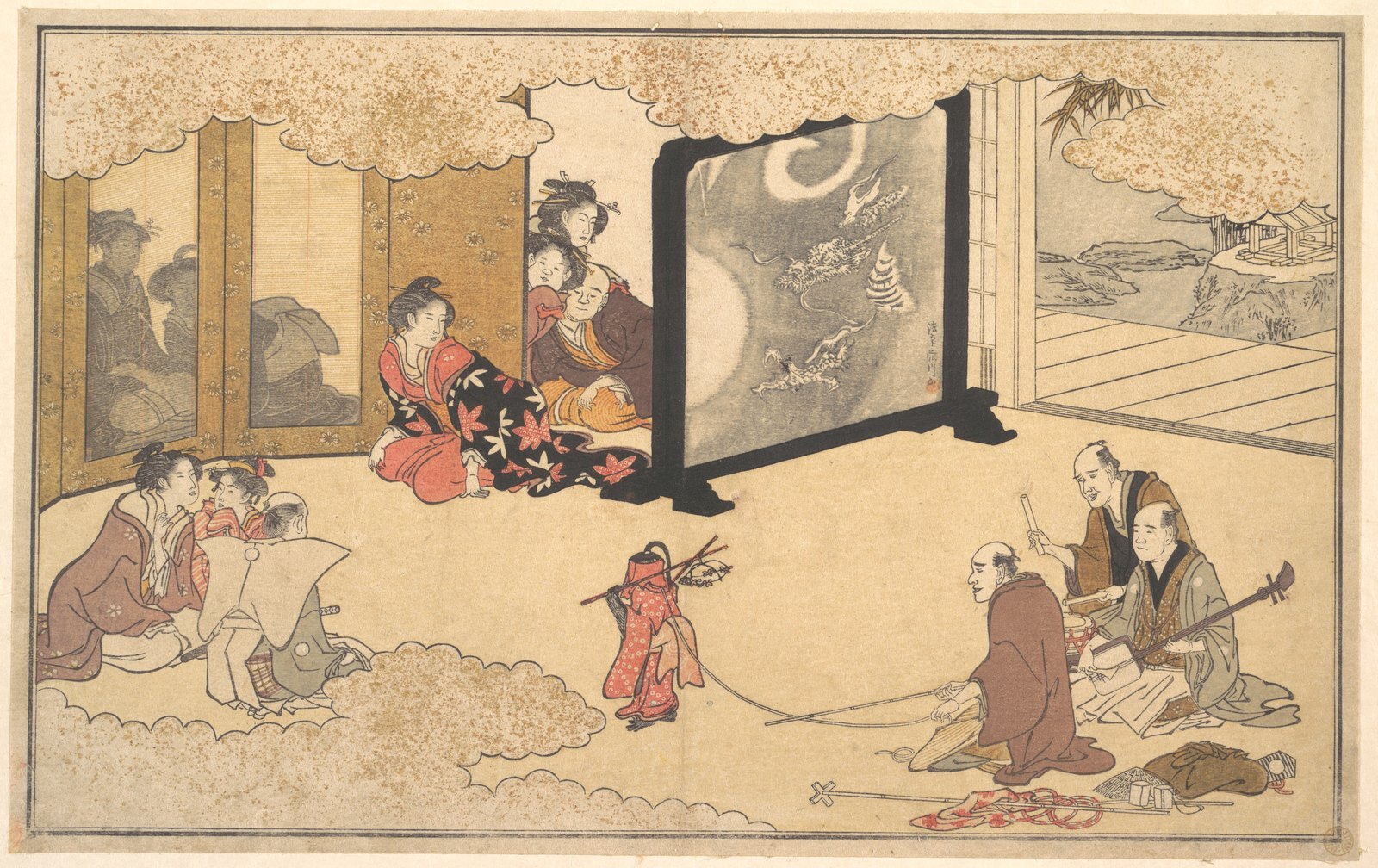
What You Just Saw
A seasonal lunch nearby and a conversation out of costume: what the play was about, which gestures carried it, and what six hundred years of transmission actually costs a family. The part visitors never get.
Kyogen, Which Is Supposed to Be Funny
The comic theatre performed between noh plays, in the same tradition and the same buildings, and far more approachable than its reputation. Six hundred years of jokes about servants outwitting masters, delivered without a mask.
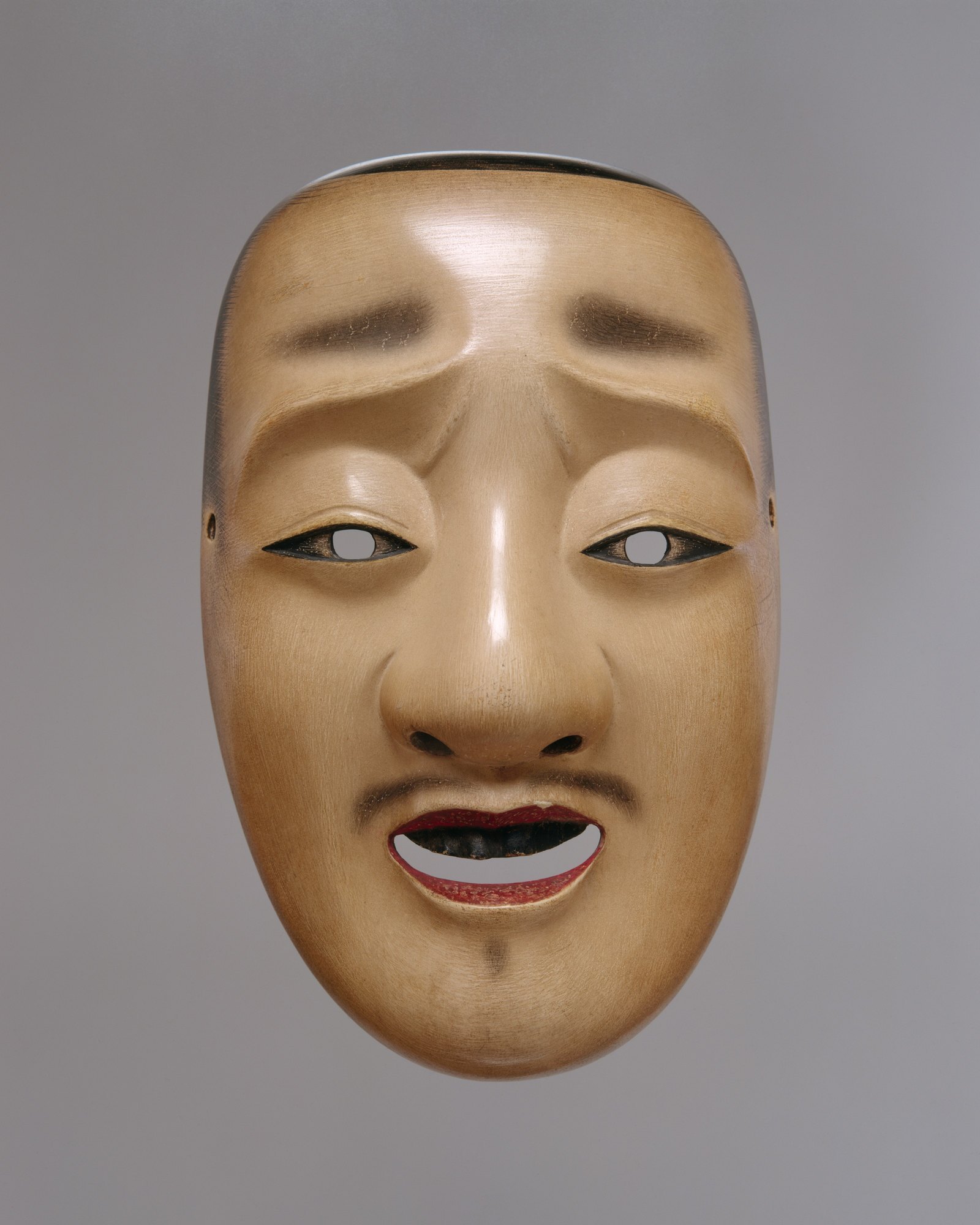
A Short Lesson in Standing Still
The walk is the hardest thing in both forms — heel never leaving the floor, the body carried level. Twenty minutes of trying it yourself does more for your watching than an hour of explanation.
Overnight
Overnight at a traditional inn (category, not a named property), chosen for quiet — the two days either side of this route are deliberately unhurried.
Drums, Felt Through the Floor
The loudest thing on the route and the one people talk about afterwards. A rehearsal room rather than a hall, close enough that the sound arrives in your chest before your ears, and a turn at a smaller drum yourself.
Hotel Drop-off
Private transfer back to your Tokyo hotel, timed around your onward travel rather than a fixed departure.