


Bring One Home
One real thing, chosen where it was made.
Why This Theme
Almost everybody leaves Japan with something, and almost nobody leaves with the right thing. The good workshops do not sit on tourist streets, they rarely explain themselves in English, and the difference between a competent piece and an extraordinary one is invisible until somebody shows you where to look. So people buy at the airport and regret it a year later.
This theme is built around that gap. The route goes to workshops that still make by hand, spends the time to understand the work before anything is chosen, and treats the purchase as the point rather than an afterthought — because a craft survives on people buying and using what it makes, not on admission fees. It is the same category Digital Guide covers editorially, turned into a route between workbenches.
Recommended Experiences
 Silversmithing
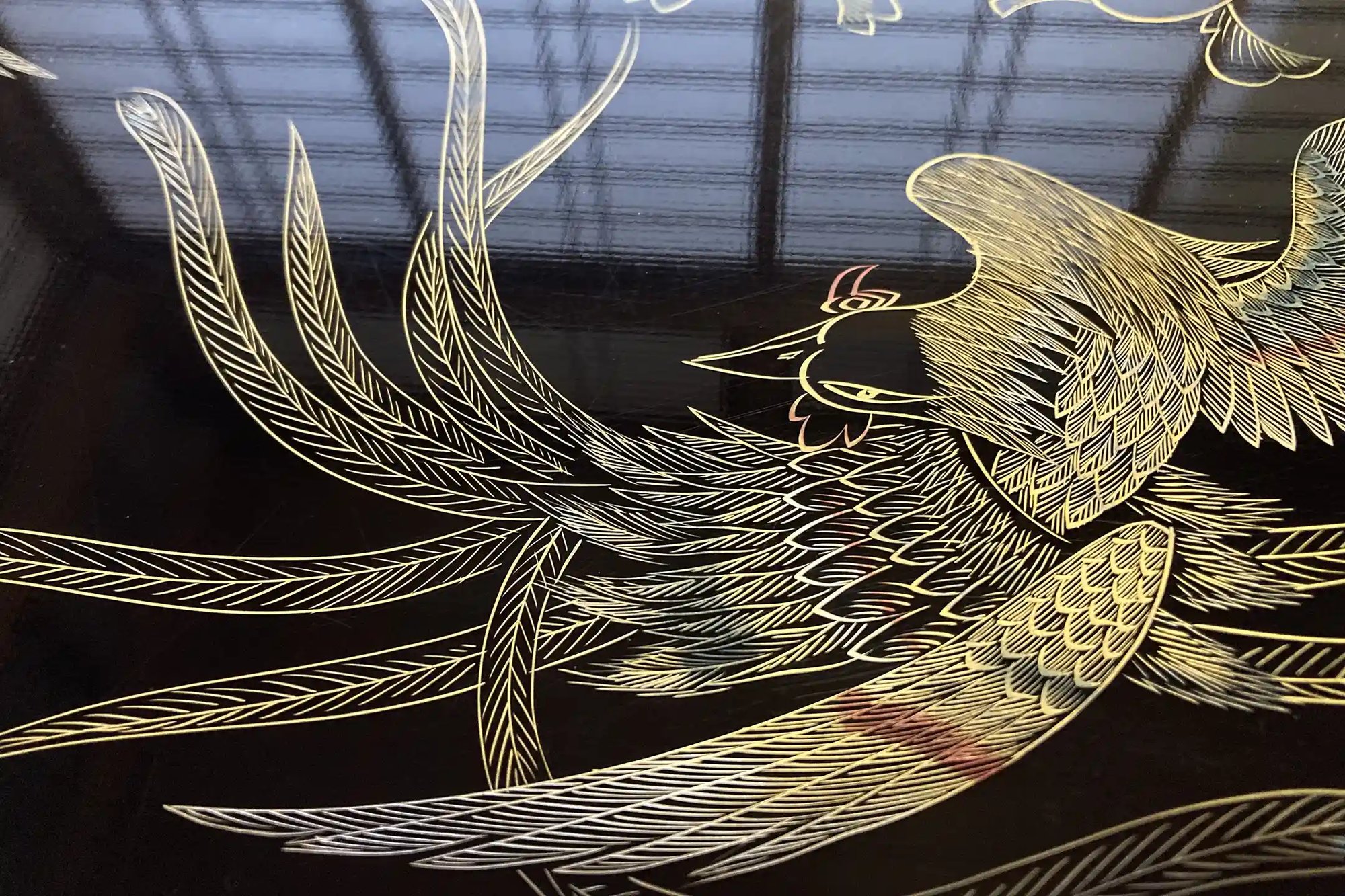
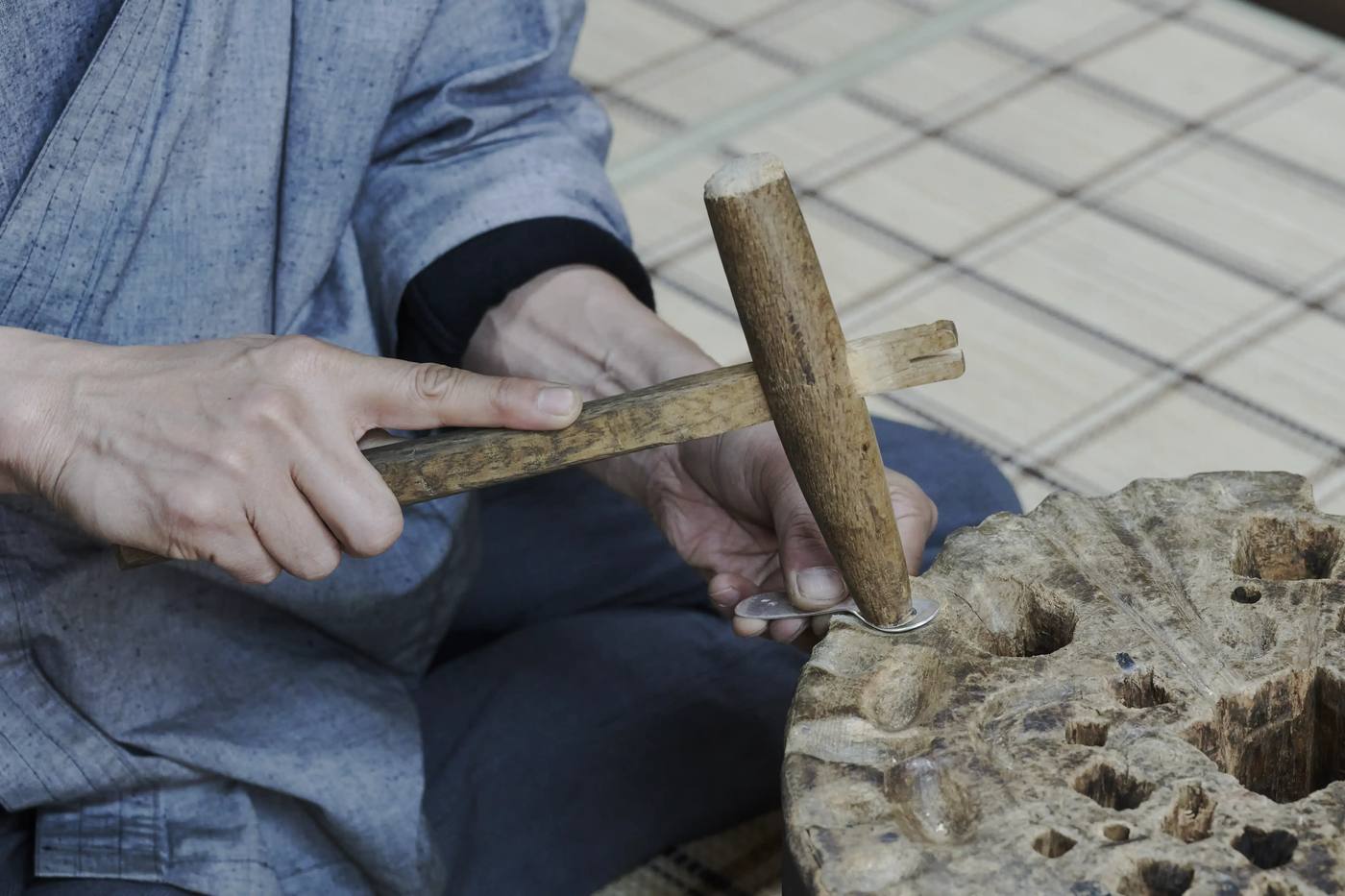
Silver Chasing with a 13th-Generation Workshop
 Sword Polishing
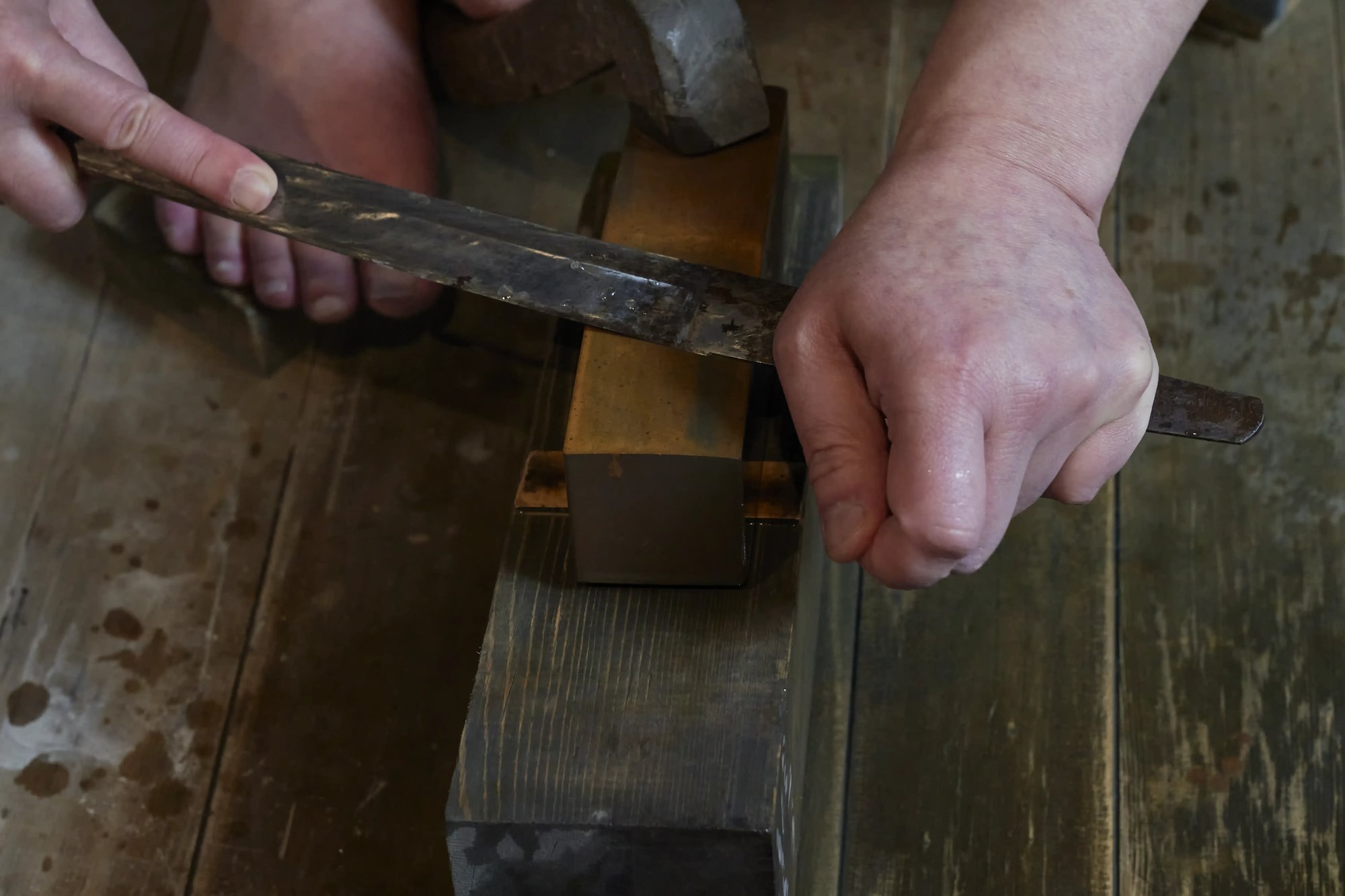
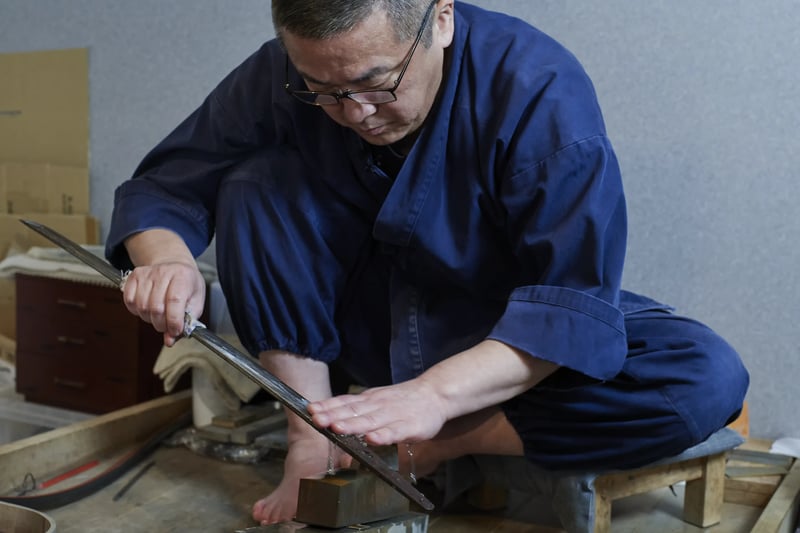
Holding an 800-Year-Old Blade in a Sword Polisher's Workshop
 Craft
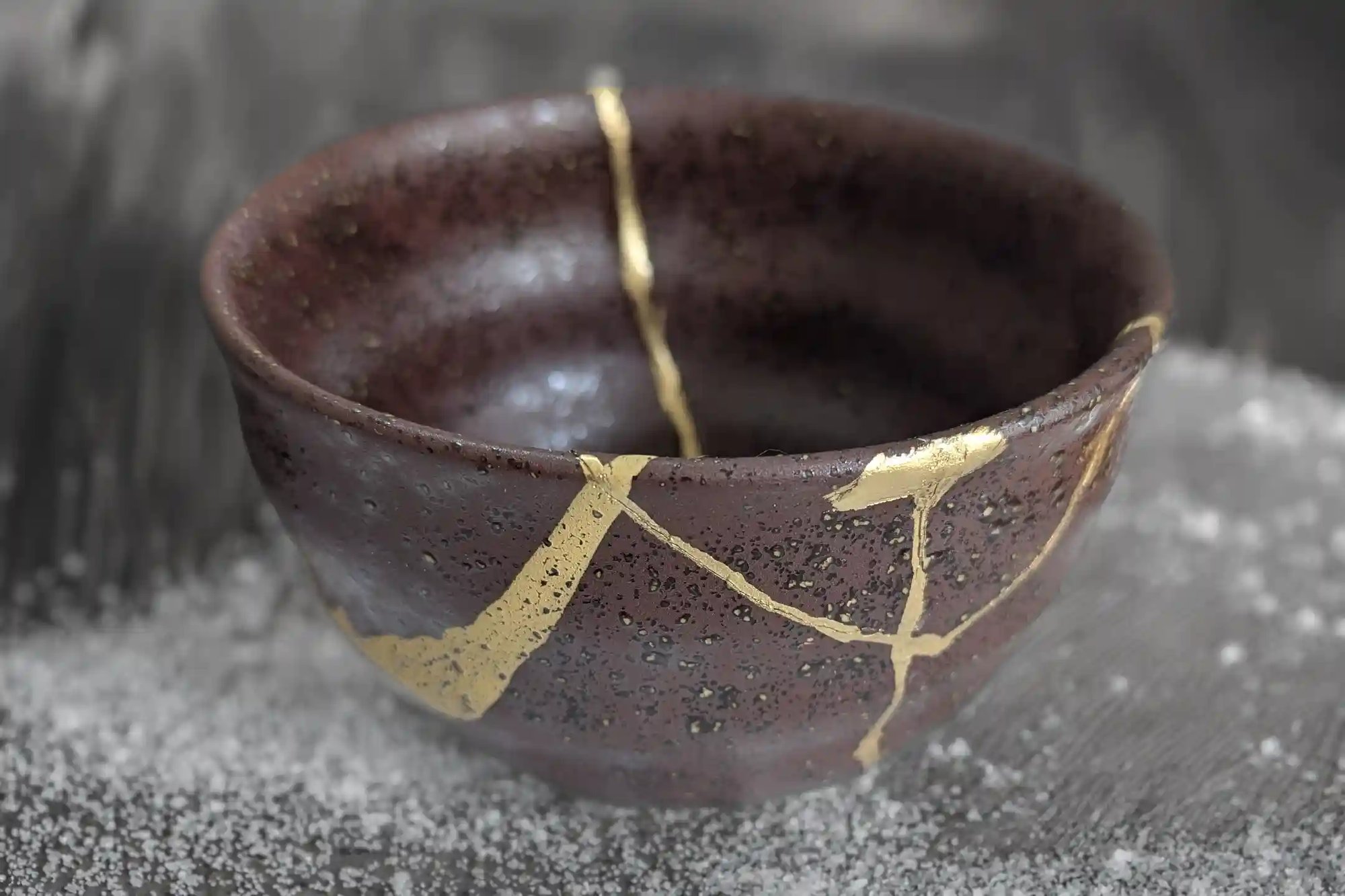
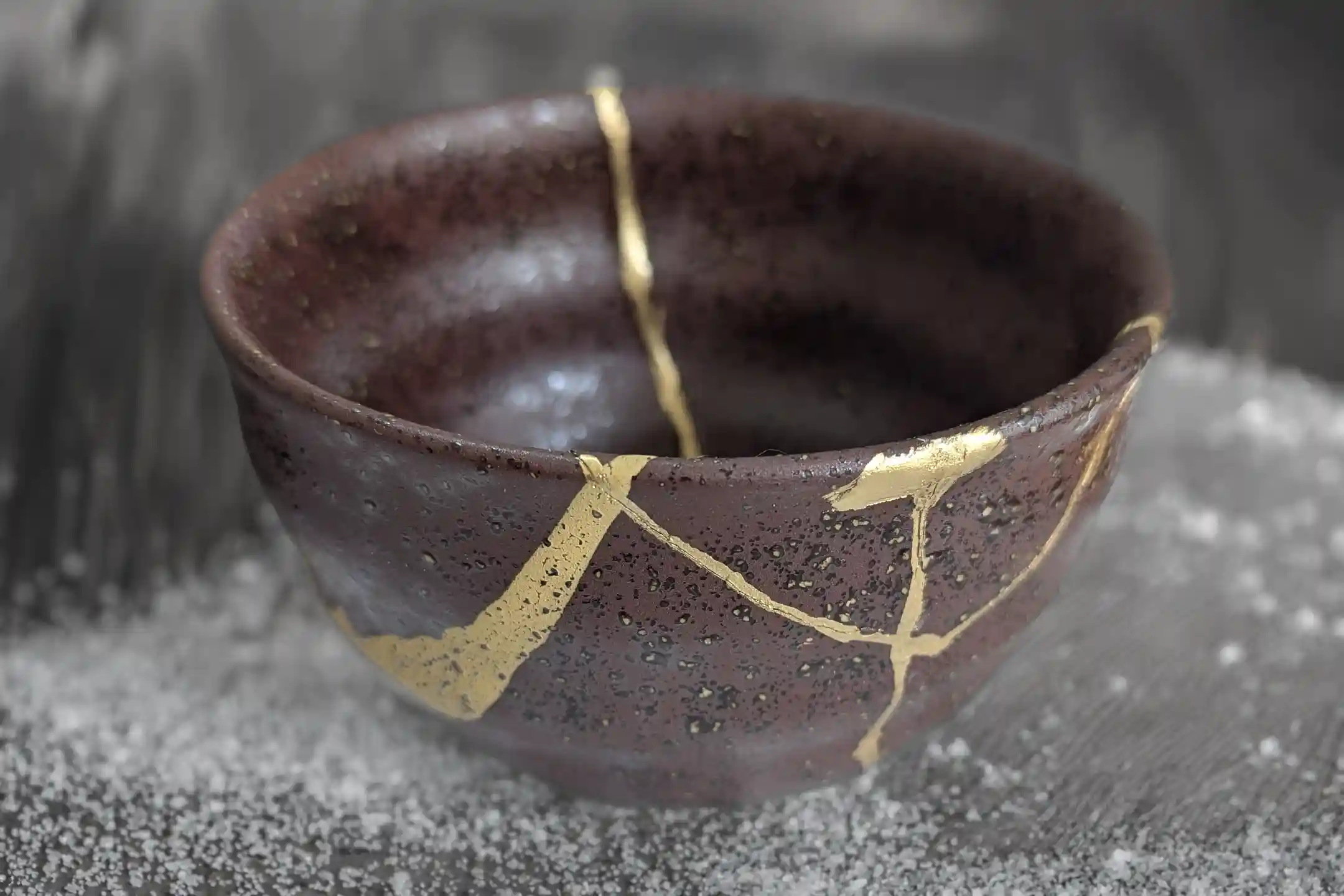
Gold-Joined Repair, on a Bowl of Your Own
Itinerary Preview
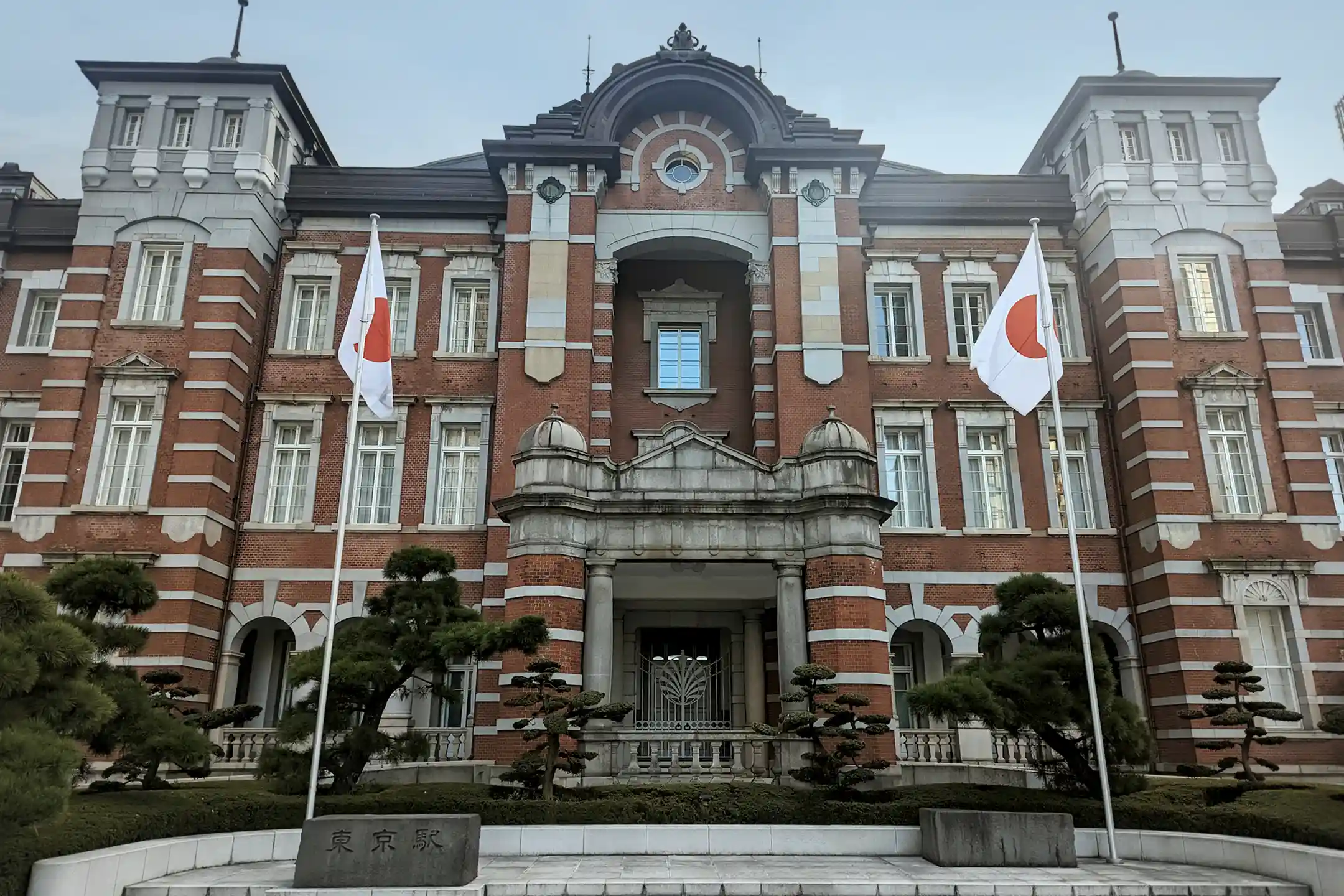
Setting Out
A car from your Tokyo hotel. An English-speaking guide is with you on the days with the masters and on travel days, so there are no meeting points to coordinate.
Silver, Raised by Hammer
A vessel beaten up out of one flat sheet with no join anywhere in it, in a workshop where two generations work in the same tatami room. You watch the raising, then handle finished pieces that took weeks each.
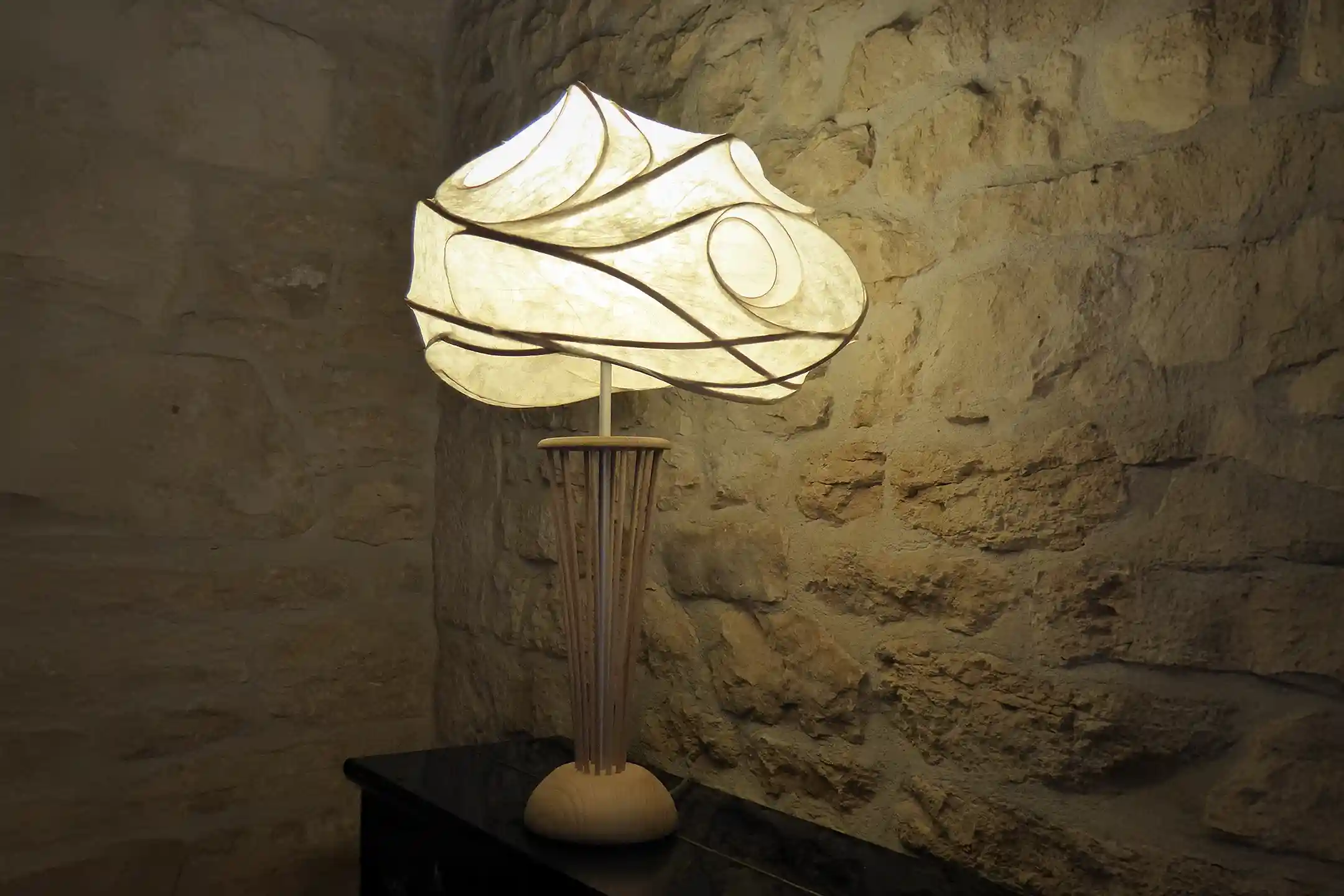
Choosing, Slowly
A seasonal lunch nearby, then back to look properly. What is worth the money and what is not, said plainly by the person who made both — and no pressure to decide on the day.
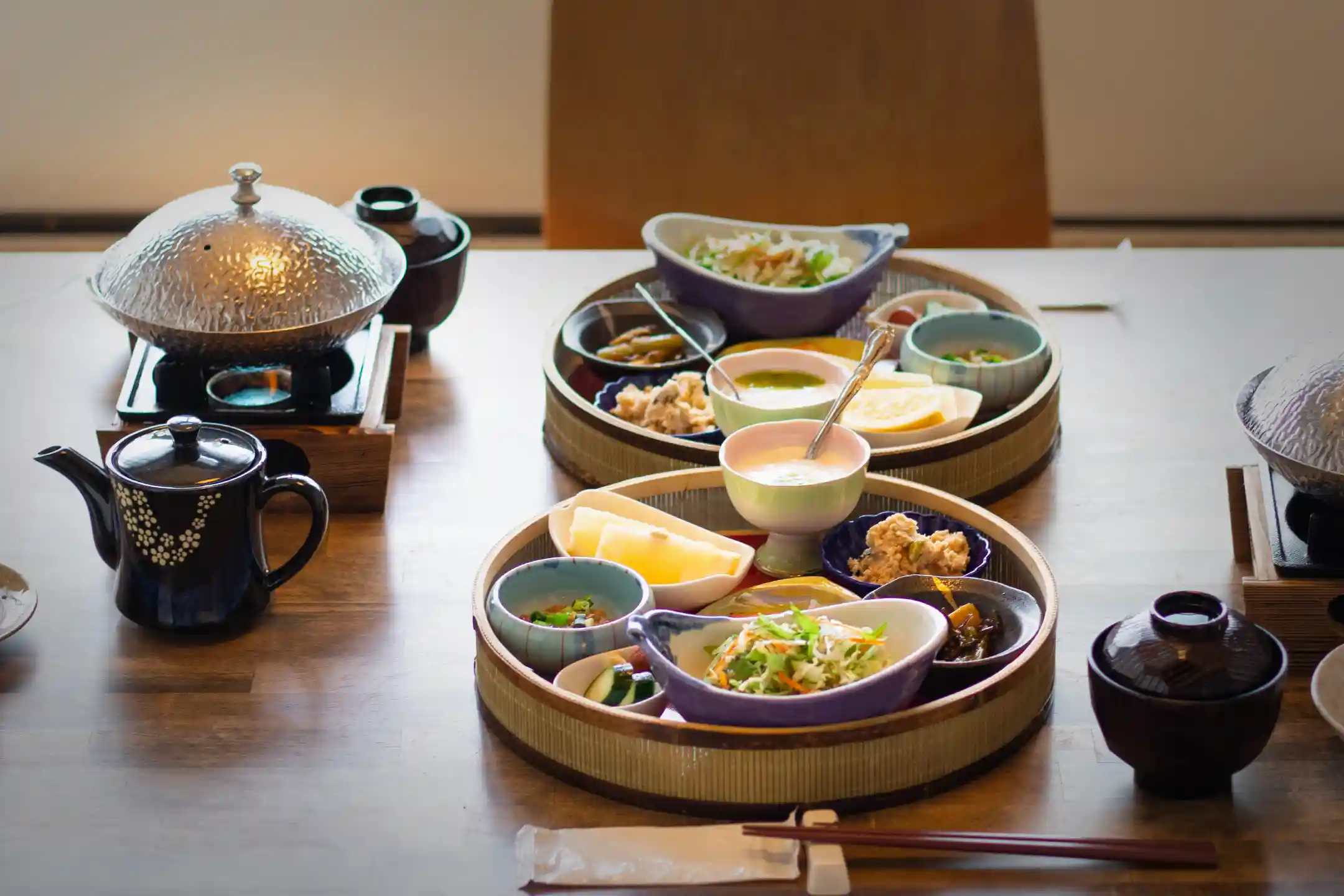
Overnight
Overnight at a traditional inn (category, not a named property), usually one that puts real craft on the table — the bowls at dinner are worth asking about.
Gold-Joined Repair
The technique that mends a broken bowl with lacquer and gold instead of hiding the break. You work on a piece yourself — and the argument behind it, that damage is part of an object's record, lands differently once you have done it.
Cut Glass, Against the Wheel
Coloured overlay glass cut back to clear on a spinning wheel, freehand, with no way to undo a slip. A short turn at the wheel yourself explains the price of the good pieces faster than any label.
A Blade, at the Stone
Not sharpening — polishing, which is a different trade and takes a decade to learn. A succession of natural stones brings the grain and the temper line back out of a blade, and you see the same steel change character under each one.
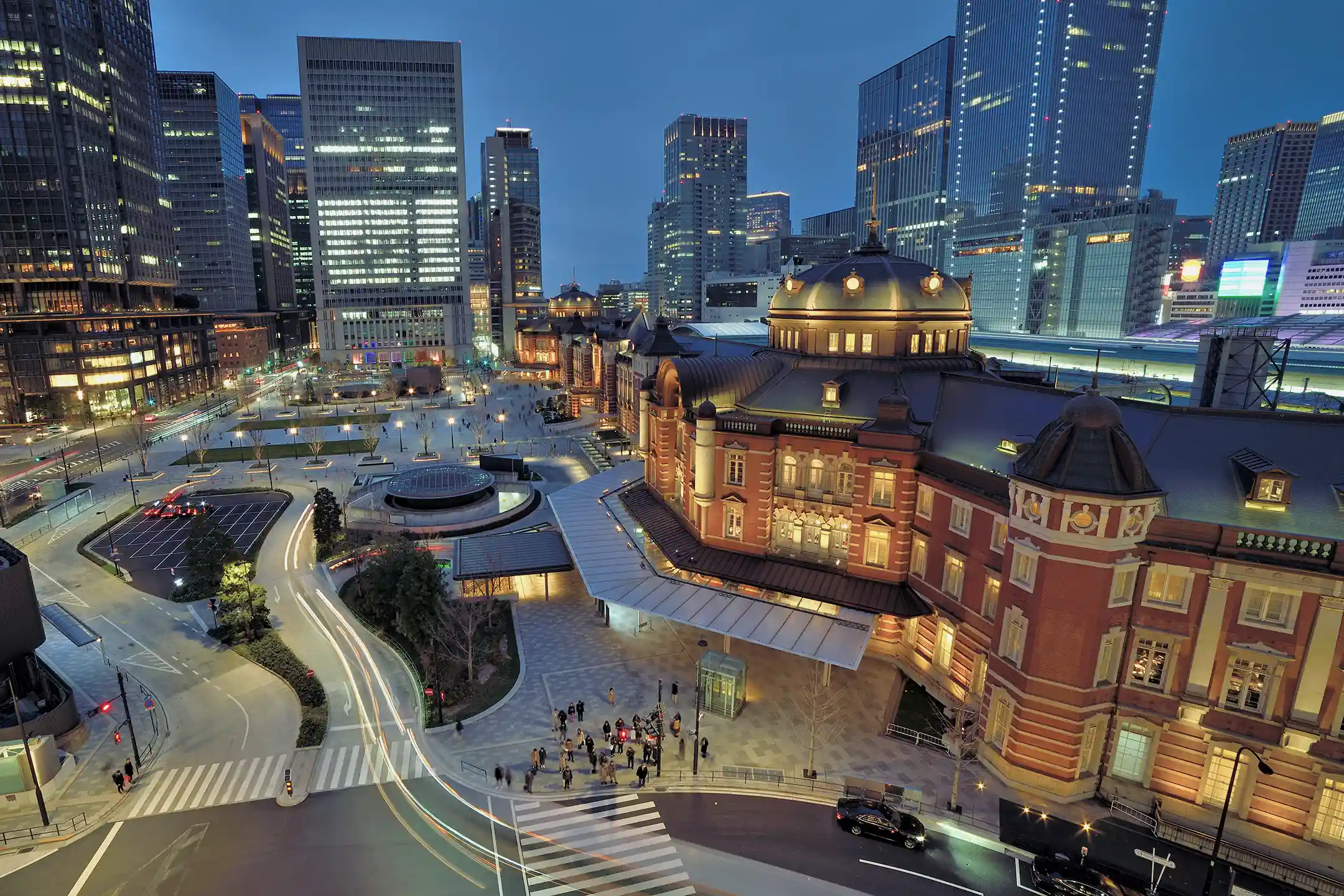
Packing, and Hotel Drop-off
Whatever you chose is wrapped and documented, and shipping or safe carriage can be arranged with the maker, including export paperwork where a piece needs it. Then a car back to your Tokyo hotel, timed around your onward travel.