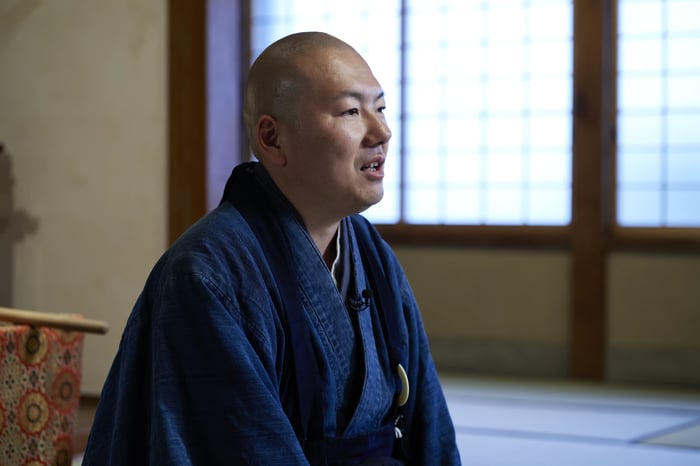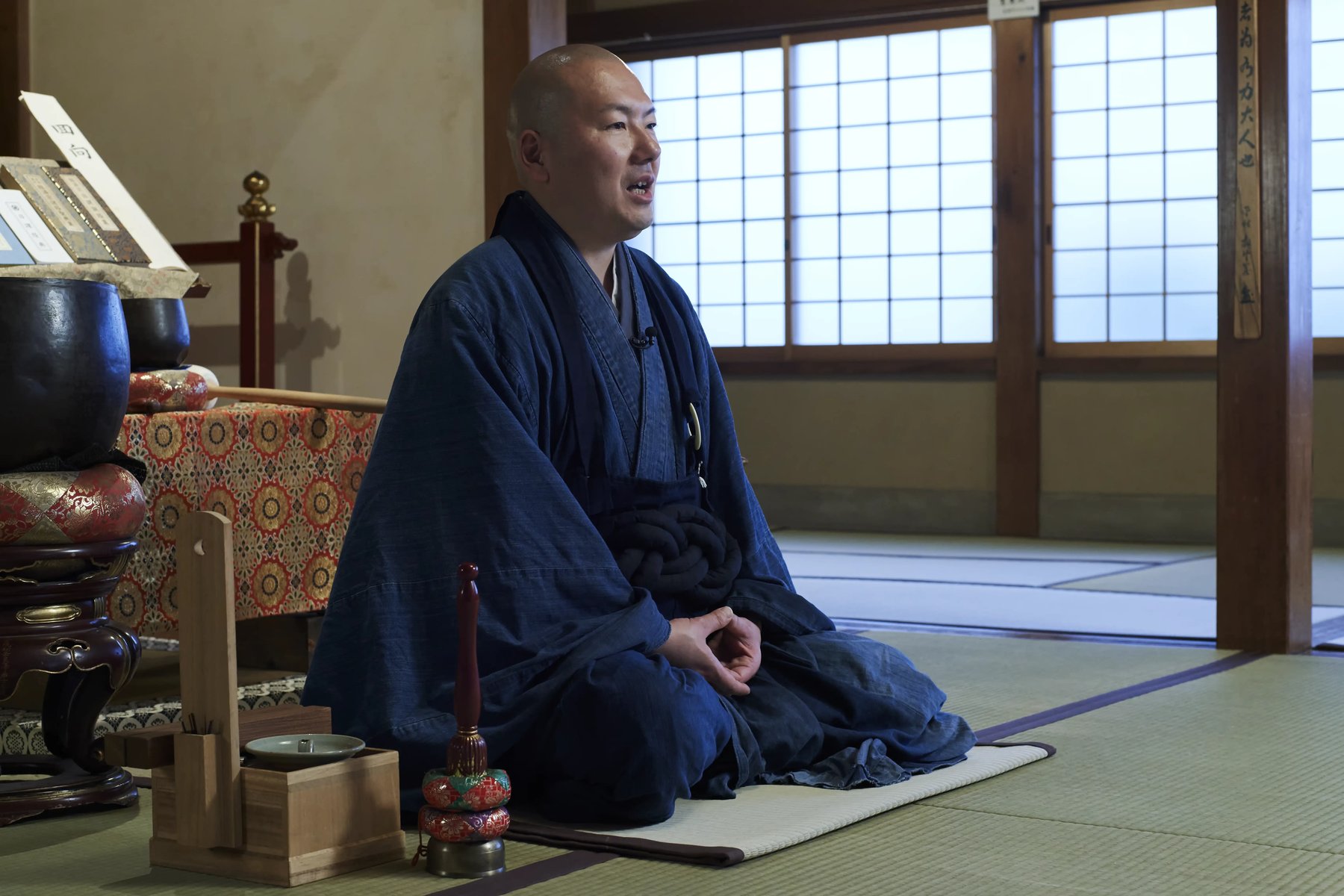
Taijun Namiki seated in zazen in the temple
Zen & Temple — Zazen

One Hour of Zazen in a Centuries-Old Asakusa Temple
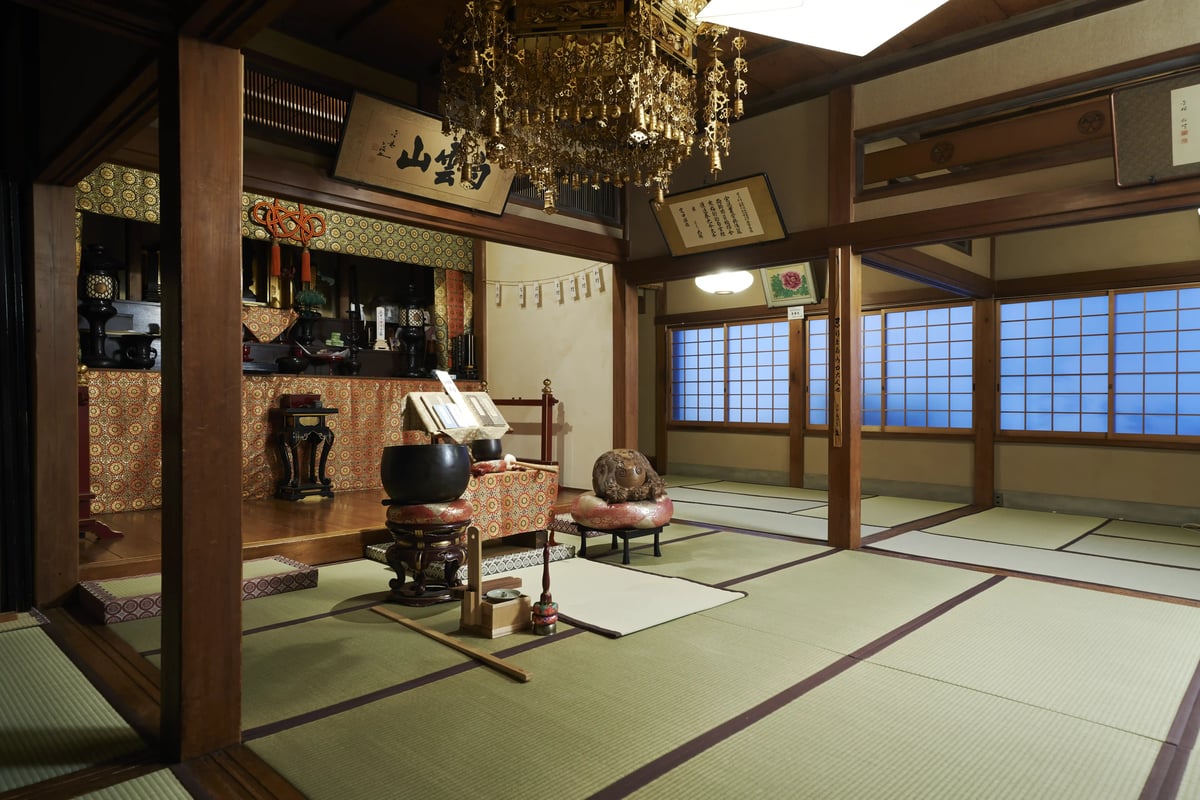
The tatami room, empty and quiet
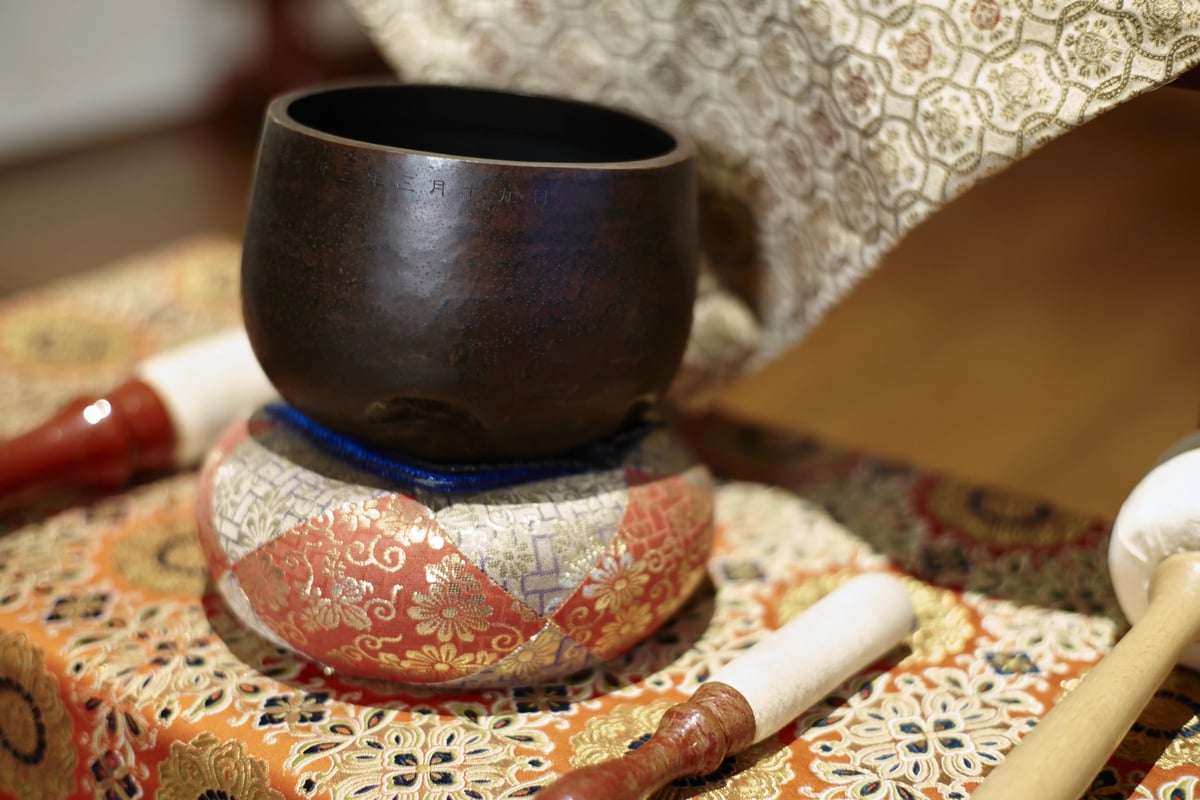
A standing bell on its cushion
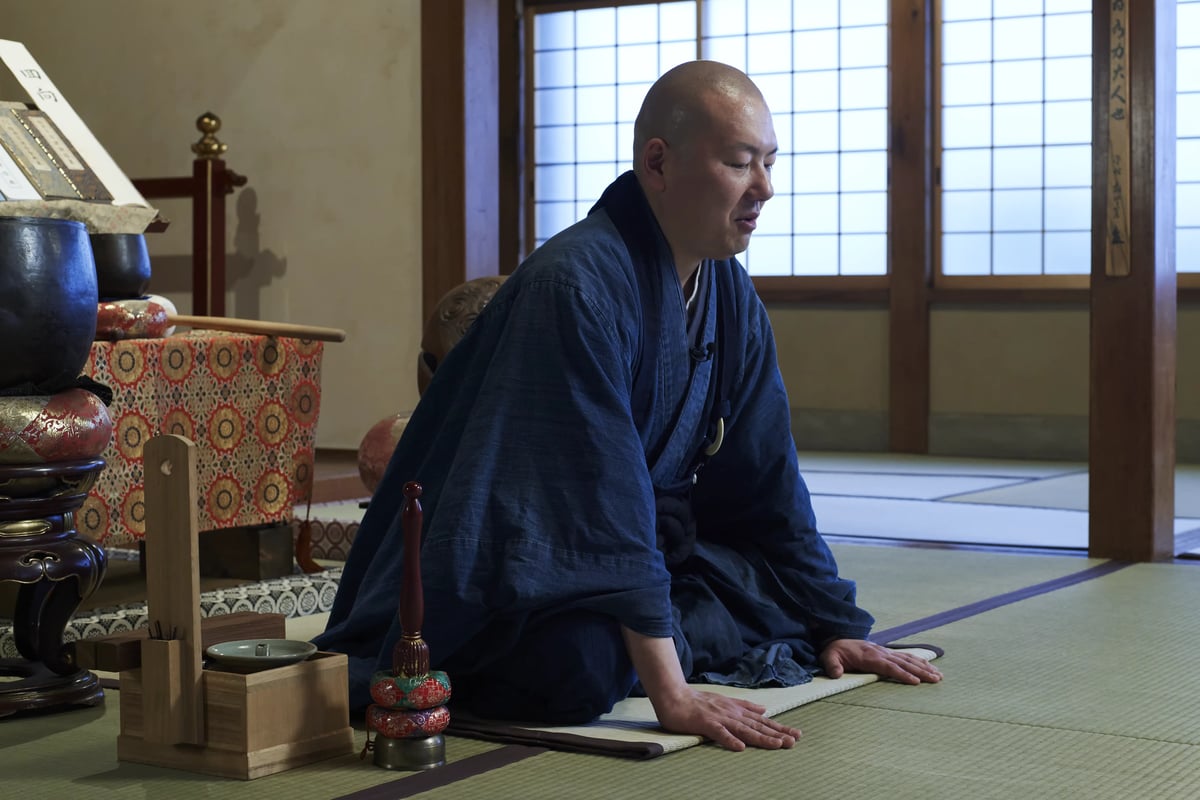
The head priest bowing low to the floor
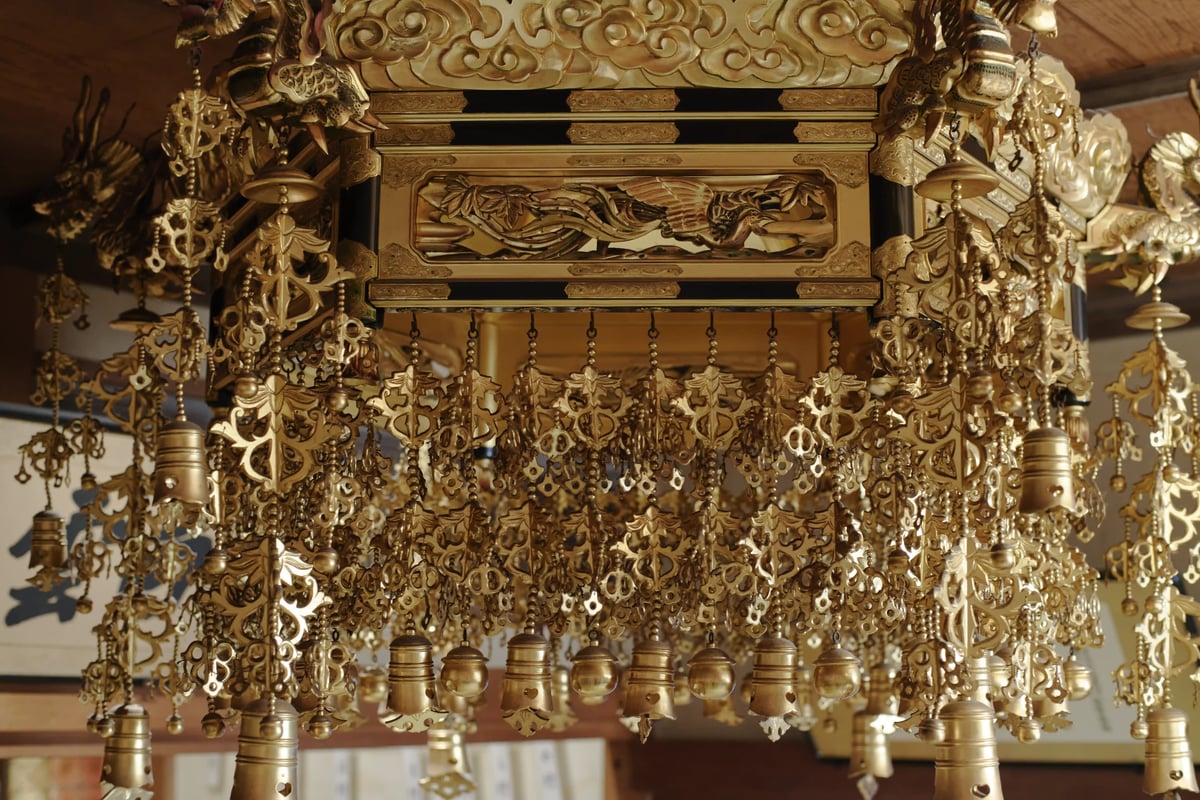
Gilded ornament above the altar

The Craft

Zazen is seated Zen meditation — posture, breath, and staying put. Rinzai, the lineage practised here, holds that insight does not arrive gradually but all at once, which is why the sitting itself, rather than any explanation of it, is the whole of the practice.

The Supplier

Kinryuji, in the heart of Asakusa, has practised Rinzai Zen without interruption for centuries. Its head priest, Taijun Namiki, also directs the Tokyo Zen Center; his days move between the zendo, the altar, and the students who arrive looking for something they cannot yet name.

What Makes It Different

No experience is required, and no particular belief. The temple opens its doors for one hour, and what is asked of you is only a willingness to stop — and to see what is there when the noise clears.

The Experience

In the heart of Asakusa, a temple that has stood for centuries opens its doors for one hour of zazen. You enter the zendo, learn the posture, and sit. Namiki has sat more times than he can count, and still says each sitting is the first — which is, in the end, the only instruction that matters. The hour is not framed as relaxation or as sightseeing; it is the practice itself, offered as it is done every day here.

  • One hour of zazen in a working Rinzai zendo, not a visitor programme
  • The posture, taught properly, from the head priest of the temple
  • Time in a temple that has practised without interruption for centuries
  • No experience and no particular belief required — only a willingness to stop
Discover Behind the scenes — Kinryuji
Itinerary

これは一例です — This Is a Sample Itinerary

Sample, not a fixed schedule Shown to illustrate the kind of layered day we build, not a fixed schedule. Exact timing is confirmed only after a private consultation.

Here's how a visit typically unfolds, from pickup to drop-off.

  1. Hotel pickup by an English-speaking guide, who stays with you for the visit
  2. Arrival at Kinryuji, and time in the temple before anything is asked of you
  3. Entering the zendo, and how a Rinzai sitting is arranged
  4. The posture — legs, spine, hands, eyes — taught by the head priest
  5. One hour of zazen
  6. Tea, and questions, once the sitting has ended
  7. Conversation with Namiki about a practice built on stopping
  8. Private transfer back to your hotel

What's Included

Private zazen guidance from the head priest of Kinryuji
Use of the zendo and cushions
Tea and conversation after the sitting
English-speaking guide for the visit
Hotel pickup and drop-off in central Tokyo
Not included: transportation beyond central Tokyo, personal purchases
Enquire →

Meet Your Artisan & What to Know

Rev. Taijun Namiki
Rev. Taijun Namiki Head Priest, Kinryuji — director of the Tokyo Zen Center Read the full interview on Our Masters →

Namiki has sat in meditation more times than he can count — and yet, he says, each sitting is the first. As head priest of Kinryuji and director of the Tokyo Zen Center, his days move between the zendo, the altar, and the students who arrive seeking something they cannot yet name. The hours before dawn are his own. The Rinzai teaching he practises holds that insight does not arrive gradually but all at once, which is why the discipline never really ends and why, in his telling, there is nothing to achieve in an hour of sitting except the sitting.

In the Temple
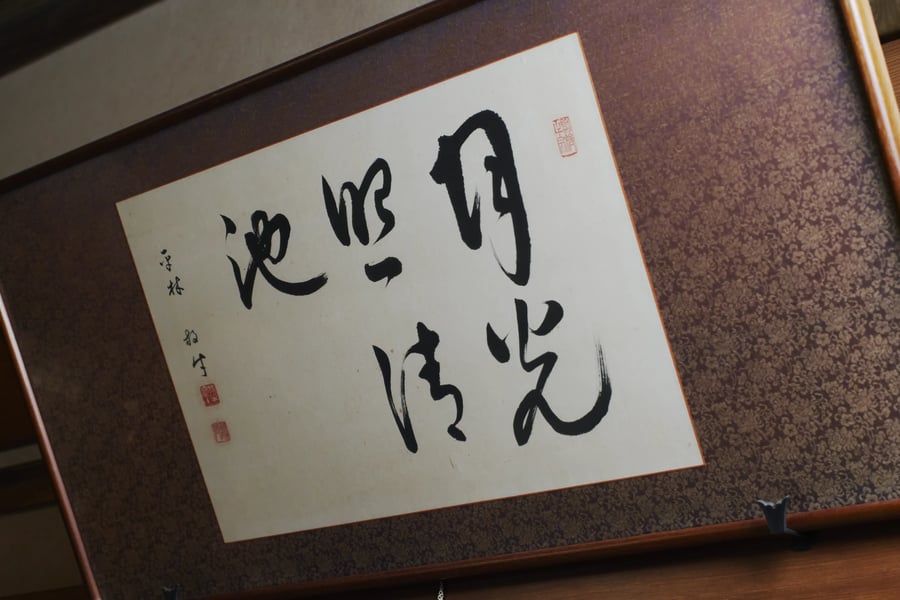
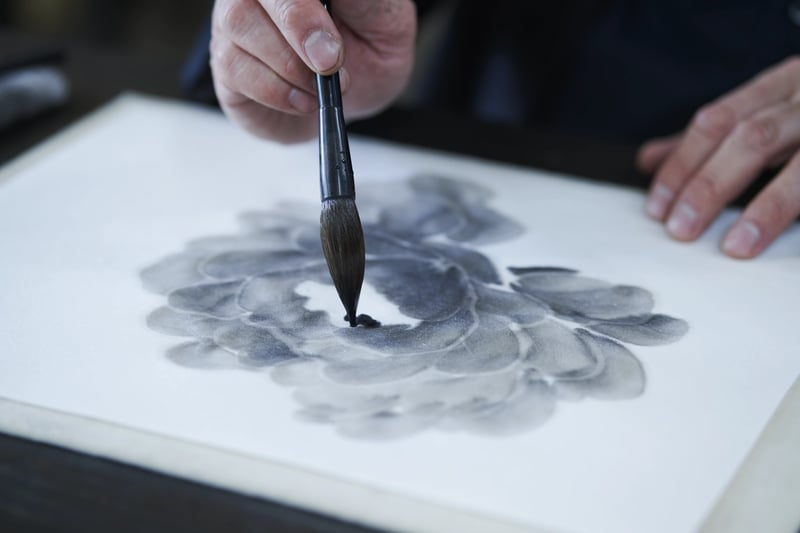
A framed calligraphy scroll
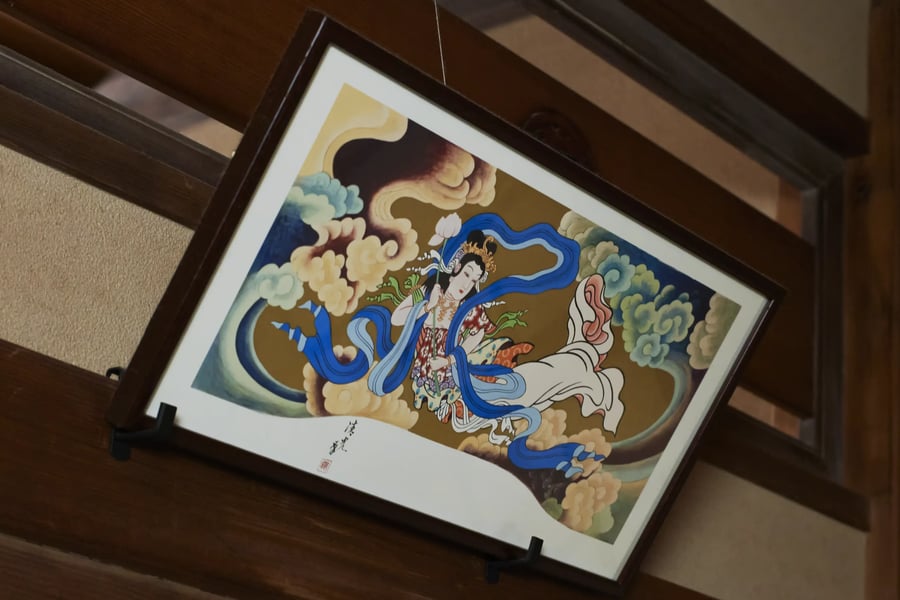
A painted panel in the temple
  • Shoes come off at the entrance; clean socks are appreciated.
  • Loose clothing you can sit cross-legged in is best. Chairs can be arranged if sitting on the floor is difficult.
  • Phones off rather than silent — an hour is long enough for a screen to break it.
  • Photography before and after the sitting, not during; your guide will say when.
  • This is a working temple. Other observances may be going on in the building.
About This Experience

Do I need any experience with meditation?

No experience is required, and no particular belief. The posture is taught from the beginning.

What if I can't sit cross-legged?

Say so when you enquire. Chairs can be arranged, and the posture adapted — the sitting matters, the knees do not.

Can I join if I don't speak Japanese?

Yes — an English-speaking guide is present throughout.

How many people can join?

The sitting is arranged for your party alone — no other guests join it.