


.webp)
Sakai: Where the Knives Come From, and Where the Tea Room Got Small
Twenty-five minutes south of Osaka, a port that was once the richest and most independent city in Japan. It made the blades that sit in professional kitchens around the world, it produced the men who cut the tea ceremony down to two mats, and it holds the largest burial mound on earth. Almost no foreign visitor stops.
About the Region
For most of the sixteenth century Sakai governed itself. It was a walled and moated port at the mouth of Osaka Bay, grown rich on trade with Ming China and the Ryukyus, run by a council of its own merchants and defended by men they paid for. European visitors of the period compared it to Venice, and meant it. No warlord held it; several of them banked with it.
That independence ended when the country was unified, and the port silted up, and the city became what it is now — an industrial municipality of 800,000 that most people pass through on the way to somewhere else. What survived is the craft quarter, the food, and something a thousand years older than either.
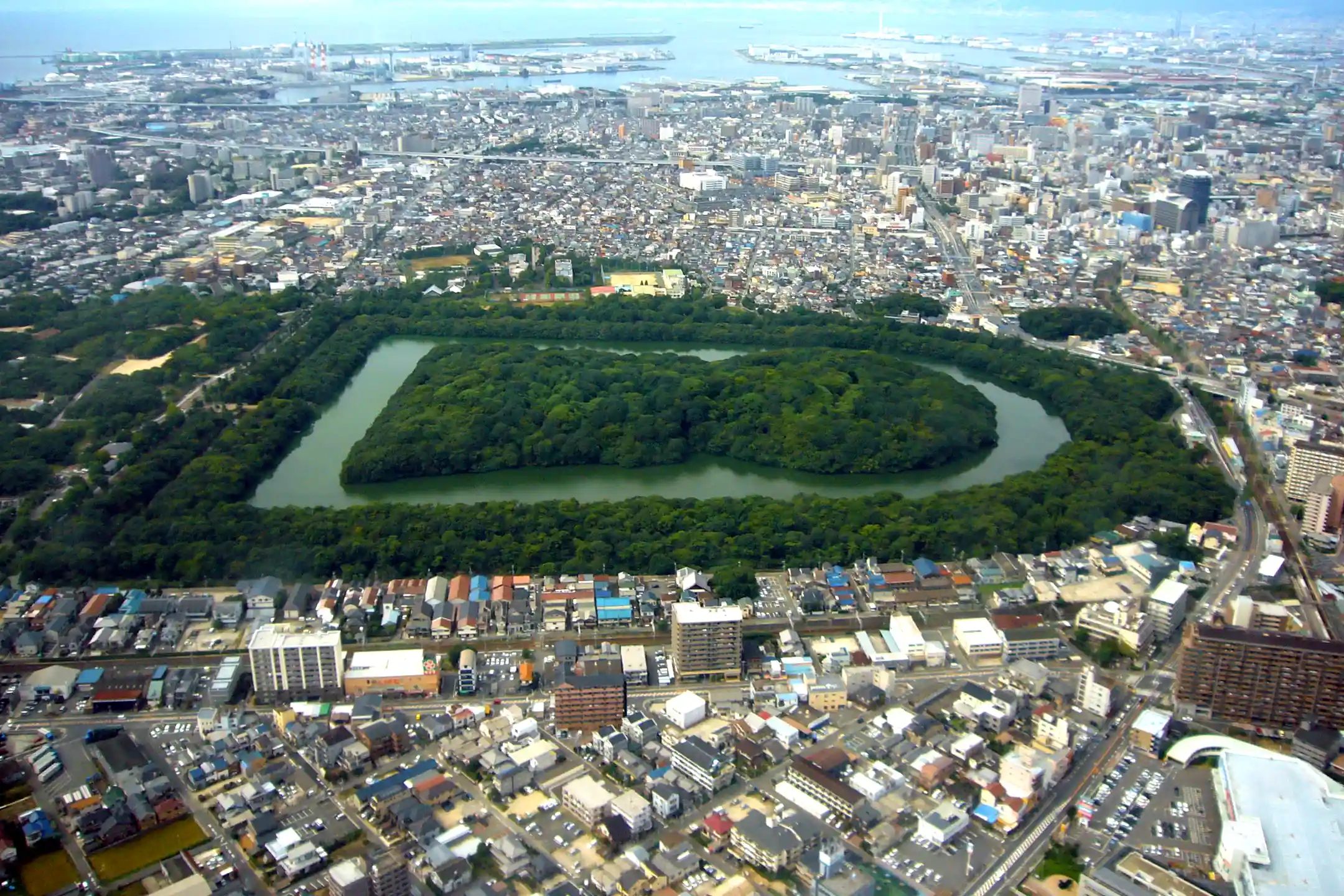
On the southern edge lie forty-nine fourth- and fifth-century burial mounds, listed by UNESCO in 2019. The largest covers more ground than any pyramid in Egypt. Cut in the keyhole shape that exists nowhere else, moated and forested, they are administered as imperial graves rather than monuments — which means closed, and never excavated.
History
The story starts with the mounds. Raising them took iron, and the standard local account traces the city's metalworking straight back to the people who built them. Around them stood haniwa — clay houses, boats, shields, armoured men — the earliest figurative sculpture in Japan, made by people who left no writing.
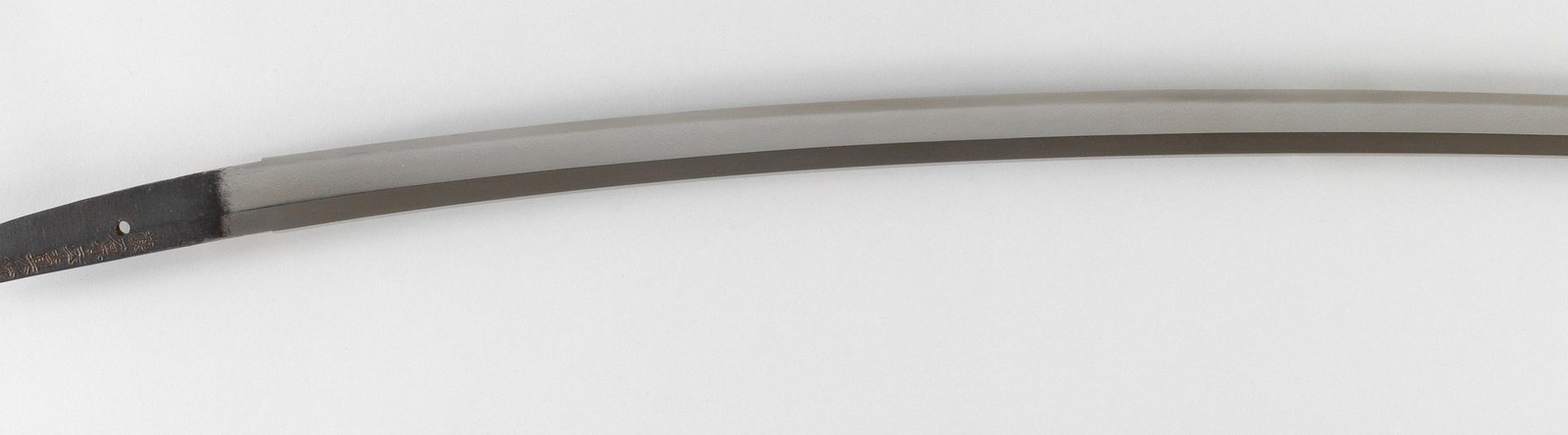
The blades and the tea came out of the same money, a thousand years later. Sakai's merchants had the iron trade, and by the sixteenth century the city was forging matchlock guns and, shortly after, the knives used to shred tobacco — which is where the kitchen trade is usually said to begin. Because the port was rich, the work could specialise, and it did: the smith who forges a blade has never sharpened one, and the man who sharpens it has never held a hammer.
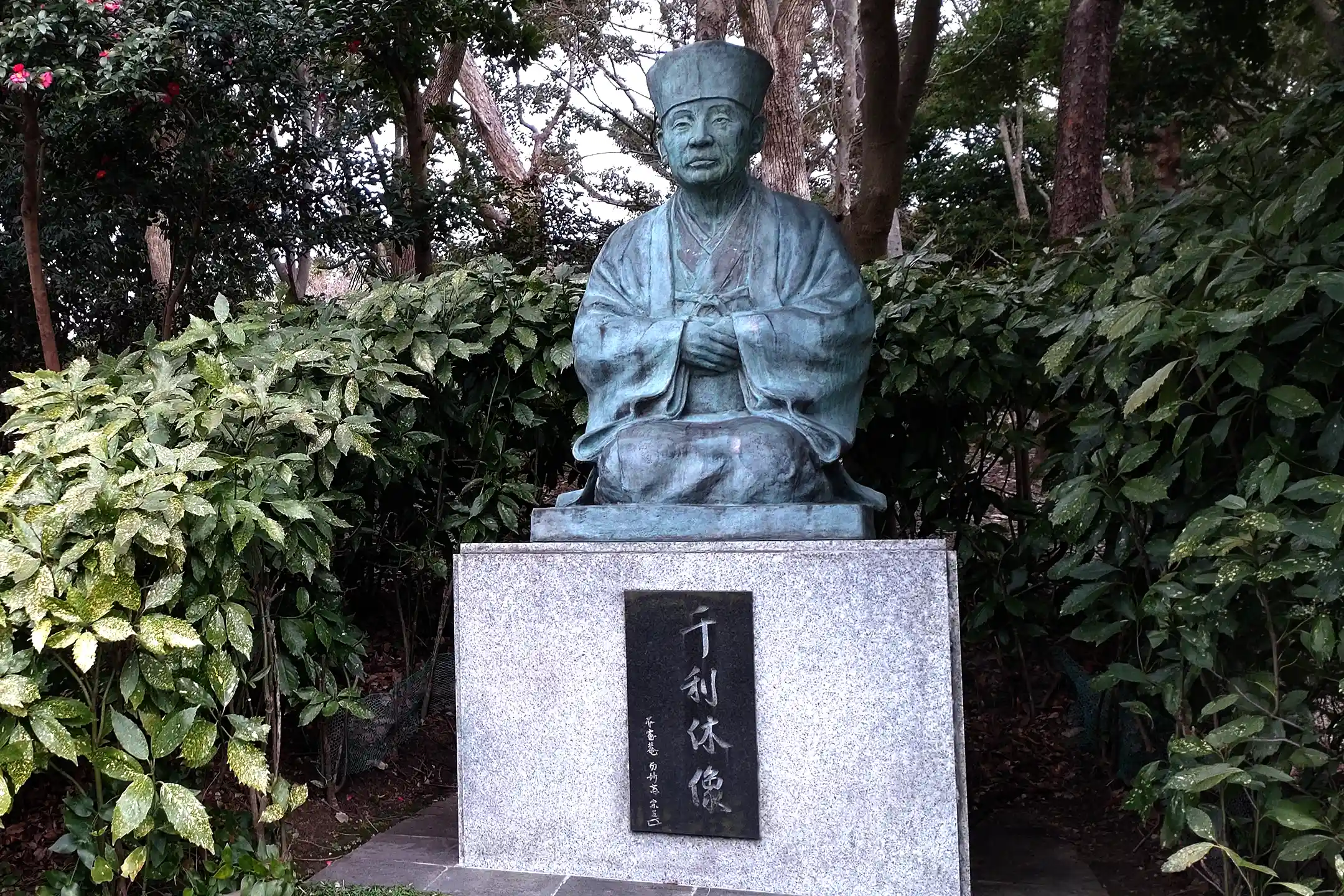
The same merchants funded the tea ceremony. Takeno Jōō was a Sakai leather-goods dealer. His pupil Sen no Rikyū was a Sakai fishmonger's son, and it was Rikyū who reduced the tea room to two mats, lowered the door so that everyone entering had to crouch, and made plain wood and rough clay the standard. The most austere aesthetic in Japanese culture was designed by the wealthiest merchants in the country, in this town, at roughly the same moment as the knives.
The Experiences
 Craft
A Blade, Followed Through Three Workshops
Ancient History
Forty-Nine Tombs, and the Clay Figures Around Them
Craft
A Blade, Followed Through Three Workshops
Ancient History
Forty-Nine Tombs, and the Clay Figures Around Them
%20of%20a%20Traditional%20Tea%20Room.webp) Tea & Kaiseki
Tea, in the City Where the Small Room Began
Tea & Kaiseki
Tea, in the City Where the Small Room Began
Itinerary Preview
Twenty-Five Minutes South
Private car from your hotel in Osaka, or straight from Kansai airport on an arrival or departure day. You travel with a pair rather than one person: someone who explains the culture and someone who interprets it, which is how the good guiding in this region is actually organised.
The Forge, If the Order Book Allows
The smiths here supply professional kitchens worldwide and a visit costs them setup and clean-down either side of it. We ask; we do not assume. When the answer is yes, you stand in front of a fire and watch soft iron and hard steel become one piece — and the rest of the day makes sense afterwards.
The Sharpener
A different workshop and a different trade. The edge is put on by hand against a turning stone, one bevel not two, and the sound alone tells you how little margin there is. This is the part of the process nobody films and the part that decides what the knife is worth.
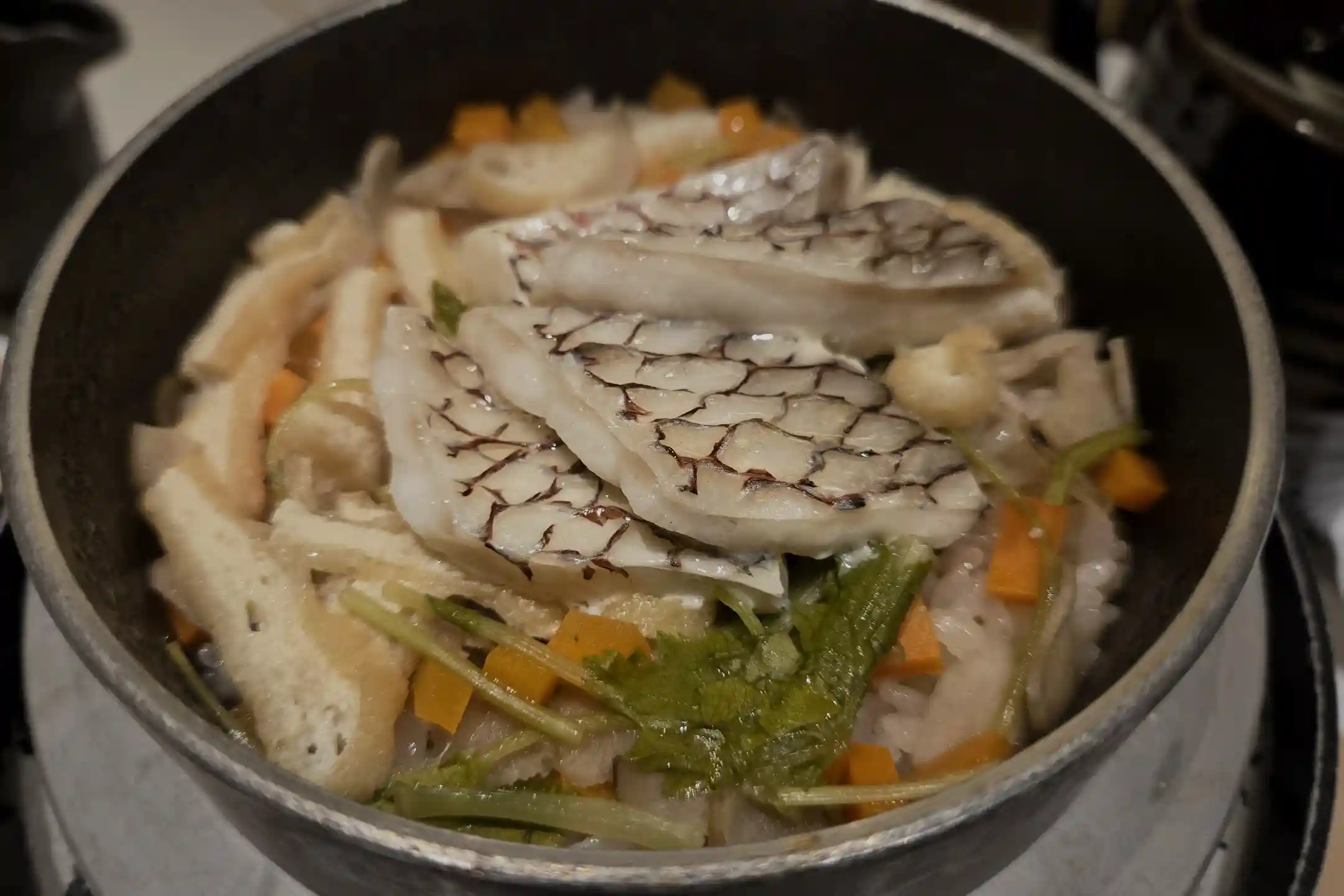
Lunch, Cut With One
A Japanese restaurant in the city whose chef works with local blades, seated where you can see the knife rather than in a room away from it. Fish handled with a blade made three streets from the counter is a different argument from reading about it.
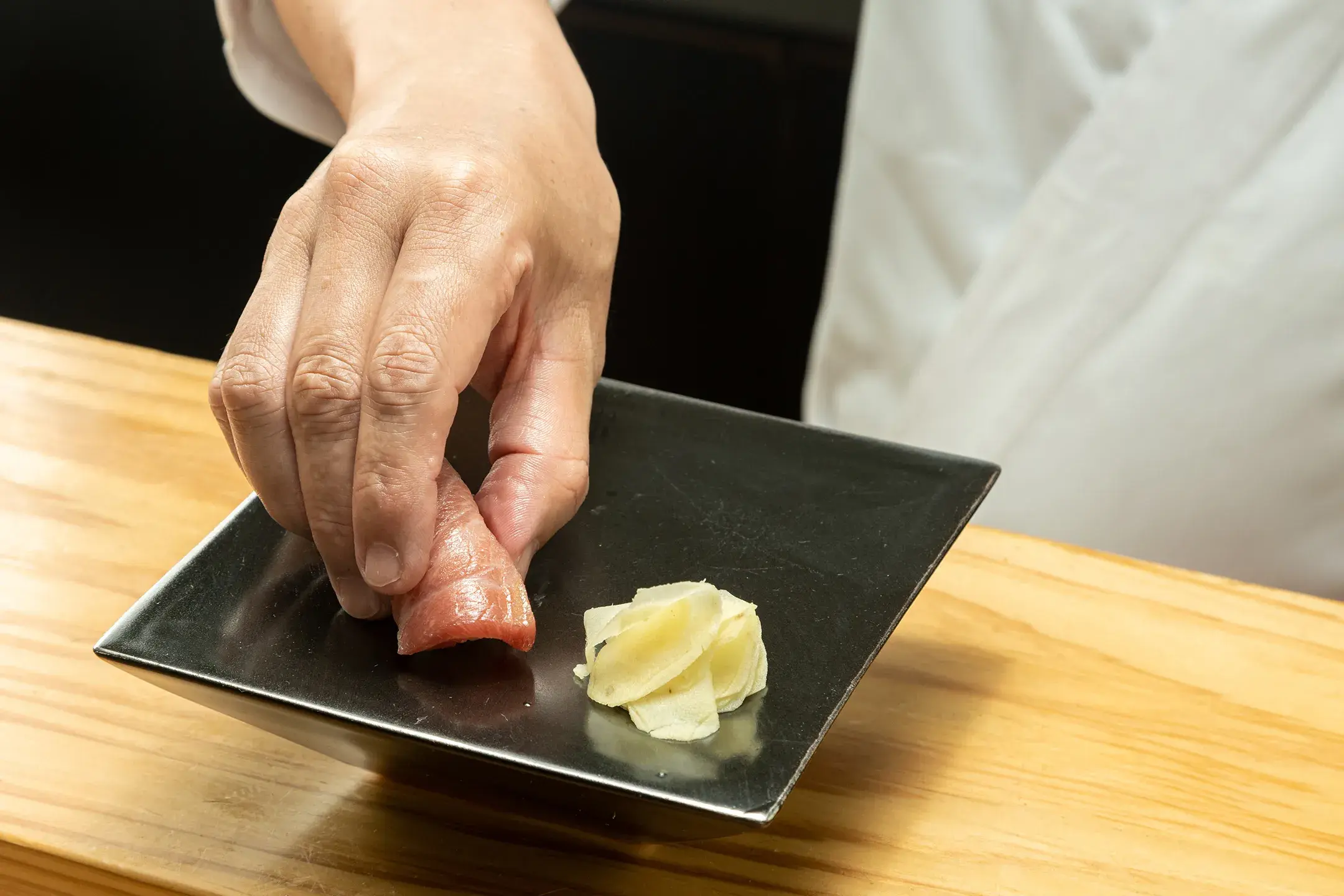
Choosing One, and Having It Finished
Not a souvenir counter. A blade chosen for what you actually cook, sized to your hand, the handle fitted and your name cut into the tang while you wait — and you do not need to cook professionally to be fitted properly. It will outlast most of the furniture in your house if you look after it, and we will show you how.
Two Mats, and a Door You Crouch Through
Tea in the city that invented the small room, with the history from the section above told where it happened rather than in a museum. The low entrance was designed so that a merchant and a warlord arrived in the same posture.
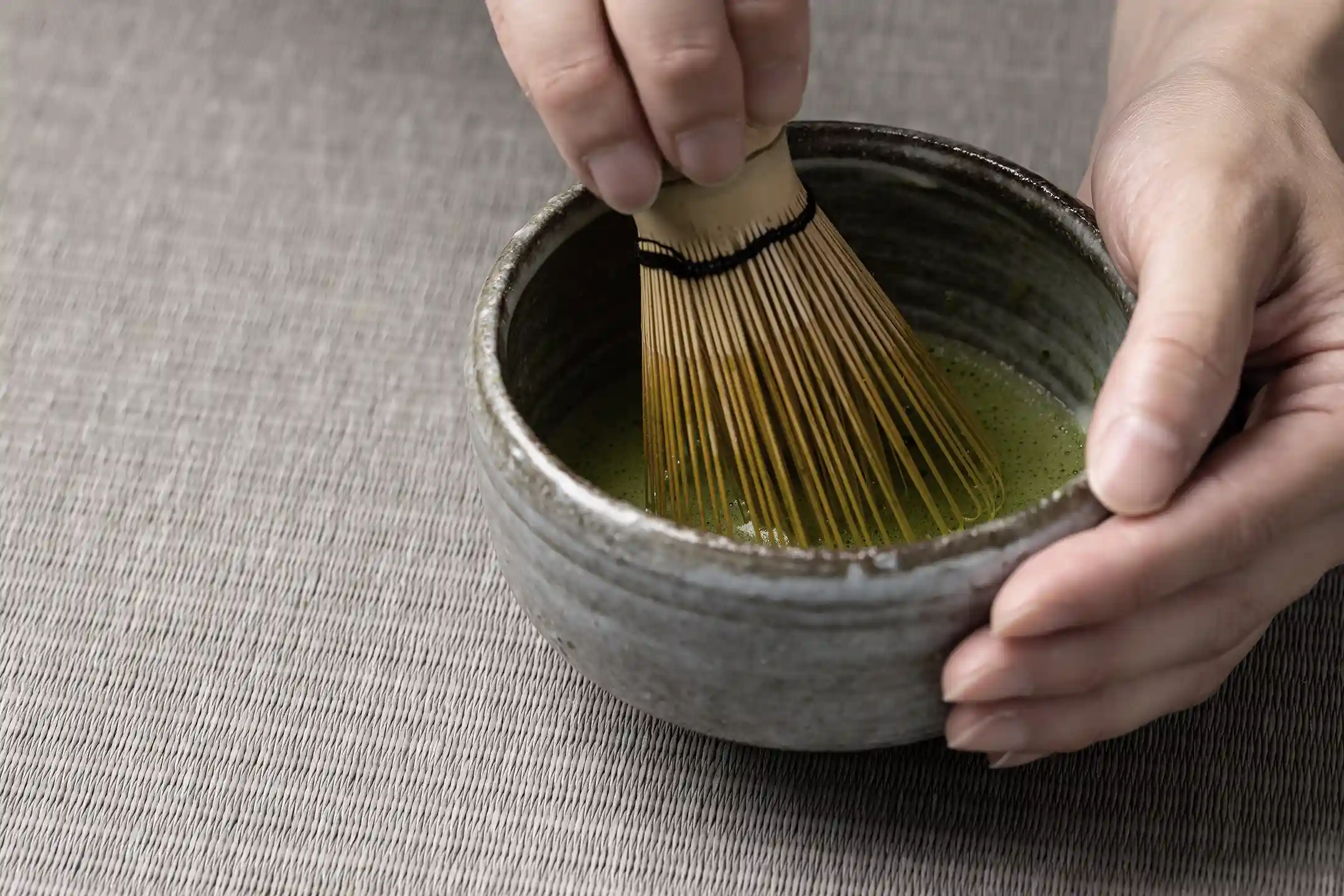
A Bowl, Where the Argument Was Had
One bowl of thick tea, prepared properly, in the tradition that was formalised a few hundred metres away. Twenty minutes, no performance, and the only part of the day that asks nothing of you.
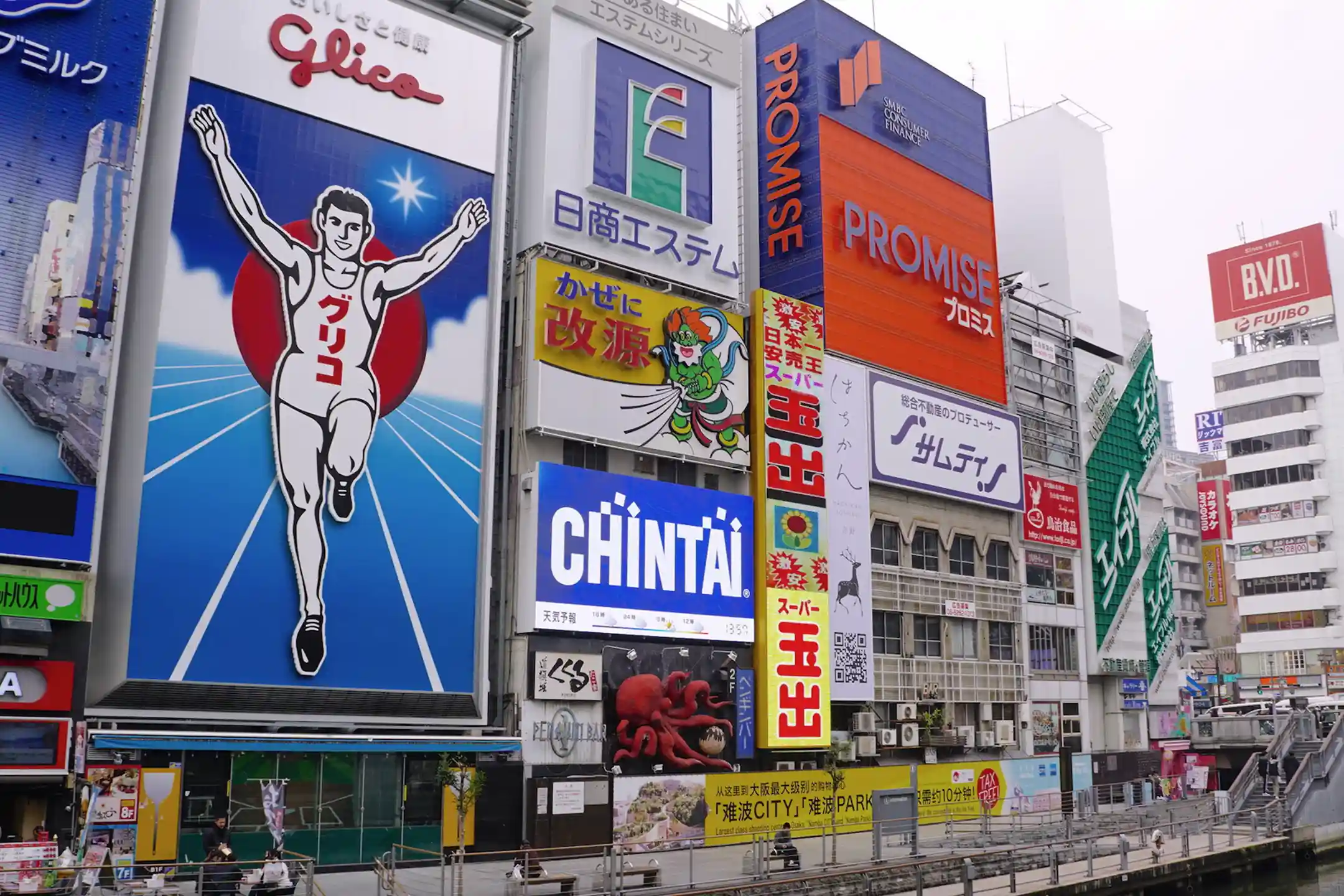
Back to Osaka
Private transfer north, timed around dinner in the city rather than a fixed departure. Or south into the hills to a hot-spring inn, which turns the day into two.
The Shape You Cannot See From the Ground
A keyhole mound is illegible at eye level — you stand at a moat and see a wooded hill. We start from a height instead, so the outline and the terraces resolve into something you can read. After that, the ground makes sense.
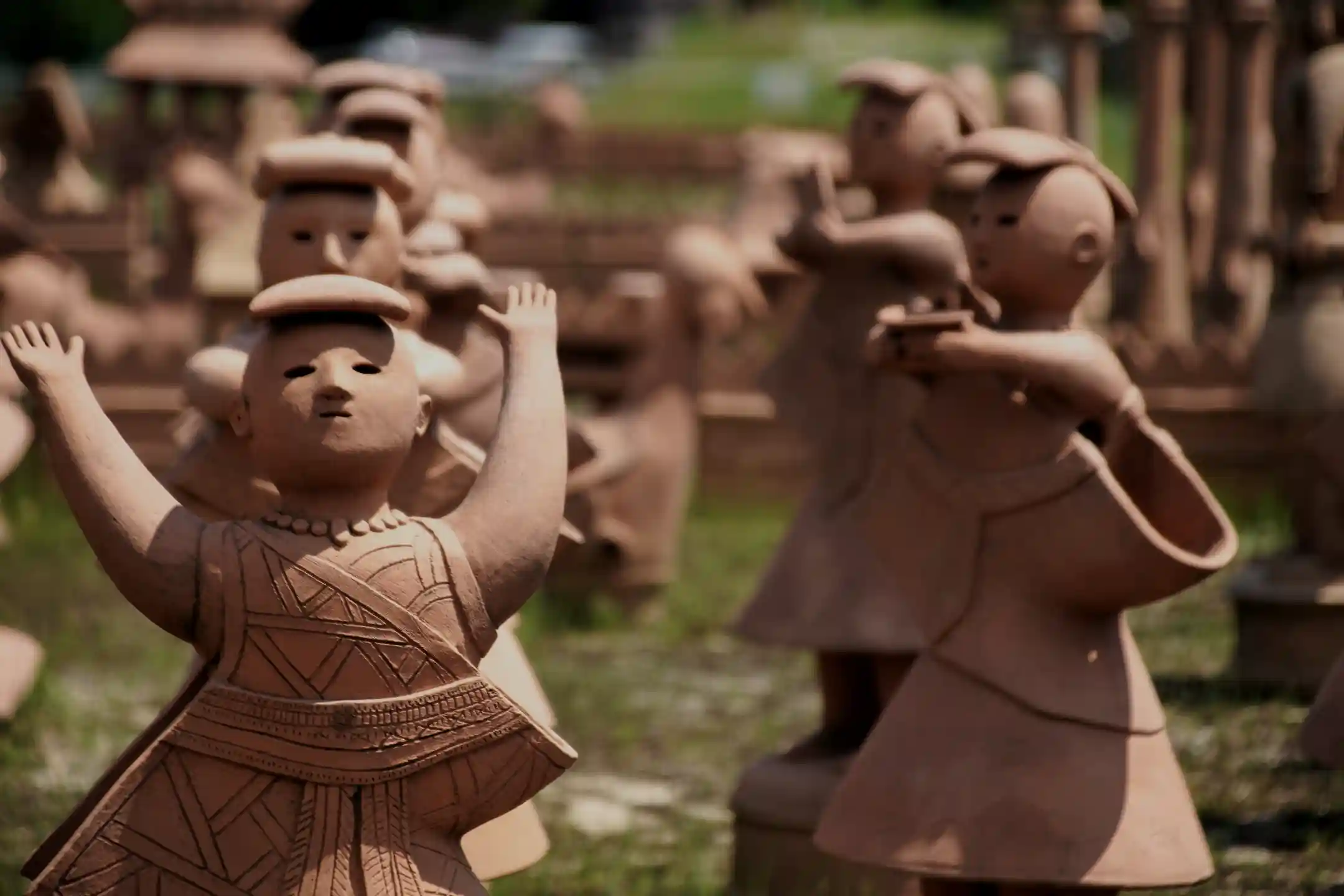
The Clay Figures
Haniwa close up: houses with their roofs modelled, boats, shields, armoured men, a woman holding a cup. The only eyewitness account of the fifth century, because the people who made them left no writing.
Three Tombs, on Foot
An arc through the group on foot or by bicycle, taking in the largest mound and two of its neighbours. Sixteen hundred years unopened, moats full of herons, a municipal road along one flank. Half a day at an unhurried pace.