


Nara: Tea Picked, Fired and Drunk Before the Day Is Out
Thirty minutes past the deer park, up in the hills of the old capital, a single working day takes a tea leaf from the branch to the cup — by your own hands, in a place where the field, the workshop and the house are still one property.
/The%20Grand%20Torii%20Gate%20overlooking%20Mount%20Miwa%2c%20Sakurai%20City%2c%20Nara%20Prefecture.webp)
About the Region
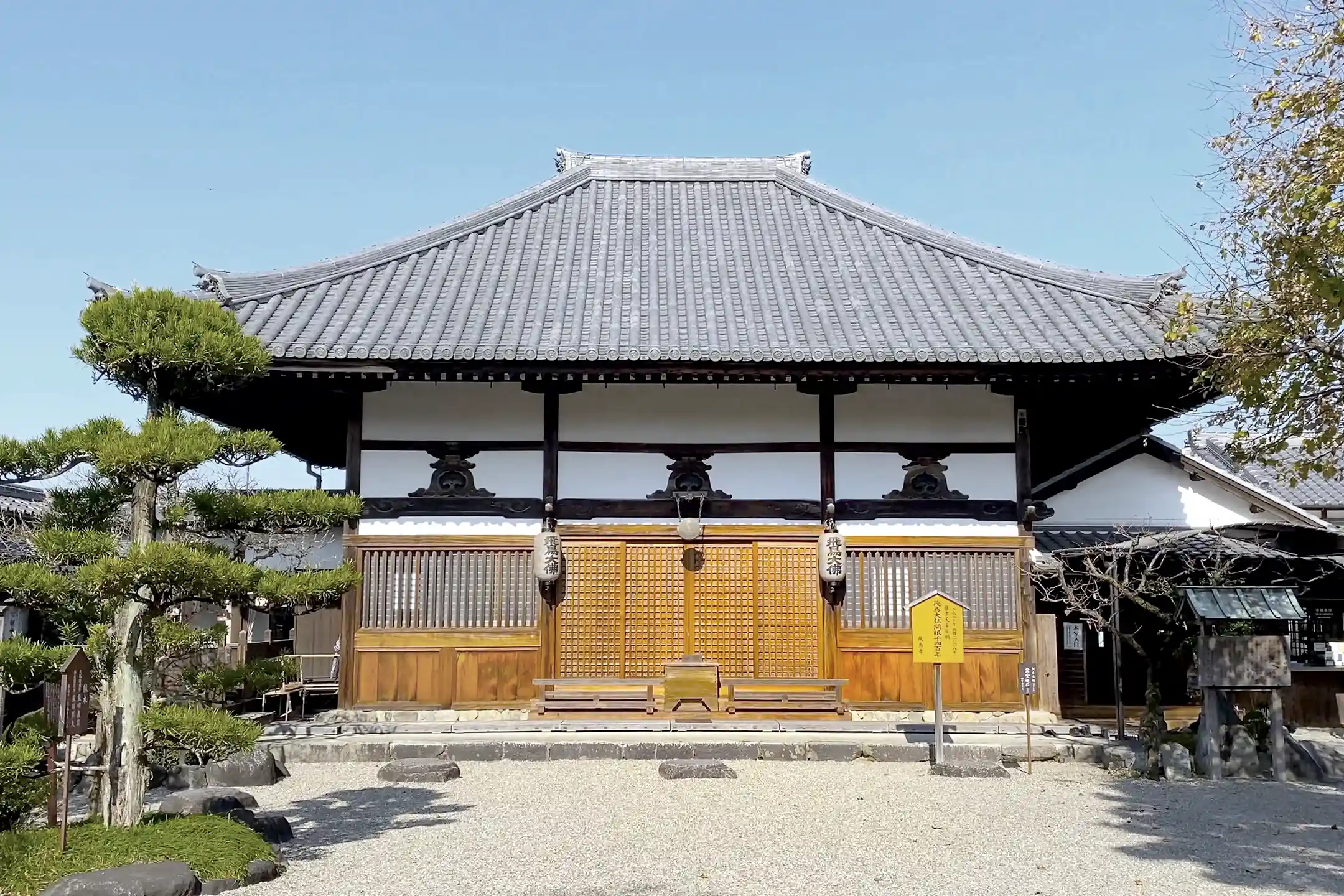
Nara was the capital before Kyoto was, and it still carries itself like somewhere that has stopped needing to prove anything. Most visitors see the temples and the deer and leave by mid-afternoon. The prefecture behind them is mountain country — steep, thinly populated, and quietly agricultural in a way the guidebooks never get to.
Half an hour by car from the station, the ground rises and the valleys narrow into terraced fields. Tea has been grown up here for centuries, in holdings small enough that the field, the drying shed and the family house often sit on the same plot. It is not a plantation landscape. It is somebody's back garden, at scale.
History
Almost all Japanese green tea today is steamed — a method that spread in the eighteenth century and now defines the flavour most people abroad think of as "Japanese tea". Before it, leaves were fired in an iron pan over a wood fire, the way tea had been made on the continent for centuries. Pan-firing survives in Japan only in pockets, mostly inland and mostly in places too small to industrialise.
What it gives you is a different tea entirely: rounder, a little toasted, without the marine edge that steaming brings. And because the pan is worked by hand, no two batches are quite the same — which is precisely why it is worth making one yourself rather than being shown one.
The Experiences
Nature & Onsen
A Working Tea Field, Before the Day Warms
 Craft
Pan-Firing, by Hand, Over a Wood Fire
Craft
Pan-Firing, by Hand, Over a Wood Fire
 Zen & Temple
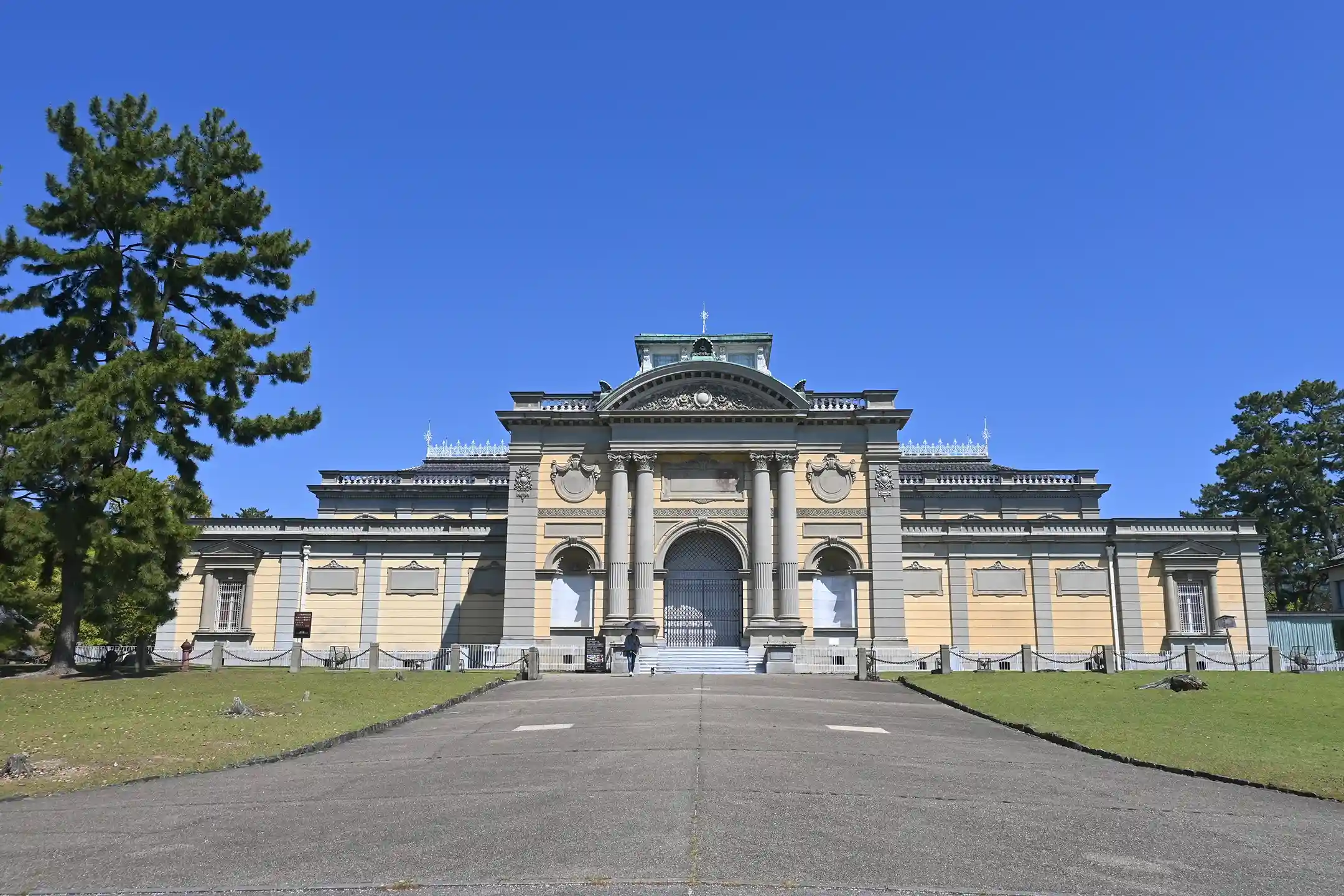
The Old Capital, Walked Before the Crowds
Zen & Temple
The Old Capital, Walked Before the Crowds
Itinerary Preview
Pickup in Nara
A private car from your hotel or from Nara Station, with an English-speaking interpreter who stays with you all day — one who knows tea, not a general guide. The road climbs for about thirty minutes and the town drops away behind you.
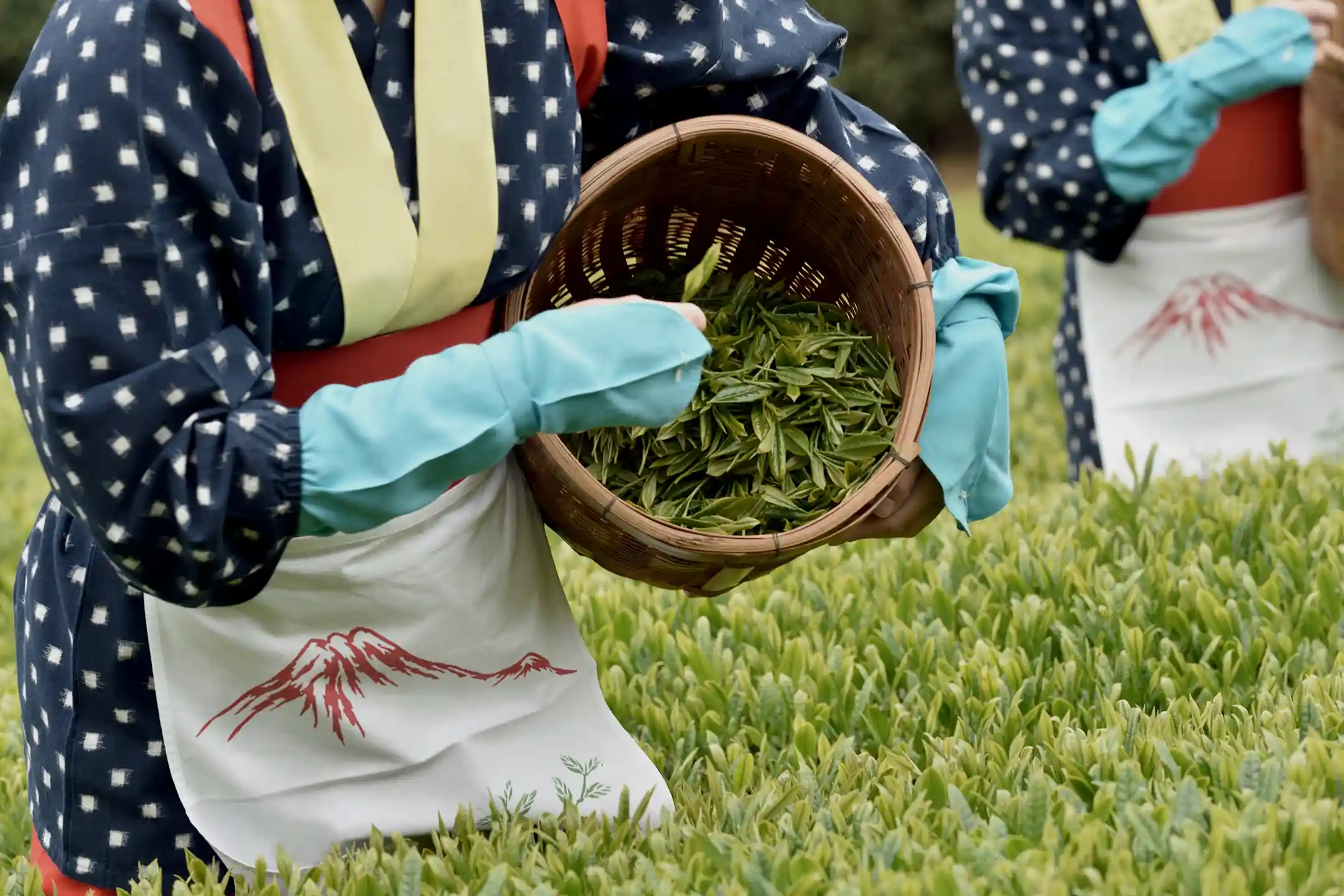
Into the Field
Picking starts as soon as you arrive. Two leaves and a bud, the same instruction given here for generations, and about an hour before your hands learn what the phrase actually means.
.webp)
What the Leaf Is Doing
A sit-down in the shade while the picked leaf wilts: where this tea sits among Japan's others, why the pan and not the steamer, and what the soil here does to the taste. Questions, not a lecture.
Lunch, Where You Are Standing
A boxed lunch eaten on site rather than a drive back down for a restaurant. Dietary requirements are arranged in advance; the day does not pause for long.
Firing, by Hand
Into the workshop. The leaf goes into an iron pan over a wood fire, and you turn it — too hot and it scorches, too cool and it stews. Then rolling, then drying. This is the part that takes the longest and teaches the most.
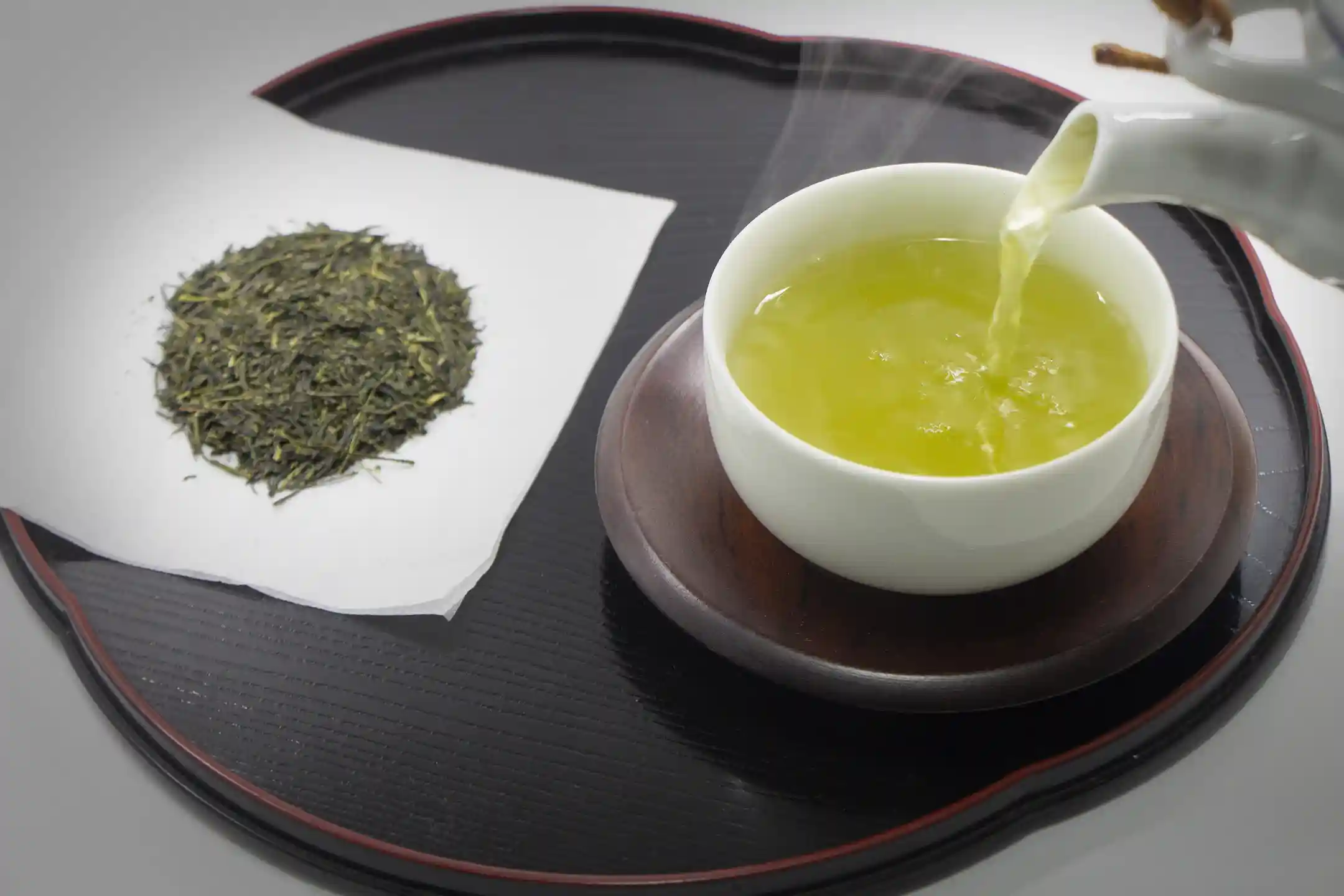
The First Cup
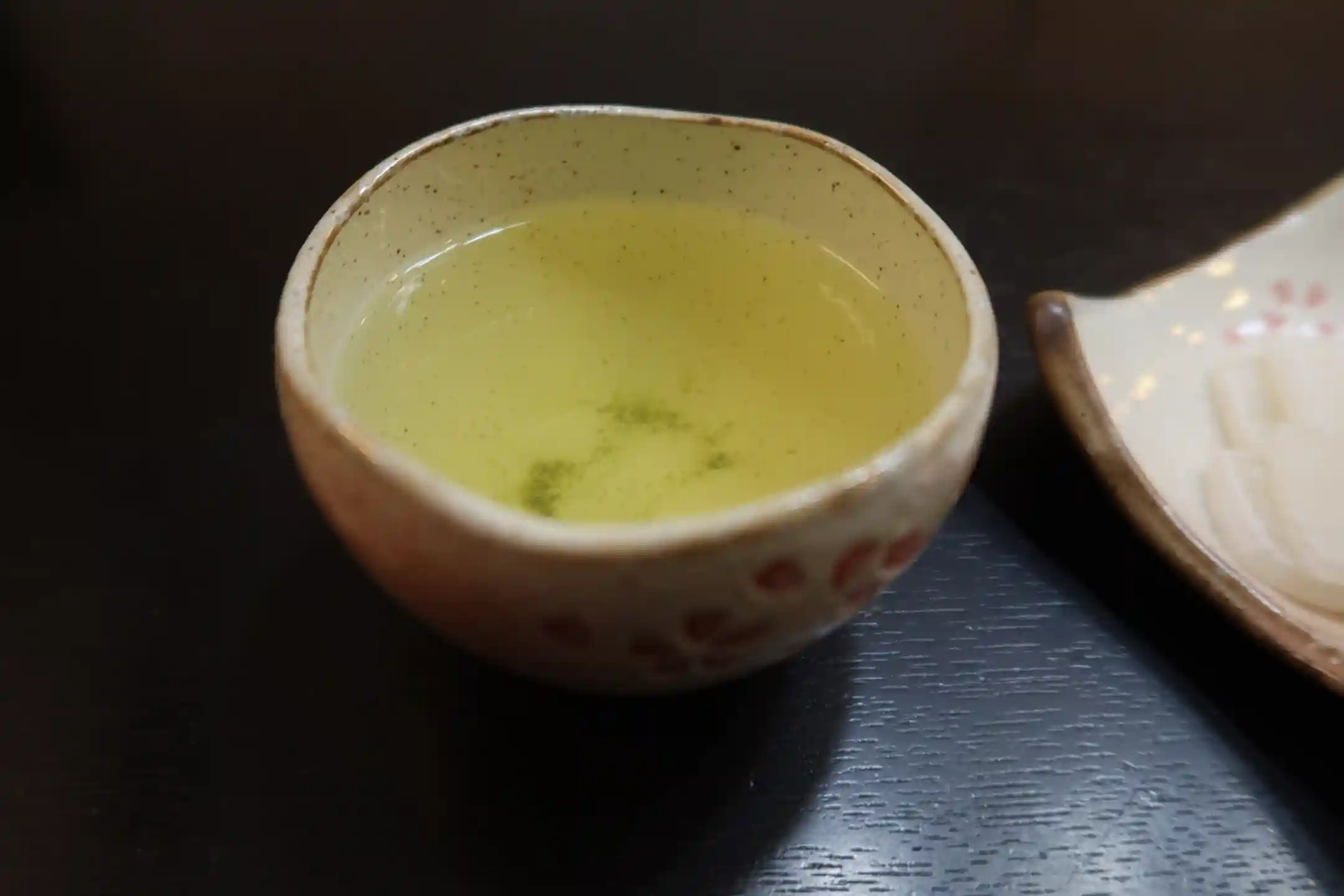
Your own tea, brewed and drunk on the spot, six hours after it was on the branch. Most people find they can taste their own mistakes, which is the point.
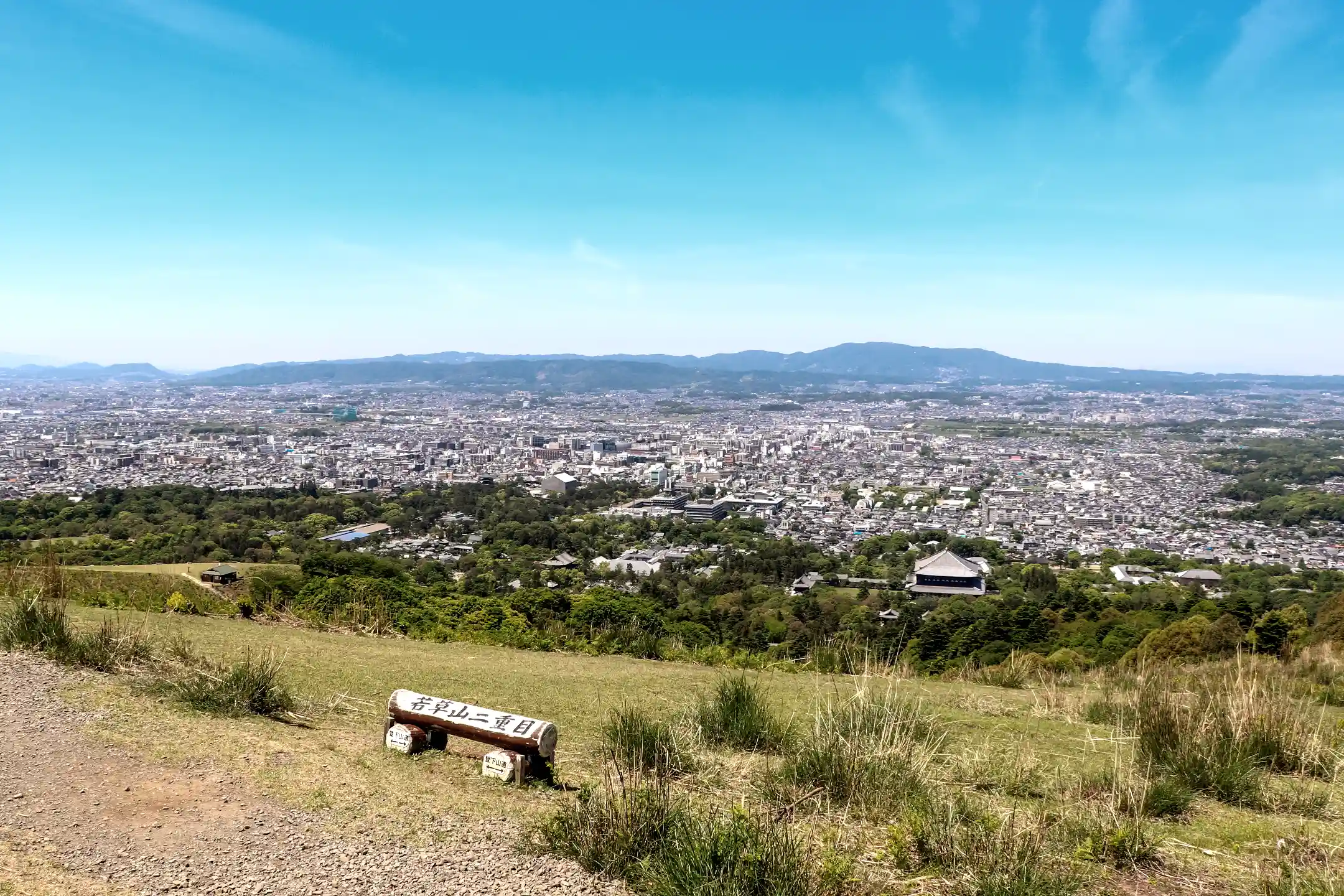
Down to Nara, or On to Kyoto
Private transfer back, with what you made packed to take with you. The day ends early enough to have dinner in either city.