


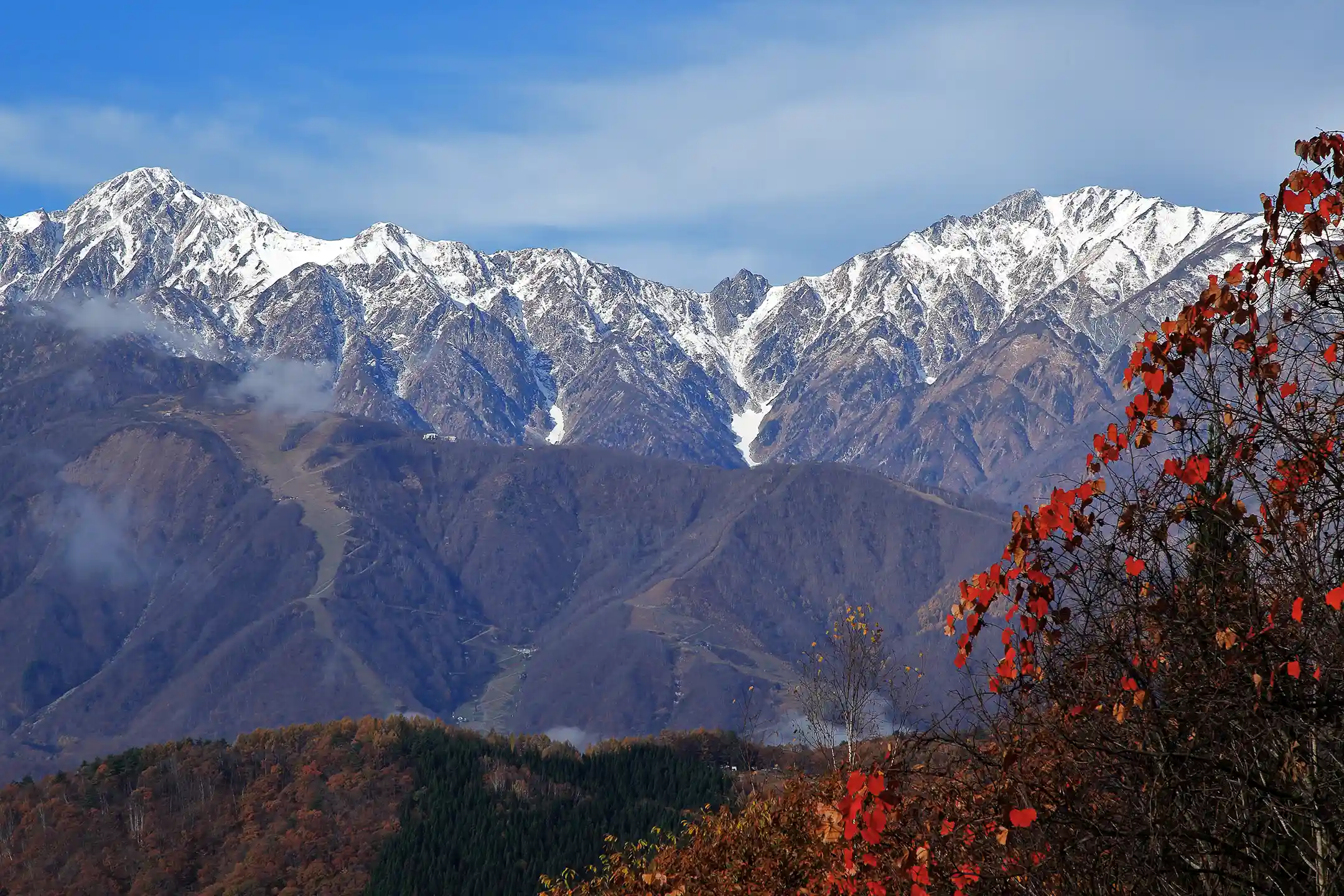
Nagano: A Snow Village Where the Baths Belong to the Neighbours
Thirteen communal bathhouses, each one kept by the households on its own lane. A sake house that already opens its cellar. A beech forest that is a different place in every season. Two hours and a little from Tokyo, and almost nobody from abroad in any of it.
About the Region
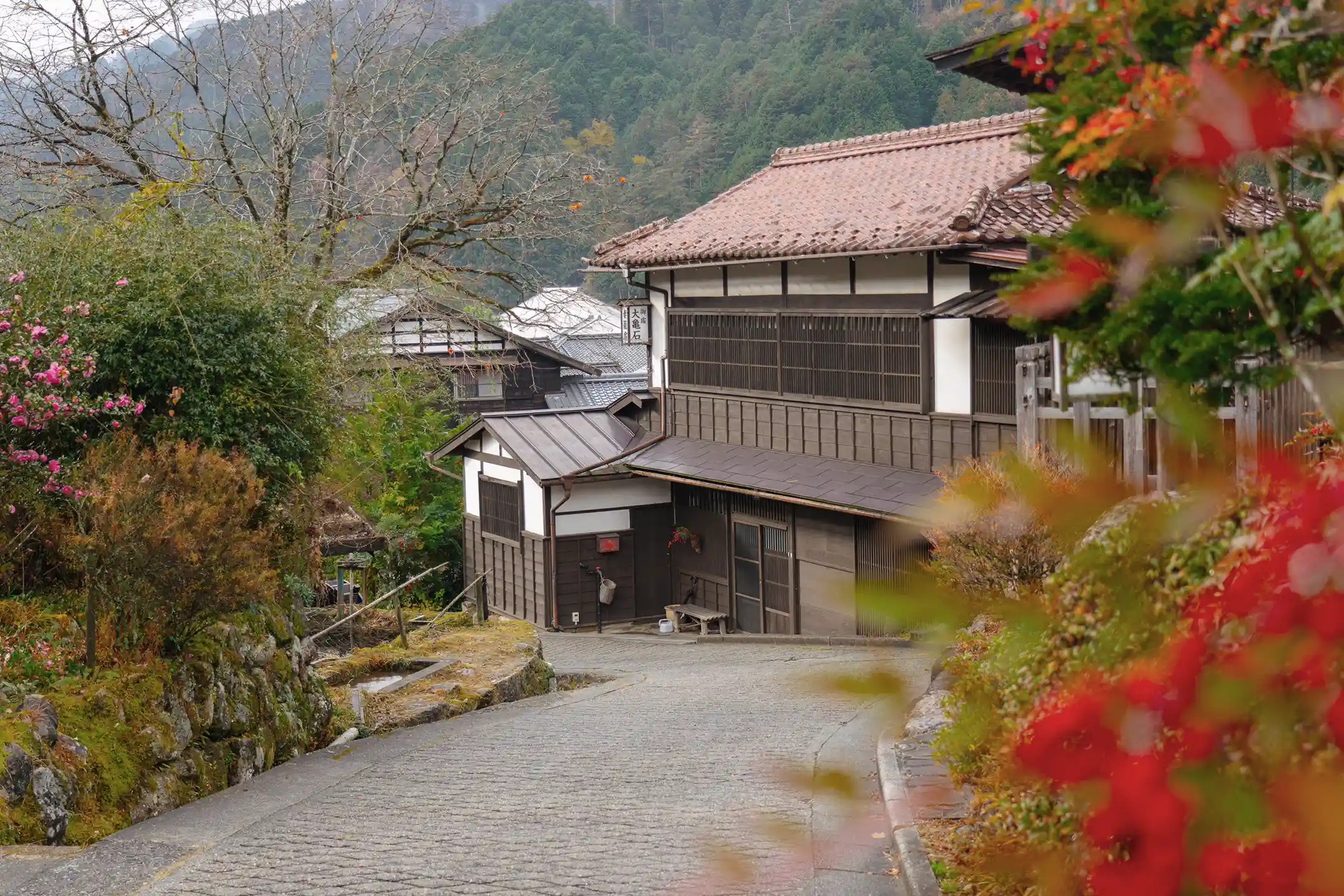
Northern Nagano is snow country in the literal sense: the mountains here take one of the heaviest snowfalls of any inhabited place on earth, and the villages tucked into them were built around that fact rather than in spite of it. Roofs are steep, lanes are narrow, and hot water comes out of the ground at a temperature that makes winter survivable.
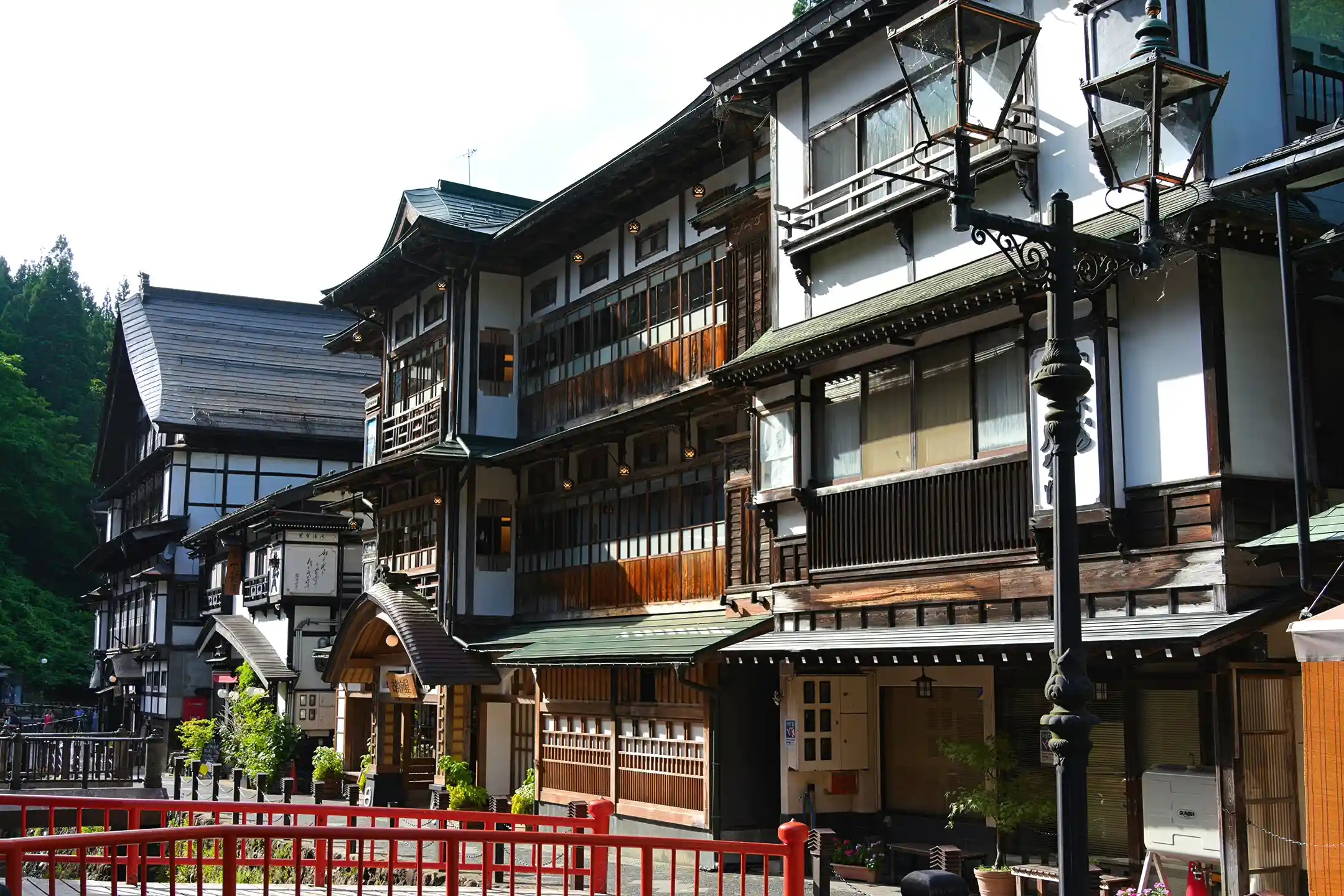
What makes the village in this itinerary unusual is not the snow or even the water. It is that the bathhouses were never commercialised. They are still owned and cleaned and heated by the neighbourhood associations whose houses surround them — the same arrangement, in outline, as three hundred years ago. Visitors are welcome, but as guests of a household system, not as customers.
History
Japanese villages with abundant hot water developed a system called yu-nakama — literally "hot water companions". A bathhouse belonged not to an owner but to the group of households nearest it. They paid for the upkeep, drew the rota for cleaning, decided who held the key and settled disputes about it. Membership passed down with the house, not with the person.
Almost everywhere the system was absorbed by municipalities or sold to hotels. In a handful of places it survived, and where it did, the bathhouse remains the thing the street is organised around. Understanding that is the difference between having a nice soak and understanding why a village of a few thousand people has thirteen of them.
The Experiences
 Onsen
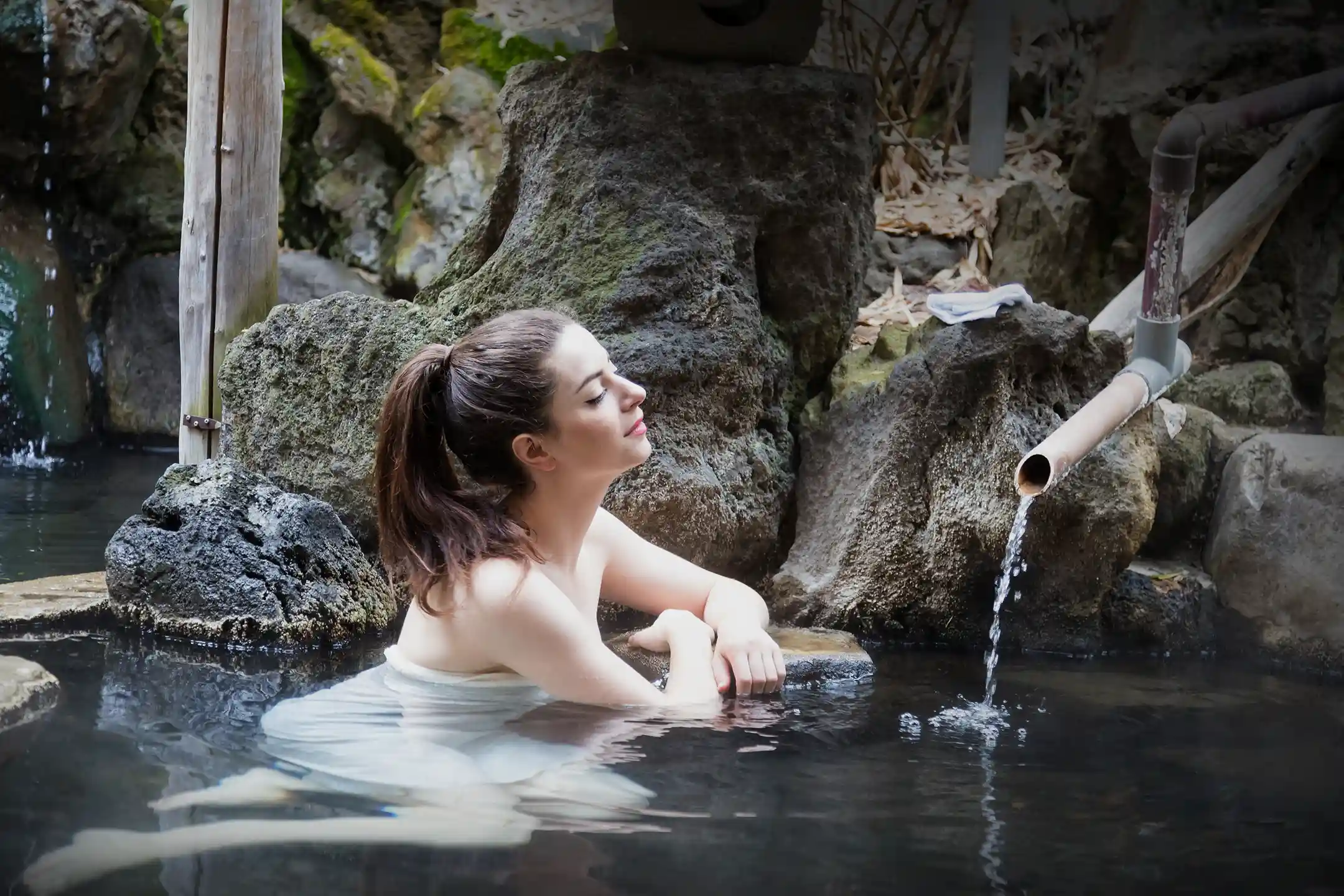
A Communal Bath, Entered the Way the Village Does
Onsen
A Communal Bath, Entered the Way the Village Does
 Sake
Cellar Work at a Snow-Country Sake House
Sake
Cellar Work at a Snow-Country Sake House
 Nature
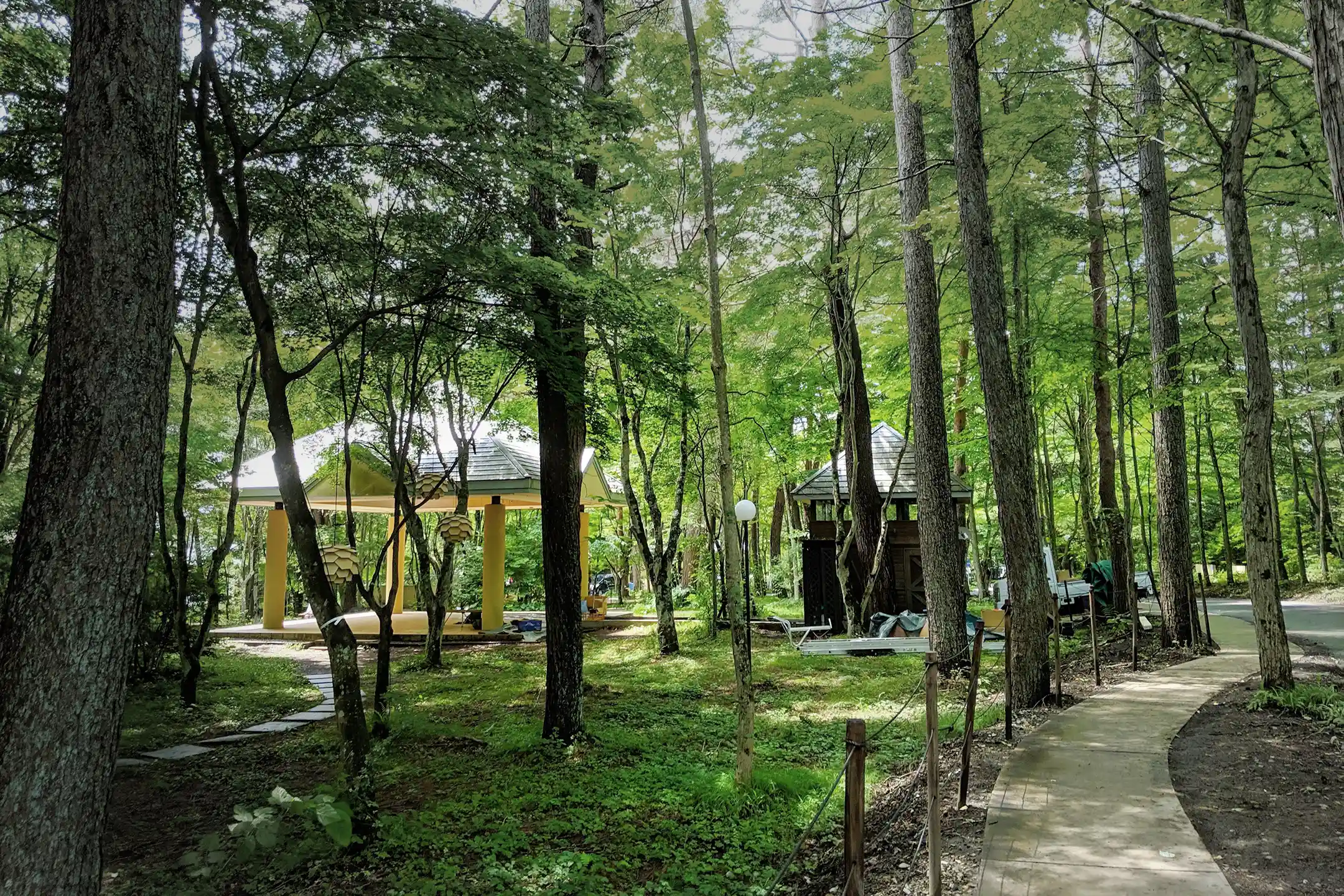
Beech Forest, Walked With Someone Who Knows It
Nature
Beech Forest, Walked With Someone Who Knows It
Itinerary Preview
Pickup in Tokyo
Private transfer from your hotel with an English-speaking guide for the full two days. The route north takes a little over two hours, and the landscape changes completely somewhere in the middle of it.
Arrival, and the Lie of the Lanes
A slow walk through the village with the local coordinator before you do anything else — which bathhouse belongs to which lane, where the water comes up, why the roofs are shaped the way they are. Twenty minutes that make the rest of the stay legible.
The First Bath, and Dinner
Into one of the communal bathhouses at the hour the neighbourhood uses it, with someone who can explain the etiquette before rather than after. Dinner follows at your lodging, with sake from the village itself.
Beech Forest, Before the Village Wakes
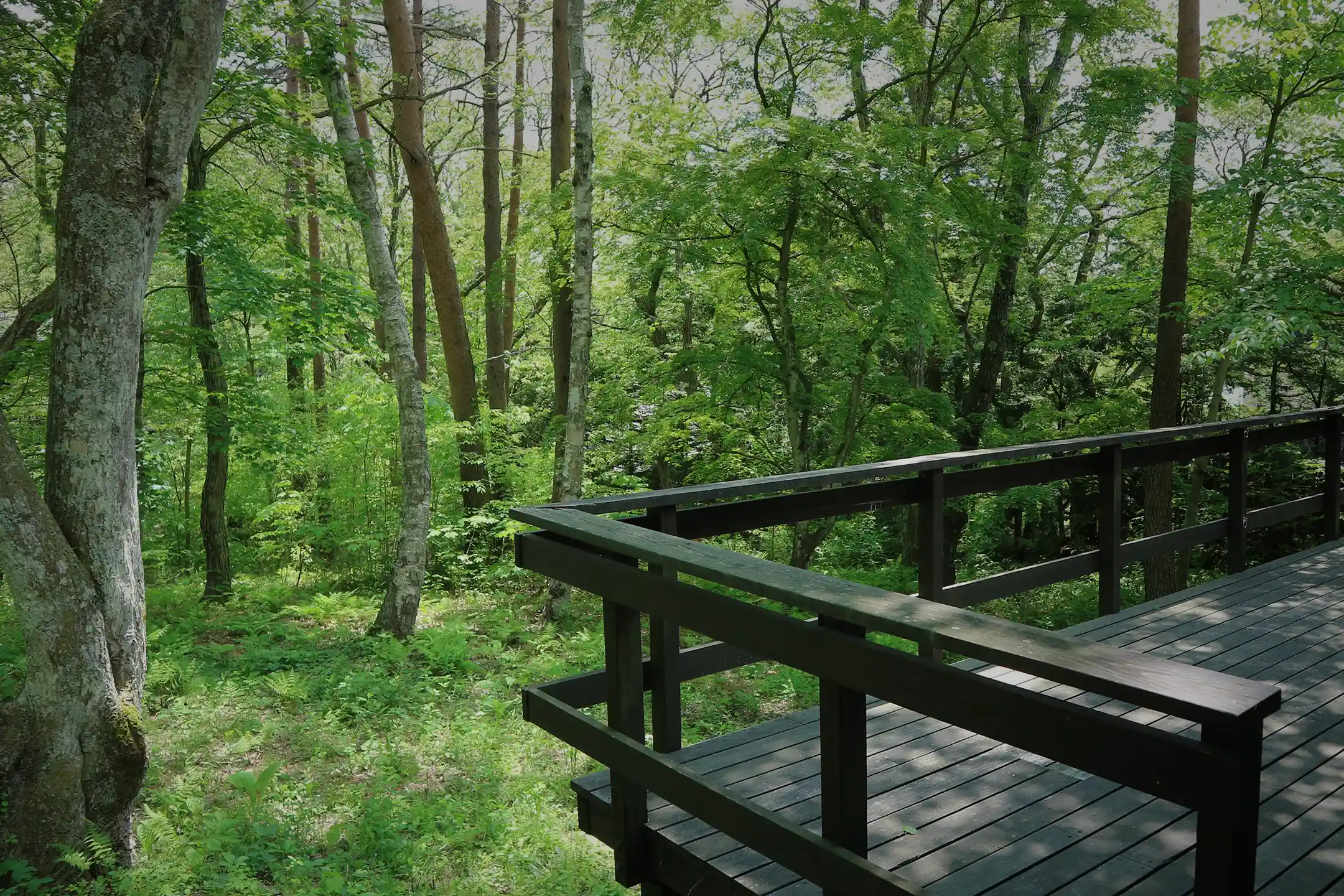
A guided walk into the beech woods above the village. In winter on snowshoes; in other seasons on foot. The pace is set by what there is to look at, not by distance.
Lunch in the Village
Somewhere small, arranged in advance. Mountain vegetables, buckwheat, and whatever the season is doing.
%2c%20Ochoko%20(Cups)%2c%20and%20Rice%20Ears.webp)
Inside the Cellar
A working session at a sake house rather than a tasting: the cold room, the rice, the way the brewer reads a batch by smell. In the brewing season you take part in some of it.
A Young Distillery, Same Water
A short stop at a small distillery working with the same snowmelt as the brewery — gin and whisky made a few hundred metres from a three-hundred-year-old bathhouse, which is a fair summary of the village.
Back to Tokyo
Private transfer south, timed around your onward plans rather than a fixed departure.