


Kyoto: A Sub-Temple Shut Most of the Year, and a Meal Cooked Inside It
A sub-temple of one of Rinzai Zen's head monasteries, closed to the public outside a few weeks in spring and autumn — and opened for one afternoon because someone knows the family who live in it. A Kyoto chef of twenty-odd years cooking there with you: market first, then dashi, then rice in a clay pot, eaten in a room most people never see.
About the Region
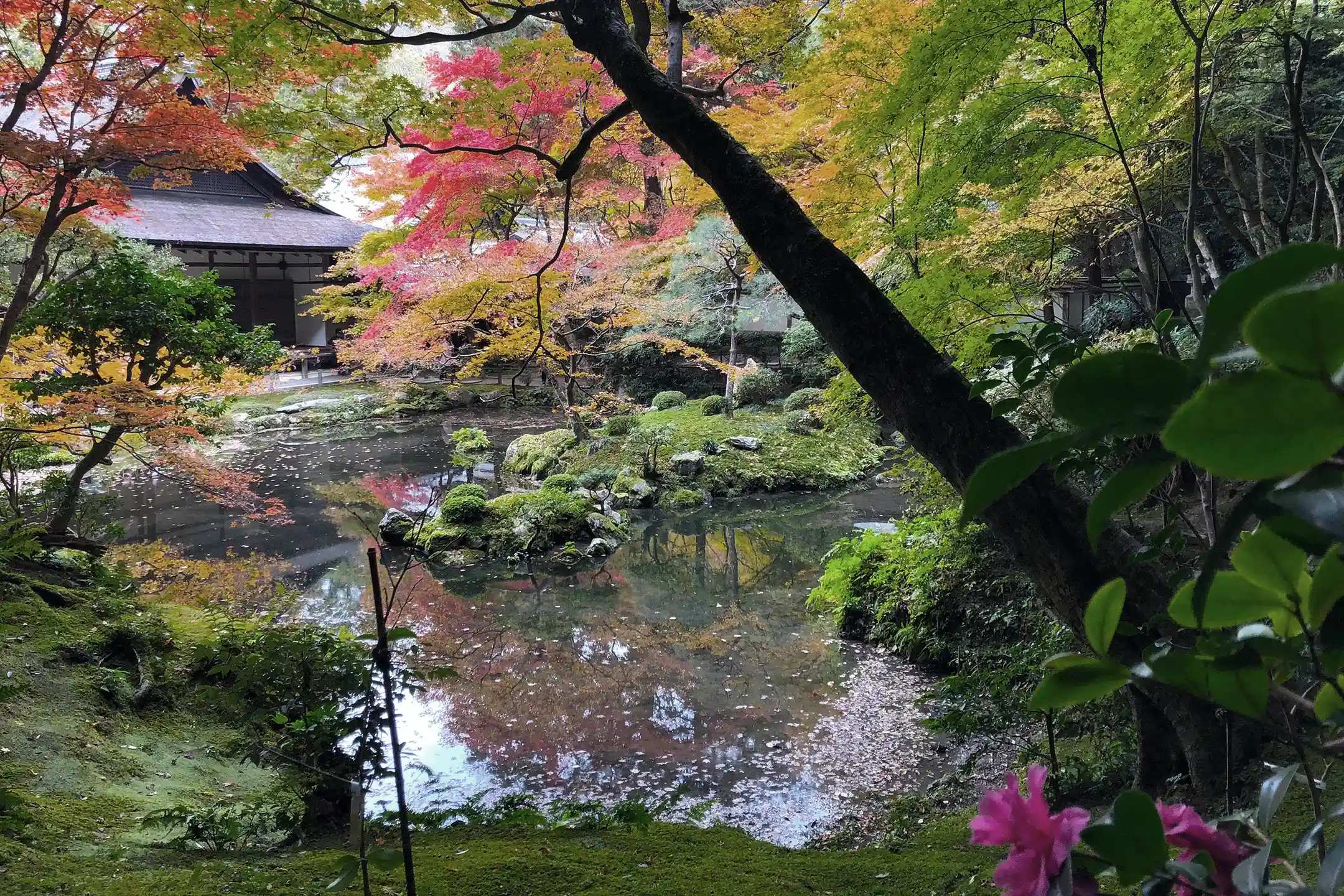
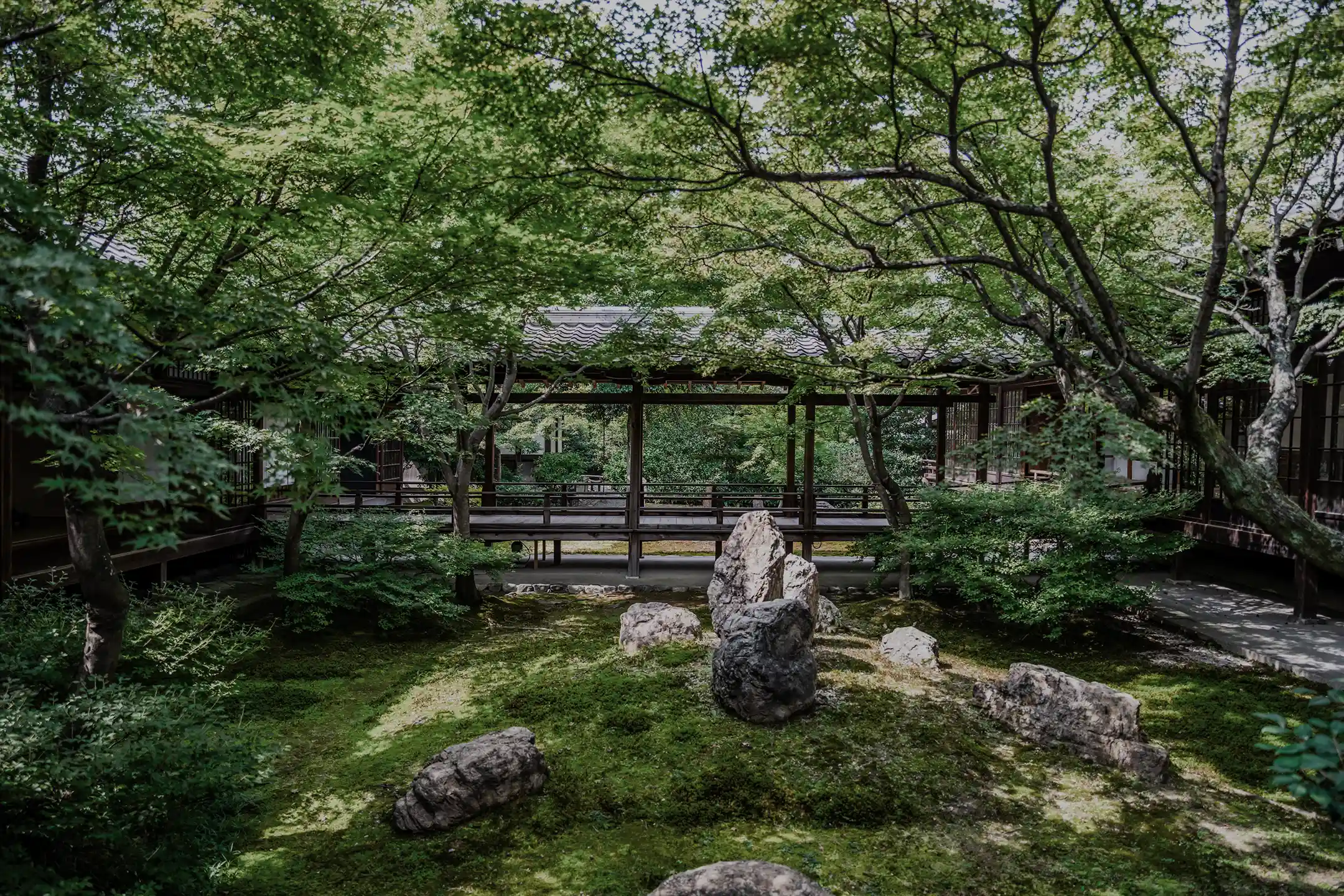
Kyoto's great Zen monasteries are not single buildings. Each is a walled precinct containing dozens of tatchū — sub-temples, founded over the centuries by individual masters, each with its own hall, its own garden and, usually, its own resident family. A handful receive visitors all year. Most open for a few weeks in spring and autumn, if at all, and they are the interesting ones: still lived in, still maintained, still holding the paintings and the objects they were built around.
That is the setting this itinerary uses, and on a day outside the public weeks. Not a temple that receives guests as part of its income, but one that ordinarily doesn't, opened for an afternoon because of a relationship rather than a fee. It also sits away from the city's main sightseeing route, which is why it stays quiet even when it is open. Everything else the day contains — the market, the chef, the meal — is arranged to suit the room, which is the right way round.
%20at%20Rurikoin%20Temple%2c%20Kyoto.webp)
History
The rooms in a sub-temple are defined by their sliding doors. Fusuma are not decoration added to a finished space — they are the walls, and painting them was a commission on the scale of a chapel ceiling. Schools of temple painters worked on nothing else for generations, and the work is still done: there are artists today whose entire practice is painting the doors of temples, in the same pigments, at the same scale, for rooms that almost nobody will enter.
Which is the strange thing about a closed sub-temple. The paintings are new enough to have a living author and old enough in method to be indistinguishable from the ones beside them, and they exist for a congregation of a few dozen people a year. Seeing them is worth as much as the meal.
The Experiences
 Tea & Kaiseki
The Market, Walked With the Person Cooking
Tea & Kaiseki
The Market, Walked With the Person Cooking
 Tea & Kaiseki
Dashi, Drawn Properly, Once
Tea & Kaiseki
Dashi, Drawn Properly, Once
 Zen & Temple
Sitting, Before the Meal
Zen & Temple
Sitting, Before the Meal
Itinerary Preview
The Market, With the Chef
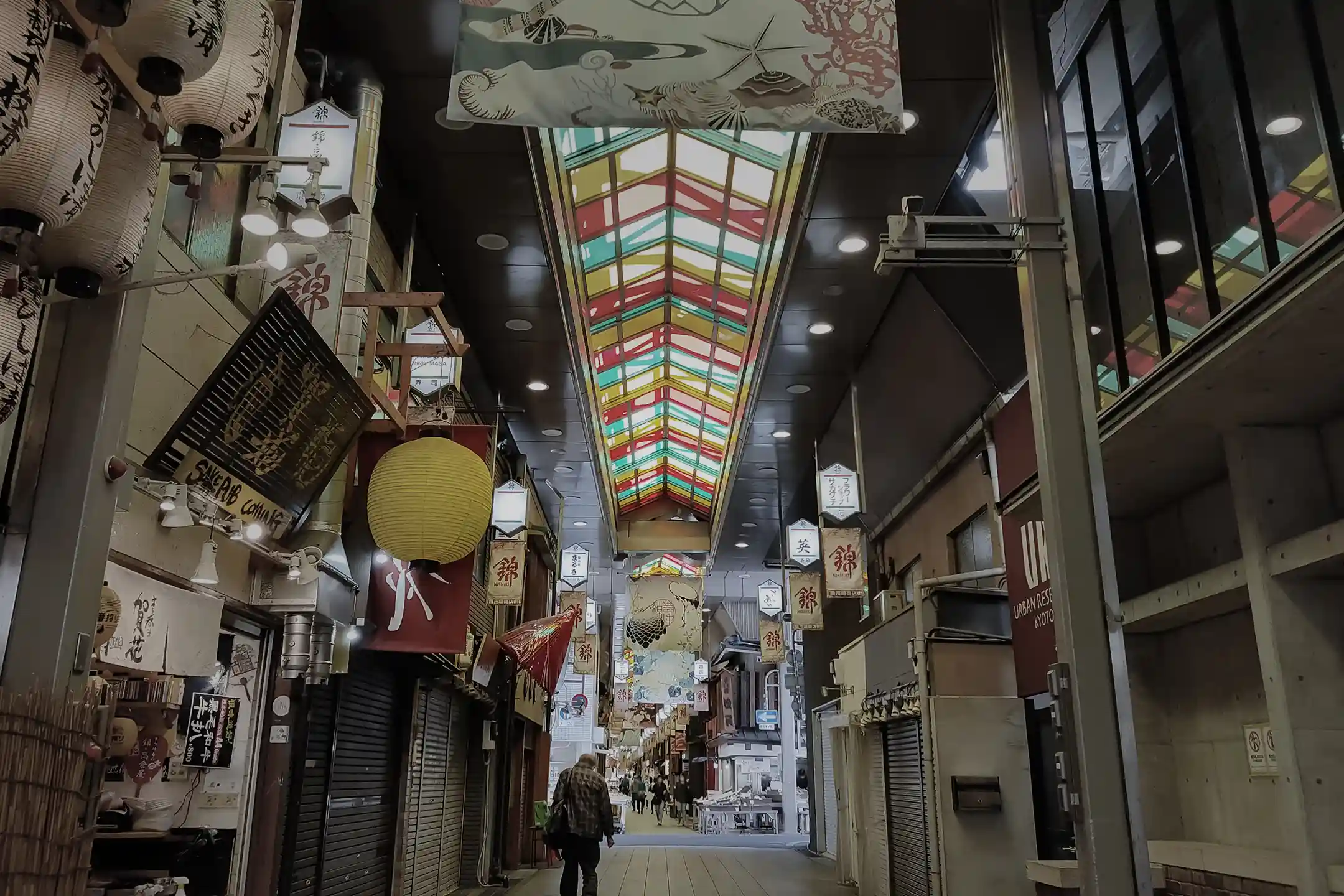
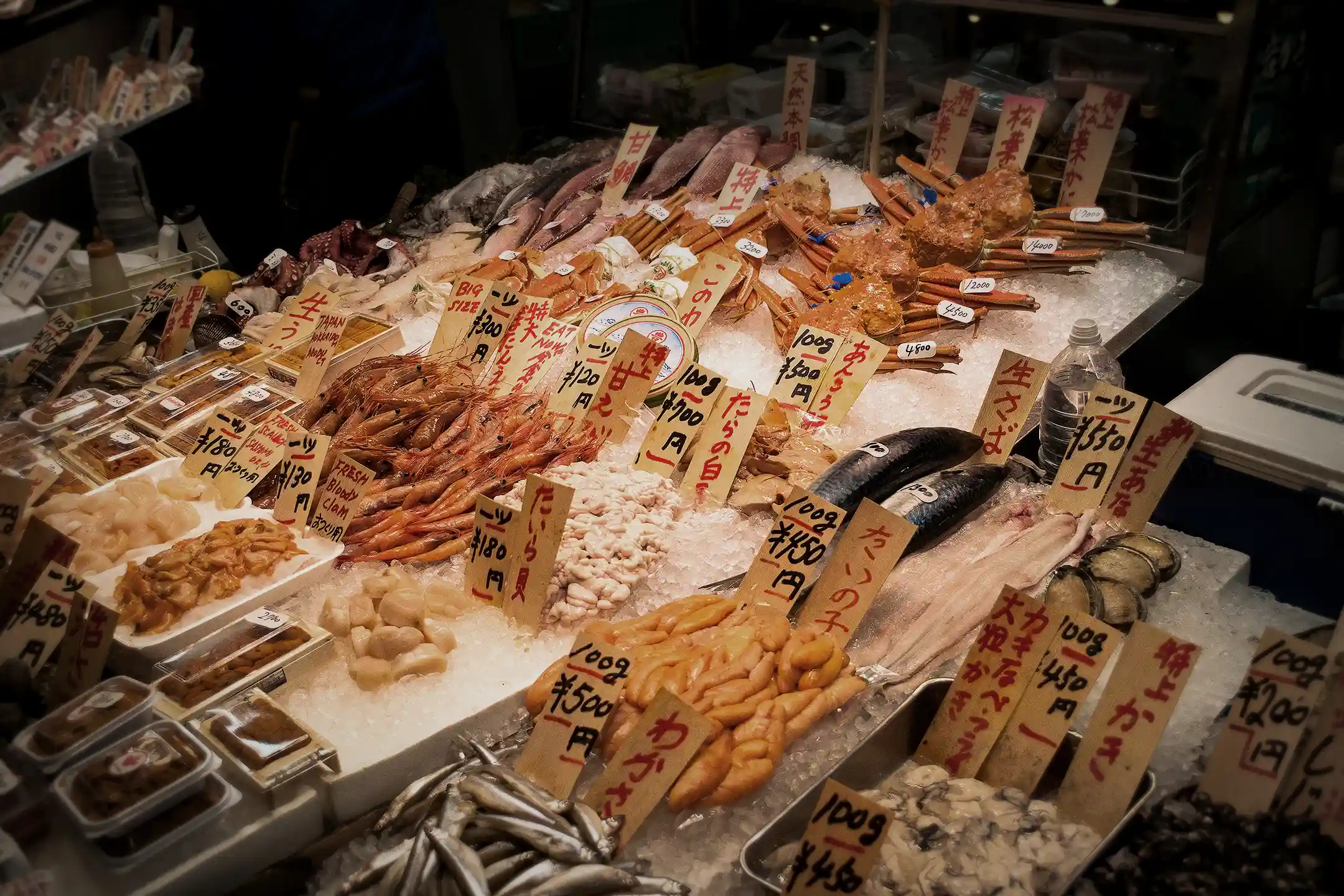
You meet the chef at a market rather than at a restaurant, and shop for the meal you are about to cook. What is good today decides what you eat — which is an unremarkable idea until you watch someone with twenty years of practice do it in fifteen minutes.
Through the Monastery Gate
Into the precinct, past the sub-temples that receive visitors, to one that is shut for all but a few weeks of the year. Shoes off in an entrance hall that has been swept for four hundred years by somebody who lives there.
The Painted Doors
Before anything is cooked, the rooms. The sliding-door paintings are explained by someone who can say who painted them and why those subjects — a quarter of an hour that changes how the rest of the day sits.
Dashi
Kombu and katsuobushi, water at the right temperature, and the one part of Japanese cooking that cannot be faked. You draw it yourself, taste it beside his, and understand the gap.
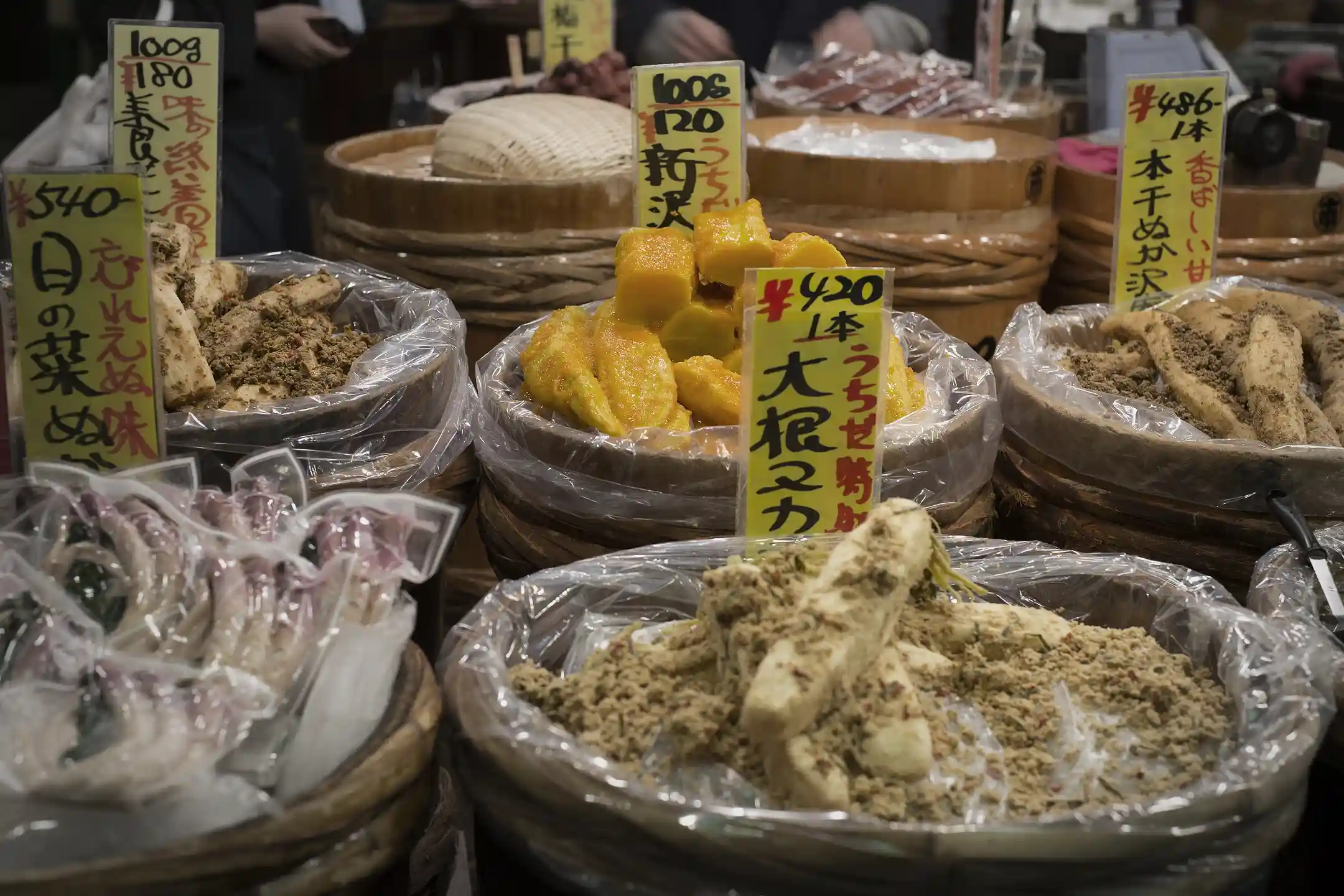
Rice in a Clay Pot, and the Kombu Again
The kombu from the dashi is simmered down into tsukudani rather than thrown away, and rice goes into a donabe over a flame. Nothing is wasted and nothing is complicated, which is the whole argument of the cuisine.
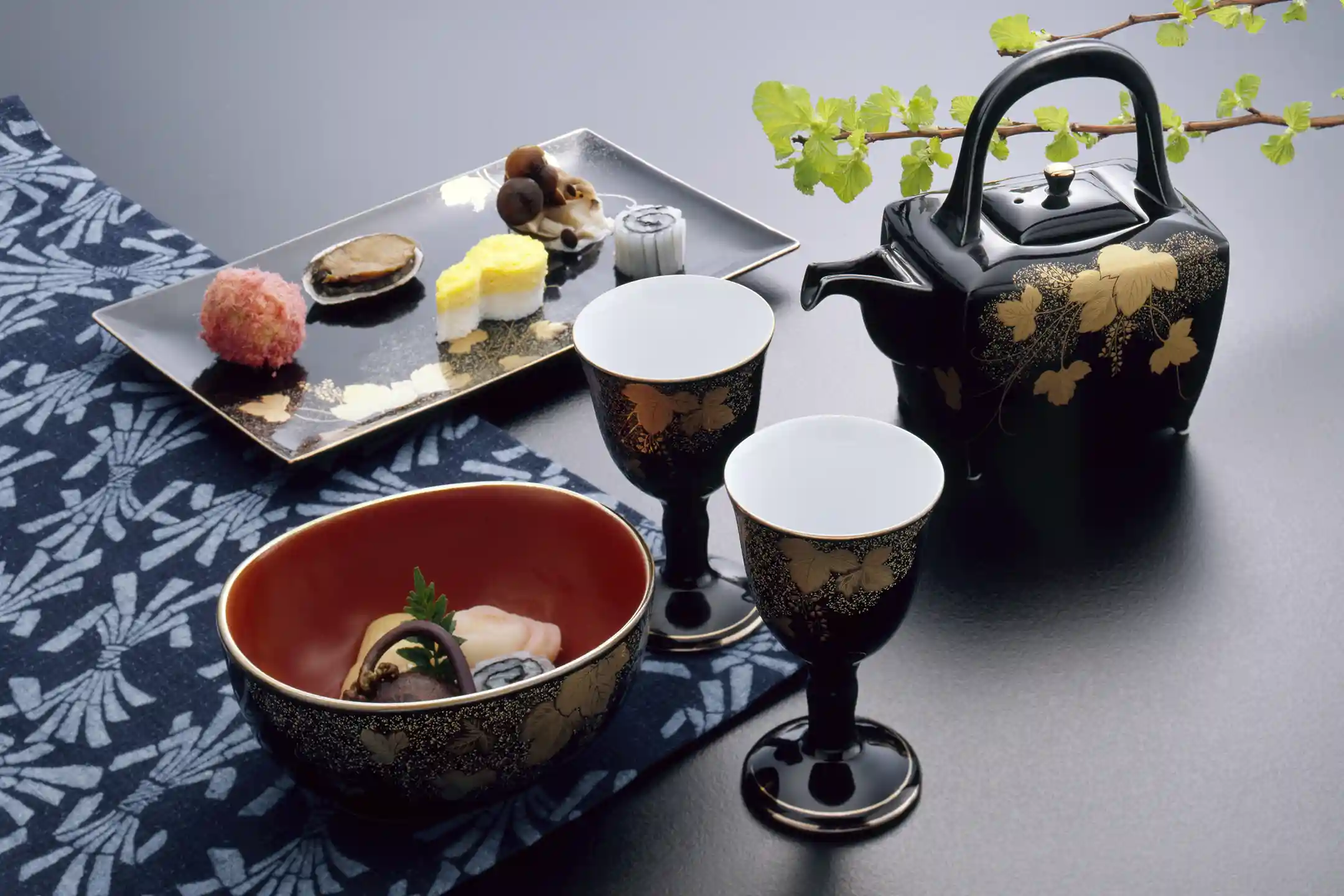
Eating It, Where You Made It
One soup and one dish, eaten in the room with the painted doors open onto the garden. This is the part of the day that people describe afterwards in the fewest words.
Sitting, If You Want To
The monastery is a working Rinzai one. Where it can be arranged, the day either opens or closes with seated meditation — thirty minutes, properly instructed, not a photo opportunity.