


Kyoto: A Hundred-Year Townhouse, Opened for One Evening
Not a room booked inside something larger — a whole wooden machiya taken for the night. Its own neighbourhood walked by daylight, tea in the courtyard, then shamisen and drums in a room built long before either had an audience this small.
About the Region
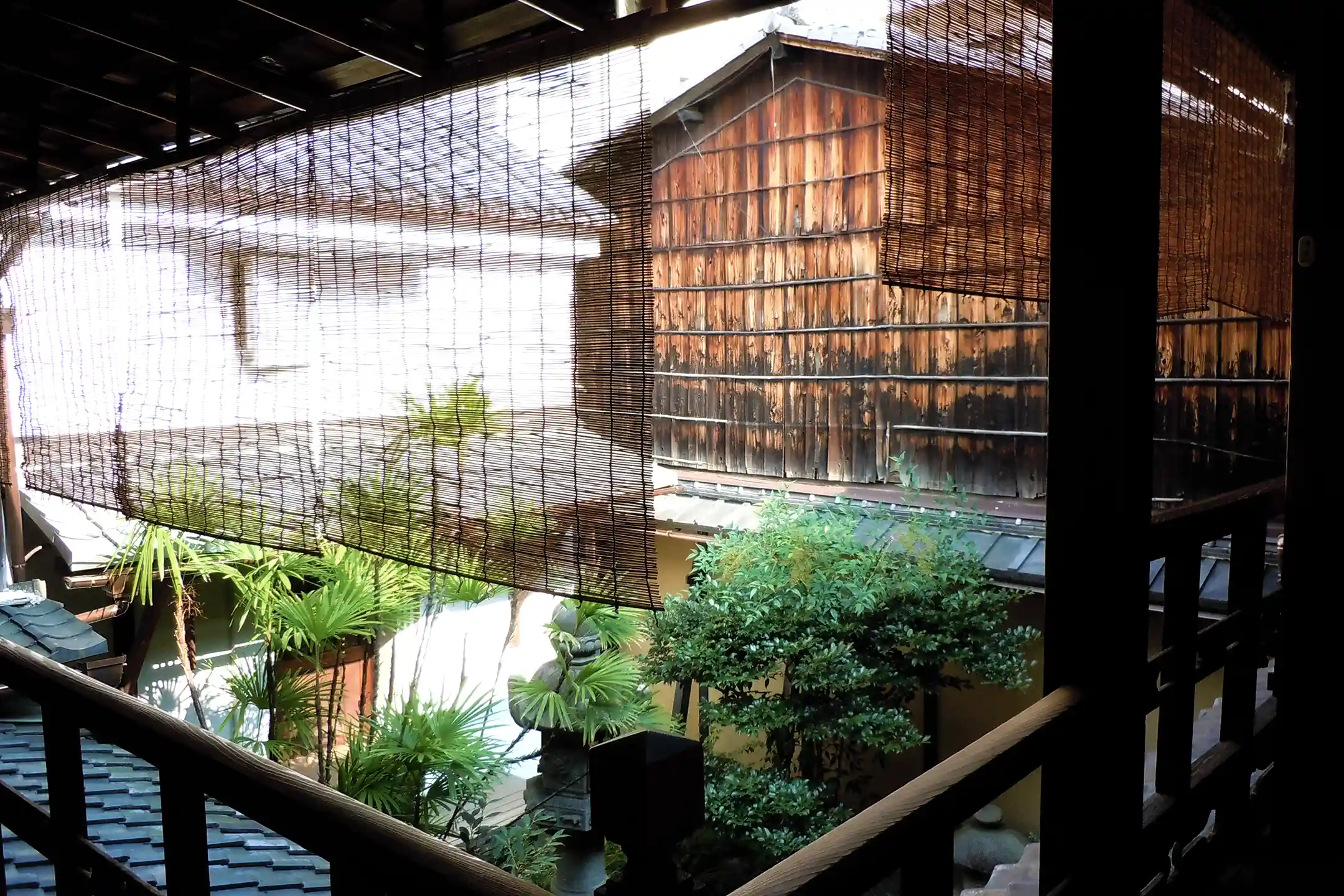
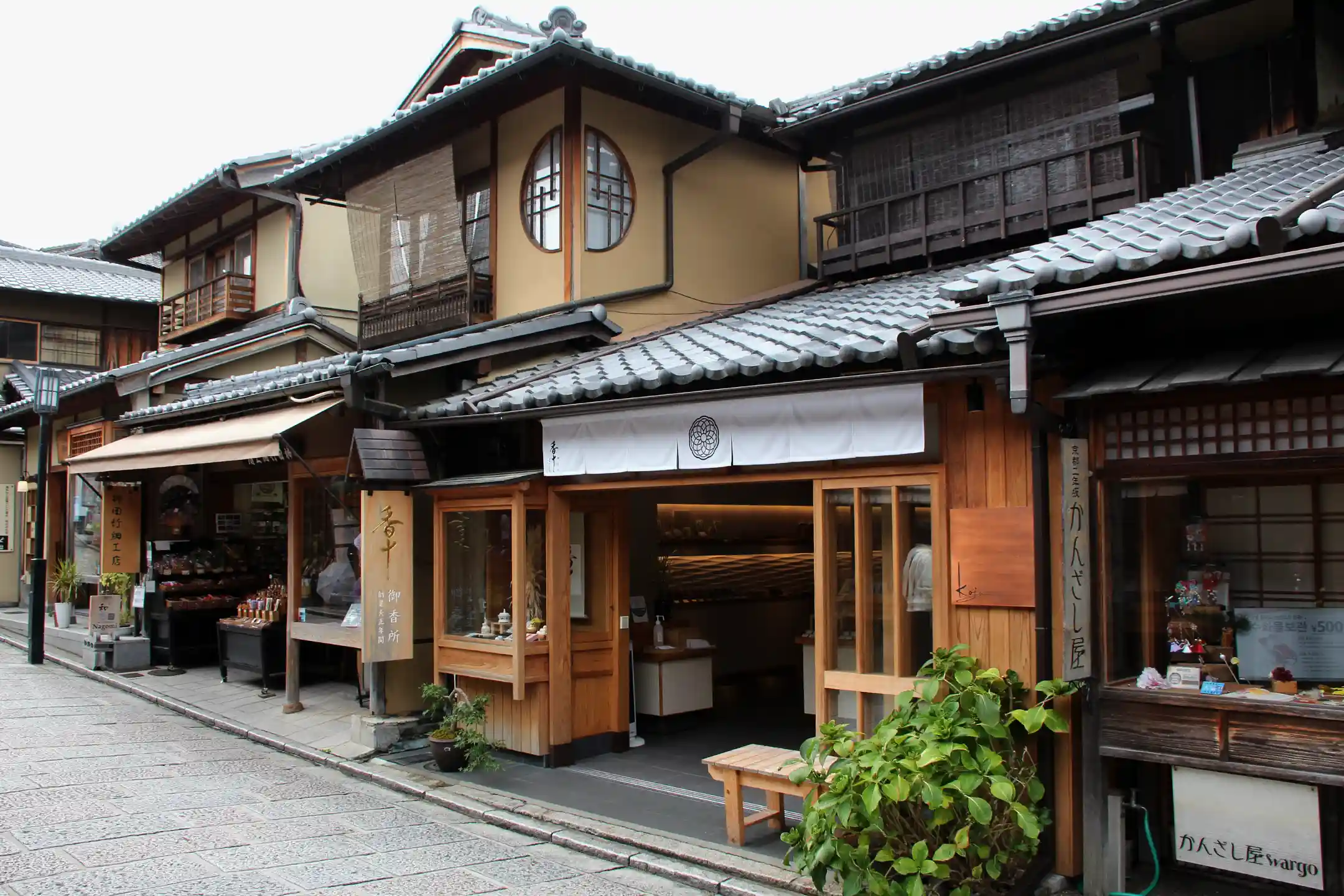
Everyone arrives in Kyoto with a list of temples. Almost nobody spends an evening inside an ordinary house, which is a pity, because the city's real form is domestic. Kyoto was a city of merchants and craftsmen long before it was a sightseeing destination, and the buildings they lived and worked in are still standing in their thousands — narrow at the street, absurdly deep behind it, with a small garden punched into the middle to let in light.
Most are now shops, cafés or short-let apartments. A handful are still whole: kitchen, tatami rooms, courtyard, storehouse, in the original relationship to one another. Taking one of those for an evening is a different proposition from booking a cultural experience. You are borrowing somebody's house, and the programme is built to fit the house rather than the other way round.
History
The machiya form was shaped partly by tax. Frontage onto the street was what the city assessed, so houses grew backwards instead of sideways — three or four metres wide, thirty or more deep, earning them the nickname unagi no nedoko, an eel's bed. Behind the shop front came the living rooms, then a courtyard garden, then the storehouse, in a sequence that made light and air work in a building with only one open end.
Kyoto had something like forty thousand of them in the mid-twentieth century and has been losing hundreds a year ever since — to fire regulations, inheritance tax, and the simple cost of maintaining a timber building. The ones kept whole are kept whole by a family deciding to, usually at a loss. That is worth knowing before you take your shoes off in one.
The Experiences
 Craft
The Blocks Around the House, Walked Slowly
Craft
The Blocks Around the House, Walked Slowly
 Performing Arts
Shamisen and Drums, at Arm's Length
Performing Arts
Shamisen and Drums, at Arm's Length
 Craft
The Courtyard Garden, After the Gallery Closes
Craft
The Courtyard Garden, After the Gallery Closes
Itinerary Preview
Arrival at the House
You come in off the street through a frontage barely wider than a car, and the building keeps going for another thirty metres. Green tea and a sweet in the front room while the shape of the house is explained — which is faster than being told about it afterwards.
The Neighbourhood, on Foot
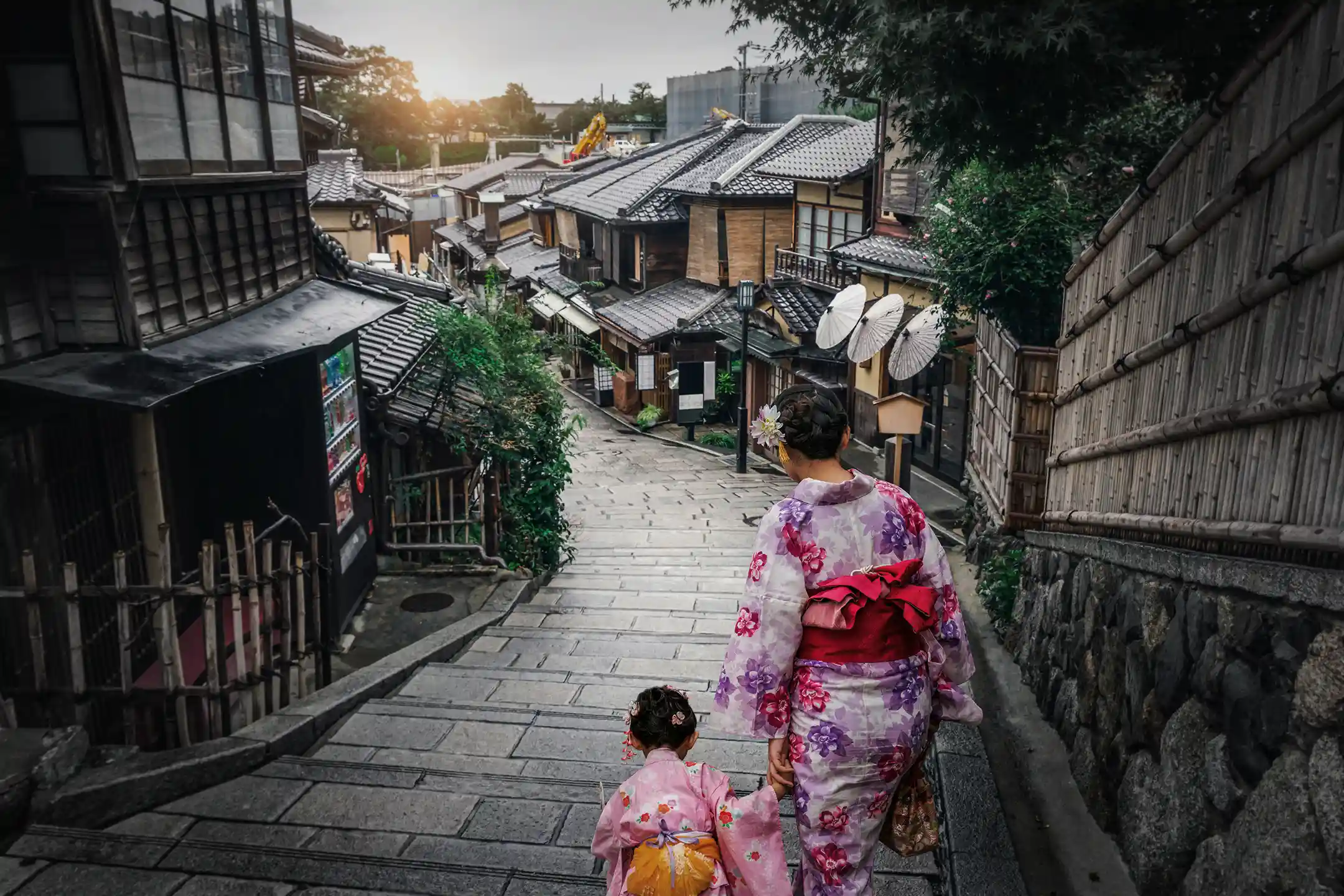
Two hours and perhaps half a kilometre, with someone who lives on these blocks. A tofu maker, a shrine the size of a parking space, the shops that survived and the ones that did not. No temple queue at any point.
Tea in the Courtyard
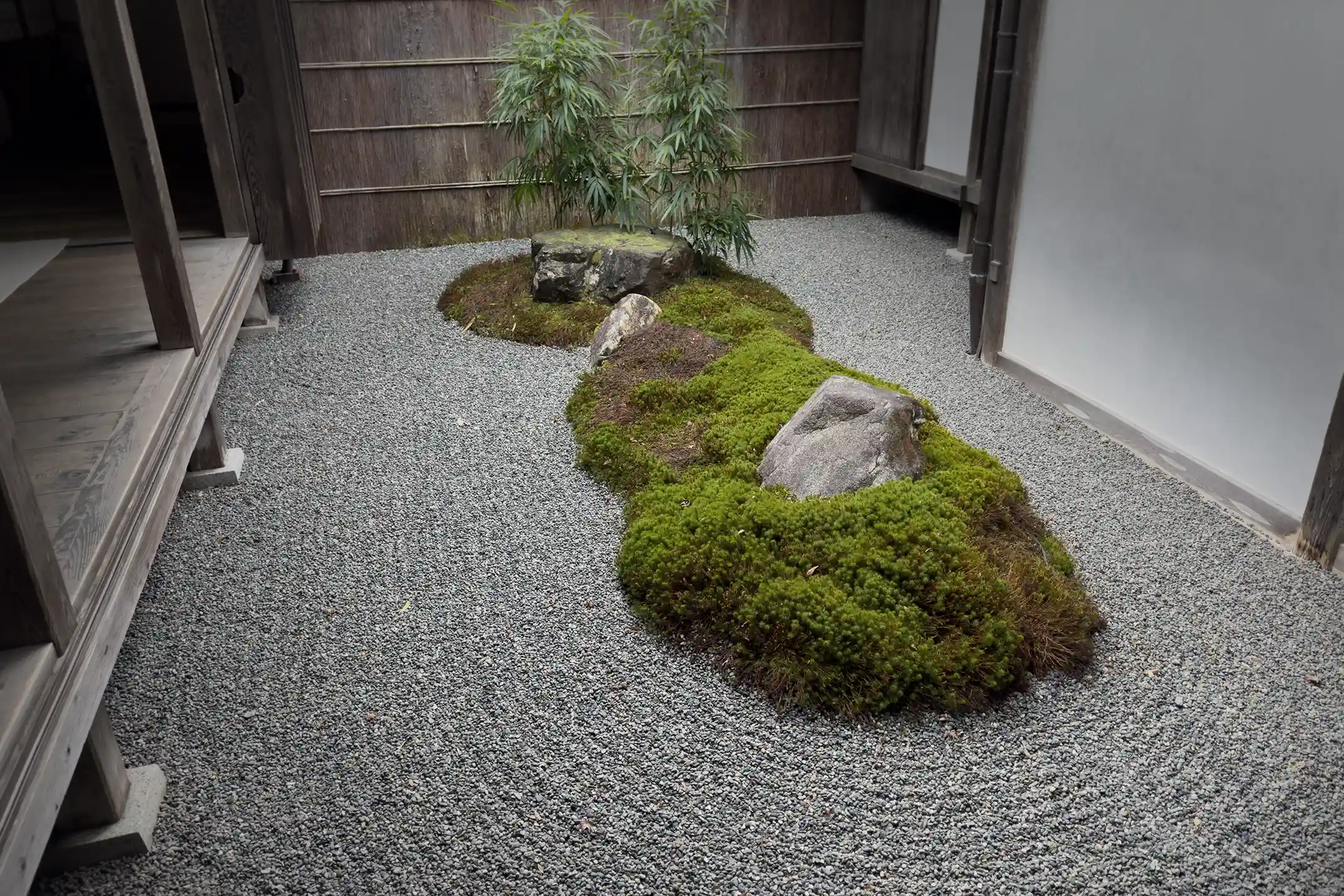
Back to the house as the light drops. The courtyard garden is the whole point of the building's design, and it is at its best in the twenty minutes either side of sunset.
Shamisen, Close Enough to Hear the Wood
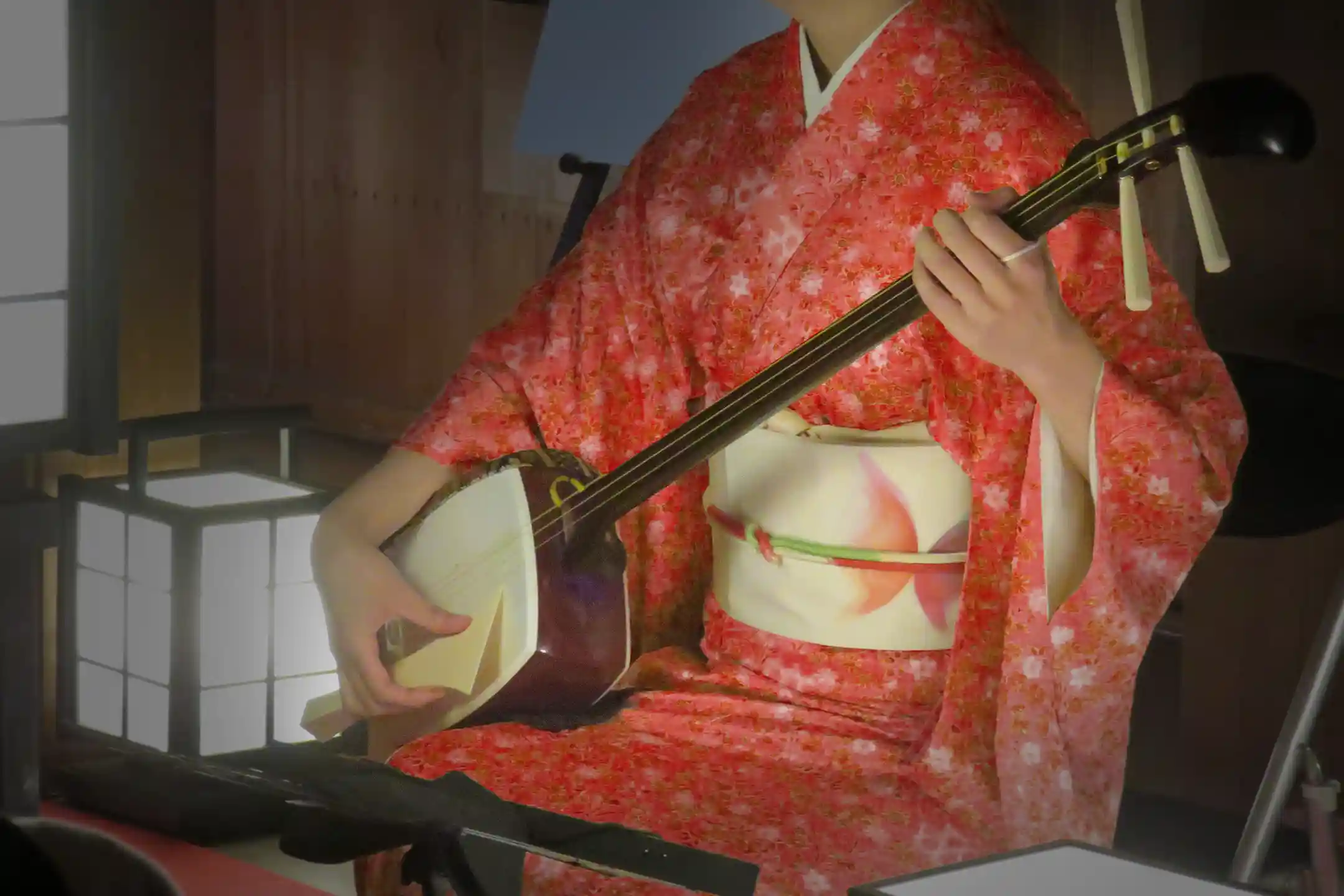
Tsugaru-style shamisen in the tatami room — a northern, percussive style played with a heavy plectrum, and utterly different from the polite parlour version most visitors get. Twenty people at most, no microphone.
And Then the Drums
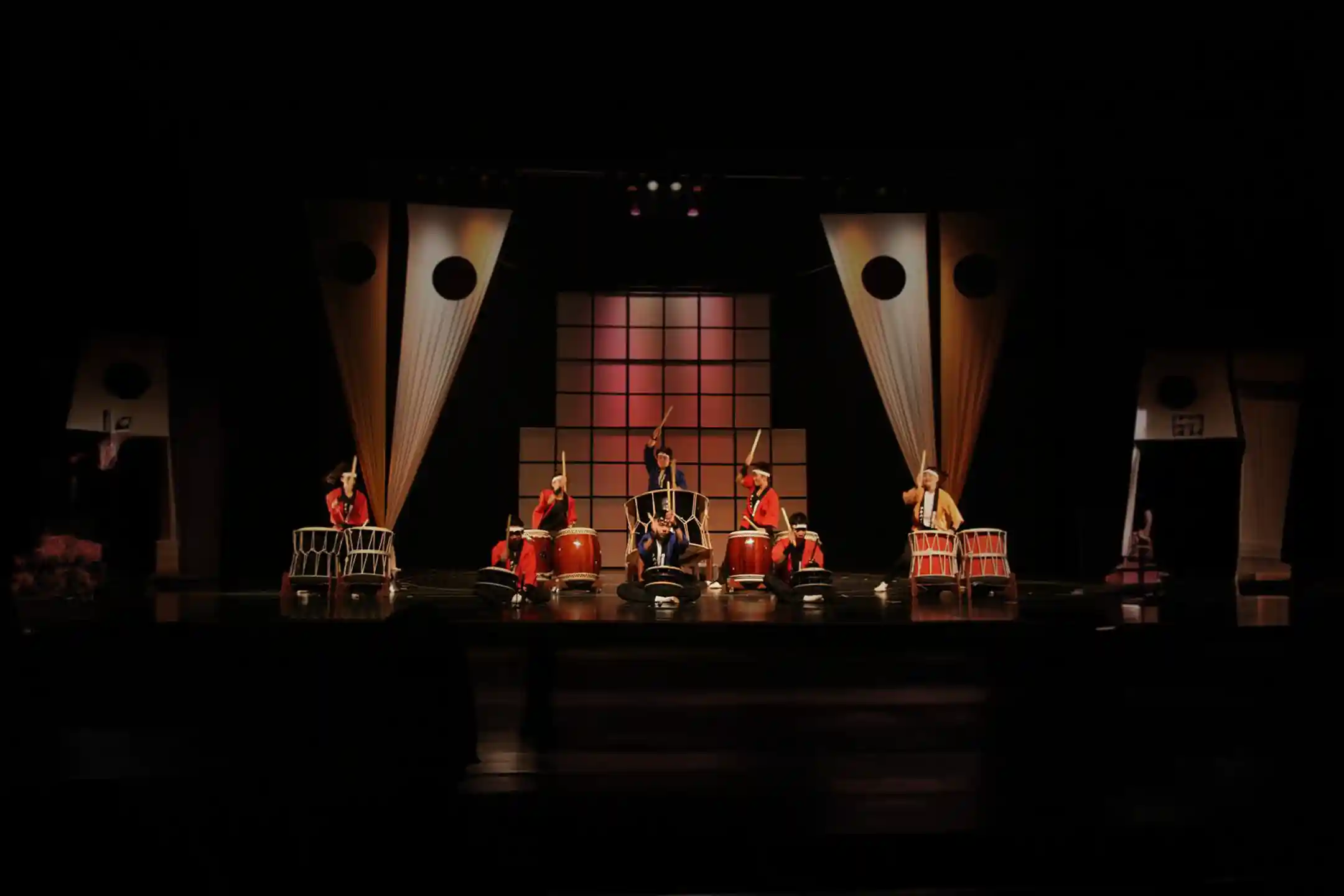
Japanese drums in the same room, at a volume the building was never designed for. You feel it in the floor. This is the part people talk about afterwards.
Supper in the House
Dinner served in the house itself rather than moving on to a restaurant — small dishes, local, arranged around what the season and the kitchen are doing.
Back Through the Lanes
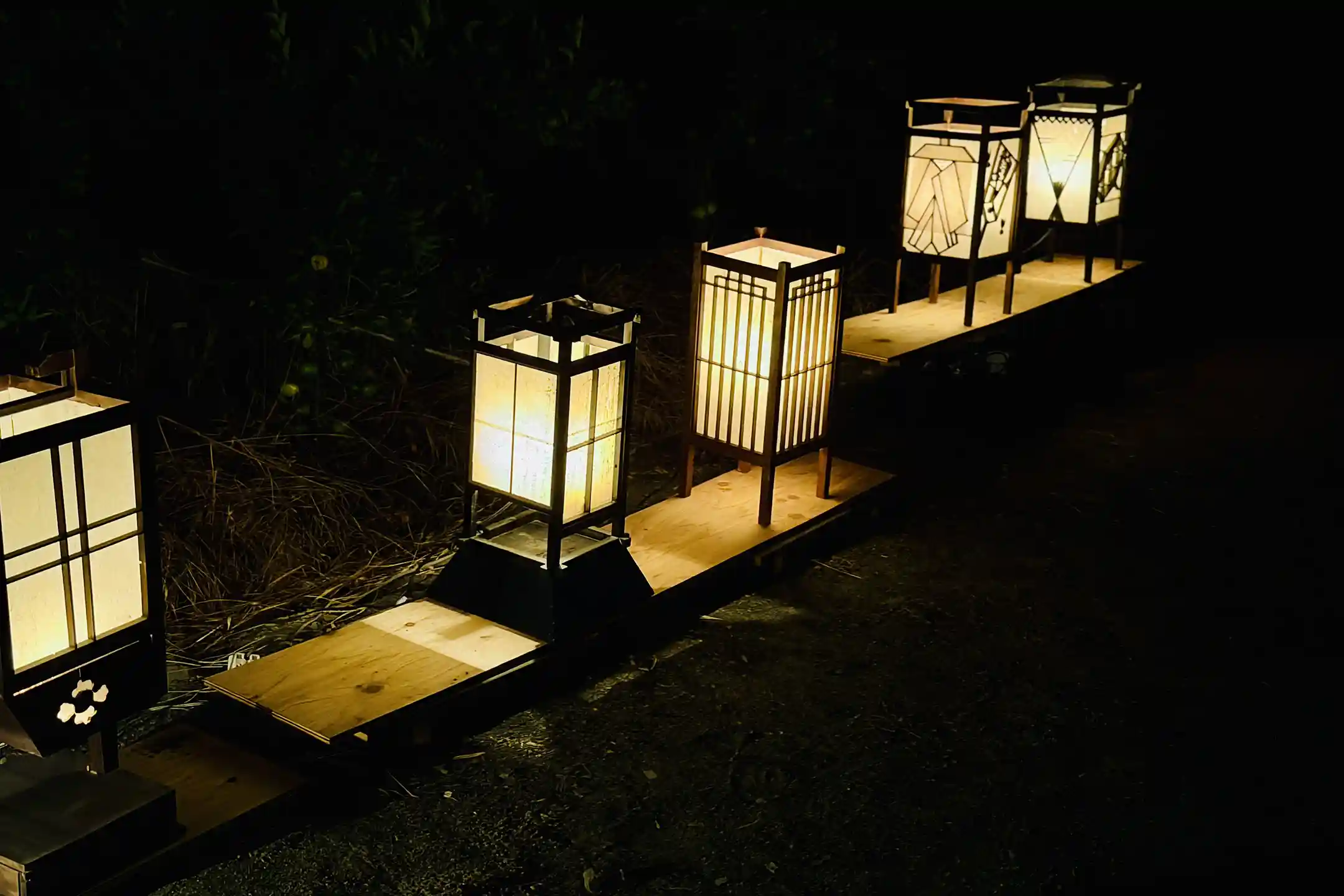
A short walk back to your hotel through streets that are completely quiet by then. If you are staying in the city centre, it is five minutes and a different century.