


.webp?width=2000&name=Snowy%20Kenroku-en%20Garden%20and%20the%20Kotoji%20Lantern%20in%20Kanazawa%20City%2c%20Ishikawa%20(Prefecture).webp)
Kanazawa
A castle town that never stopped making beautiful things.
Every month is a different Kanazawa.
.webp?width=1200&name=Snowy%20Kenroku-en%20Garden%20and%20the%20Kotoji%20Lantern%20in%20Kanazawa%20City%2c%20Ishikawa%20(Prefecture).webp)
Snow on the pines, and the ropes that hold it.
From November the gardeners of Kenroku-en rope the great pines so the branches can carry the snow. In January the garden is at its most still.
Crab season, and quiet lanes.
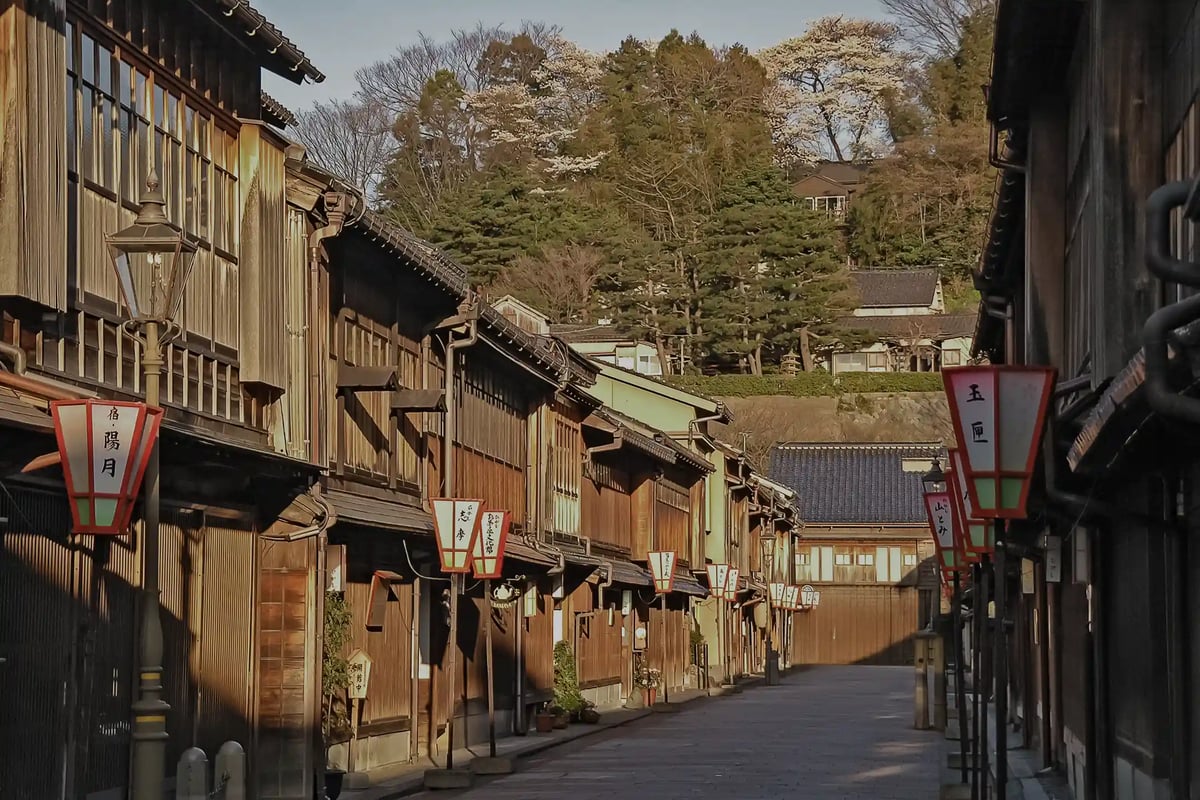
Snow crab from the Sea of Japan is in season, and the teahouse lanes are quiet enough to hear your own steps.
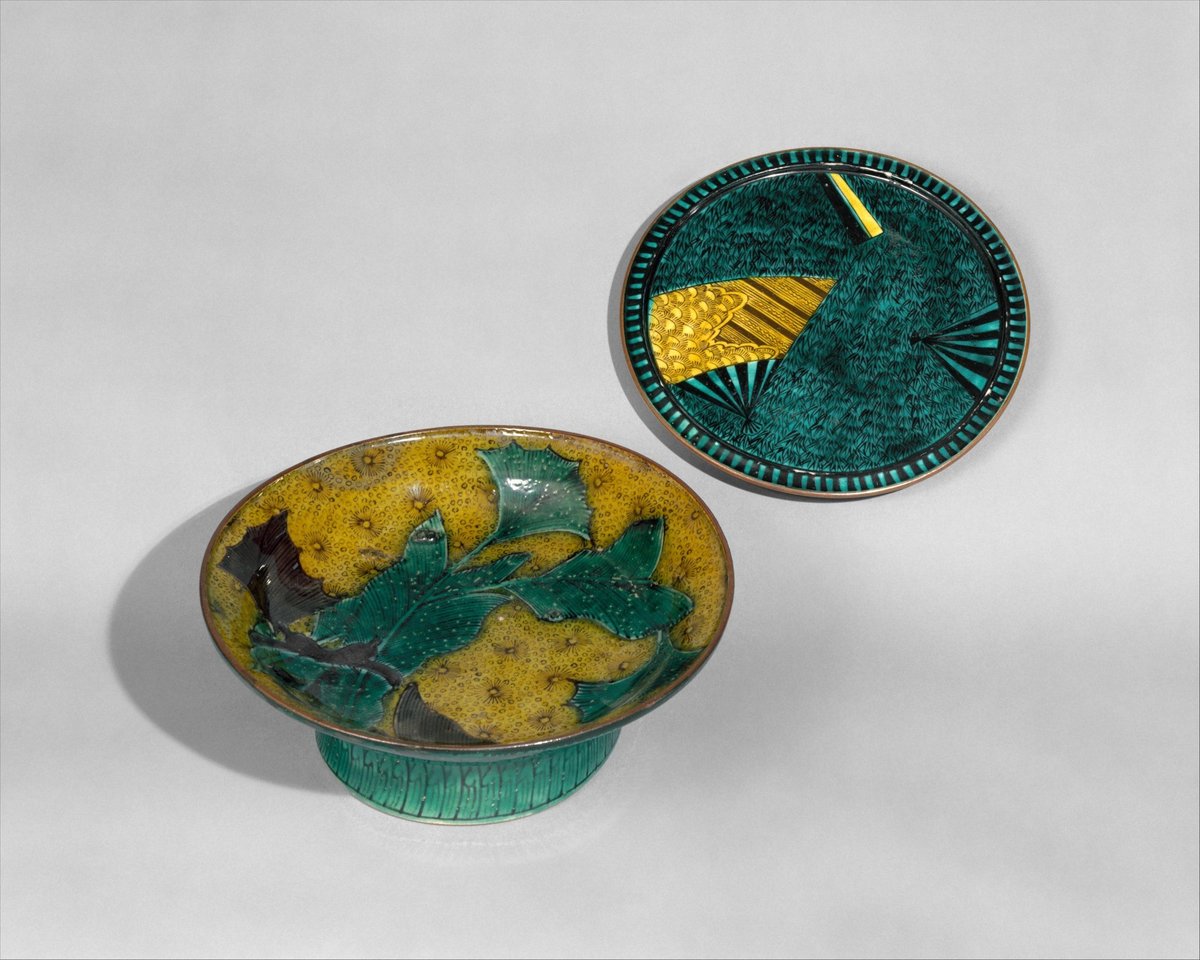
Plum blossom, and time in the workshops.
The plum grove in Kenroku-en opens before the cherries. Fewer visitors, and the makers have more time for you.
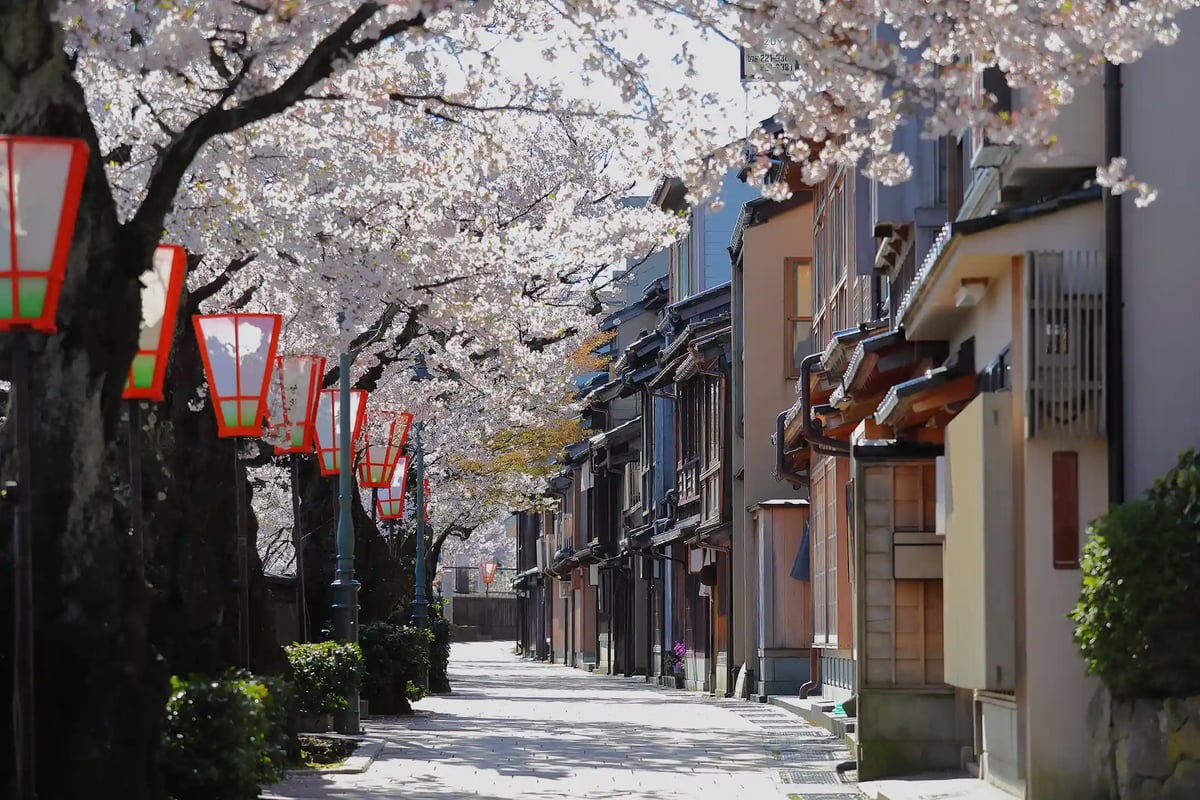
Cherry blossom along the river.
Early April brings the cherries to the castle park and the teahouse districts. Popular, so we plan your days around the busiest hours.
Fresh green, after the holidays.
Early May is a national holiday week and busy. After it, the city settles into its greenest weeks.
Hyakumangoku, the city festival.
In early June a costume procession honours the founding lord. Lively for a weekend, calm either side of it.
Rain, then summer evenings.
The rainy season gives way to heat. Mornings in the workshops, evenings by the river.
Hot, and busy with family travel.
Mid-August is a holiday for much of Japan. We keep days short and indoors, or suggest another month.
The city exhales.
Summer crowds leave and the heat eases. A good month for long, unhurried days with one master.
Clear, cool days.
Comfortable weather for walking the old districts, and the first colour in the trees by the end of the month.
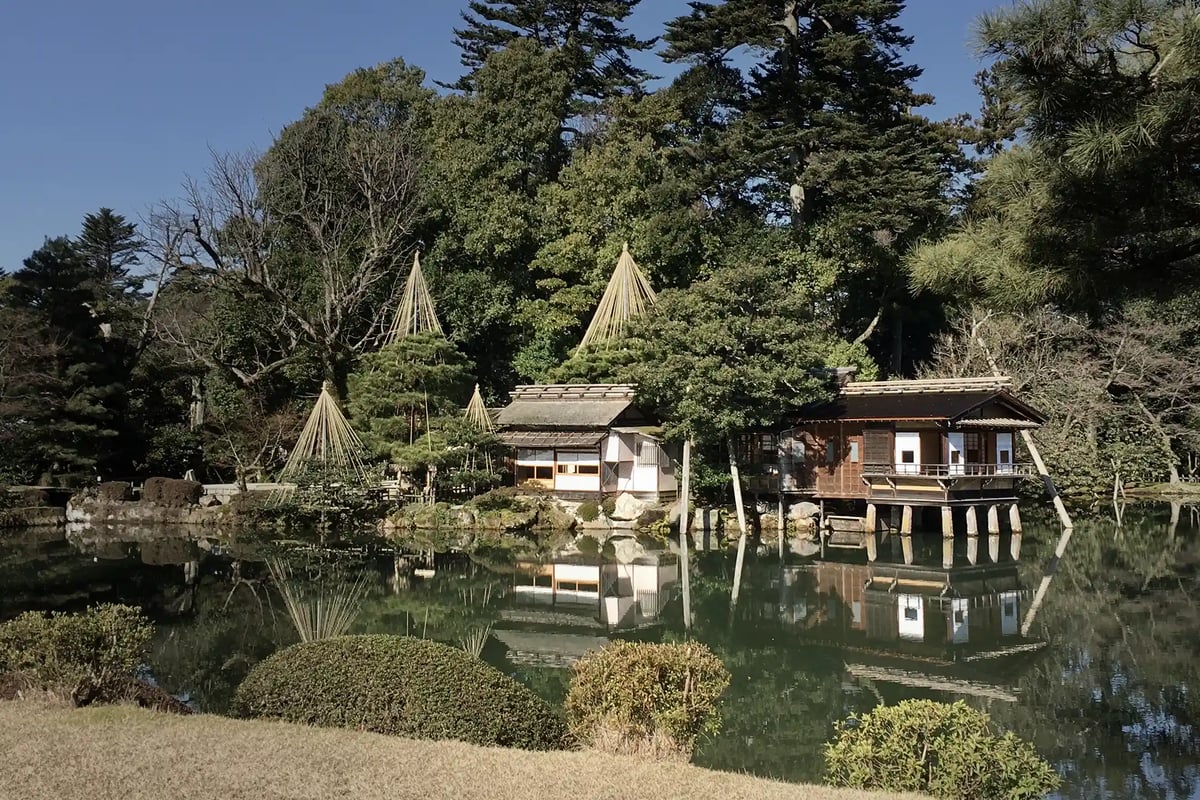
Crab season opens. The ropes go up.
Snow crab season opens in early November. In the same weeks the pines of Kenroku-en are roped for winter and the maples turn.
Winter tables, and the first snow.
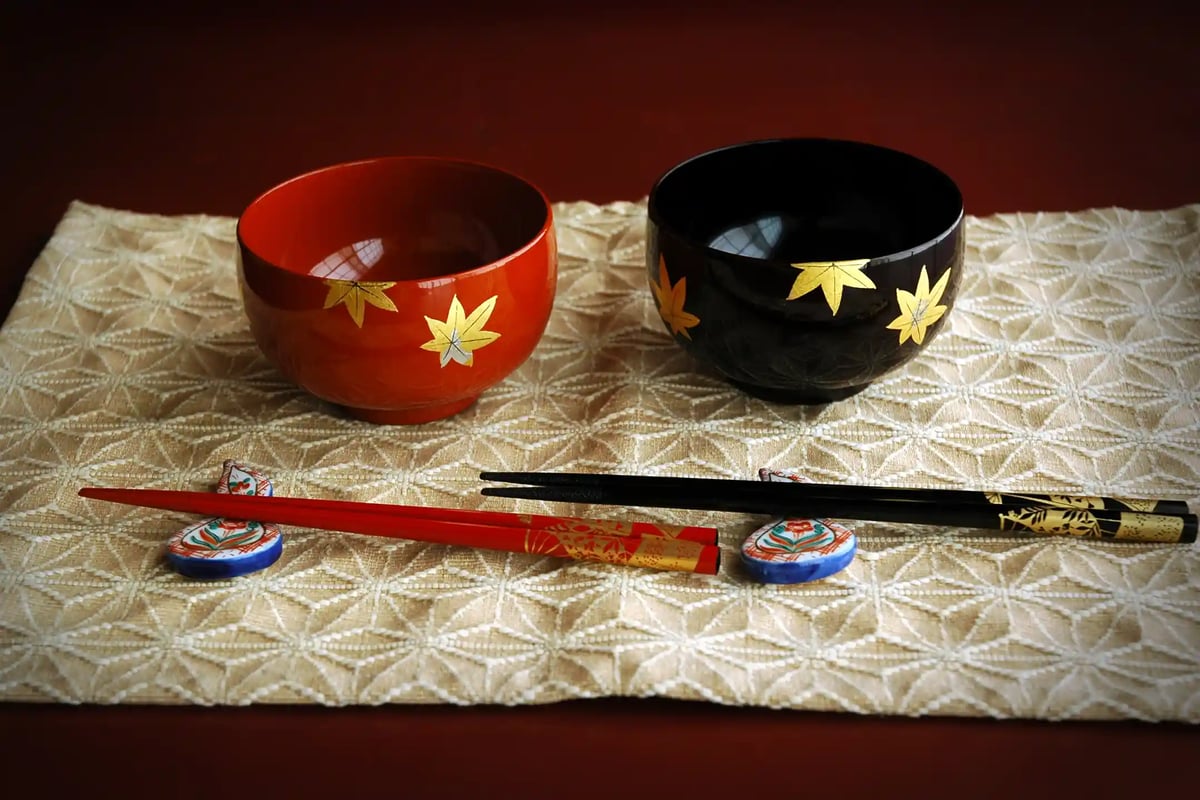
Crab and winter yellowtail on the table, lacquer and gold leaf in the workshops. The year ends quietly here.
Seasons shift a little each year. We confirm dates when we plan your journey.
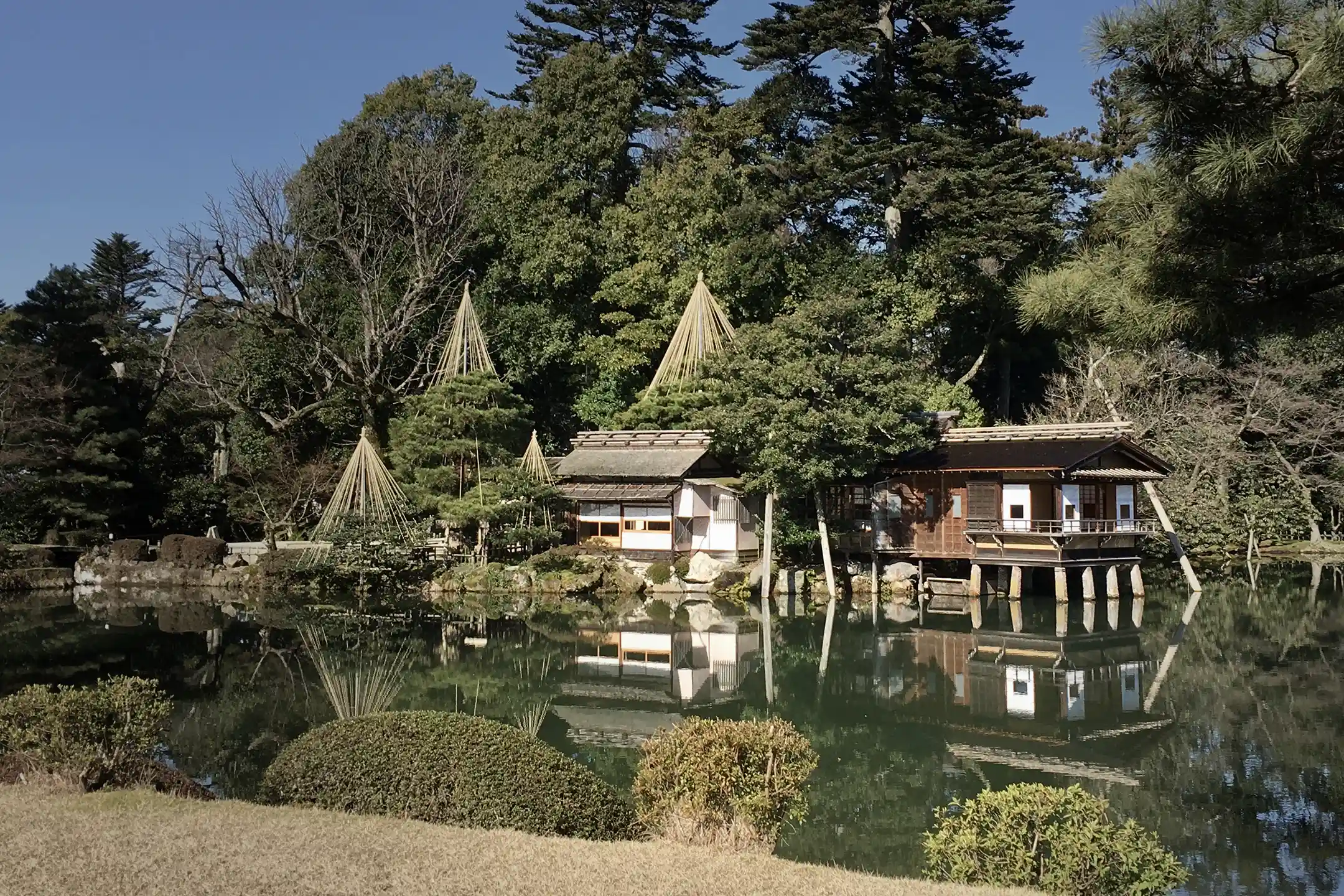
About Kanazawa
Kanazawa sits on the Sea of Japan coast, about two and a half hours from Tokyo on the Hokuriku Shinkansen. It is compact enough to cross on foot, yet it holds one of Japan's most celebrated landscape gardens, two preserved teahouse districts, a samurai quarter of earthen walls and canals, and one of the country's most talked-about contemporary art museums.
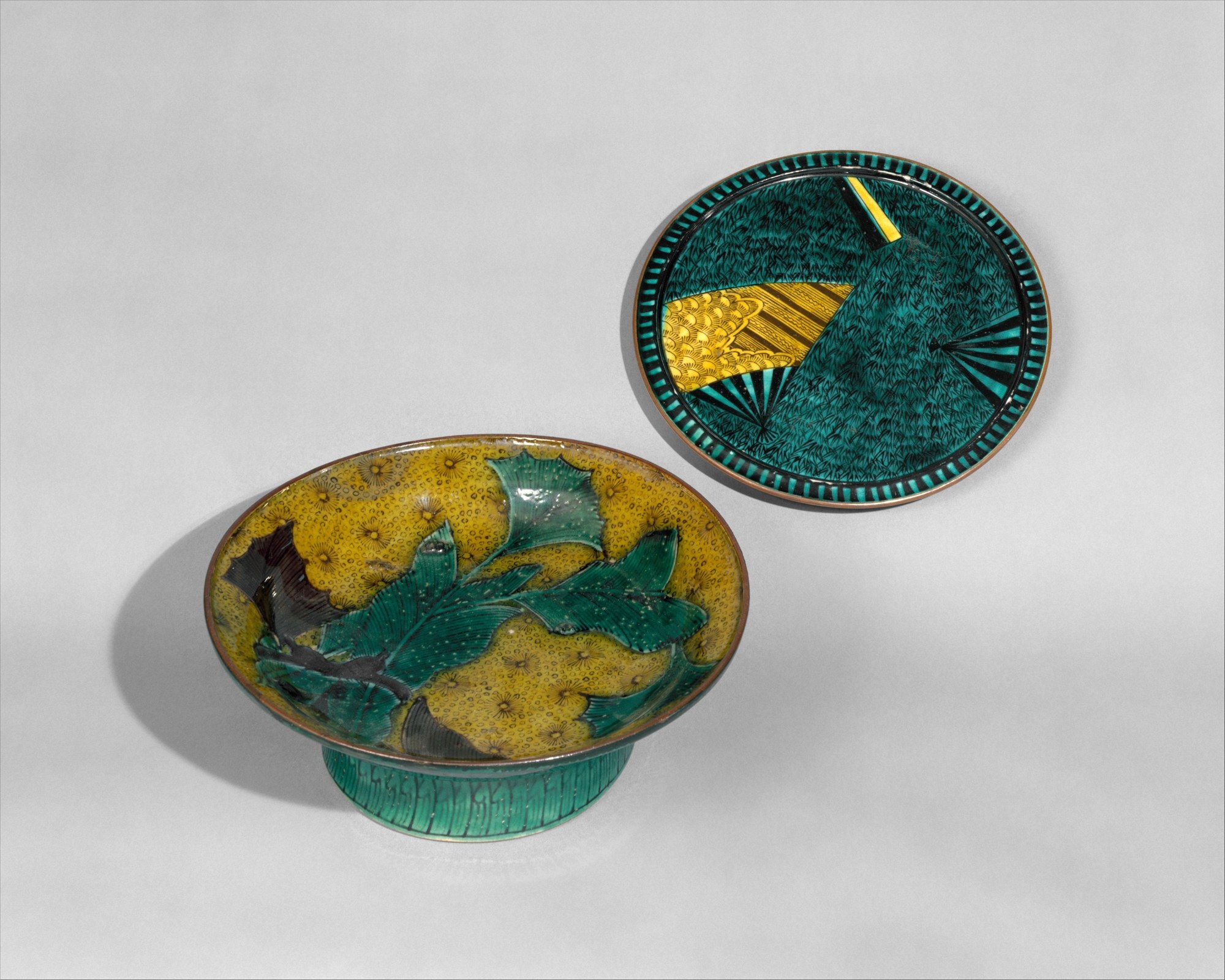
What sets it apart is how much of its craft is still made here rather than displayed — gold leaf, dyed silk, lacquer, ceramics, and confectionery. This itinerary is built around meeting that work, and the people behind it, rather than simply seeing the sights.
History
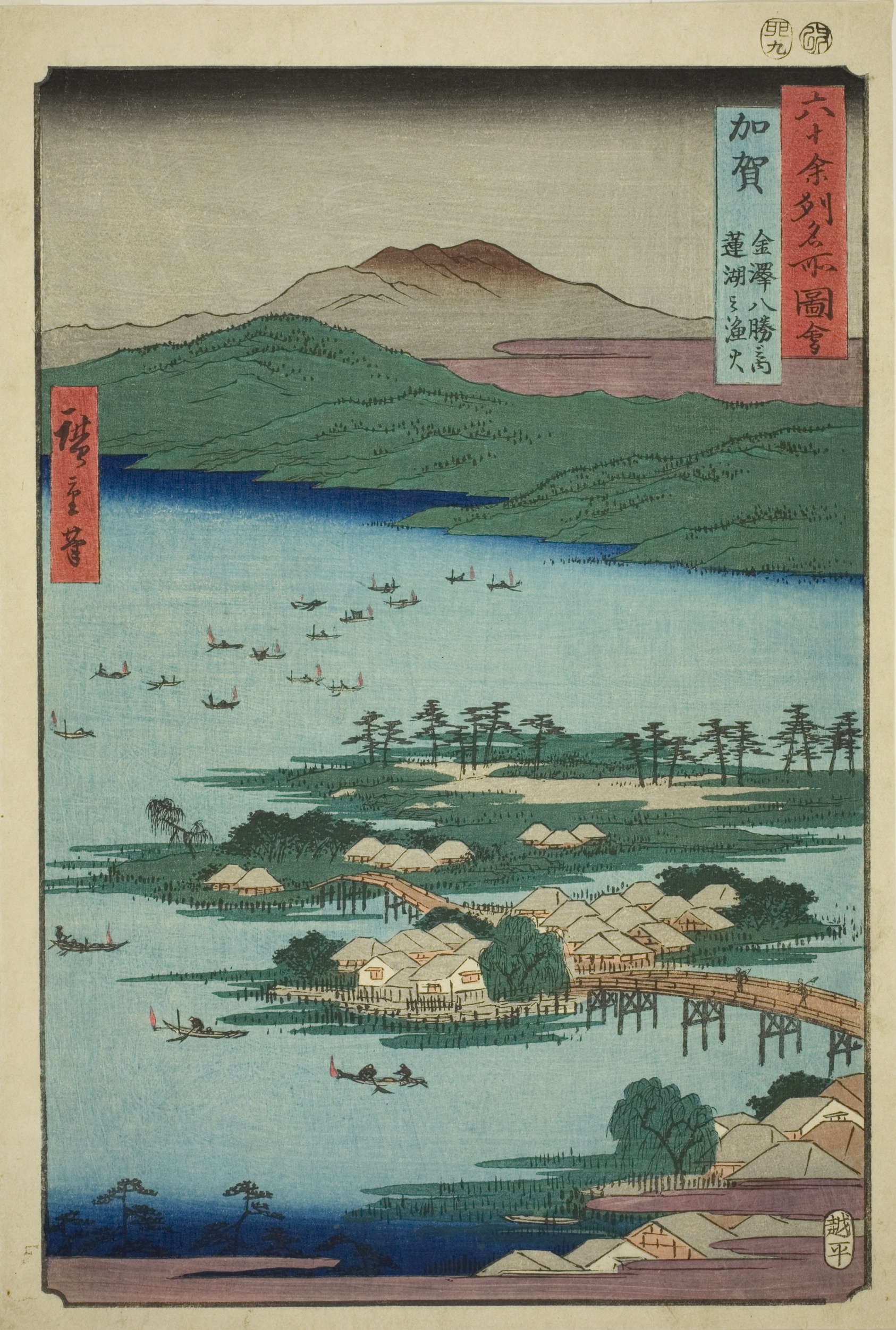
For nearly three centuries Kanazawa was the seat of the Maeda family, lords of the Kaga domain — the richest domain in Edo-period Japan after the shogun's own. Barred from spending their wealth on armies, the Maeda poured it into tea, Noh, gardens, and the crafts that served them.
Kanazawa was largely spared the air raids of the Second World War, so the teahouse lanes and samurai streets that grew up in that era still stand. The itinerary follows that same logic: the city's culture was built around refinement and hospitality, and that is still the best way in.
The Experiences
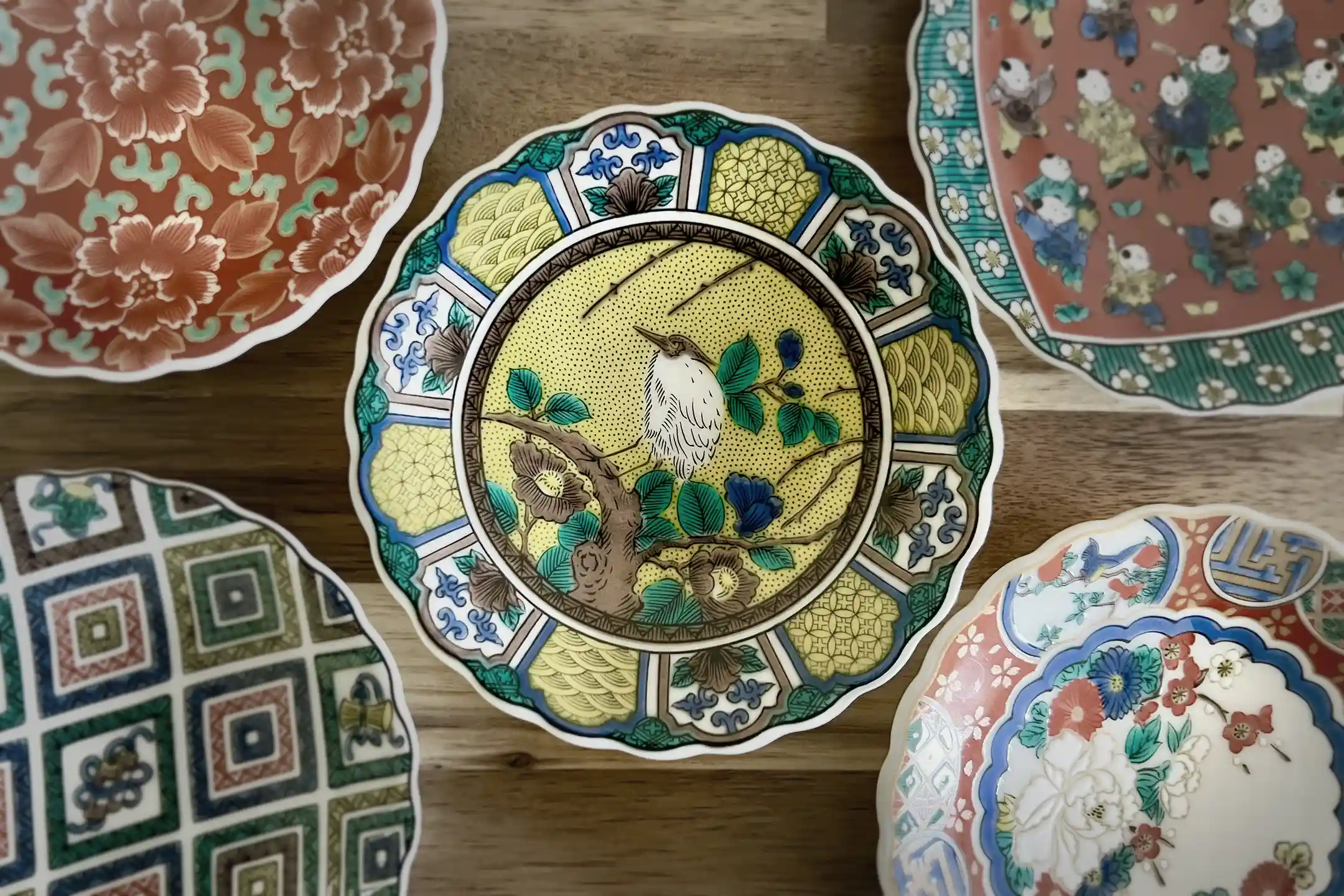 Craft
Zen and Clay: From a Quiet Museum to a Potter's Wheel
Craft
Zen and Clay: From a Quiet Museum to a Potter's Wheel
 Craft
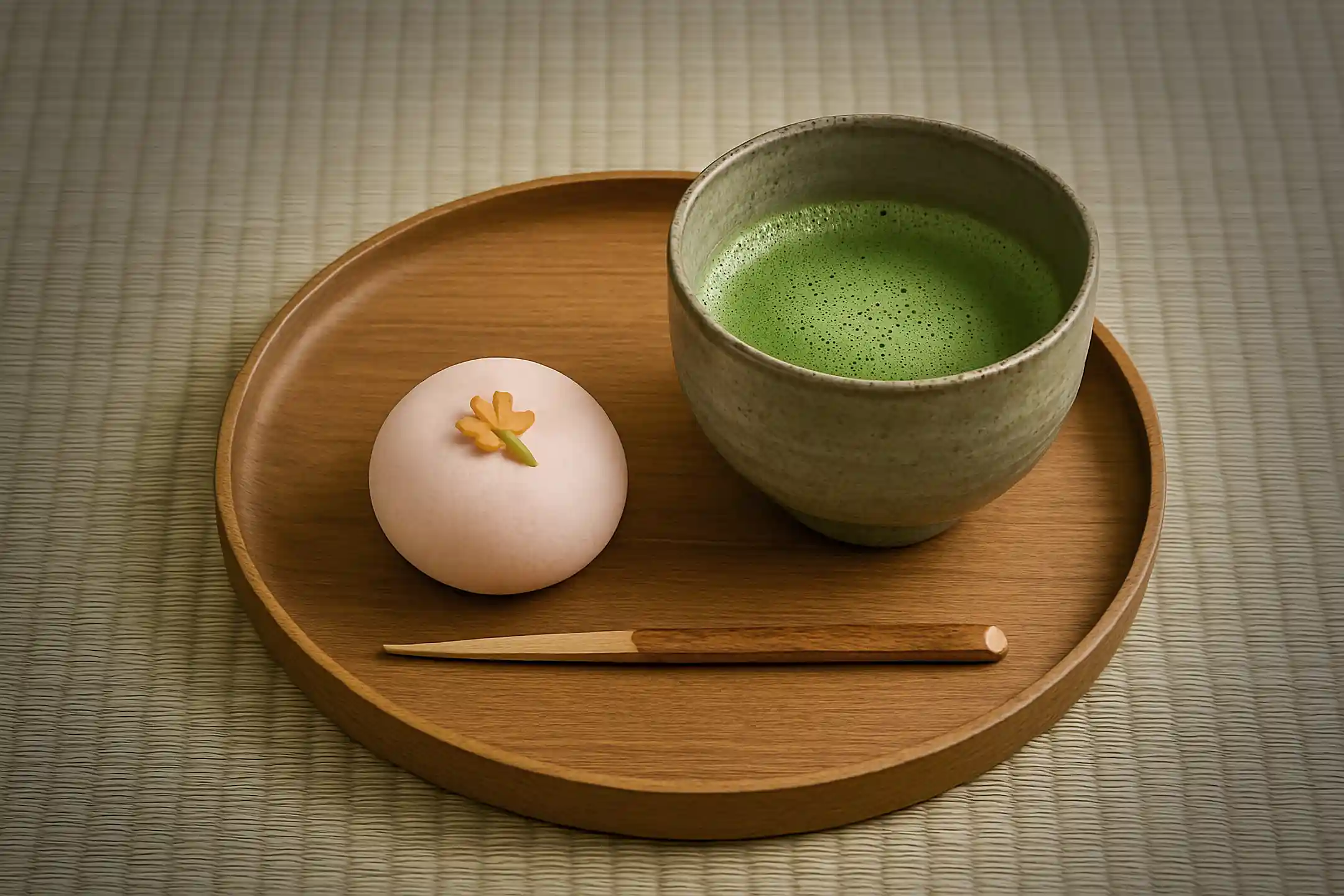
Rakugan, Pressed From Centuries-Old Wooden Molds
Craft
Rakugan, Pressed From Centuries-Old Wooden Molds
 Food & Sake
Inside a Sake Brewery Four Centuries Deep
Food & Sake
Inside a Sake Brewery Four Centuries Deep
Itinerary Preview
Shinkansen to Kanazawa
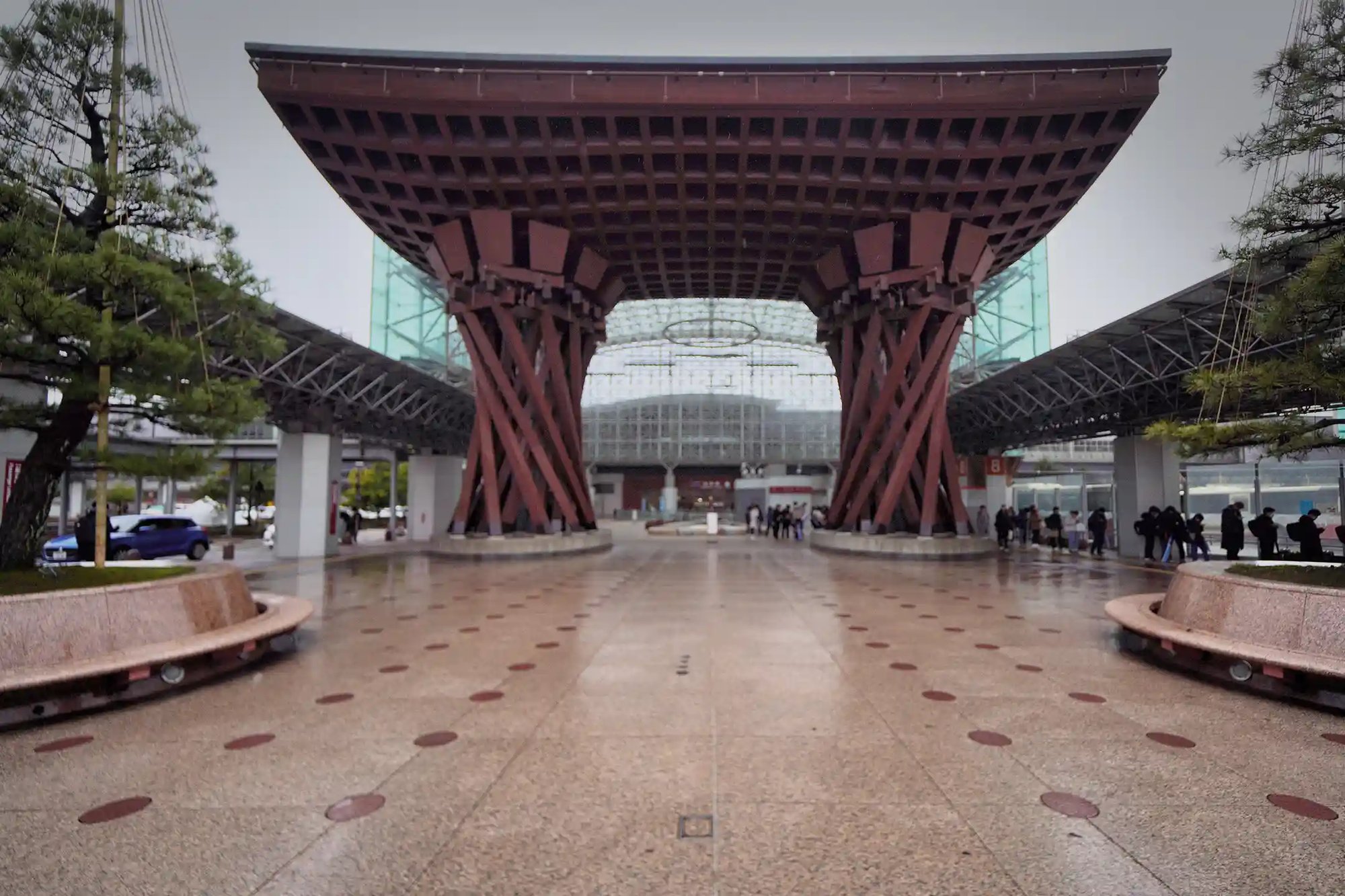
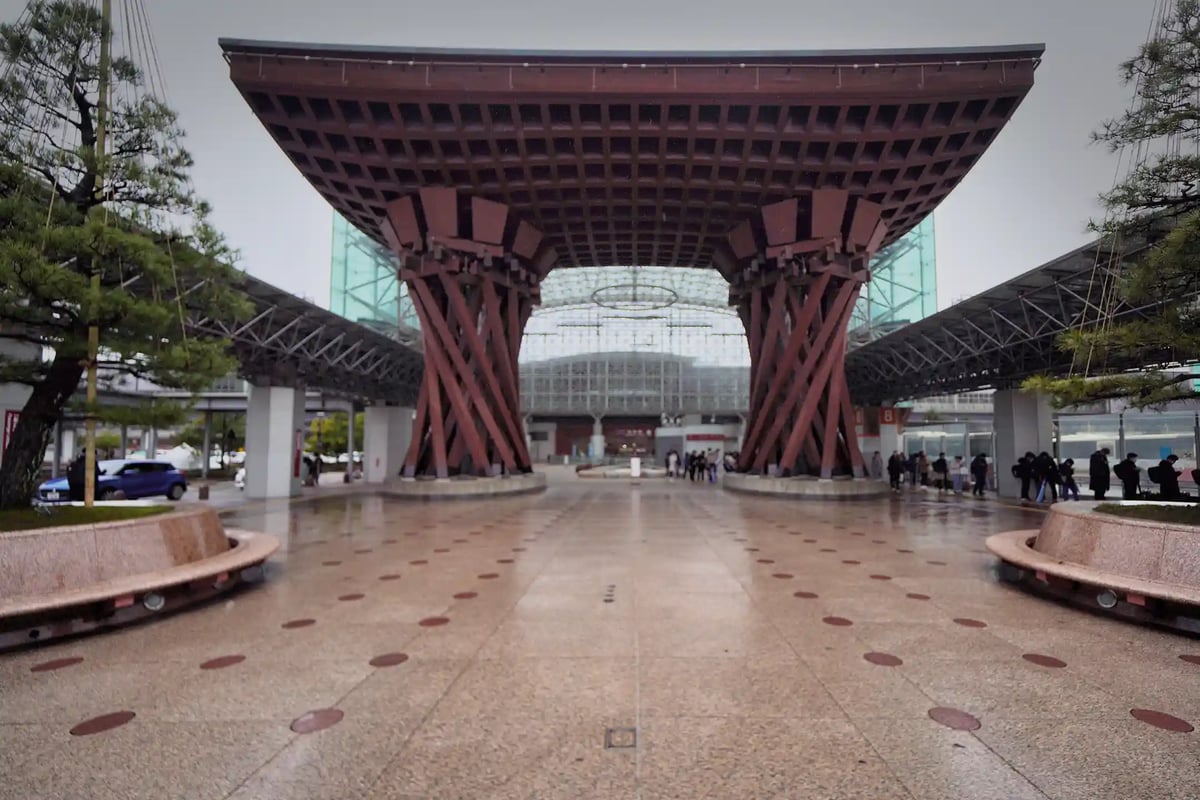
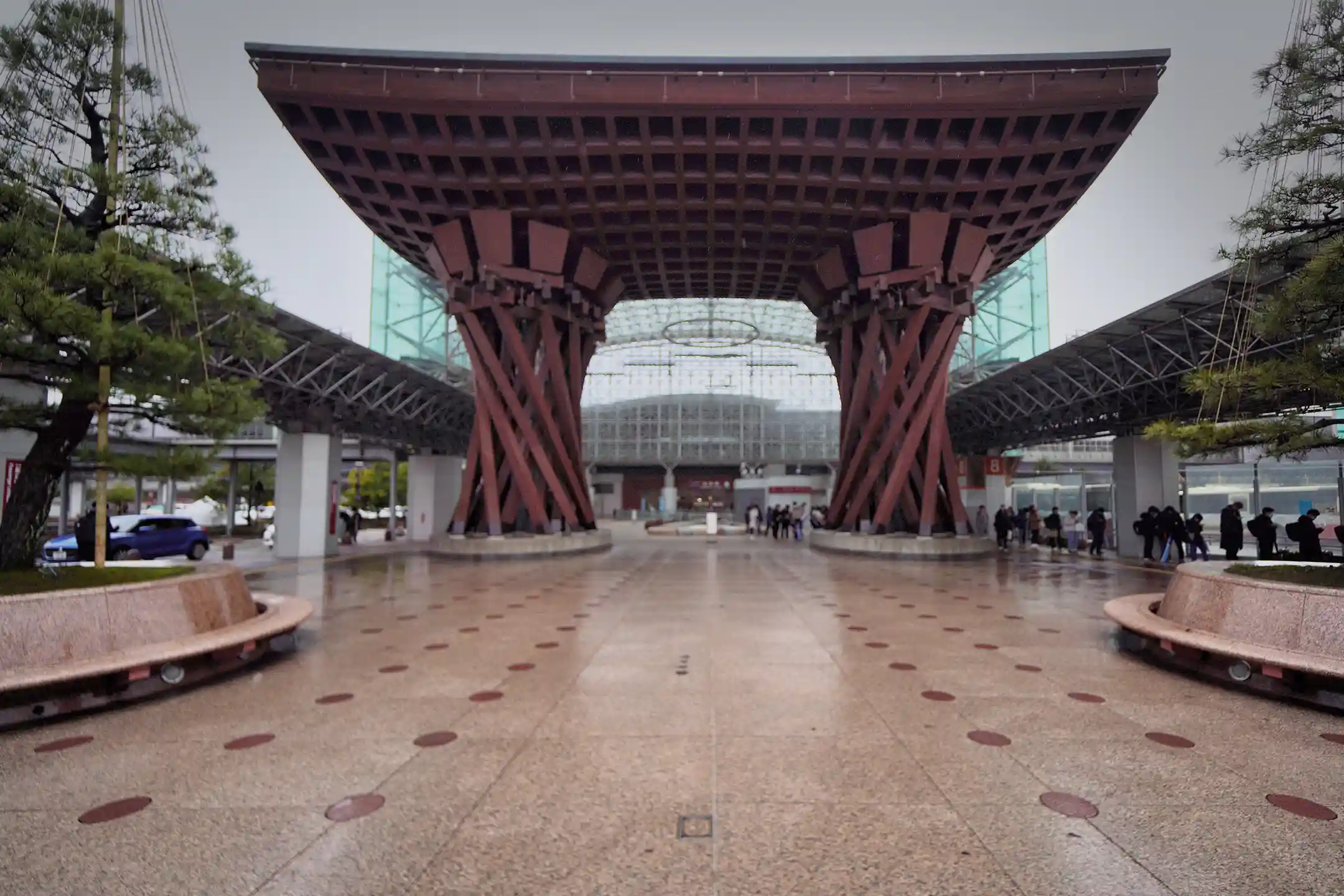
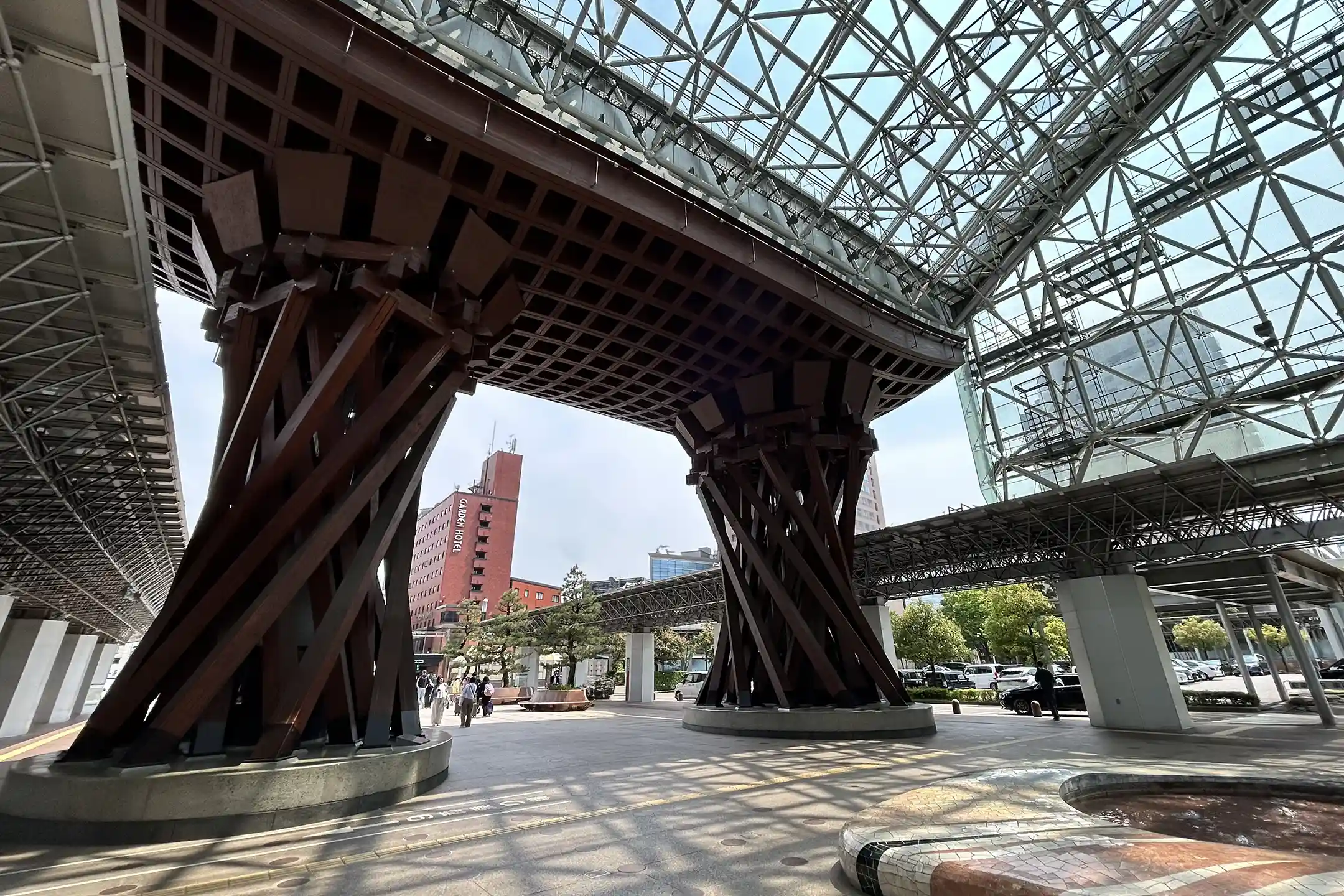
About two and a half hours from Tokyo on the Hokuriku Shinkansen. Your English-speaking guide meets you under the wooden Tsuzumi Gate, modeled on the hand drums of Noh, and your bags go ahead to the hotel.
.webp)
Lunch
Hand-rolled sushi at a small contemporary Japanese counter — a light start before the afternoon.
Zen and Clay
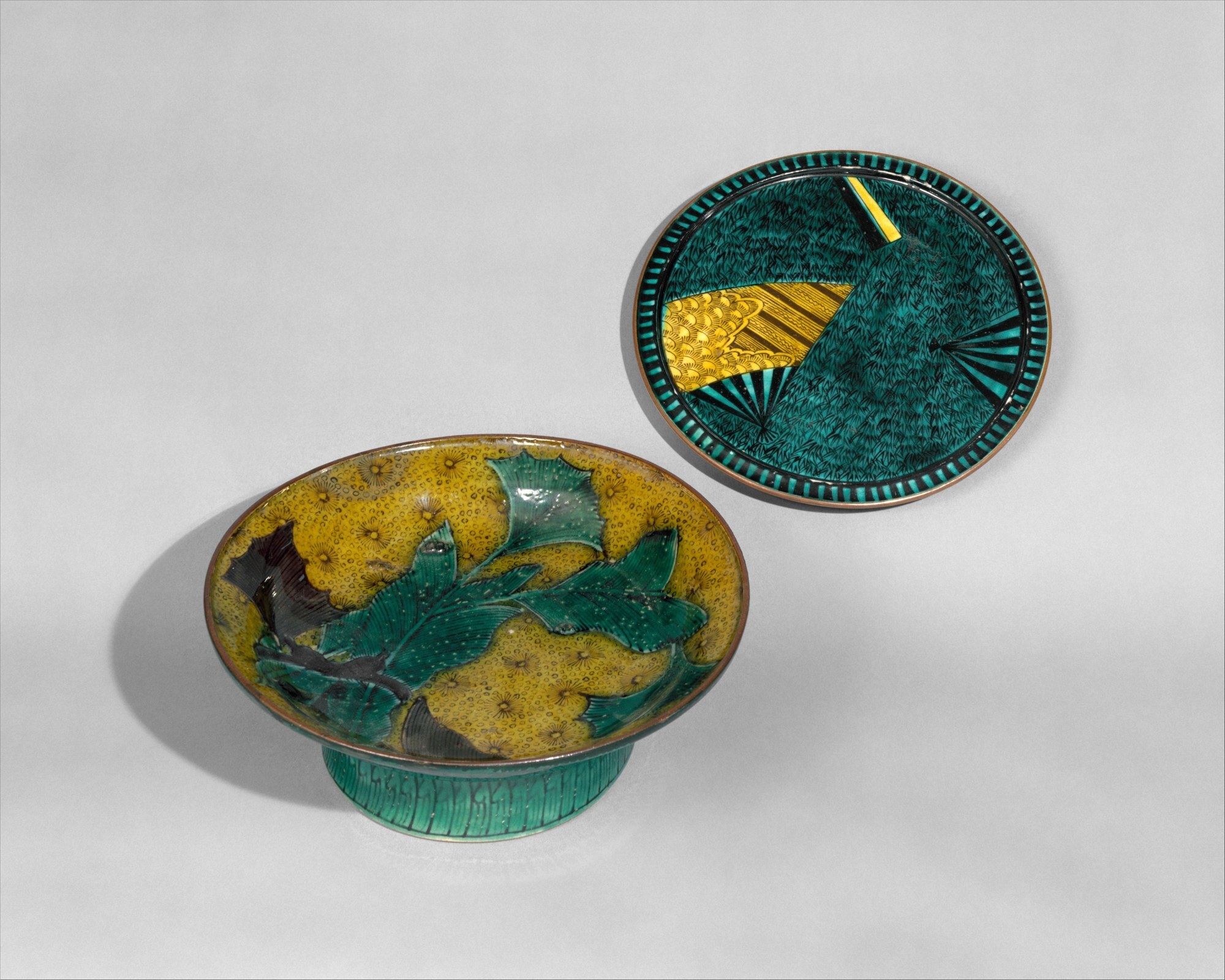
A guided hour at the D.T. Suzuki Museum, the quiet, water-mirrored museum devoted to the Kanazawa-born thinker who carried Zen to the West. Then a short ride to a working ceramic studio for about two hours with a potter and an English-speaking facilitator — time at the wheel and time to talk, preparation included. No experience needed; aprons provided.
.webp)
21st Century Museum of Contemporary Art
Time inside the circular glass museum at the center of town, whose free-to-wander galleries make a deliberate counterpoint to the morning's stillness.
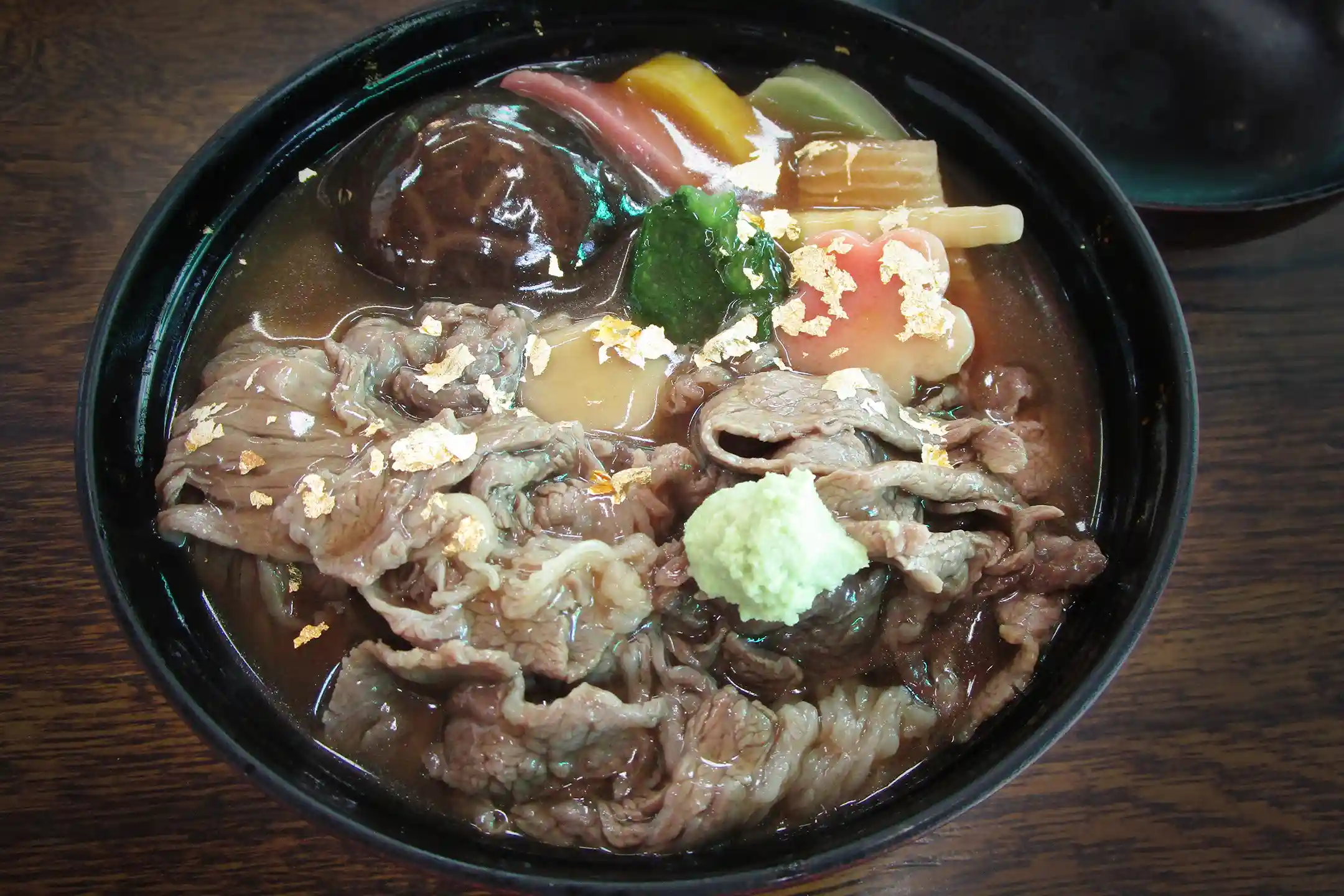
Check-In & Dinner
Check in to a refined city hotel in central Kanazawa (category, not a named property), followed by dinner built around Kanazawa's own cuisine.
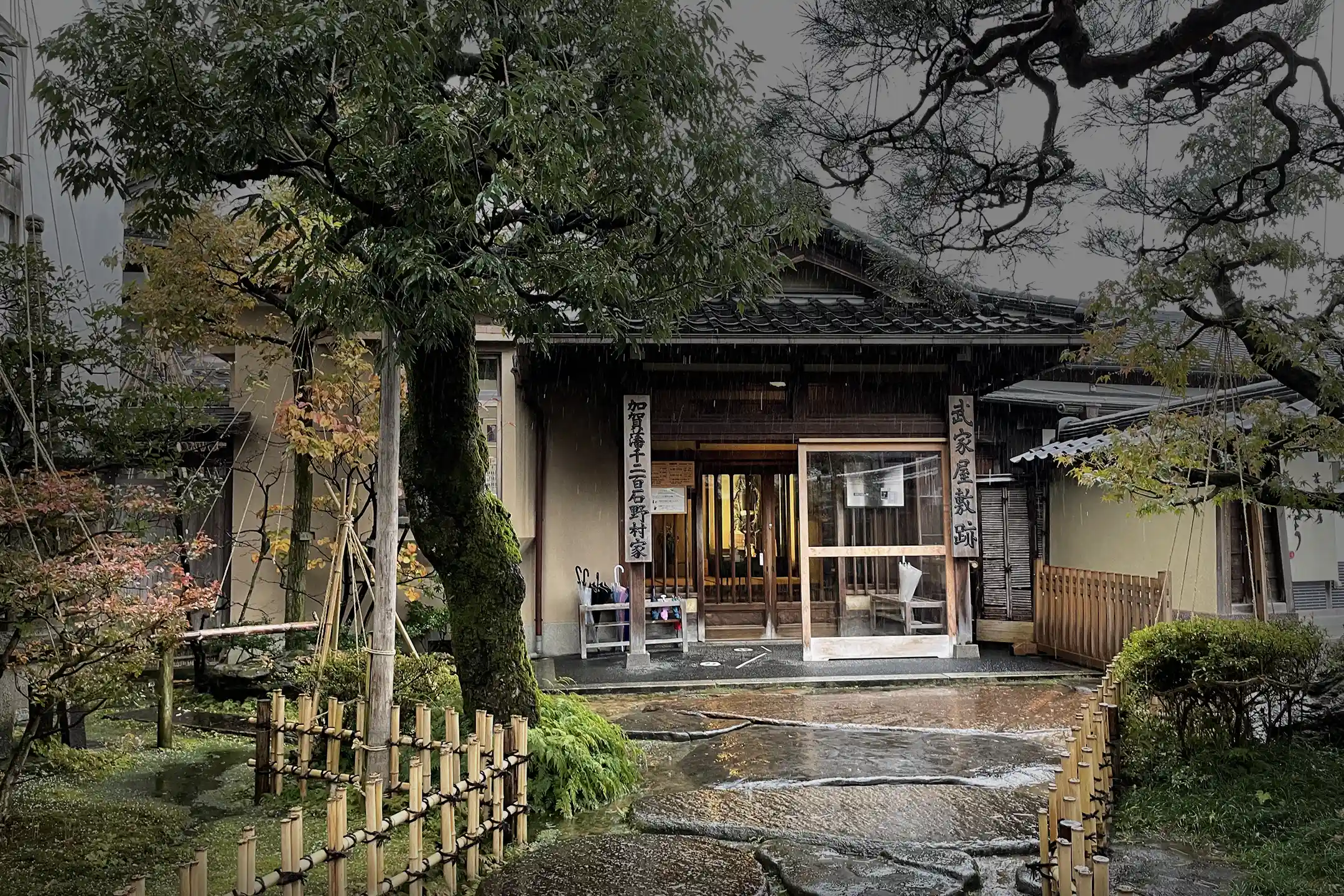
Kimono & the Samurai Quarter
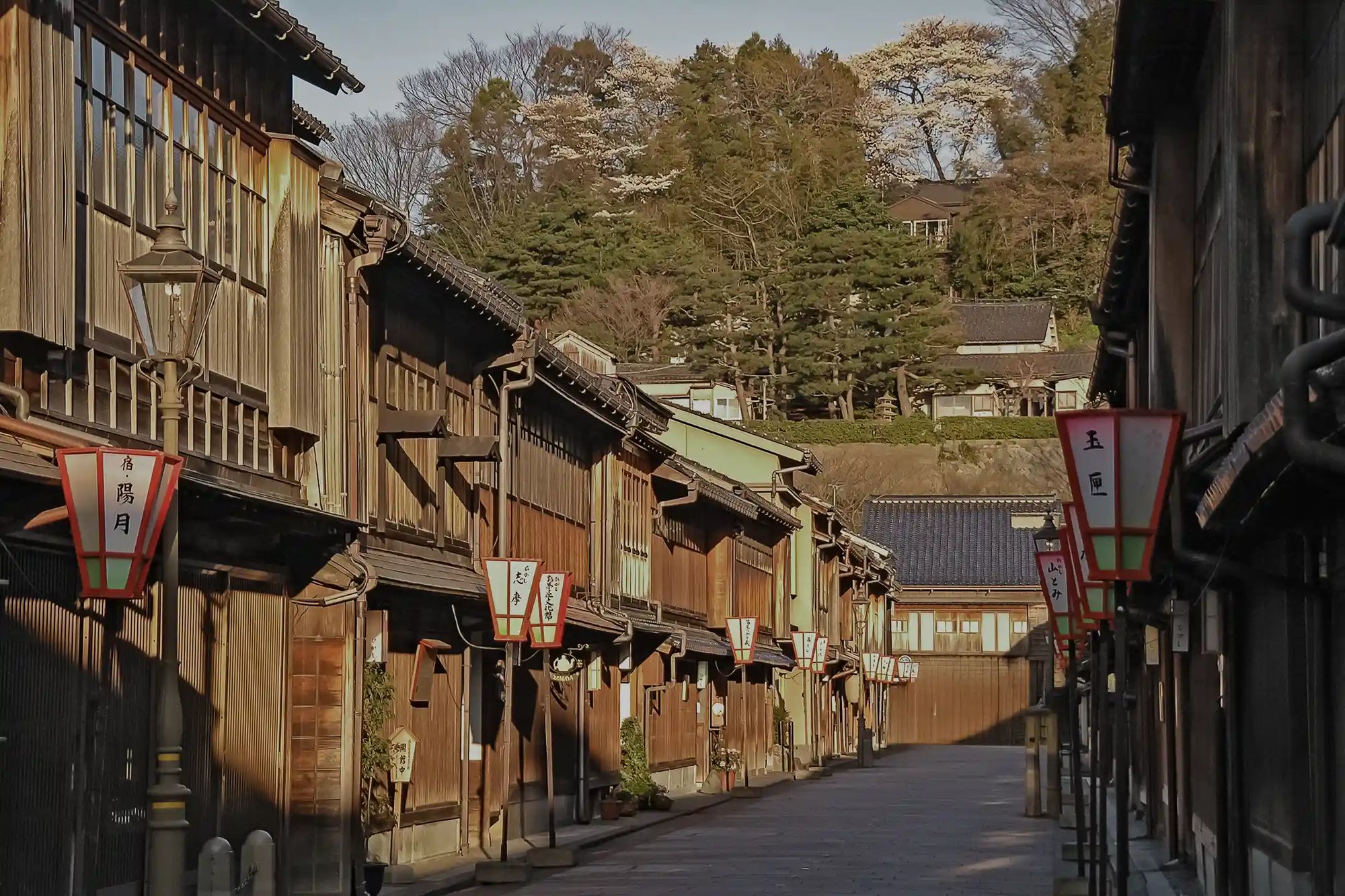
Dressed in kimono, a slow walk through the samurai quarter's earthen walls and narrow canals, with time for photographs while the lanes are still quiet.
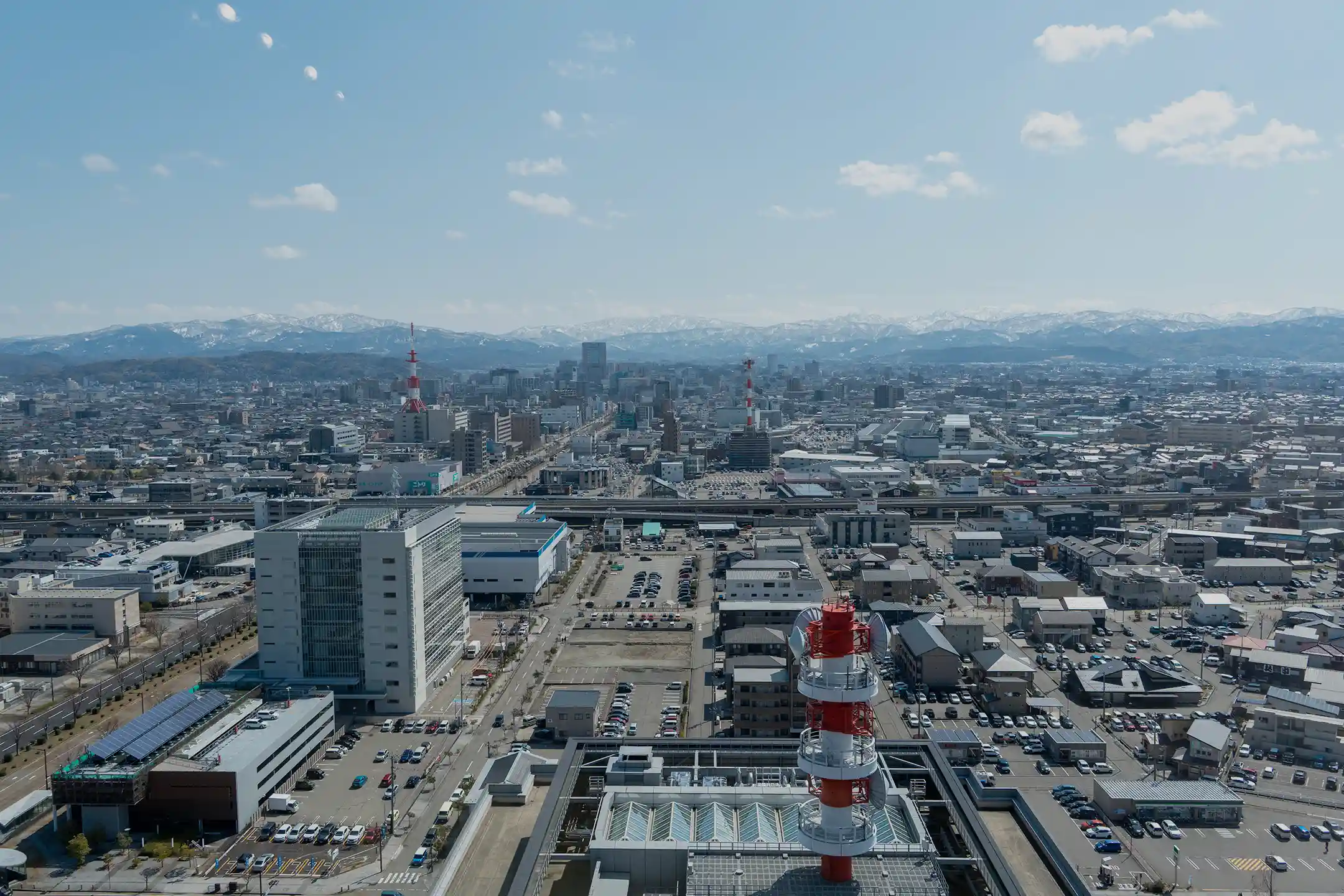
Lunch
Kanazawa's everyday comfort food — the long-loved Western-style diners and local noodle shops residents grew up on, chosen with you on the day.
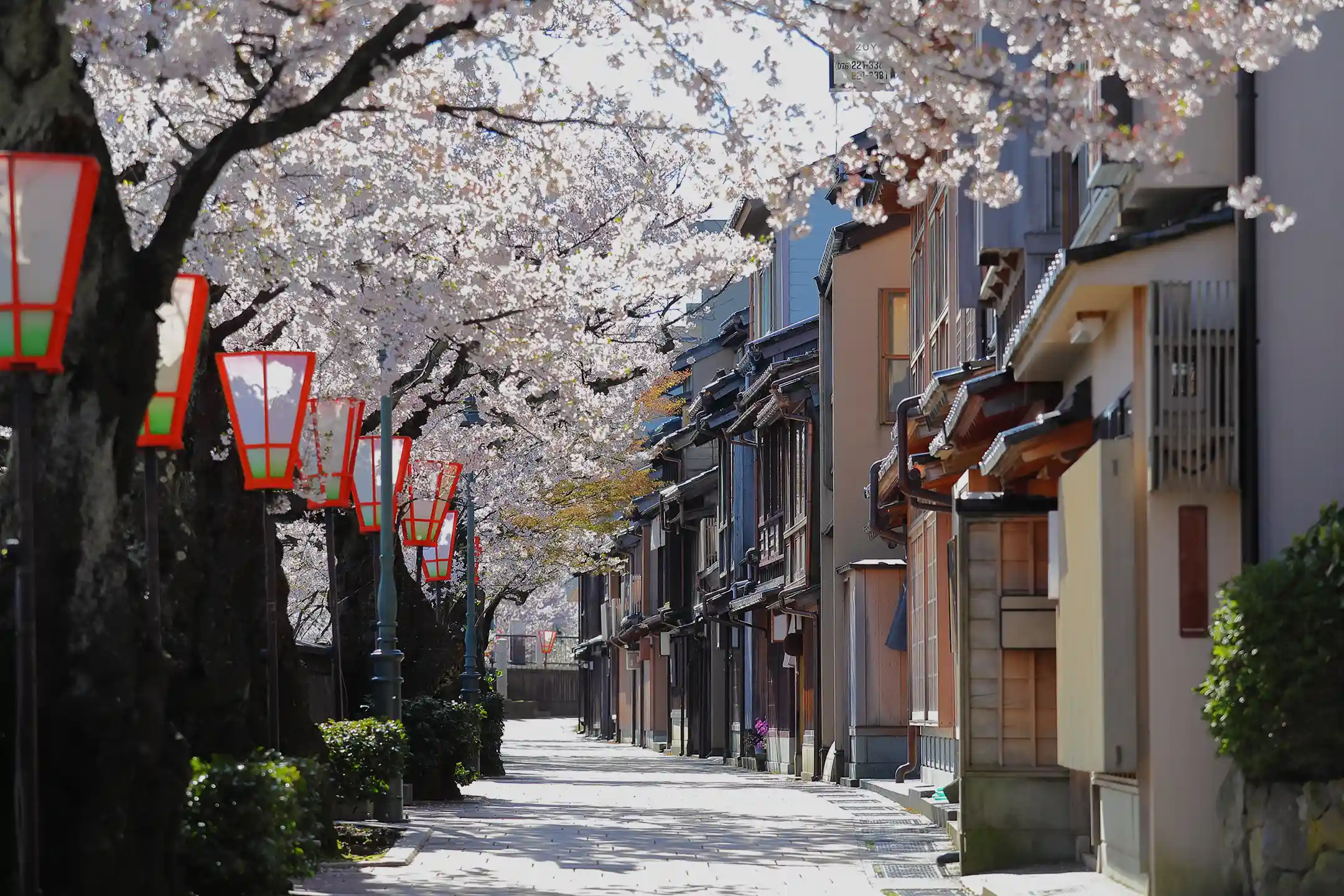
The Teahouse Districts
Higashi Chaya and Kazue-machi, the two lantern-lit quarters along the Asano River where geiko still perform, with their wooden lattices and stone steps kept much as they were two centuries ago.
%20and%20Nerikiri%20(traditional%20Japanese%20wagashisweet).webp)
Rakugan Making
With a confectioner whose house has made sweets in Kanazawa for close to four hundred years, press rakugan — dry sugar sweets — from carved wooden molds, then see a collection of antique molds and finish with tea.
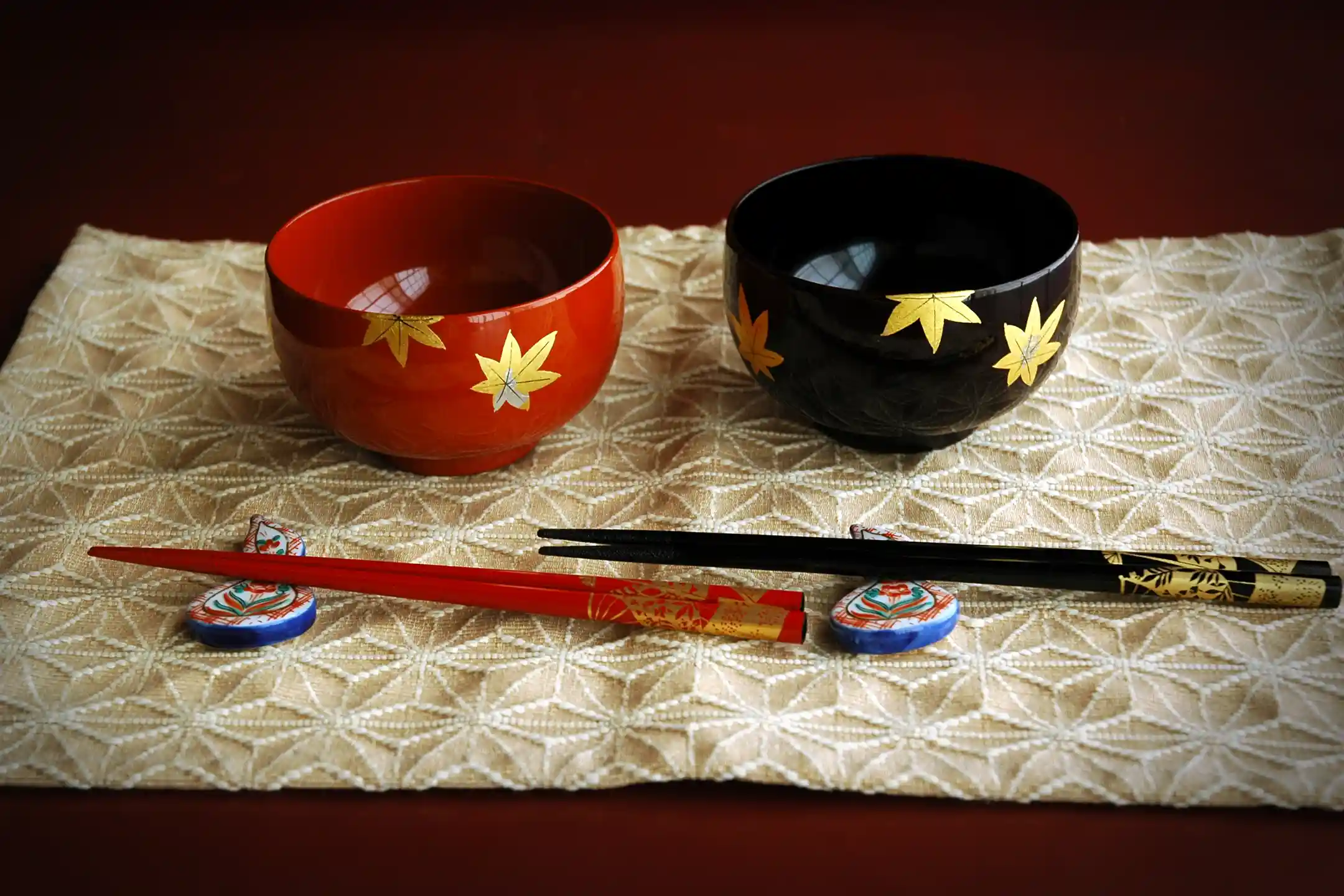
Dinner
Sushi from the Noto peninsula's waters, alongside fish grilled over an open hearth.
.webp)
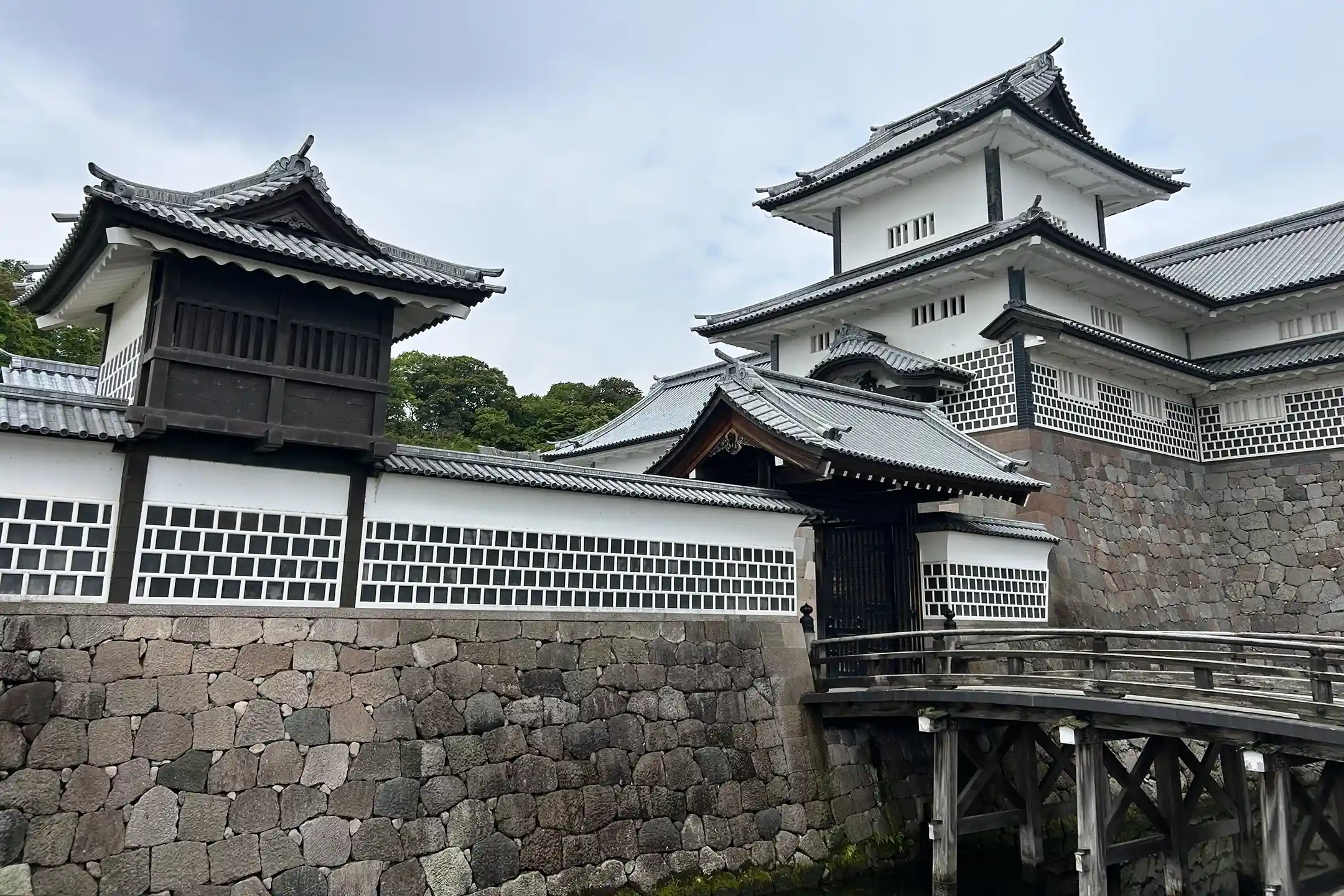
Kenroku-en
An early walk through Kenroku-en, counted among Japan's three great landscape gardens, before the day-trippers arrive.
A Four-Century Sake Brewery
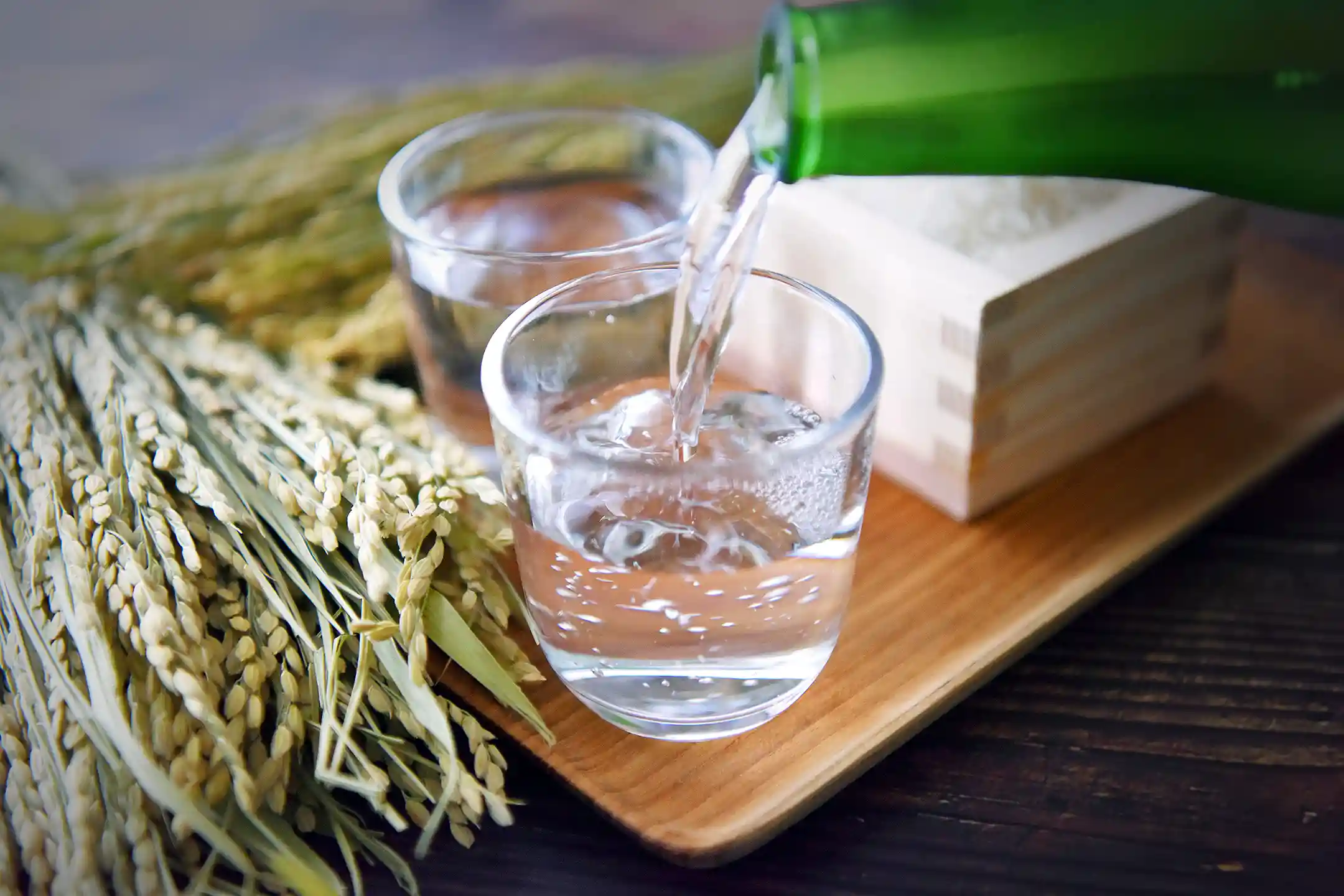
A visit to one of Kanazawa's oldest sake breweries, in operation since the early Edo period: a short film on the brewery's history, the story of its brewing water, a guided tasting with commentary, and time in its shop.
Lunch
Kanazawa curry, the city's thick, dark take on Japanese curry rice, at a long-standing local favorite.
Departure
Free time around Kanazawa Station for last purchases, then the Shinkansen back to Tokyo.