


Kamakura: Japan's First Warrior Capital, an Hour From Tokyo
Zen arrived in Japan here, not in Kyoto. A capital ringed by hills on three sides and the sea on the fourth, small enough to walk, and close enough to Tokyo that most people give it four hours and miss the point entirely.
About the Region
For about a century and a half from 1192, Japan was governed from Kamakura rather than Kyoto. The emperor stayed in the old capital; power moved to a small coastal town chosen precisely because it was hard to attack — hills on three sides, the sea on the fourth, and narrow passes cut through the rock for the roads. Those passes are still there and you can walk them.
The government eventually went back west, and Kamakura became what it is now: a town of about 170,000 people with an improbable concentration of thirteenth-century religious architecture, a surfing coastline, and a single-track tram that runs between the two. Tokyo is an hour away, which is why it is busy at weekends and near-empty on a Tuesday morning.
History
Zen came to Japan with the warrior government, and Kamakura is where it was installed. The shogunate imported Chinese masters, built them monasteries on the Song model, and ranked the five most important of them into a formal hierarchy — an arrangement Kyoto later copied. The architecture that resulted is noticeably different from the Kyoto temples most visitors see first: steeper, plainer, more Chinese, built for a military class that wanted a discipline rather than a court religion.
The other thing the period left behind is the seated bronze Buddha, cast in the 1250s. Its hall was washed away by a tsunami in the fifteenth century and never rebuilt, which is why it sits in the open. Almost everything about Kamakura is like that: the grand version did not survive, and what is left is the part that was built to last.
The Experiences
Zen & Temple
A Zen Monastery at Opening, Before Anyone Else
 Nature & Onsen
The Cut-Rock Passes, Walked on Foot
Nature & Onsen
The Cut-Rock Passes, Walked on Foot
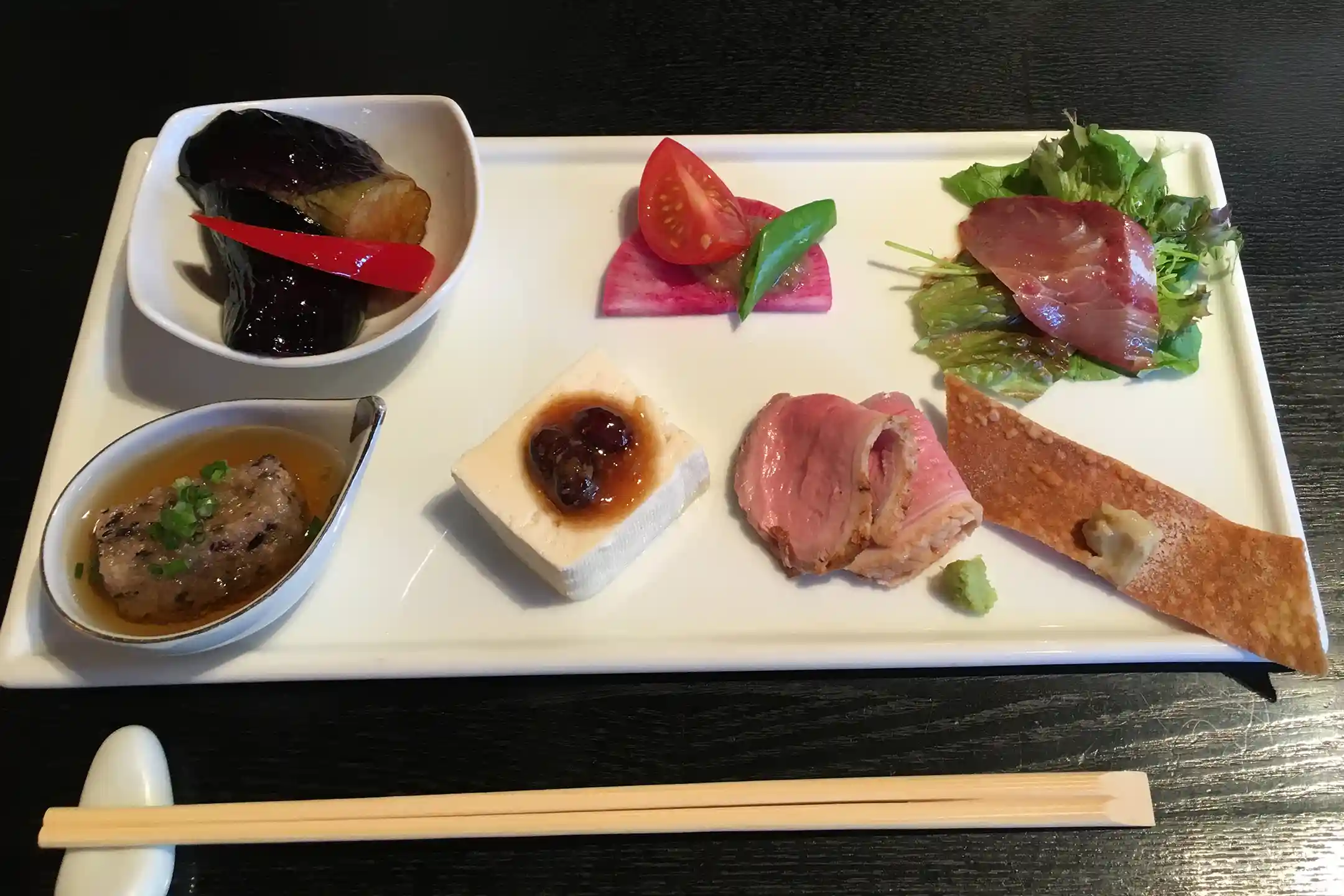 Tea & Kaiseki
Lunch in a House, Not a Restaurant Row
Tea & Kaiseki
Lunch in a House, Not a Restaurant Row
Itinerary Preview
Out of Tokyo Before the Trains Fill
Private transfer from your hotel, leaving early enough to be at a temple gate when it opens rather than when the tour coaches arrive. About an hour, with a guide who stays with you all day.
A Zen Monastery, at Opening
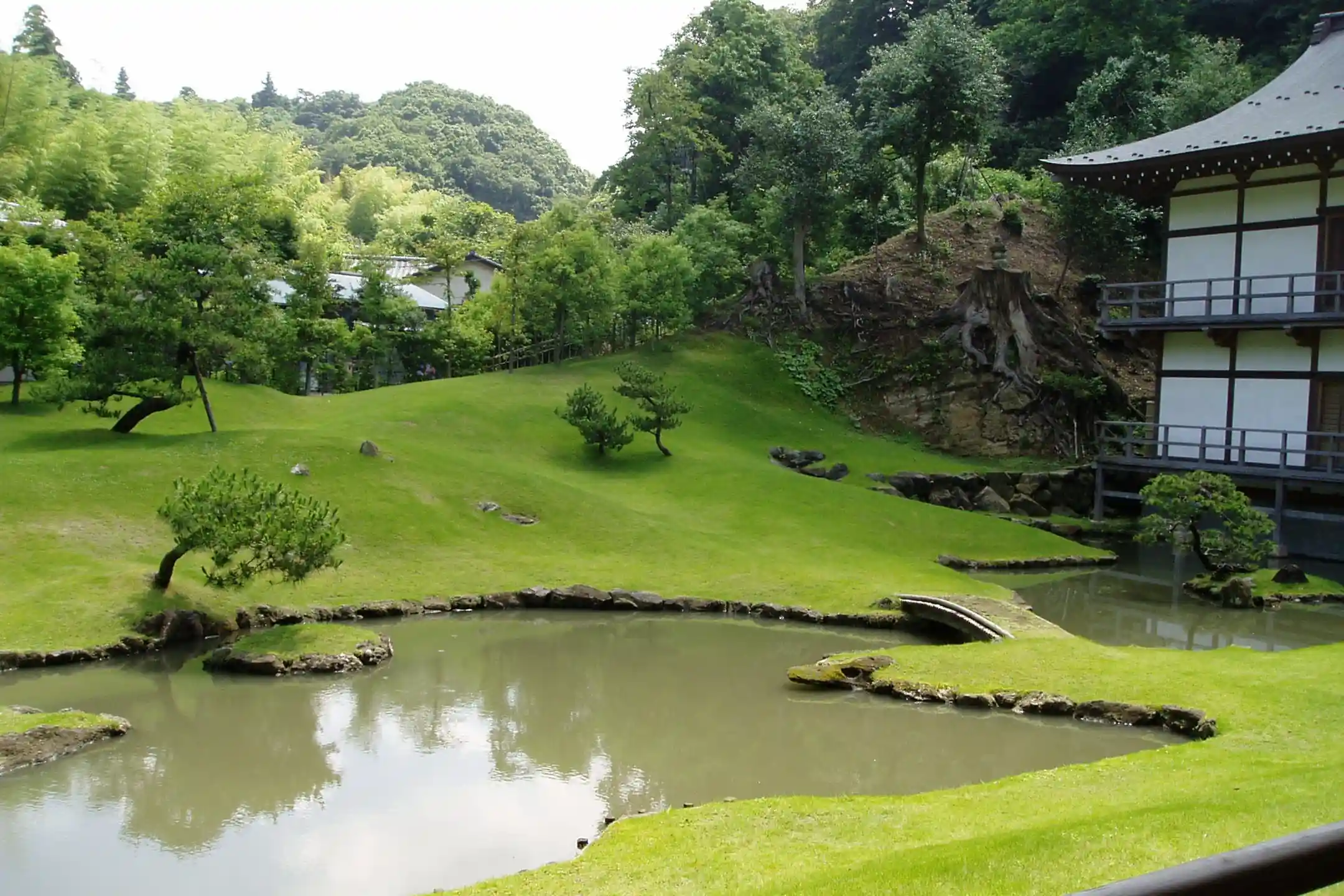
The oldest of the town's ranked Rinzai monasteries, entered in the first half hour of the day. Halls, a garden laid out in the thirteenth century, and — where the monastery allows it — a short period of seated meditation before the grounds fill.
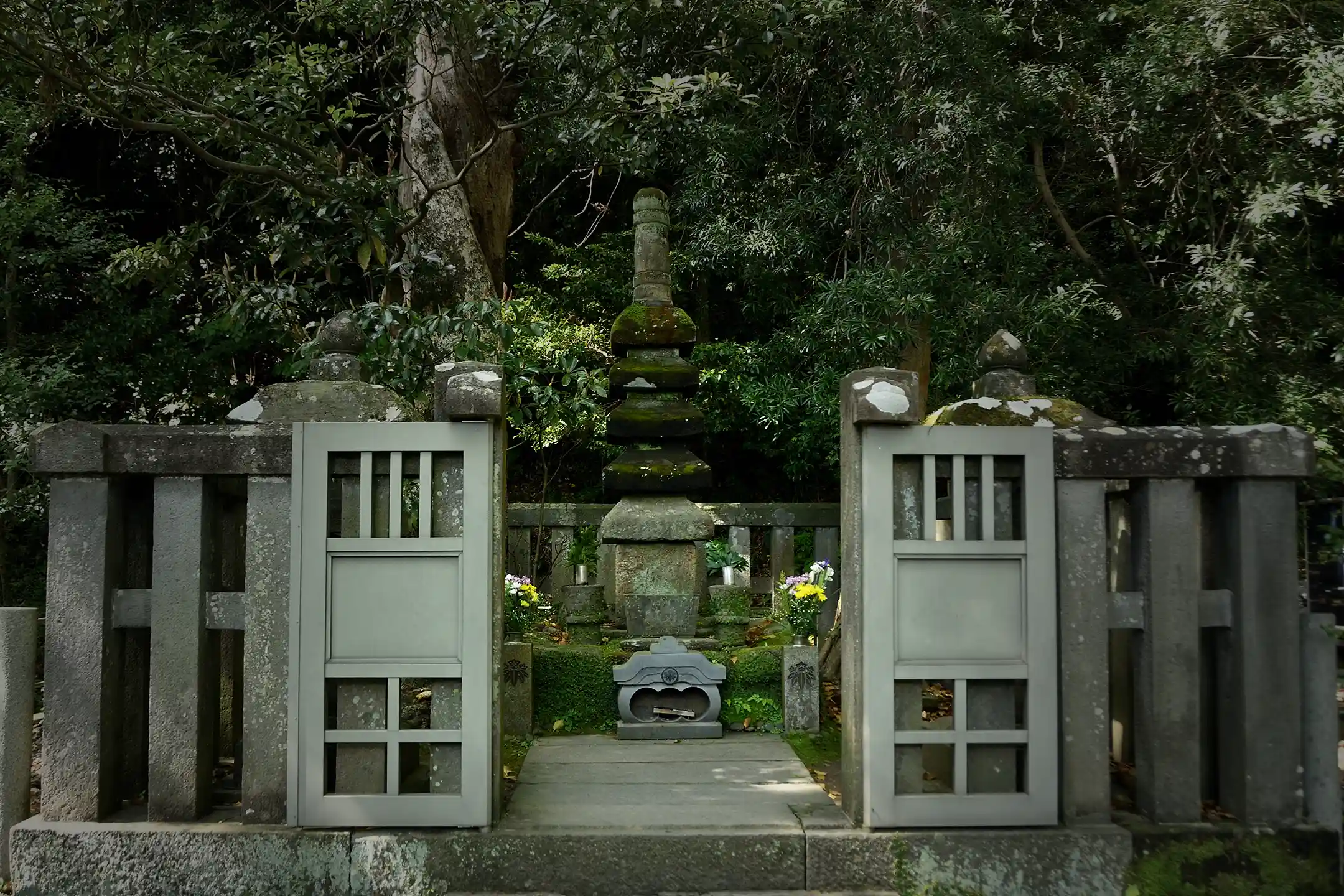
The Back Valleys, on Foot
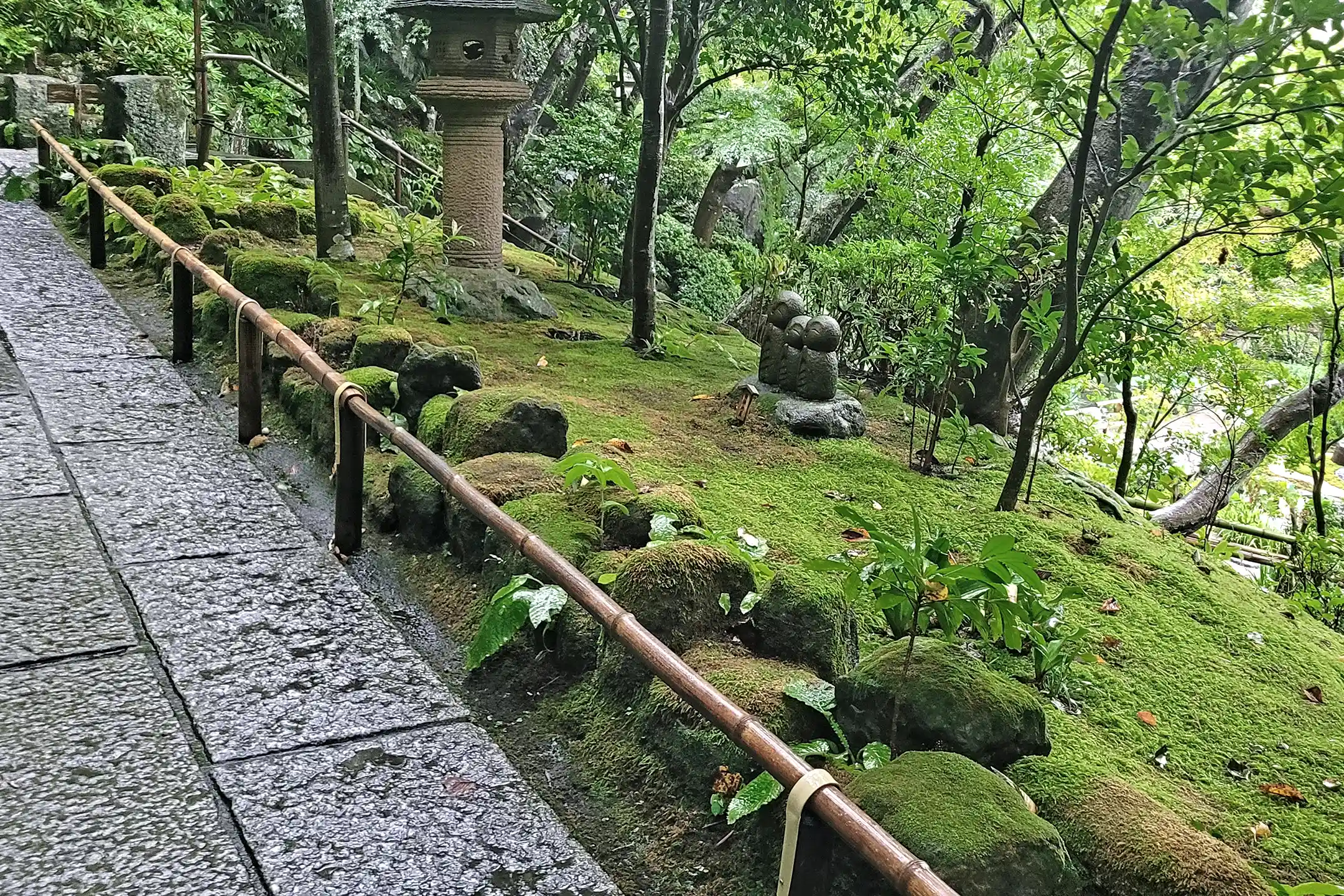
Away from the main approach into the wooded valleys behind it — a warlord's grave cut into the hillside, a pass hacked through rock eight hundred years ago, and about forty minutes of walking with nobody else on the path.
Lunch, Indoors and Quiet
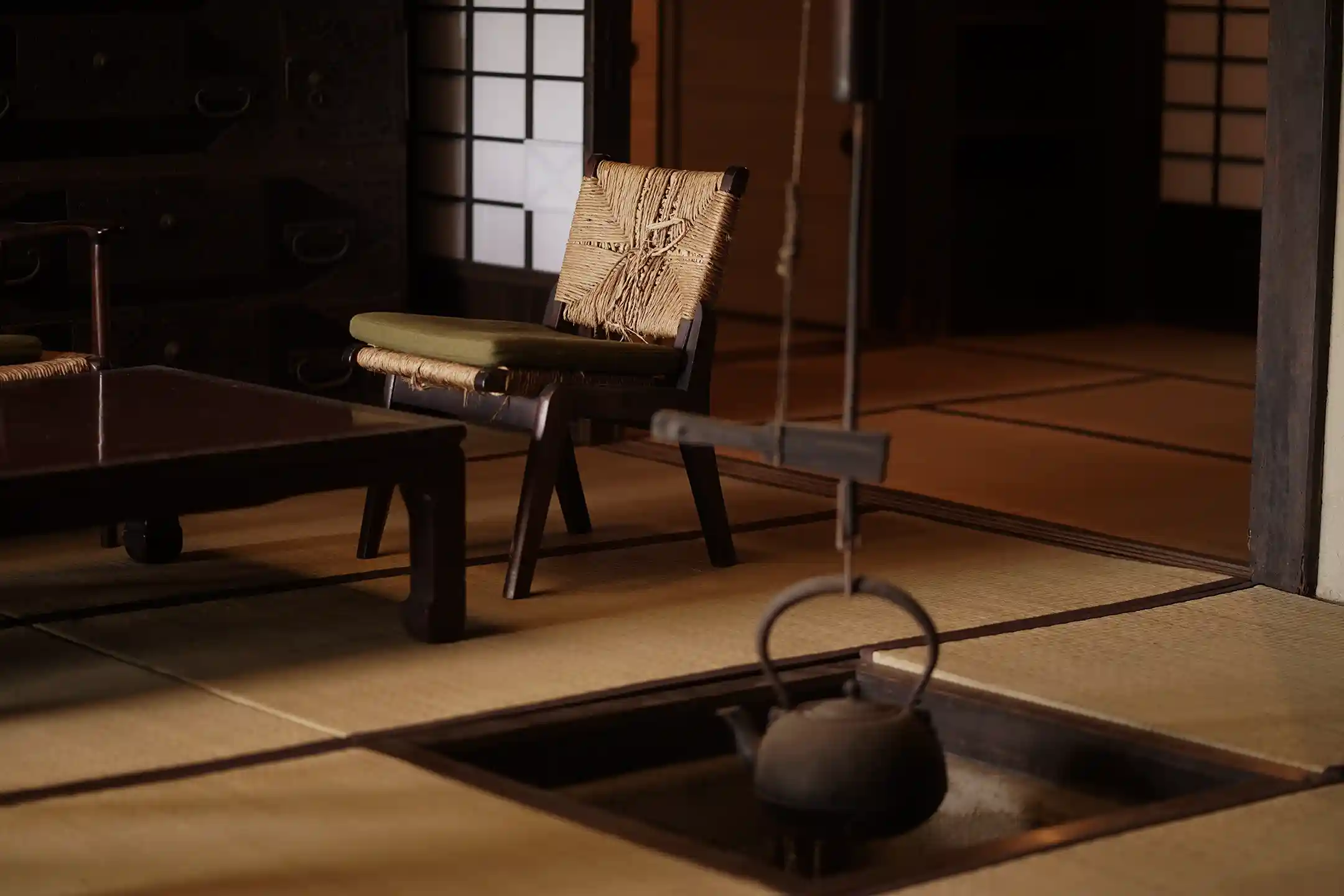
A small place in a converted house rather than the row of restaurants by the station. Soba or a light kaiseki depending on the season, arranged in advance so there is no queue.
The Great Buddha, and the Hillside Temple
The thirteenth-century bronze, sitting in the open since the sea took its hall away, and a hillside temple above the town with the bay laid out below it. Both busy by this hour, which is why they come after the quiet things rather than before.
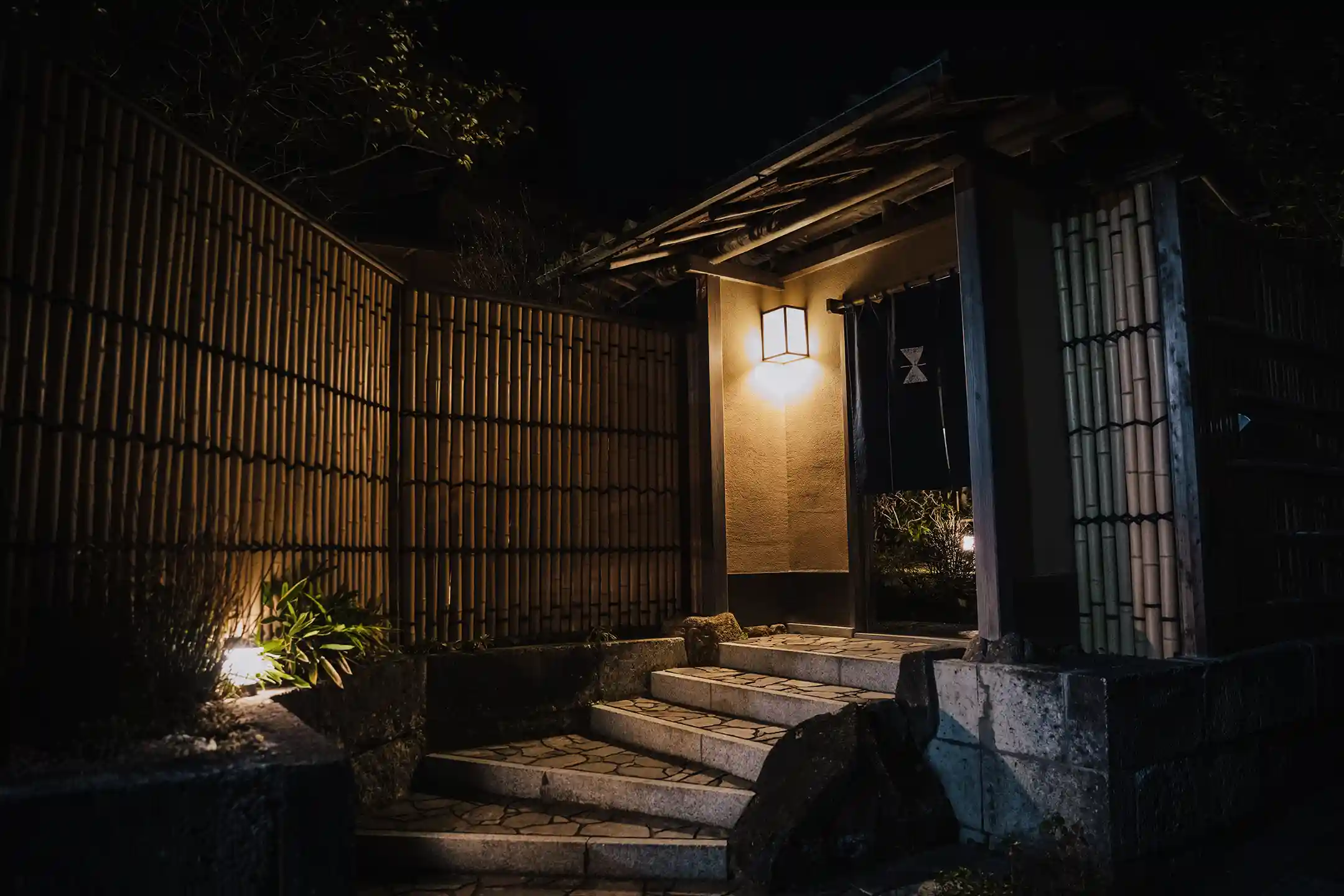
Down to the Coast on the Old Tram
Two stops on the single-track line that runs between the houses and comes out beside the sea. Ten minutes, and the most photographed stretch of railway in the country for a reason.
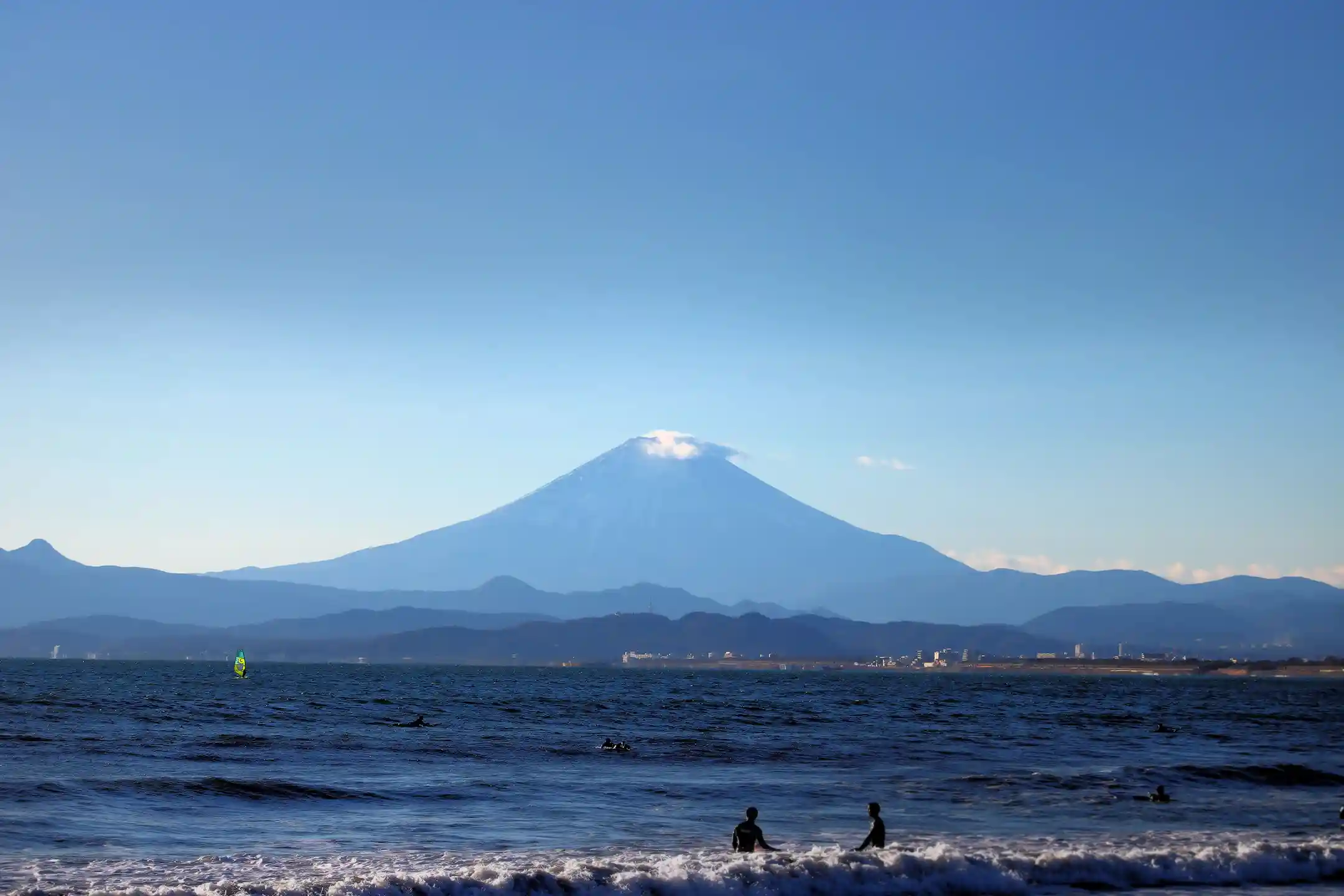
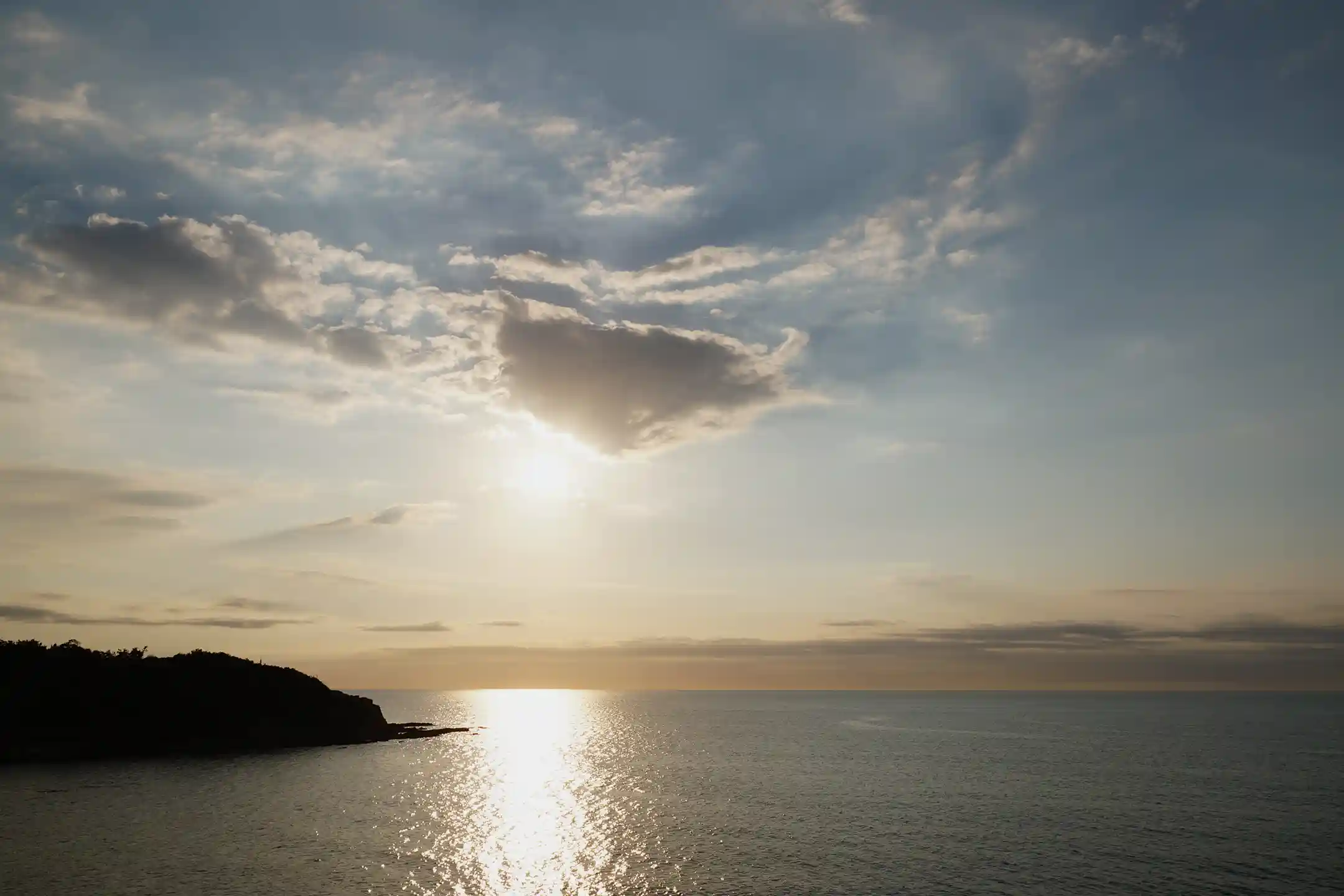
Mount Fuji, Across the Water
On a clear winter afternoon Fuji stands directly across the bay from this coast, and the light goes at about a quarter to five. Nothing is scheduled for this hour except being there.
Back to Tokyo
Private transfer back, timed around dinner in the city rather than a fixed departure. Or stay on the coast — there are a handful of small places worth the night.