
A snow-covered town in northern Japan at night
Sample Itinerary
Place — Iwate

Iwate: Dances That Were Never Made for an Audience

Six hundred kilometres north of Tokyo, masked ritual dance is still performed through the winter — at shrines, for the deities and for the neighbours, on nights nobody advertises. There is no theatre and no ticket. Getting in means being brought in by a family that has danced it for generations.
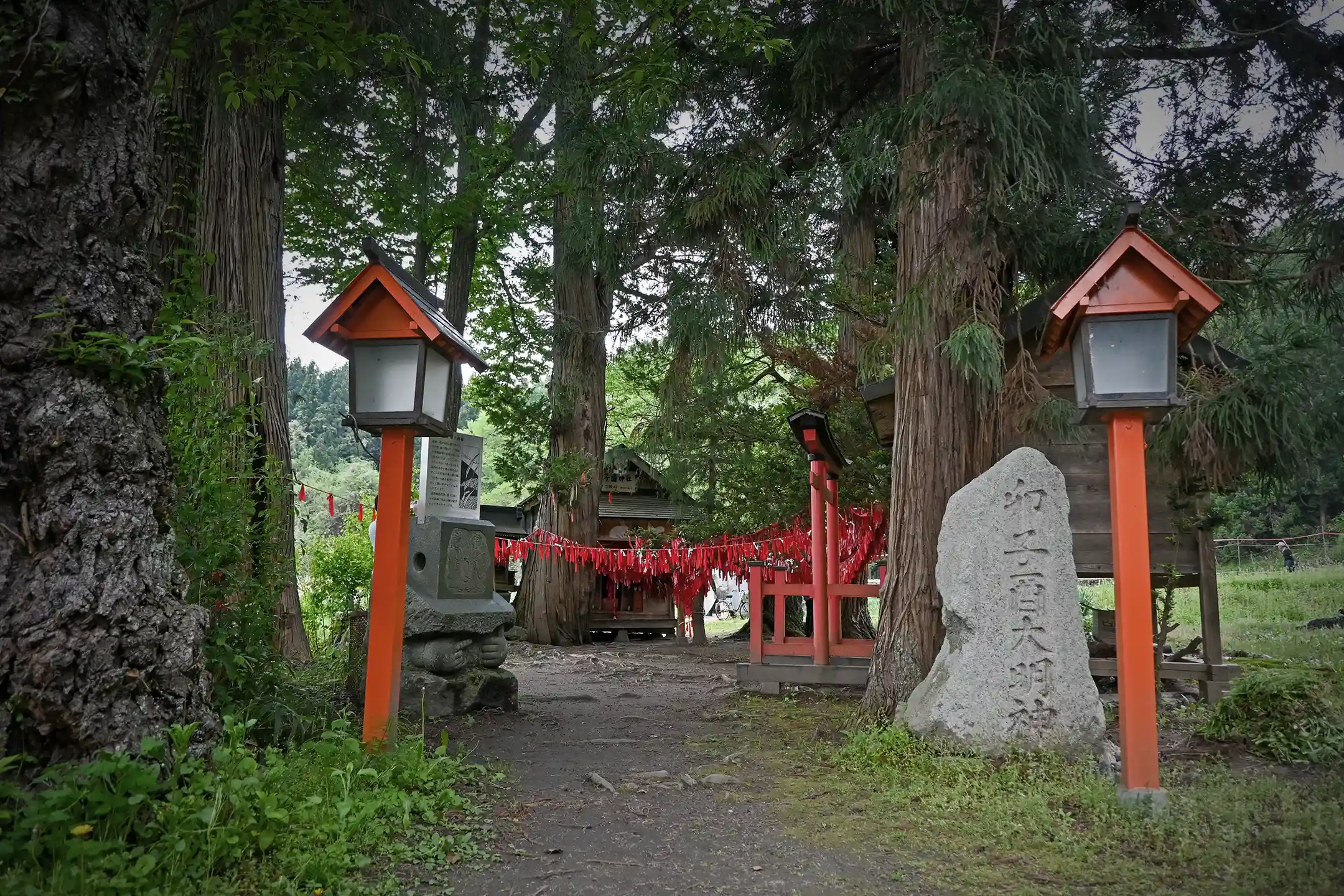
Ritual First, Performance Second

The dance marks the turning of the year, not a season of shows. The dancers farm, teach and drive trucks the rest of the week. What you watch is an act of worship that happens to be one of the oldest stage forms in the country.

You Arrive With Someone, Not At Something

Our way in is a household rooted in the shrine tradition of this valley, and in the preservation society that carries the local dance. The introduction is the itinerary. Without it there is nothing to buy a ticket for.

Three Old Forms, One Valley

Masked ritual dance, a harvest dance whose steps predate the city parade that made them famous, and horseback archery ridden on a shrine approach — all within an hour of the same station, and all still practised rather than reconstructed.

A river in northern Japan in winter, lined with frost-covered trees

About the Region

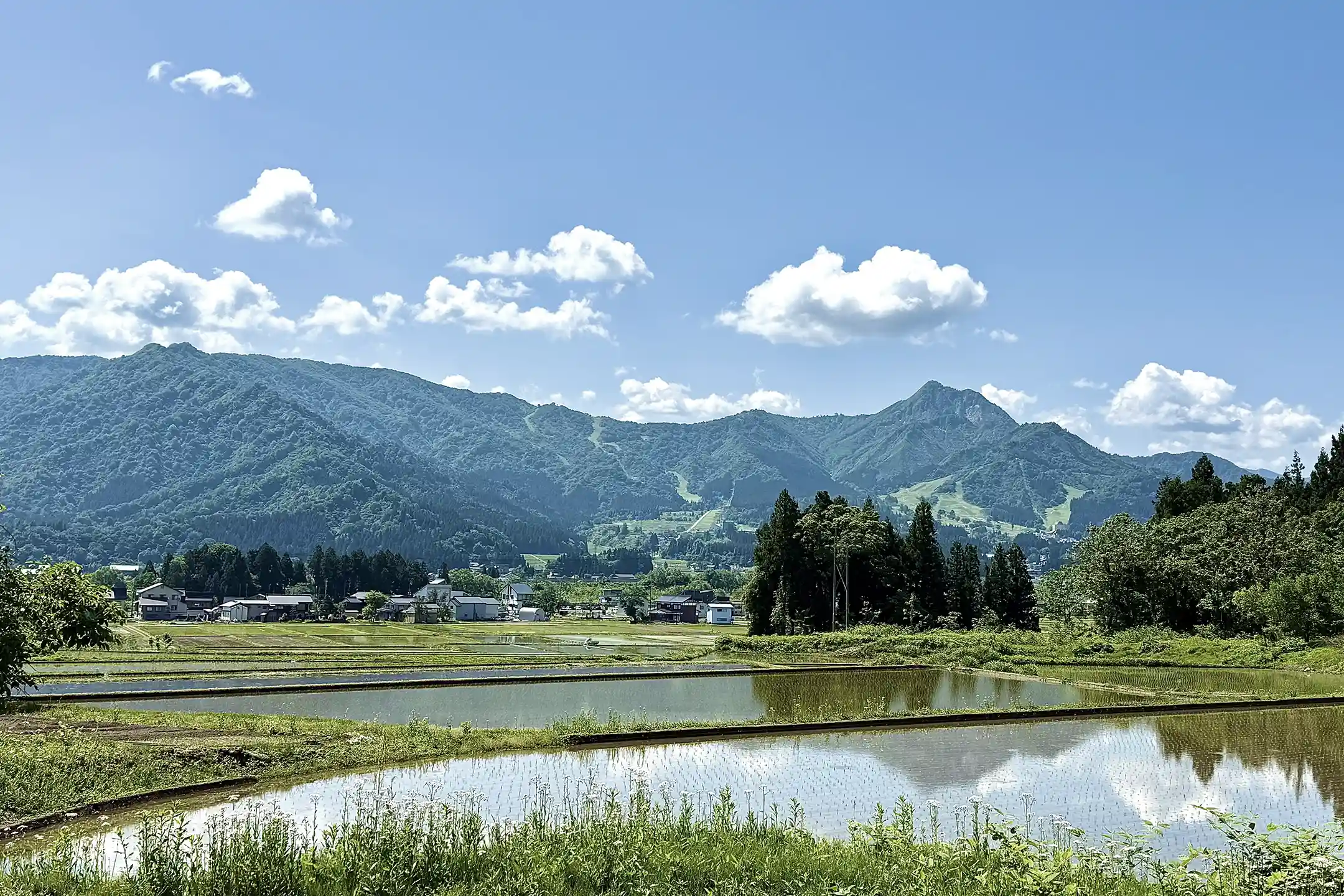
Iwate is the second-largest prefecture in Japan and one of the emptiest. It sits on the northern Pacific side of Tohoku — a little over two hours from Tokyo by bullet train, and a world away from the Kyoto-and-Hakone circuit that most first visits follow. Winters are long, villages are far apart, and almost no international itinerary comes this way. The upside is that nothing here was ever sanded down for visitors, because visitors were never the point.

Morioka, the prefectural capital, is a walkable castle town set where three rivers meet, with a working craft economy in ironware, textiles and sake, and very little foreign traffic. Drive twenty or thirty minutes in any direction and you are in rice country: scattered shrines at the end of cedar approaches, and community halls where the local troupes still rehearse on winter evenings because that is simply what is done.
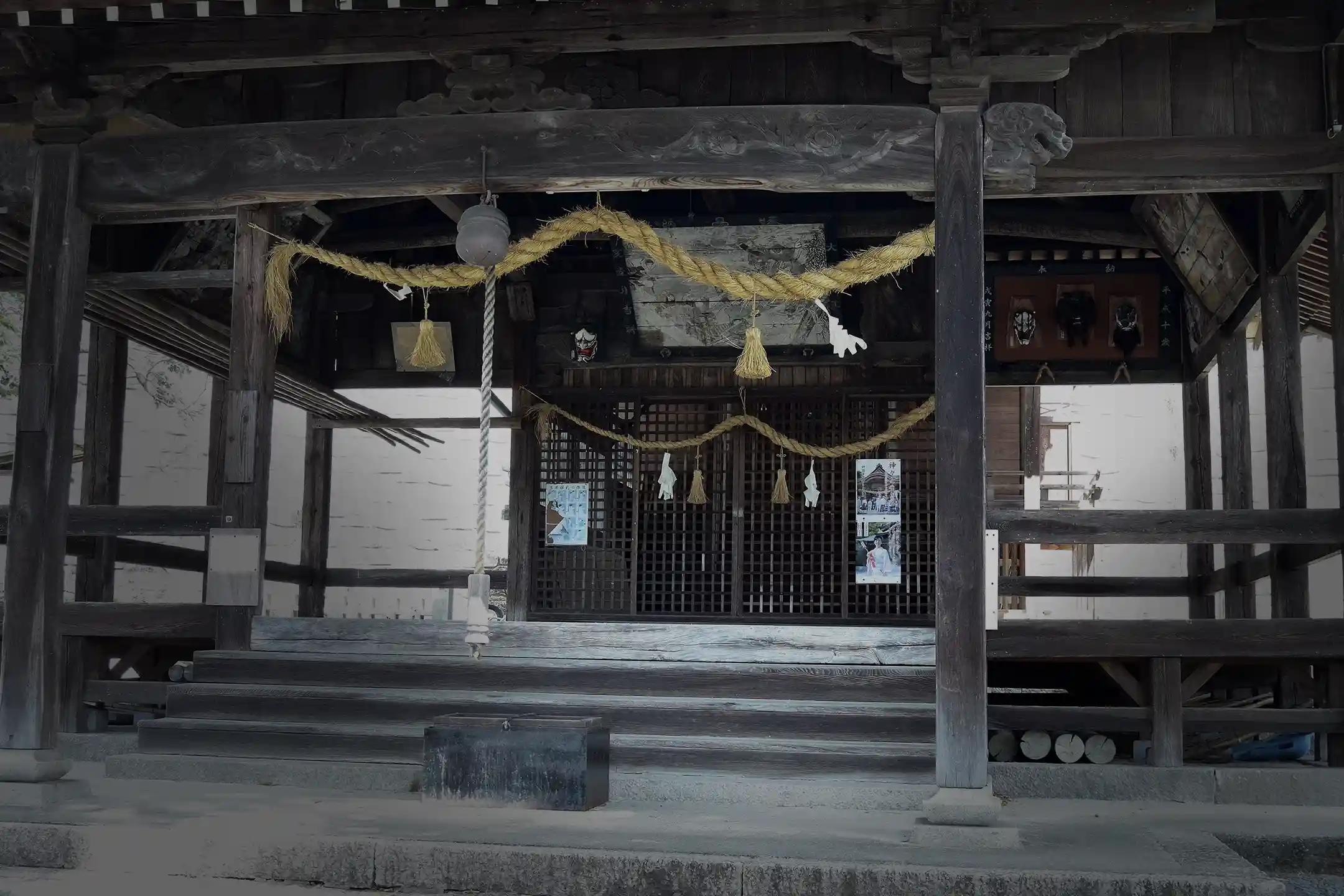
An old wooden stage for ritual dance in the countryside

History

Sacred dance offered to the gods is the oldest continuously performed stage art in Japan, written into the eighth-century chronicles and still danced in Iwate's villages in masked, narrative form. Troupes travel between shrines through the cold months with episodes drawn from myth and from the medieval war tales — a favourite here follows a boy general and the warrior monk who served him. Children learn it from the edge of the floor, winter after winter, long before they are allowed to step onto it.

The region's harvest dance has a separate lineage: a village tradition older than the summer city parade that grew out of it, danced in costumes bearing crests granted long ago by the house that ruled the north. Horseback archery survives here as a shrine rite rather than a spectacle — a rider, a straight gravel approach, three targets, and a community watching from under the trees.

The Experiences
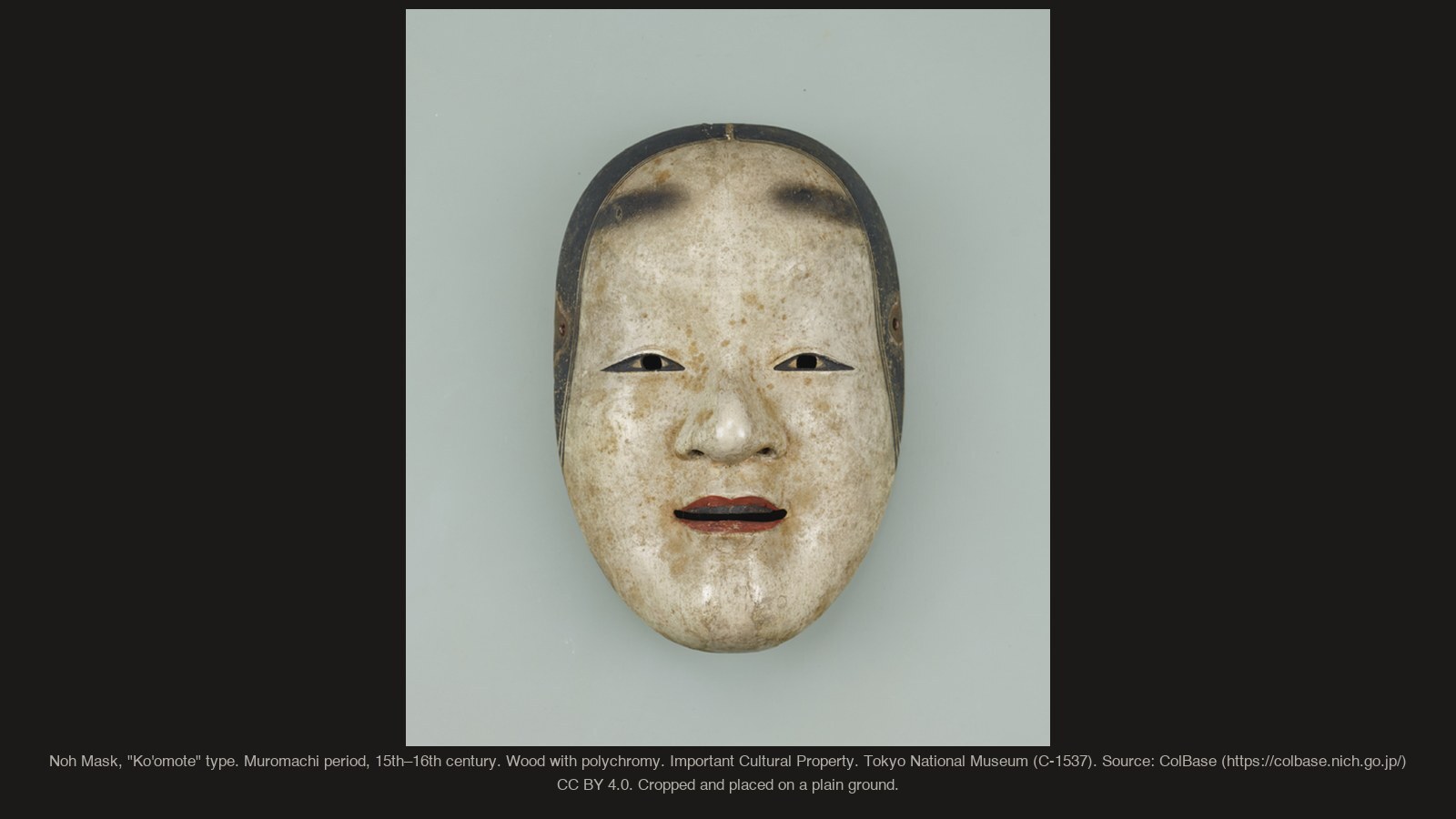
A carved wooden mask used in ritual dance Ritual Dance Masked Dance, on a Winter Night Evening · winter season only Costumed dancers performing outdoors at a shrine Folk Dance The Harvest Dance, From the Inside Half day A plain torii gate on a country shrine approach Shrine Rite Horseback Archery on the Approach Half day · seasonal
Talk to us about Iwate
The Feeling We're Chasing Somewhere the old year is still danced out in the cold. Enquire About Iwate →

Itinerary Preview

A sketch, not a fixed programme. Iwate sits far enough north that it works best as its own three or four days rather than a detour from Tokyo. Ritual dance and horseback archery both follow the shrine calendar, so the shape below moves with the season we are planning for. This page is published for information only. It is not an offer, a solicitation or a sale of a travel product, and nothing here can be booked from this site. Every itinerary is built individually around your requirements after a private consultation, and any figure shown is a reference starting point — a written quotation is issued to you individually.
Day 1 Arrival
Afternoon

Into the Castle Town

Bullet train north, then a slow first evening on foot where the three rivers meet — ironware shops, a sake house, and the mountain sitting over the end of the street. Nothing scheduled. The point is to arrive properly.

Day 2 The dance
Late afternoon

Before the Masks Come Out

Out to the valley while it is still light. You meet the people who dance before you watch them dance: the shed where the masks and costumes are kept, what each piece is for, and which episode is being performed tonight and why that one.

Day 2 The dance
Evening

The Floor, Not the Stalls

The performance itself, in the hall or on the shrine floor where it actually happens — sitting close, with the drum felt through the boards. Afterwards, food and a drink with the troupe, which is the half most visitors never reach.

Day 3 Rite and craft
Morning

The Approach and the Horse

Where the season allows, horseback archery on a shrine approach — the run walked first at ground level, so you can see how little room the rider is actually given. Where it does not, a morning with the harvest dance and the crested costumes instead.

Day 3 Rite and craft
Afternoon

Iron, Cloth, Rice

Back towards town through the working side of the prefecture: a foundry, a dyer, or a brewery, depending on what is running that week.

Day 4 Departure
Morning

South, or Further North

Train back to Tokyo, or on up the coast if you would rather keep going. We will have said by now which of the two we would do.

Iwate に関する FAQ

Can I see the masked dance at any time of year?

No, and that is the point. It follows the shrine calendar and is concentrated in the colder months. If you are travelling in summer we will build the days around the harvest dance and the craft side instead, and say so plainly rather than staging something out of season.

How far is it from Tokyo?

A little over two hours by bullet train to the prefectural capital, then twenty to forty minutes by car to the valleys. It is a long way by Japanese standards, which is precisely why so little of it has been packaged.

Is this a performance arranged for us?

No. These are rites and community events that would happen whether or not anyone came. What we arrange is the introduction, the context beforehand and the interpreter — not the occasion itself.

Will there be other visitors?

Usually none from abroad. There will often be local families, because that is who these evenings are for. You are joining something, not booking it out.

Do we need Japanese?

No. Interpretation is arranged, and the briefing beforehand matters more than live translation — once you know what the mask, the drum and the sequence mean, the dance reads on its own.

Can Iwate be combined with the rest of a trip?

Yes, but we would rather give it its own three or four days than bolt a night onto a Tokyo-and-Kyoto route. Tell us how long you have and we will be honest about whether it fits.

Plan Your Own Version of This

This Is One Way Into Iwate — Yours Can Look Different

Tell us when you can travel and how much time you have, and we will tell you honestly what is actually running that week in the north.

Enquire →