


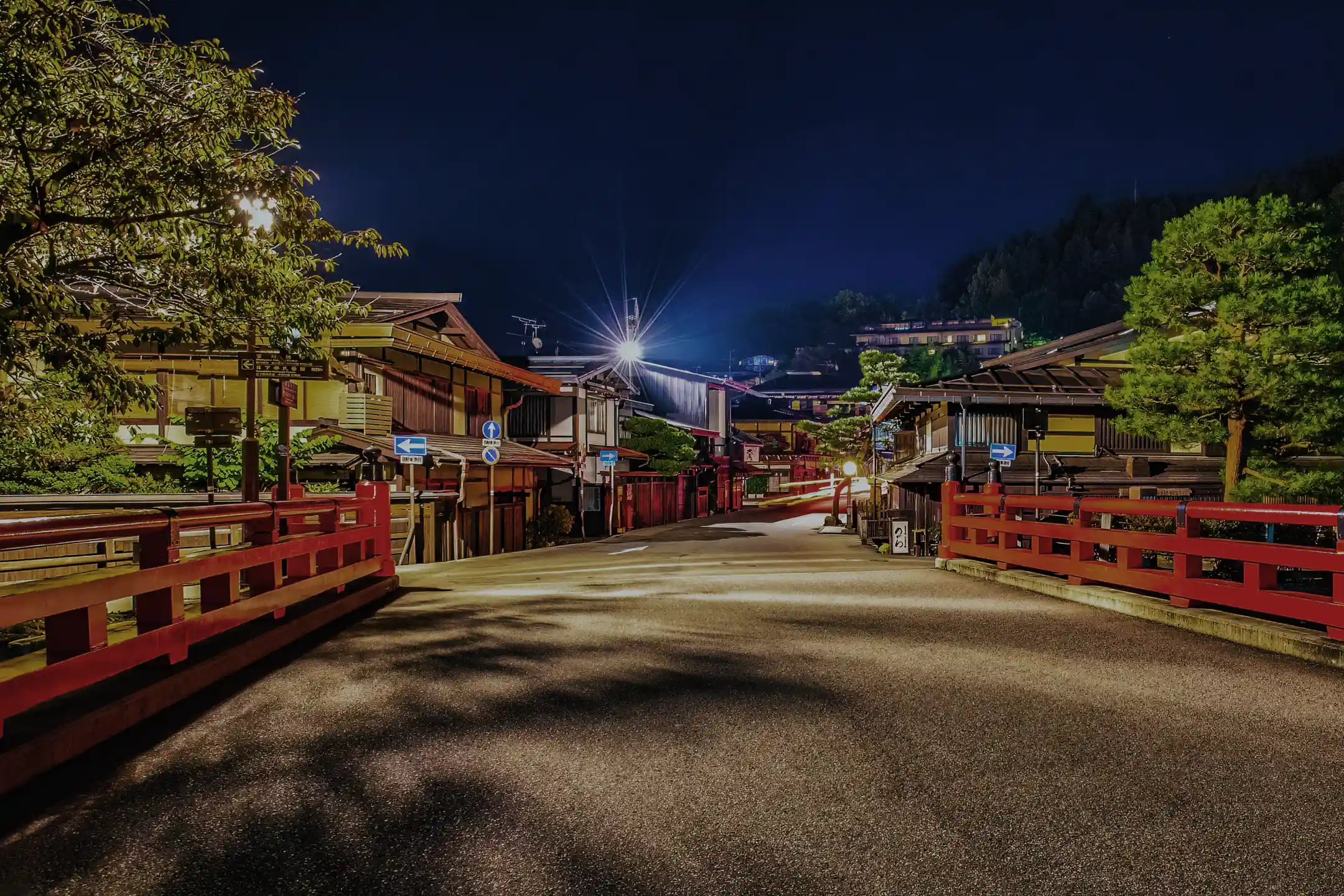
Hida Takayama: Where a Sake, a Rite and a Piece of Theatre Are One Thread
A mountain-locked merchant town in the Japanese Alps, with carpenters good enough to have been conscripted by the imperial court, breweries working the same water for three centuries, and a festival built around performance offered to a god rather than to an audience.
About the Region
Hida is the northern half of Gifu Prefecture: a bowl of steep, forested mountains in the middle of Honshu with the Northern Alps on one side and almost no flat ground anywhere. Rice never grew well here, so the province paid its taxes to the ancient court in carpenters instead — skilled men sent to the capital for months at a time to build palaces and temples. That is a documented arrangement, and it lasted for centuries.
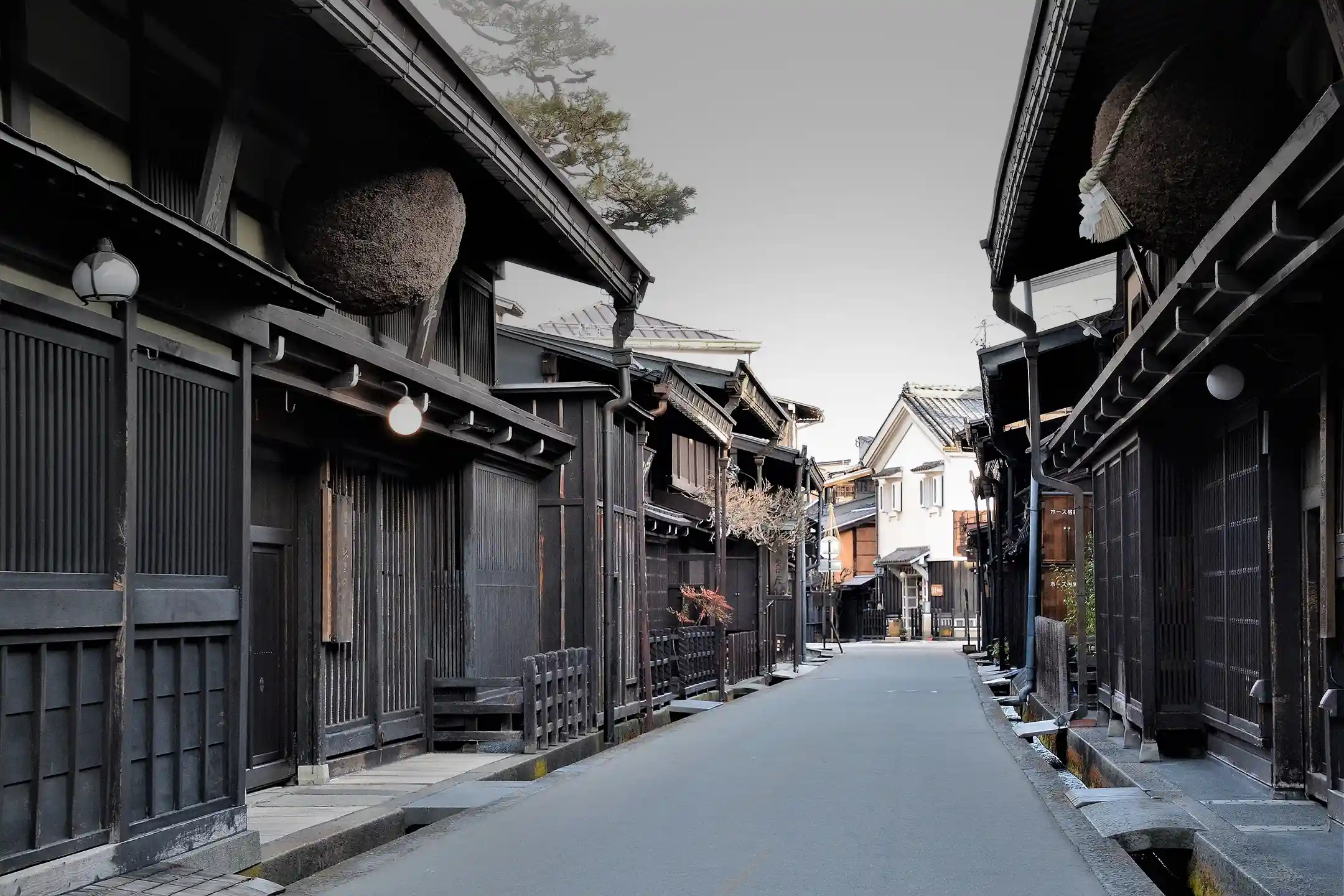
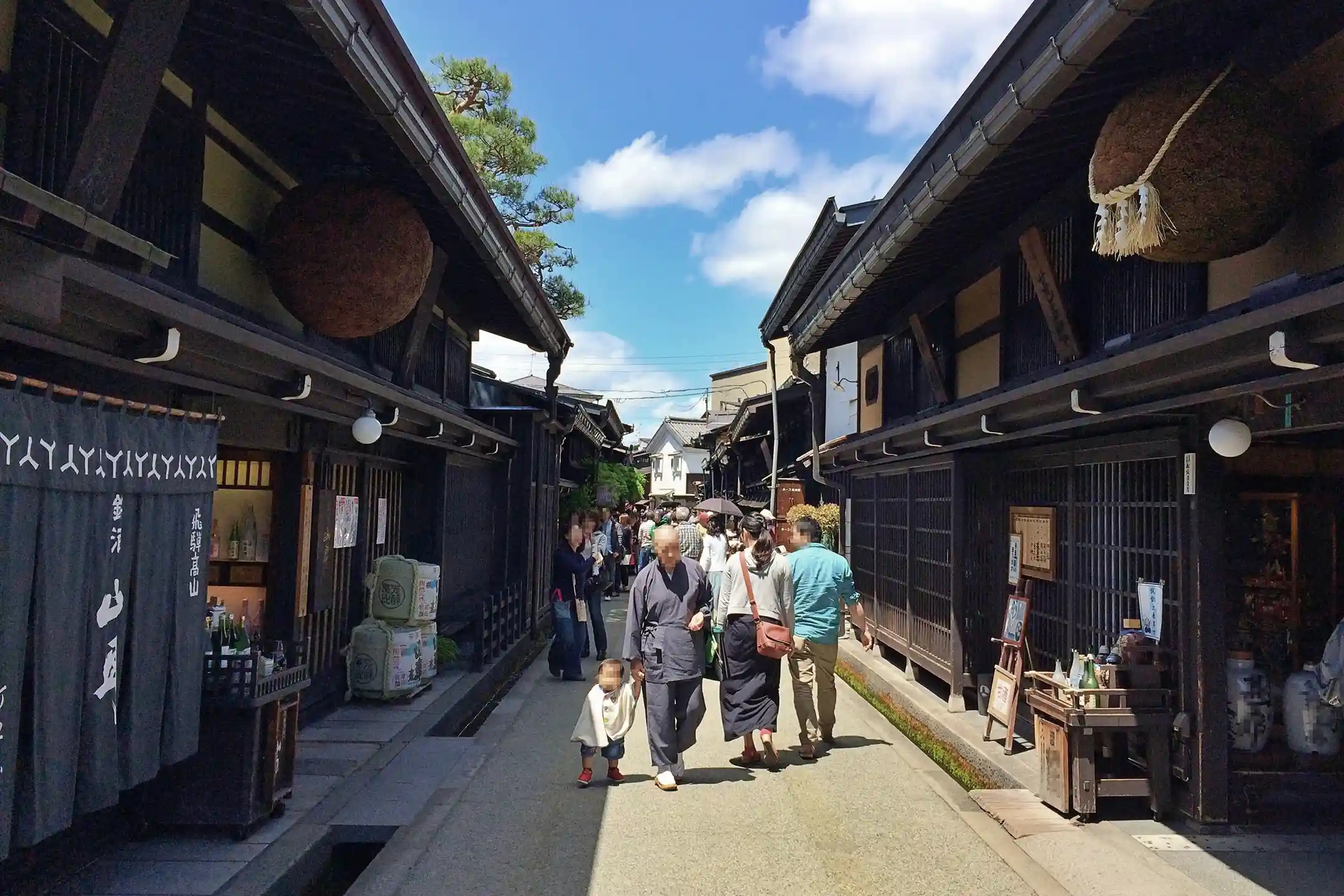
What it left behind is a town built to a standard the size of its economy does not explain. Merchant houses with deep eaves and lattice fronts, a preserved magistrate's office, festival floats that are effectively cabinetry on wheels, and a food culture that leans on what mountains give you — miso, river fish, mountain vegetables, and beef from cattle raised on the slopes.
%20at%20the%20Takayama%20Festival.webp)
History
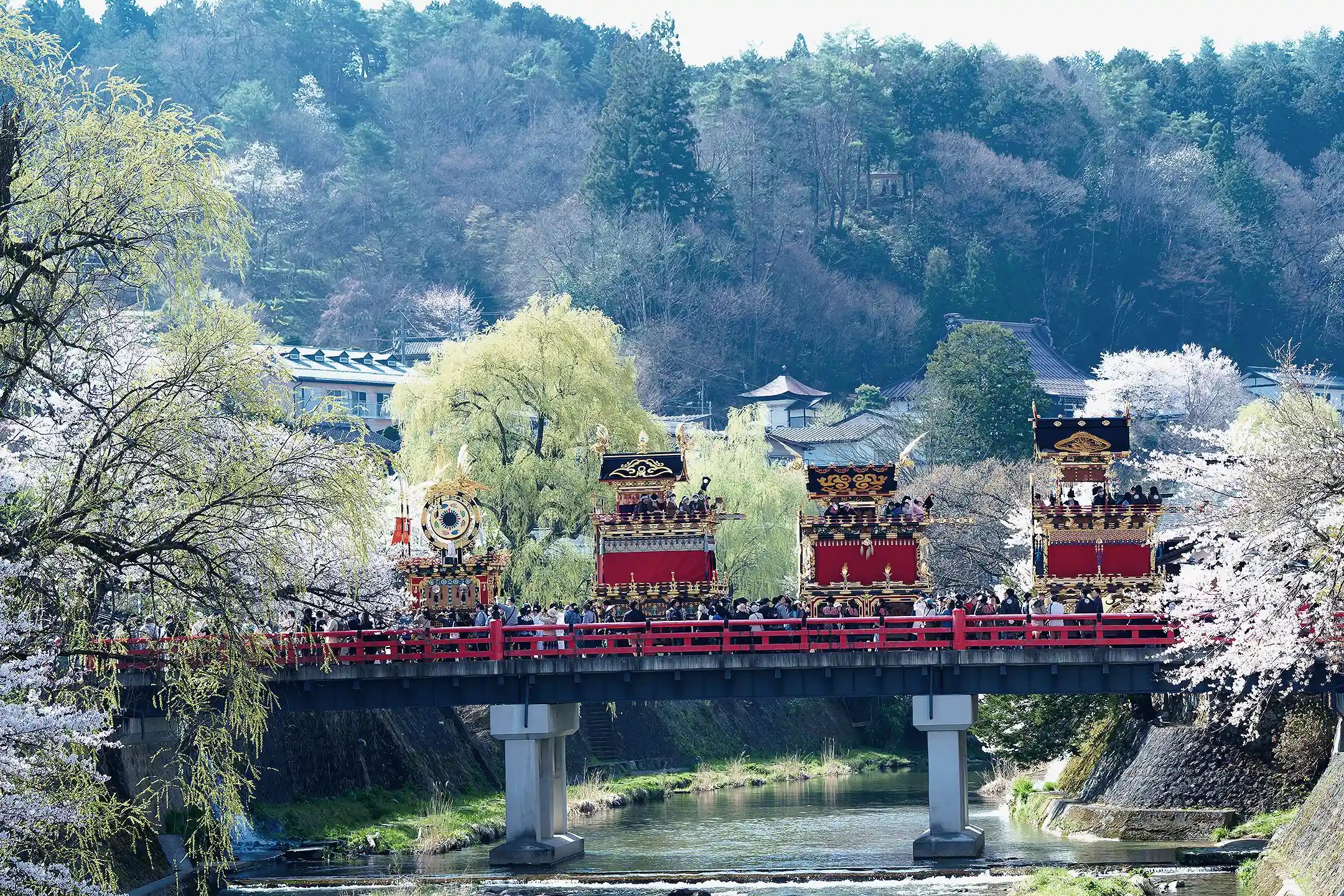
The town's spring and autumn festivals are usually described as a parade of floats, which undersells them. The floats carry marionettes worked from inside by three or four operators on strings and rods, and what the marionettes perform is hōnō — a dedication. The piece is played toward the shrine. The crowd watches the back of the offering, not the front of a show.
That framing runs through everything old in this valley. A sake is brewed and then dedicated. A dance is danced toward a god. A piece of classical comic theatre, performed here by a school that has kept it for six hundred years, is an offering before it is an entertainment. Understanding that one word is the difference between watching a folk performance and understanding why it has survived.
The Experiences
%2c%20Ochoko%20(Cups)%2c%20and%20Rice%20Ears.webp) Craft
A Brewery Street, Tasted in Order
Craft
A Brewery Street, Tasted in Order
 Performing Arts
Classical Comic Theatre, Offered at a Shrine
Performing Arts
Classical Comic Theatre, Offered at a Shrine
 Craft
White-Walled Storehouses, an Hour North
Craft
White-Walled Storehouses, an Hour North
Itinerary Preview
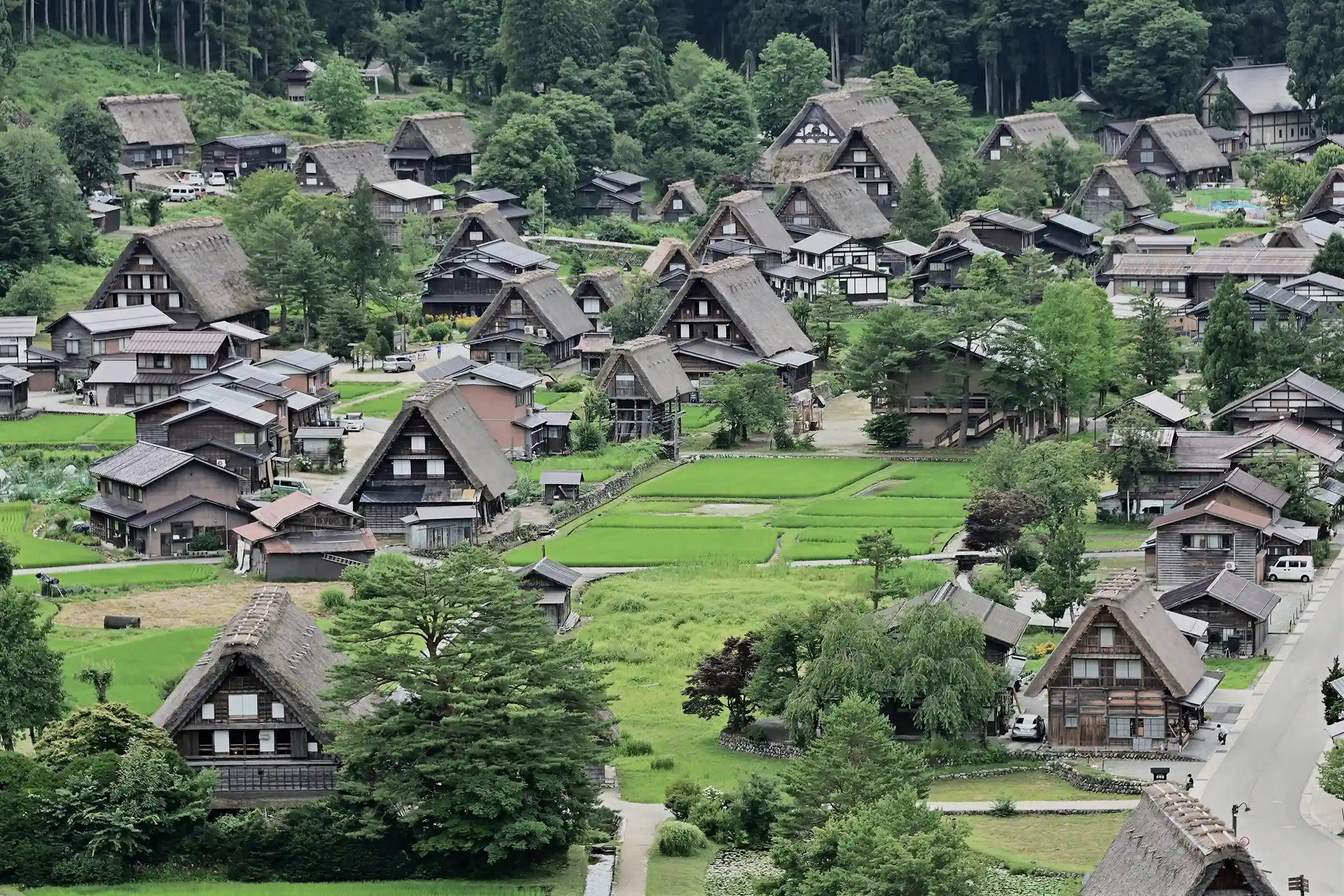
Up Into the Valley
Private transfer from Nagoya or Kanazawa — about two and a half hours either way, most of it climbing through forest. There is no shinkansen to this town, which is a large part of why it is still the way it is.
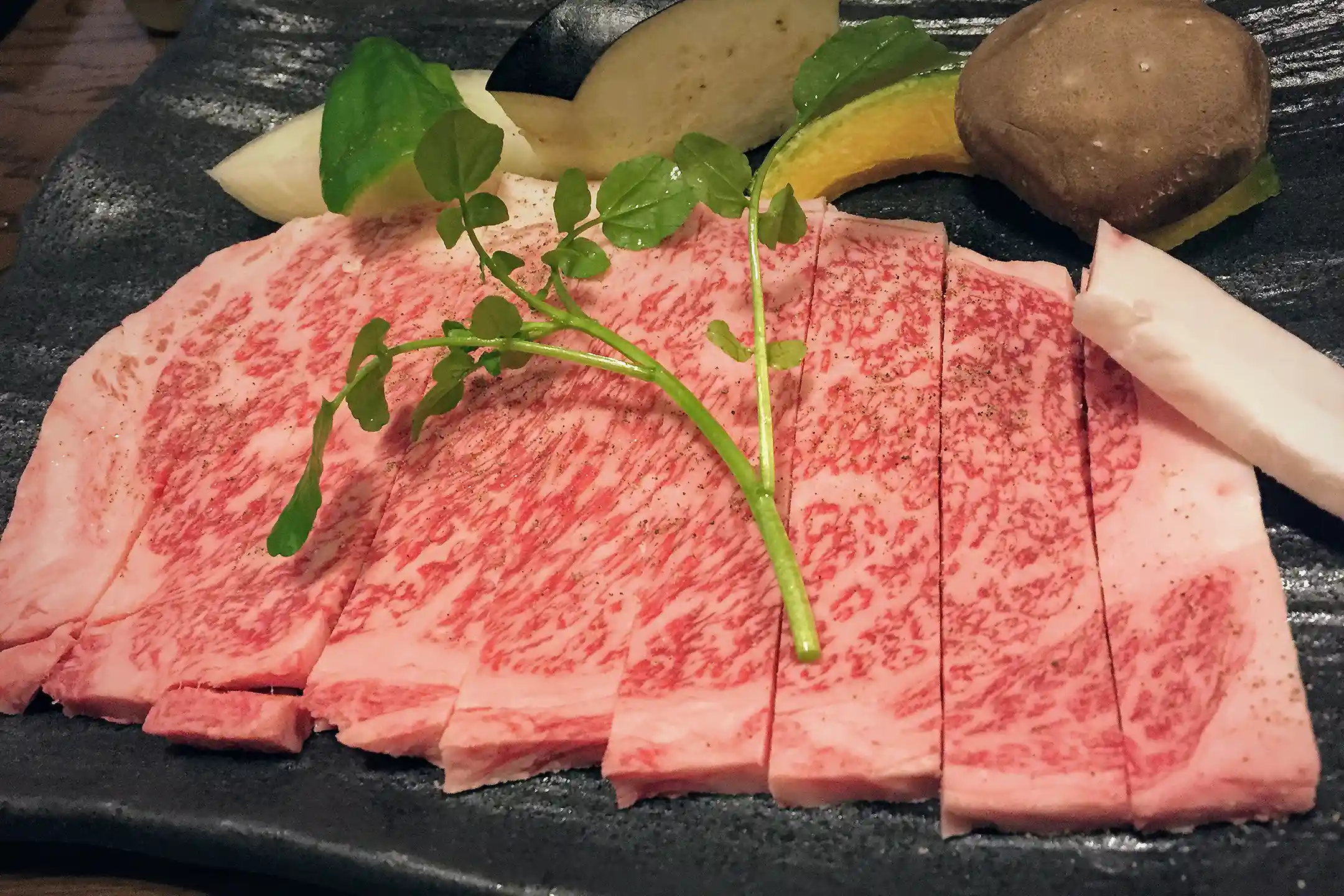
The Old Quarter, and Lunch
Three parallel streets of dark timber merchant houses, walked before the afternoon coaches. Lunch is local beef, done simply, in a building two hundred years older than the recipe.
Two Breweries, in Order
Two sake houses on the same street, tasted deliberately: the same snowmelt, the same rice, two different decisions. A brewer explains what he is trying to do rather than what to notice.
A Dedication, After Dark
Where the shrine's calendar and the performer's allow it: a short piece of classical comic theatre given as an offering rather than a show, on a small stage, with a handful of people present. Explained before it starts, in English, so that you know what you are looking at.
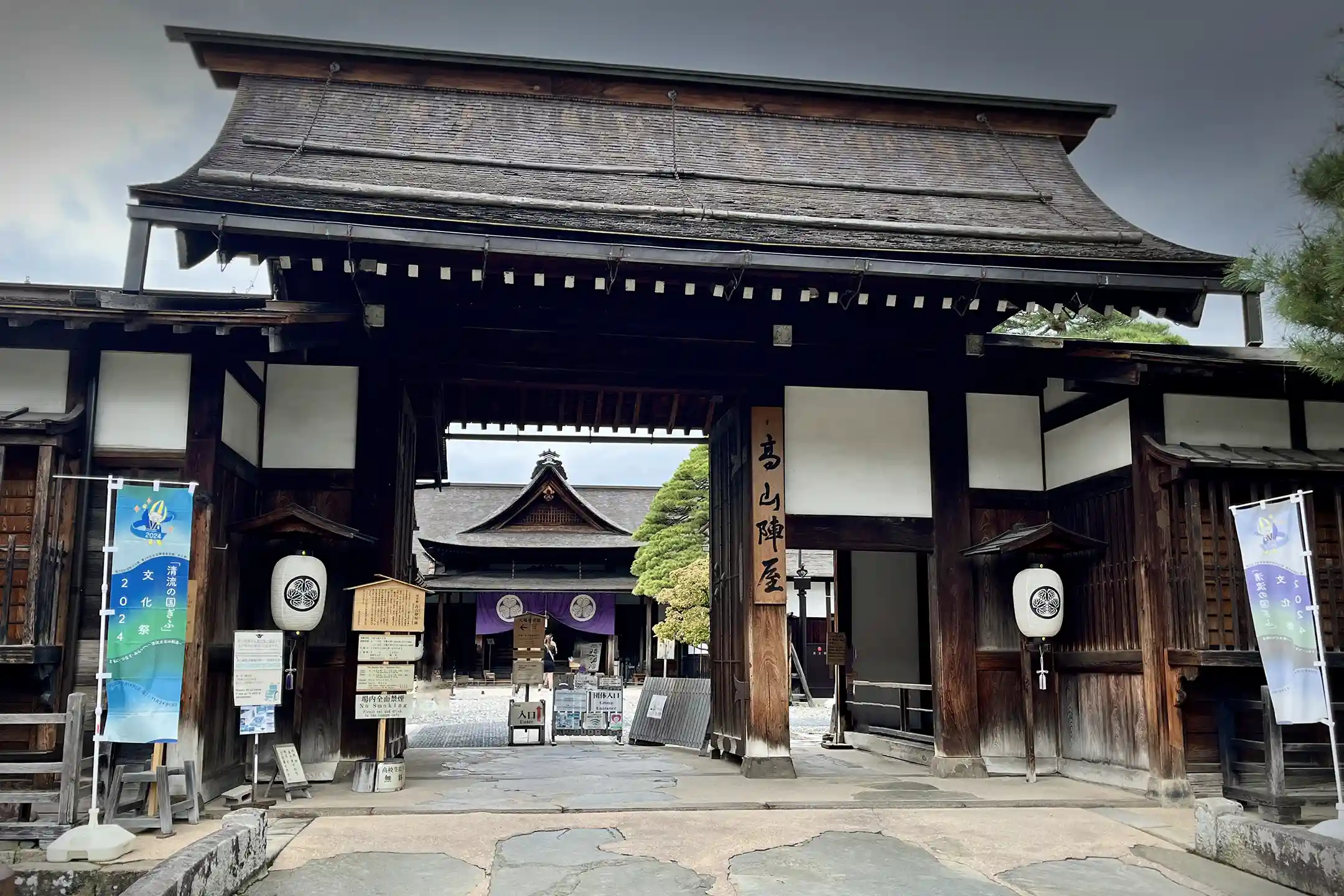
The Riverside Market
Two small morning markets run daily along the river and in front of the old magistrate's office. Pickles, miso, mountain vegetables, and the only hour of the day when the town belongs to the people who live in it.
An Hour North, to the Storehouses
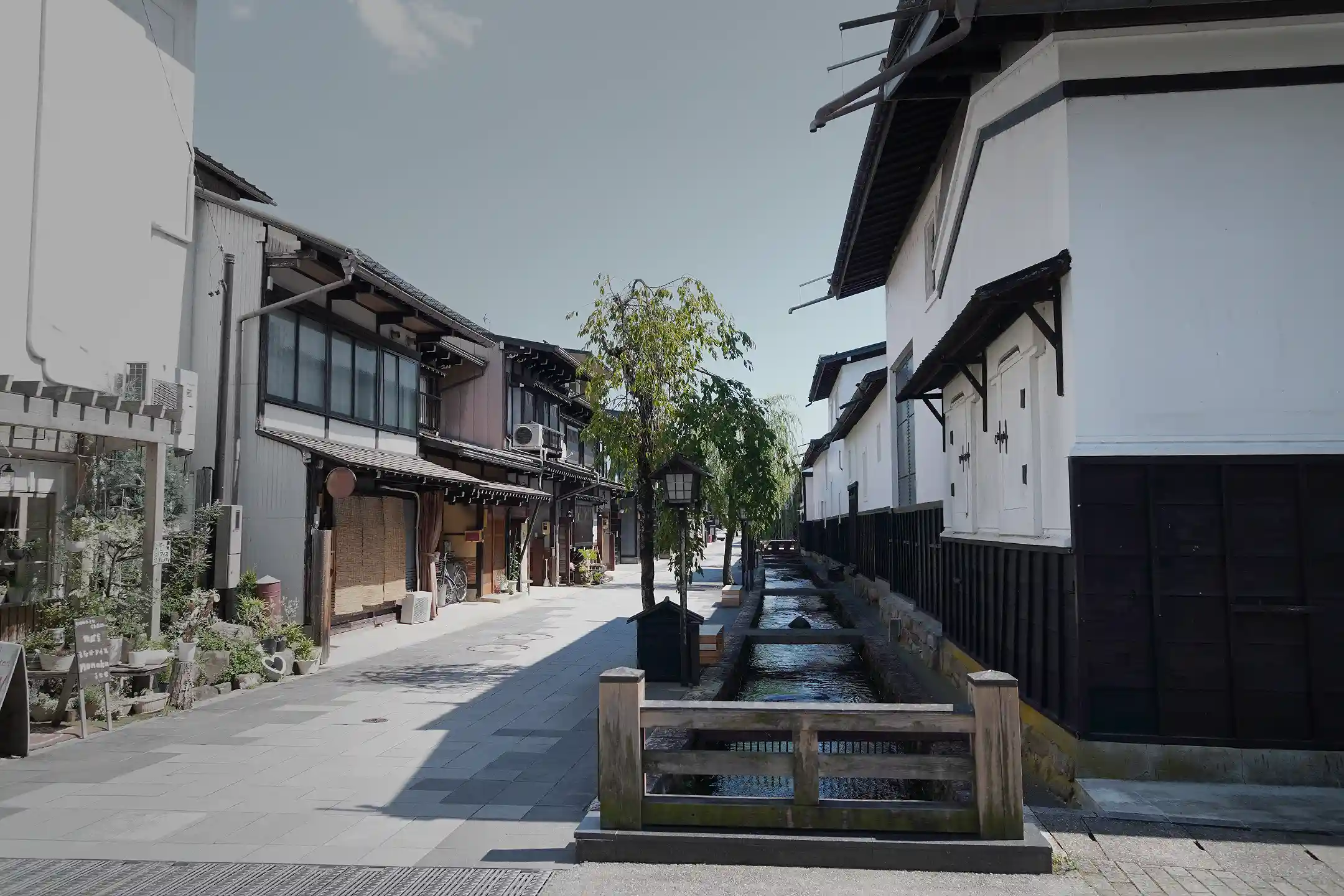
A smaller town up the valley: a canal lined with white-walled storehouses, carp in the water, and the workshops of the carpenters who build the festival floats. Quieter than the main town by an order of magnitude.
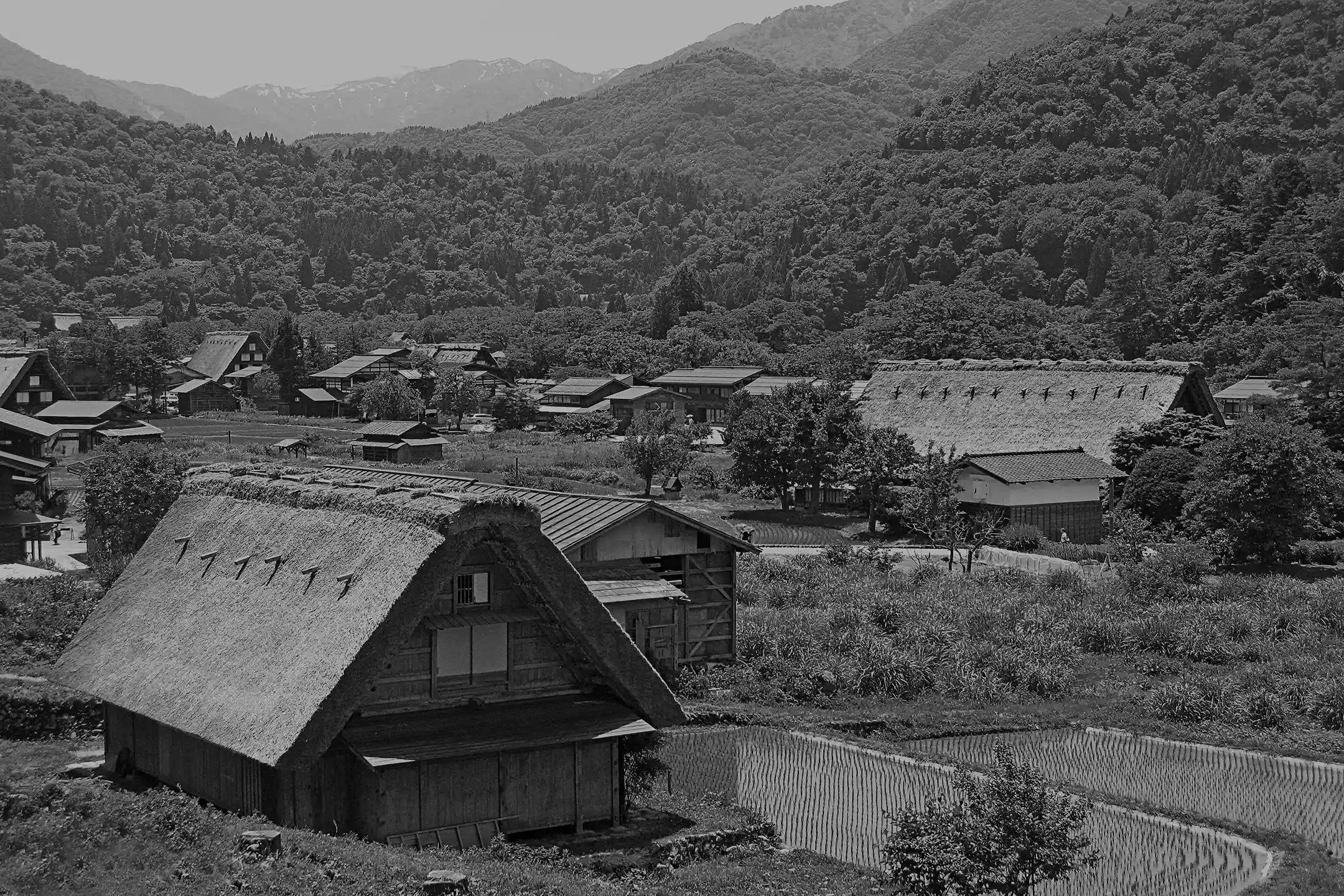
Thatch, or Hot Water
Either west to the thatched-roof valley an hour away, or east into the hot spring villages under the Alps. One is a World Heritage site and busy; the other has almost nobody in it. We would usually suggest the second.
Onward
Private transfer to Kanazawa, Nagoya or back toward Tokyo, timed around your next stop rather than a fixed departure.