


Hakone
Hot springs, crater lakes, and forest few visitors ever see up close.
Every month is a different Hakone.
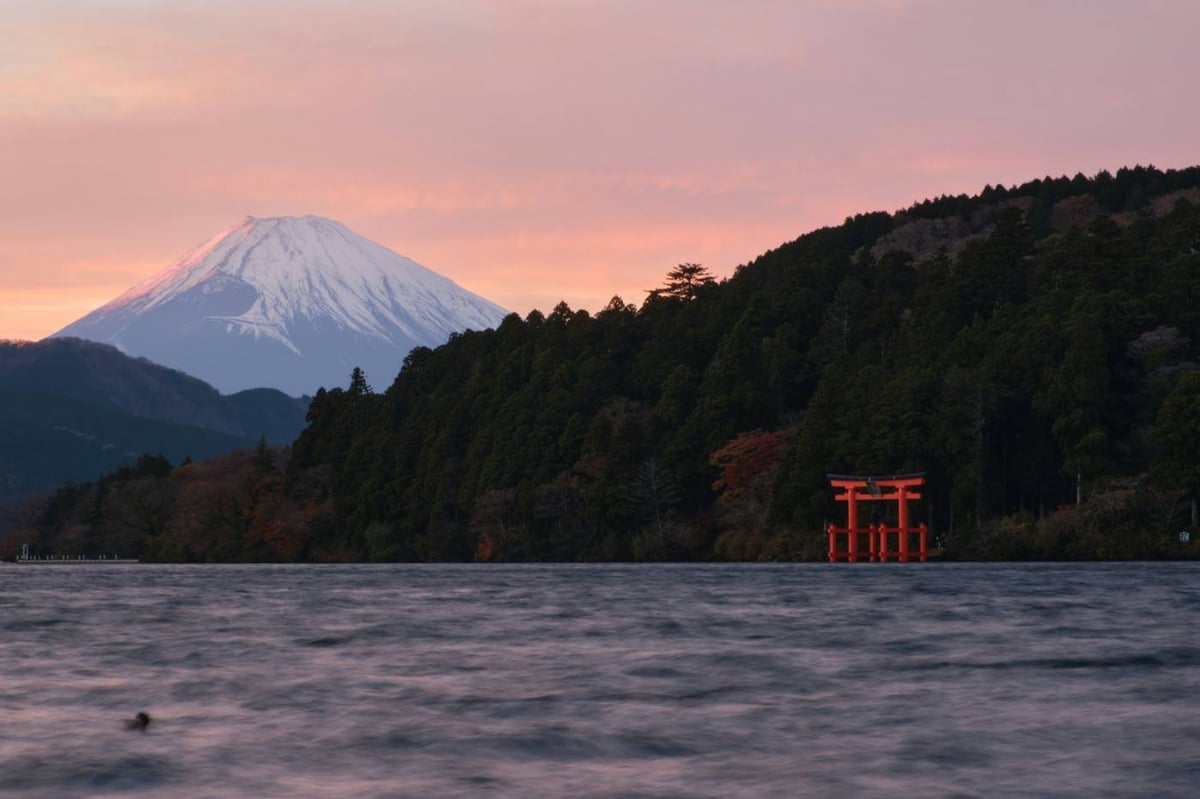
Clear air, and Fuji at its sharpest.
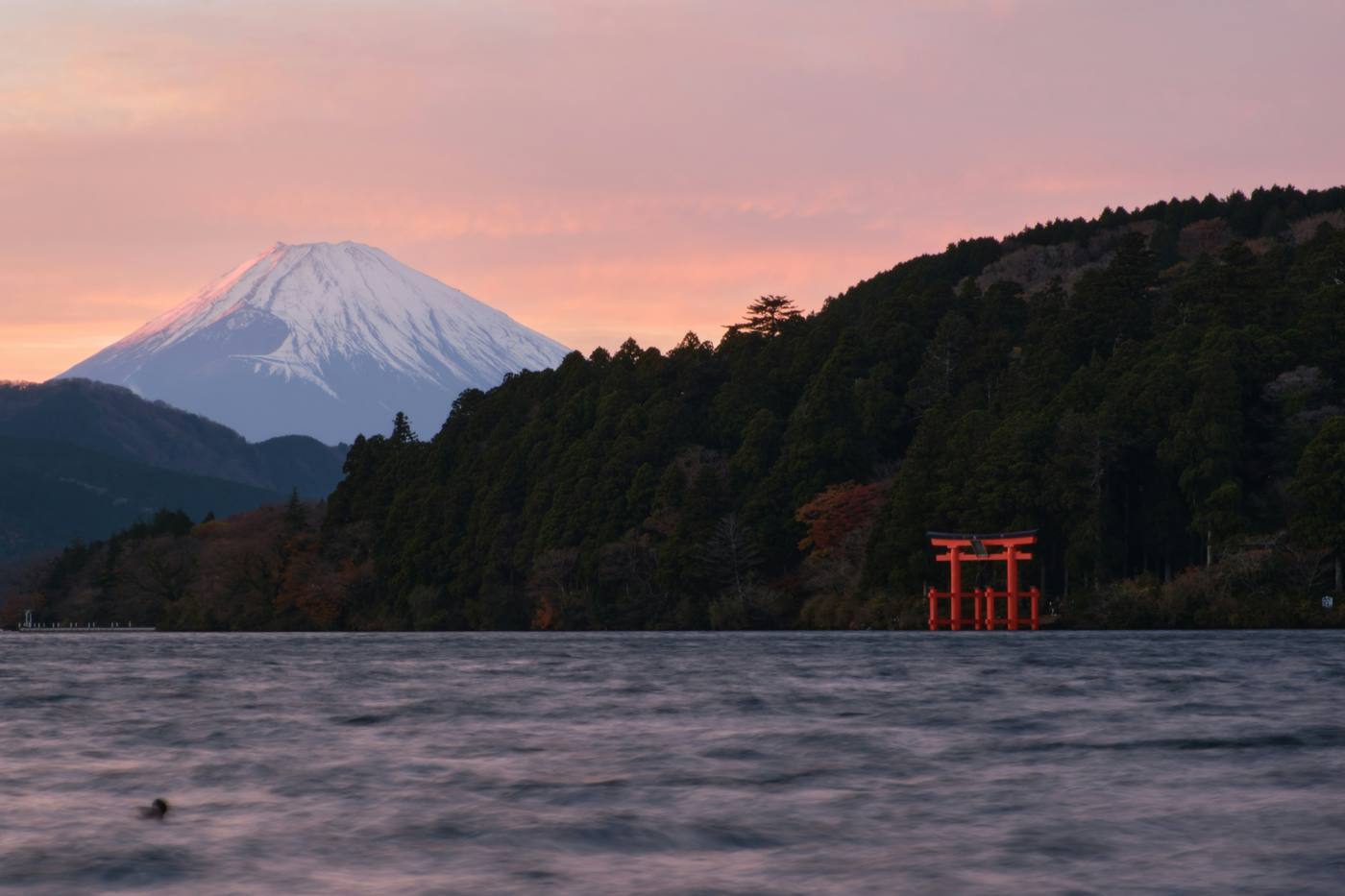
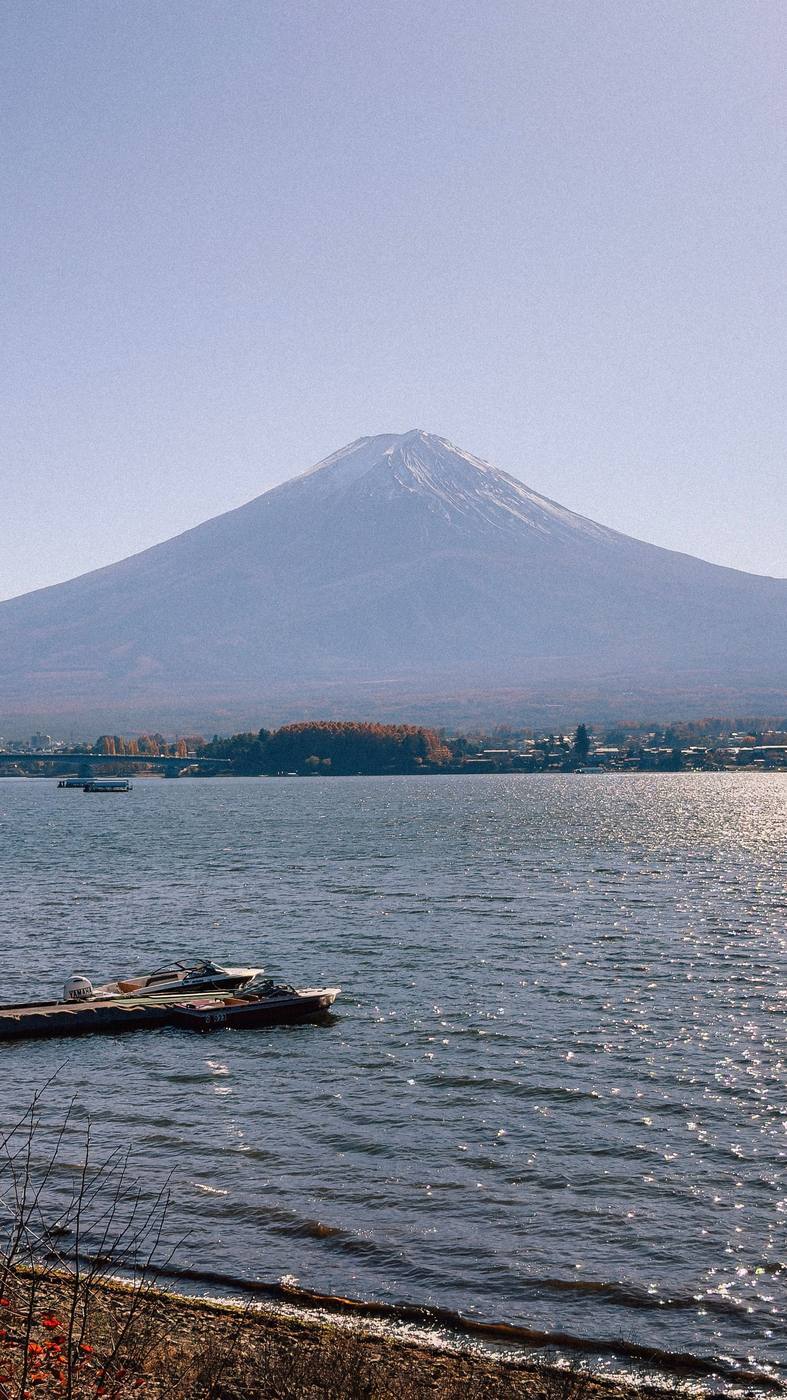
Dry winter air gives the clearest views of Mount Fuji over Lake Ashi. The university relay race passes through on 2 and 3 January, so we plan around those two days.
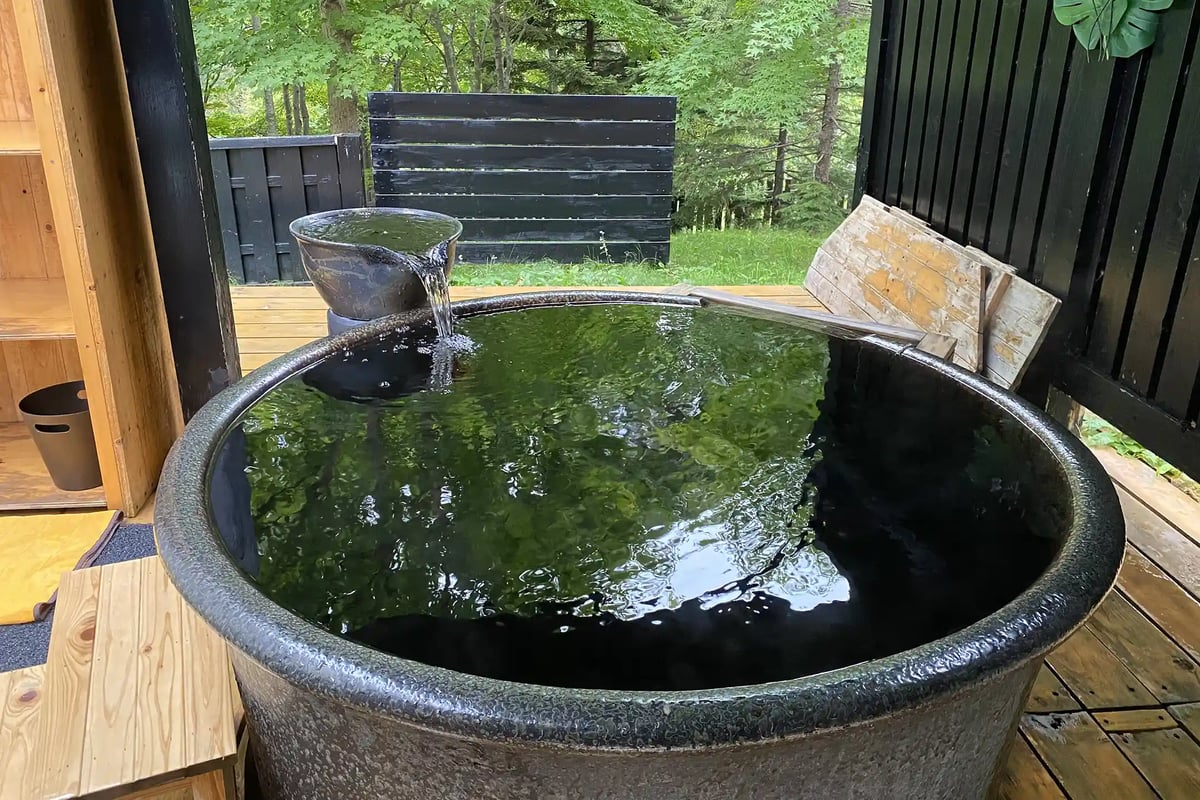
Cold mornings, long baths.
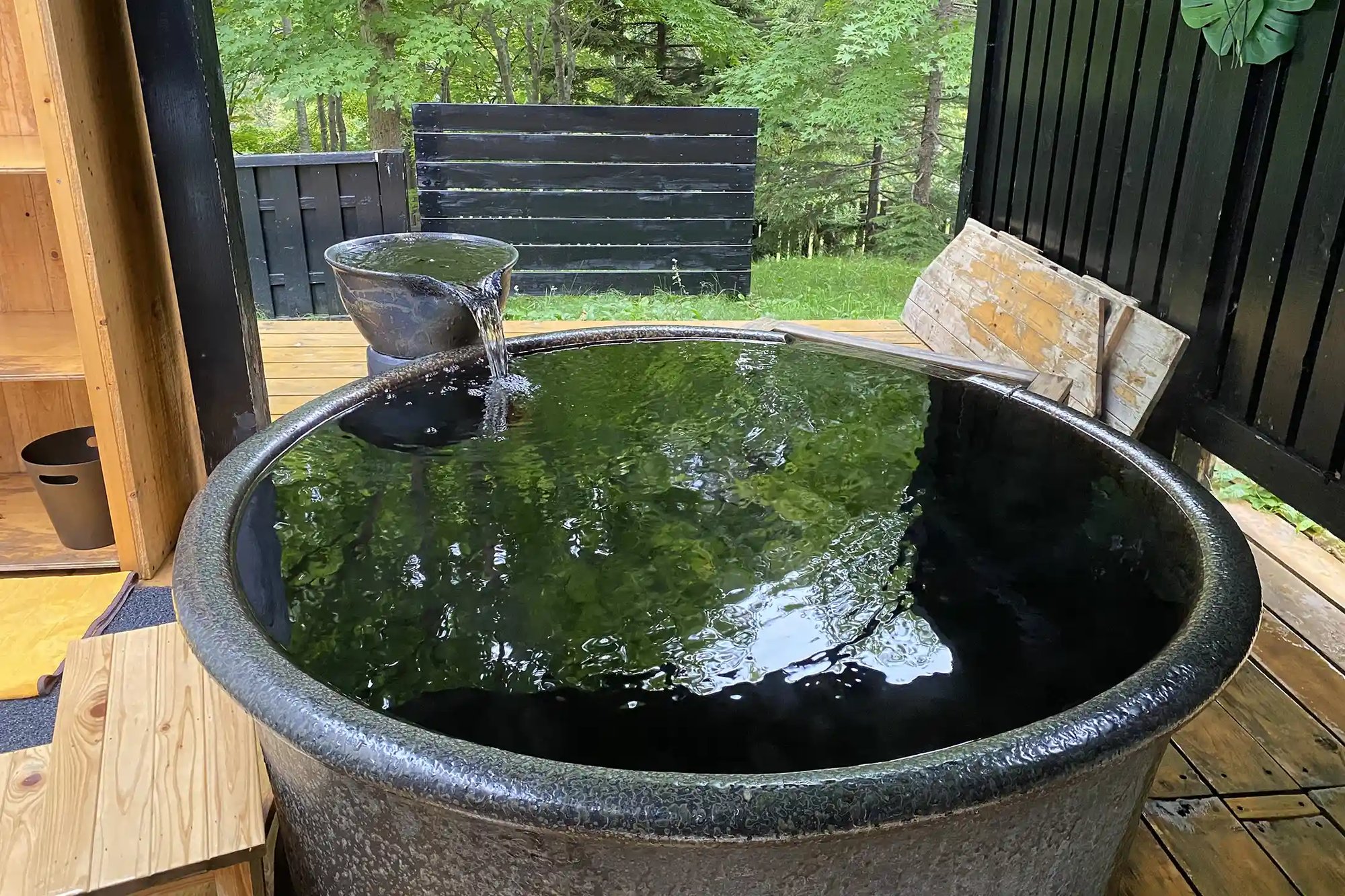
The quietest weeks of the year, and the best time for a hot spring with the steam rising off the water.
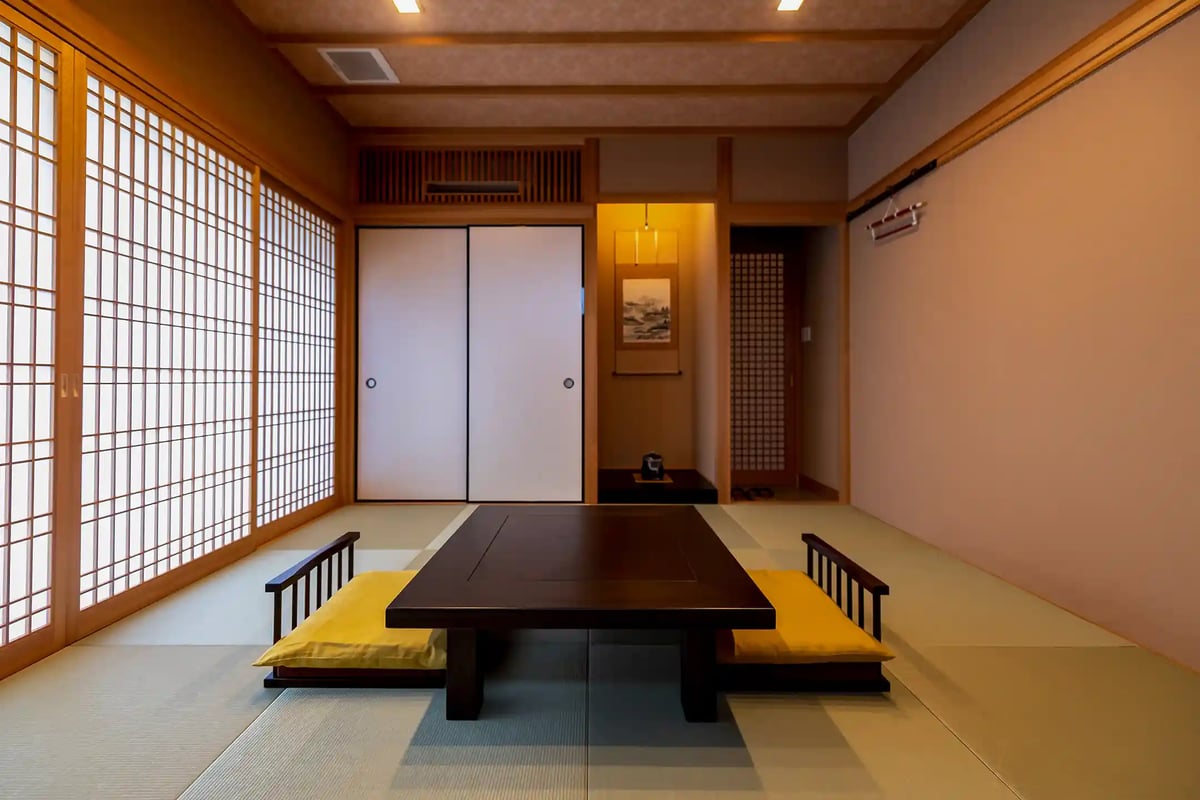
The last quiet weeks before spring.
Days lengthen and the crowds have not yet arrived. A good month for unhurried days between the baths and the galleries.
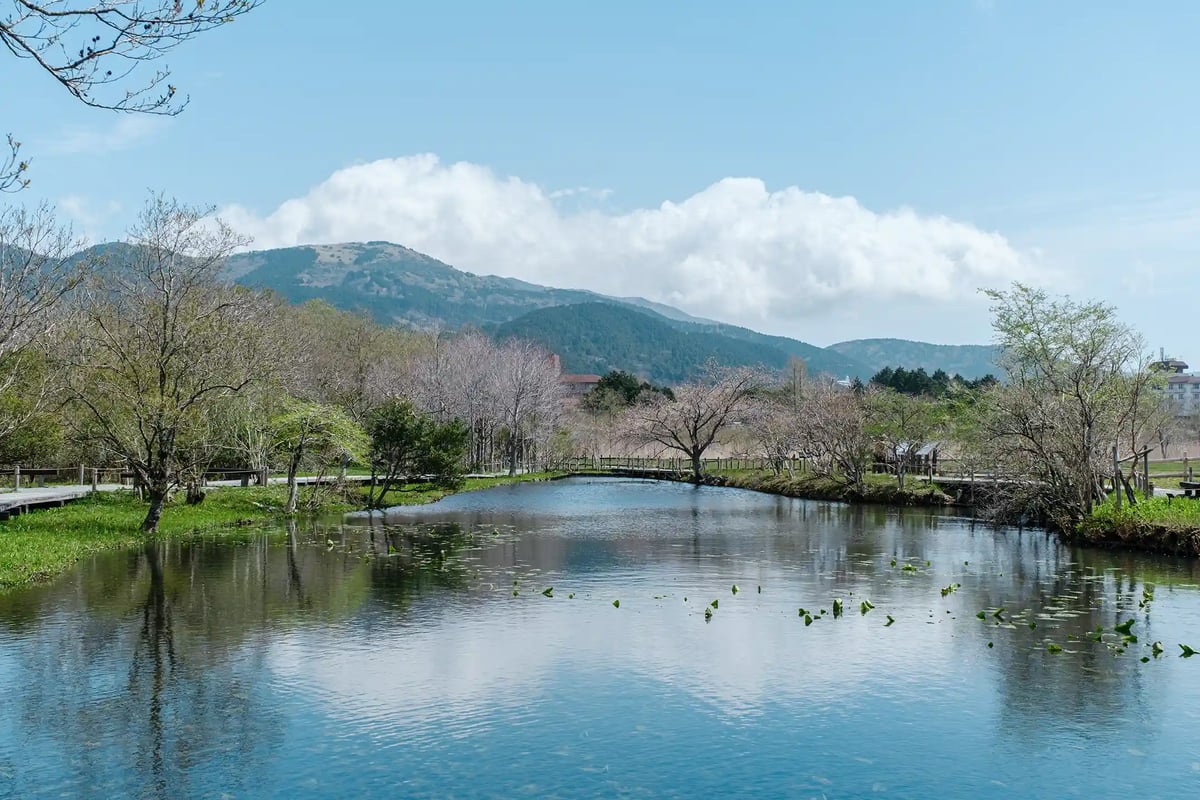
Cherry blossom, a little later than Tokyo.
Hakone sits higher than the city, so its cherries often open after Tokyo’s have fallen. Popular, so we plan around the busiest hours.
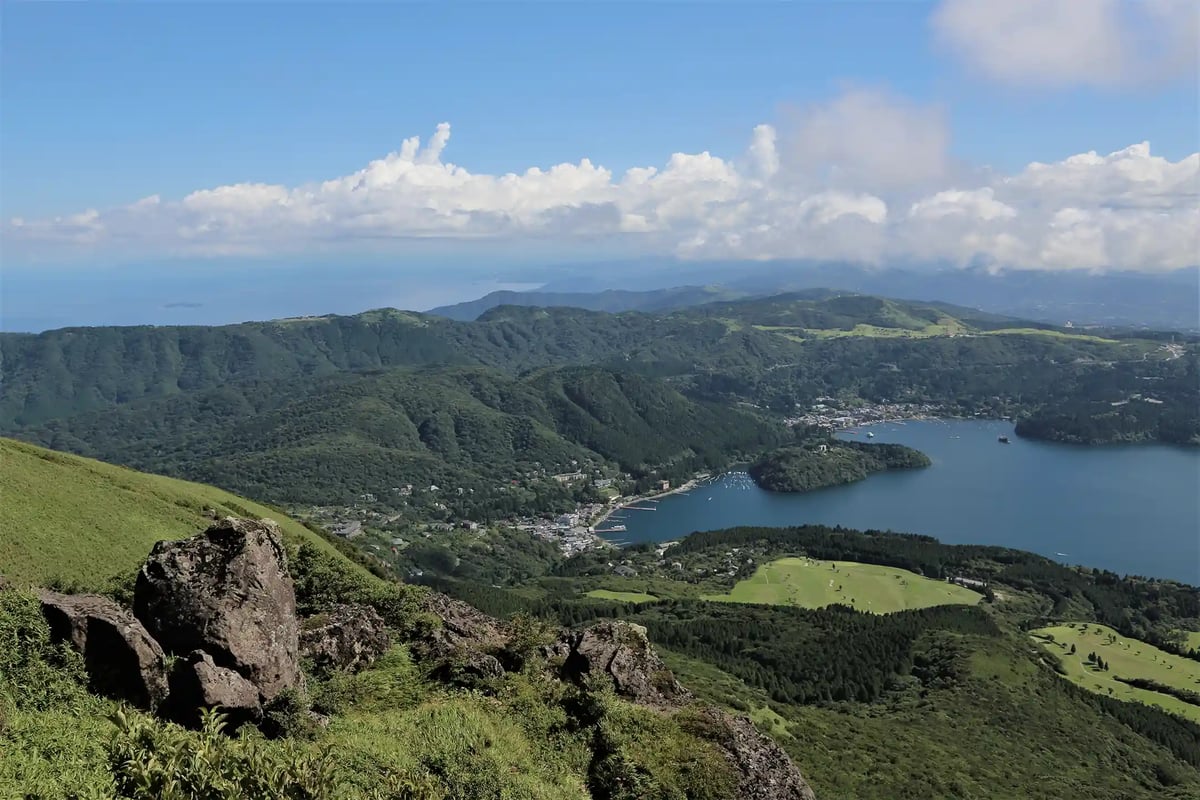
New green on the hills.
Early May is a national holiday week and busy. After it, the hills turn a fresh green and the air is soft.
Hydrangeas along the mountain railway.
From mid-June the hydrangeas bloom beside the line up to Gora, lower stations first. Rain is part of the season.
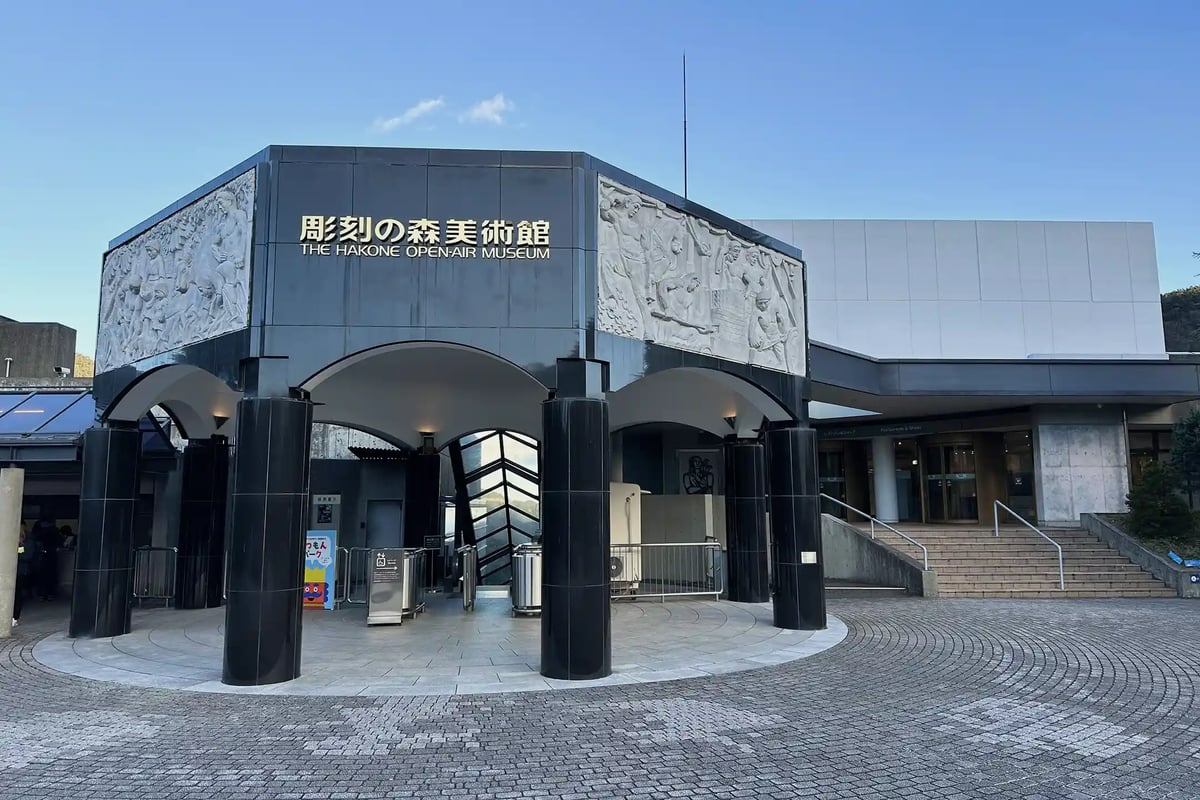
Cooler than the city.
Hydrangeas linger at the higher stations into July, and the hills stay a few degrees cooler than Tokyo.
A summer retreat, busy in mid-August.
Mid-August is a holiday for much of Japan. We keep days early and quiet, or suggest another month.
The heat eases.
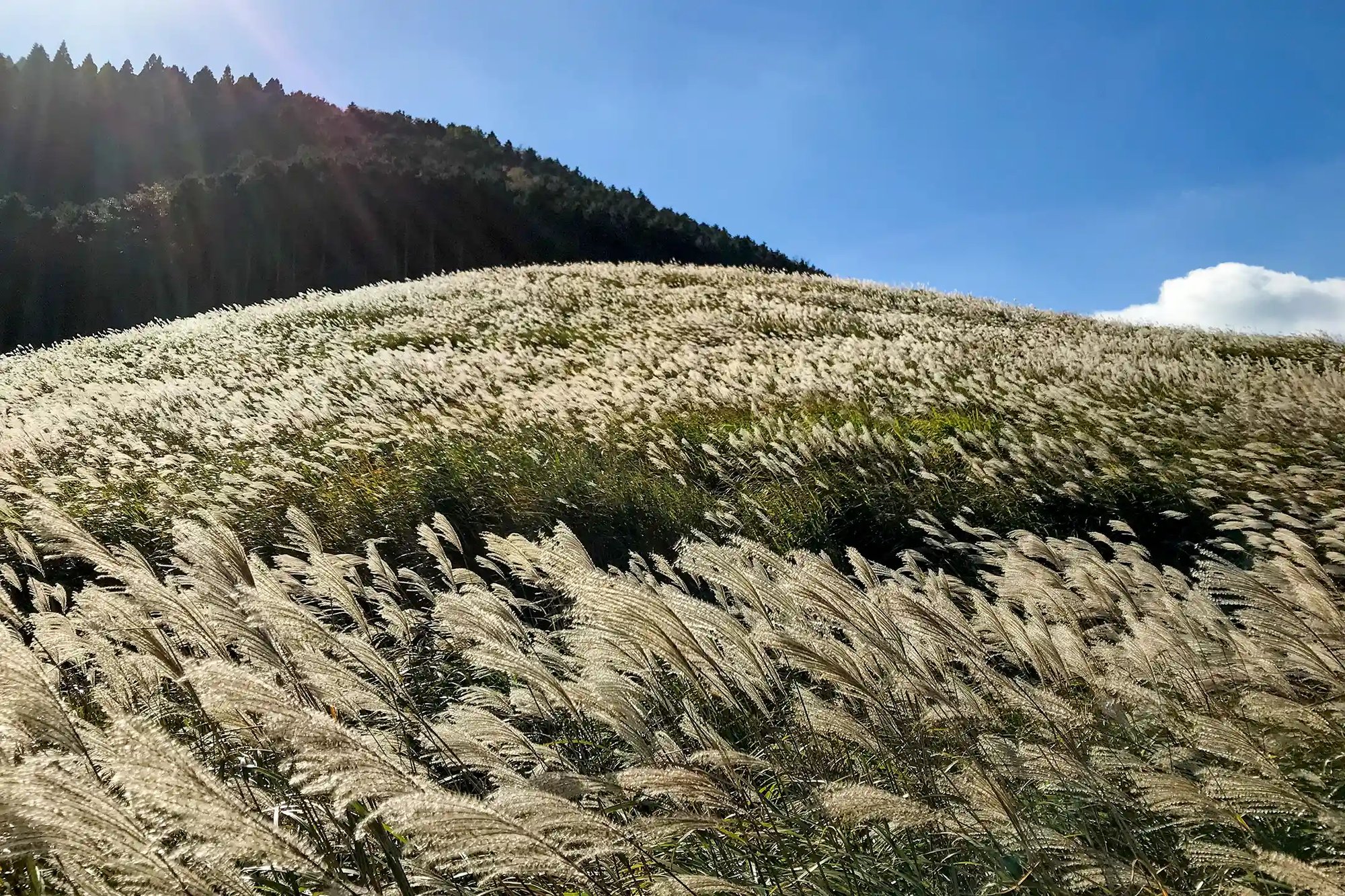
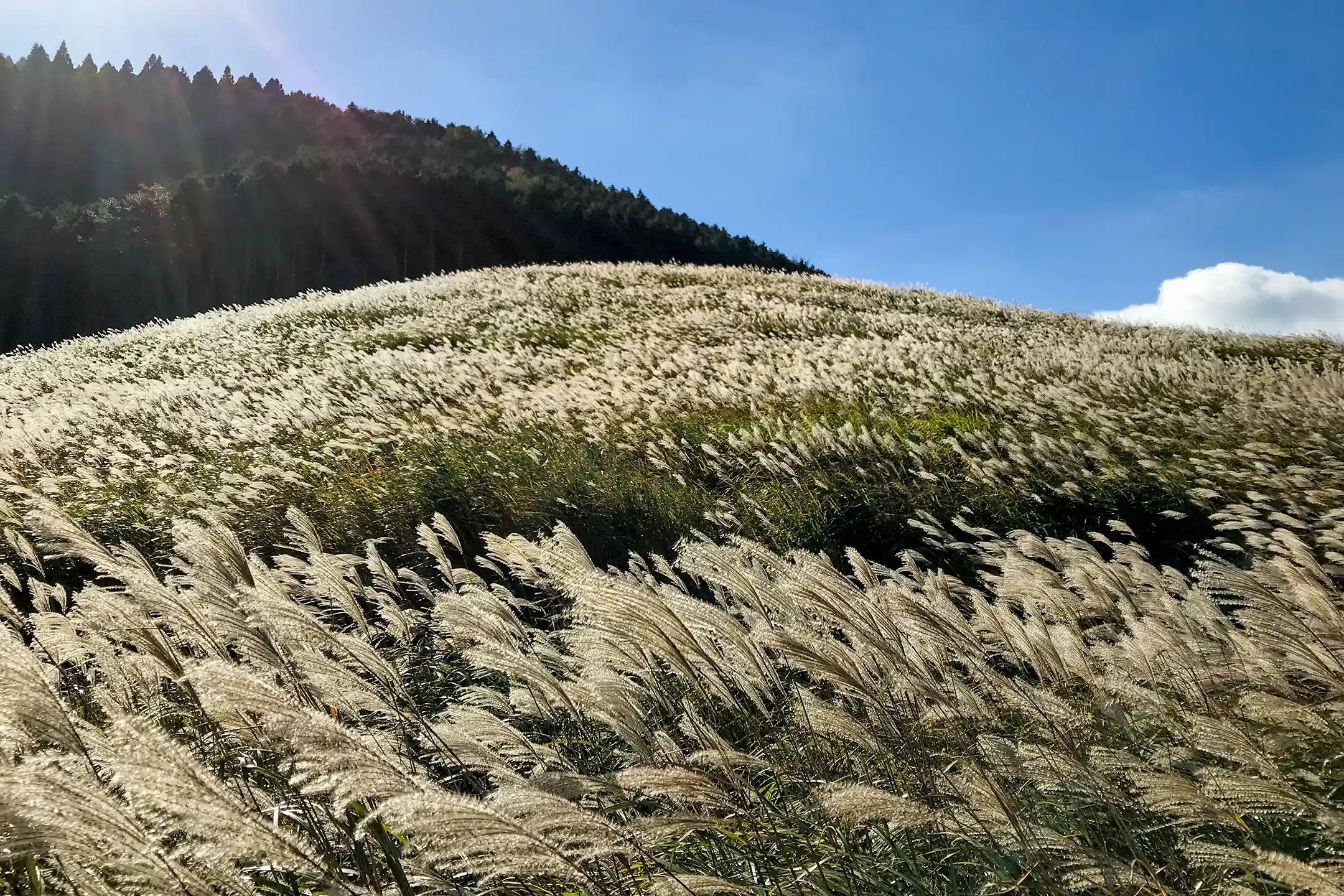
Summer visitors leave and the first silver appears in the grass at Sengokuhara by the end of the month.
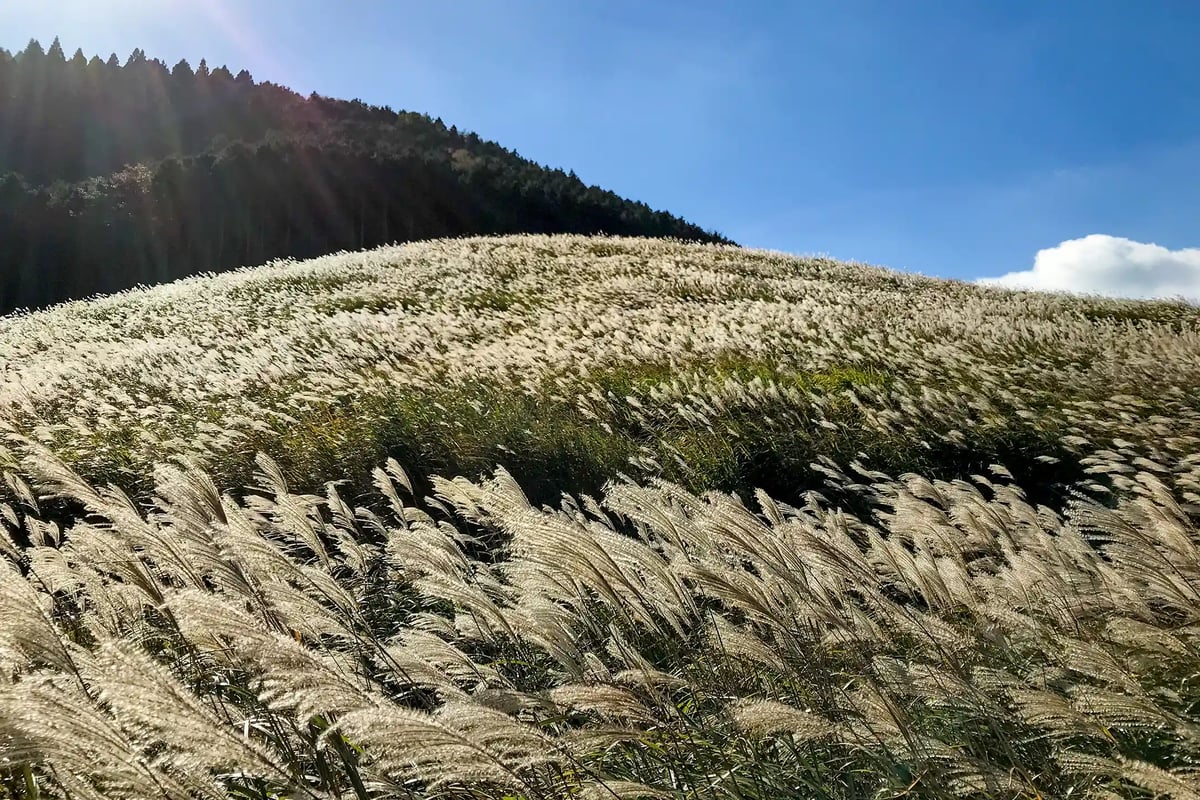
Sengokuhara turns gold.
The pampas grass on the Sengokuhara plain is at its fullest, silver in the morning and gold in late light.
Autumn colour, from the lake down.
The maples turn first around Lake Ashi and Gora, then work their way down the valley towards Yumoto.
Short days, long baths.
Colour lingers lower down into early December. After that, quiet weeks and the clearest skies of the year.
Seasons shift a little each year. We confirm dates when we plan your journey.
About Hakone
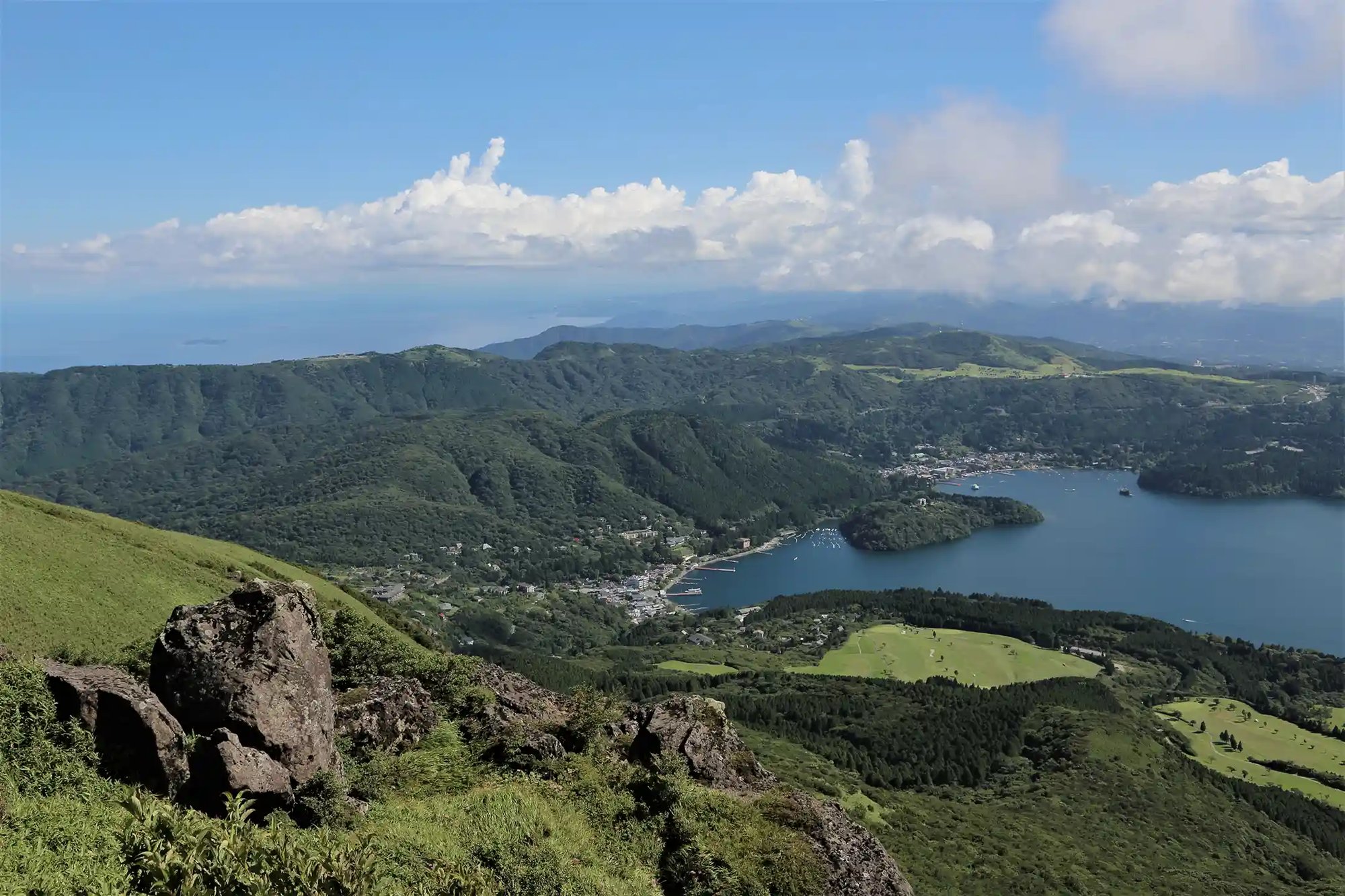
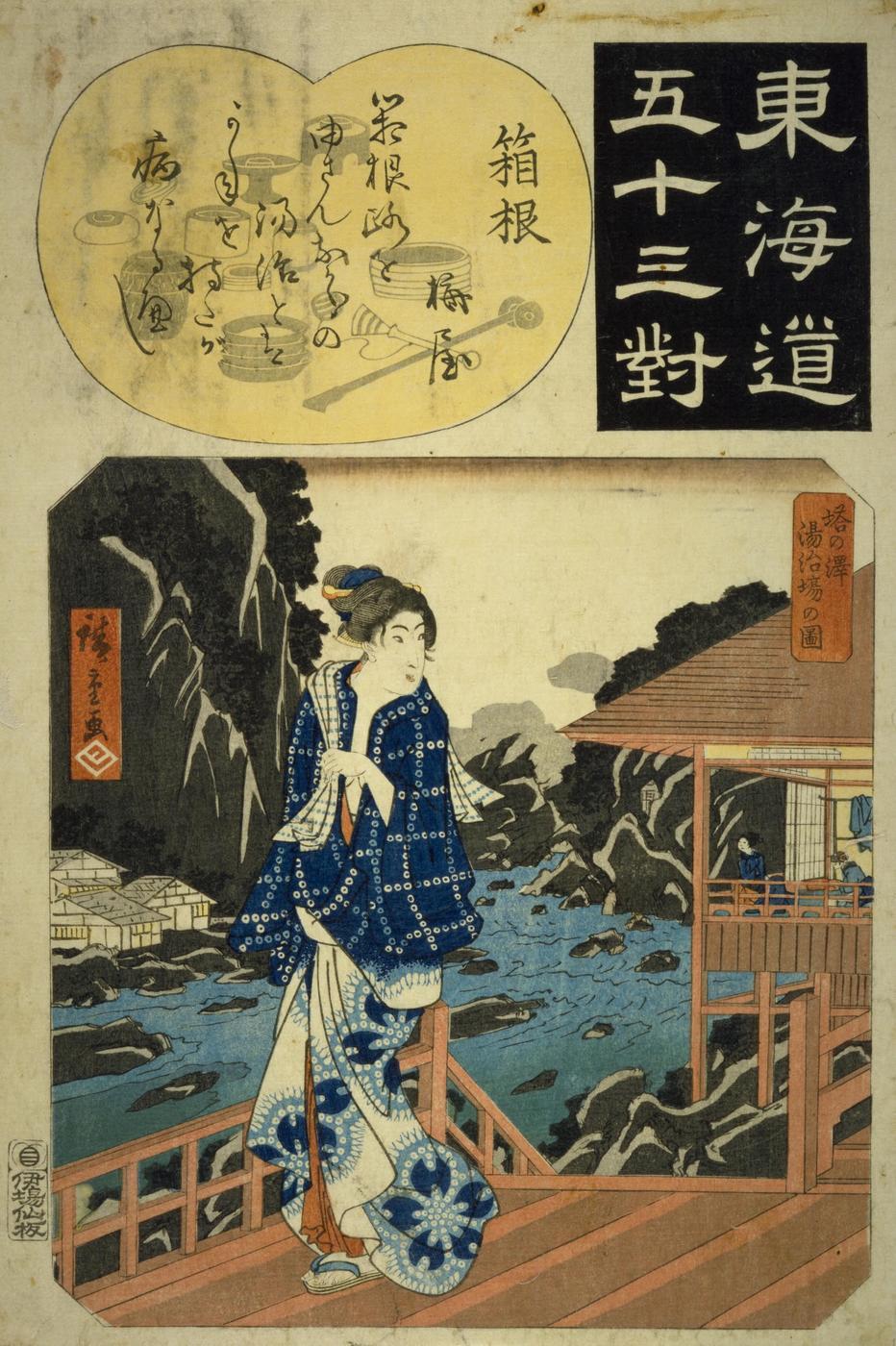
Formed by the same volcanic activity that still vents sulfur at Owakudani today, Hakone has drawn travelers seeking hot springs since the Edo period, when it sat on the old Tokaido road between Edo and Kyoto. The region folds together crater lake, cedar forest, and onsen town into an area small enough to cross in a day — and varied enough that most visitors barely scratch its surface.
Spring brings early-blooming trees along Lake Ashi; autumn turns the surrounding hillsides deep red against the volcanic rock. Winter, when the crowds thin, is when the private onsen access this itinerary is built around becomes most rewarding.
History
Hakone's hot springs are recorded as far back as the Nara period, but it was the Edo-era Tokaido road — the main route linking Edo (Tokyo) and Kyoto — that turned the area into a destination in its own right. The Hakone checkpoint once inspected every traveler passing through, and the honjin inns that grew up around it were the forerunners of today's onsen ryokan.
That same logic of "a stop worth lingering in" is what we build the itinerary around today — not a checkpoint to pass through, but a place to slow down in, much as travelers did four centuries ago.
The Experiences
 Nature & Onsen
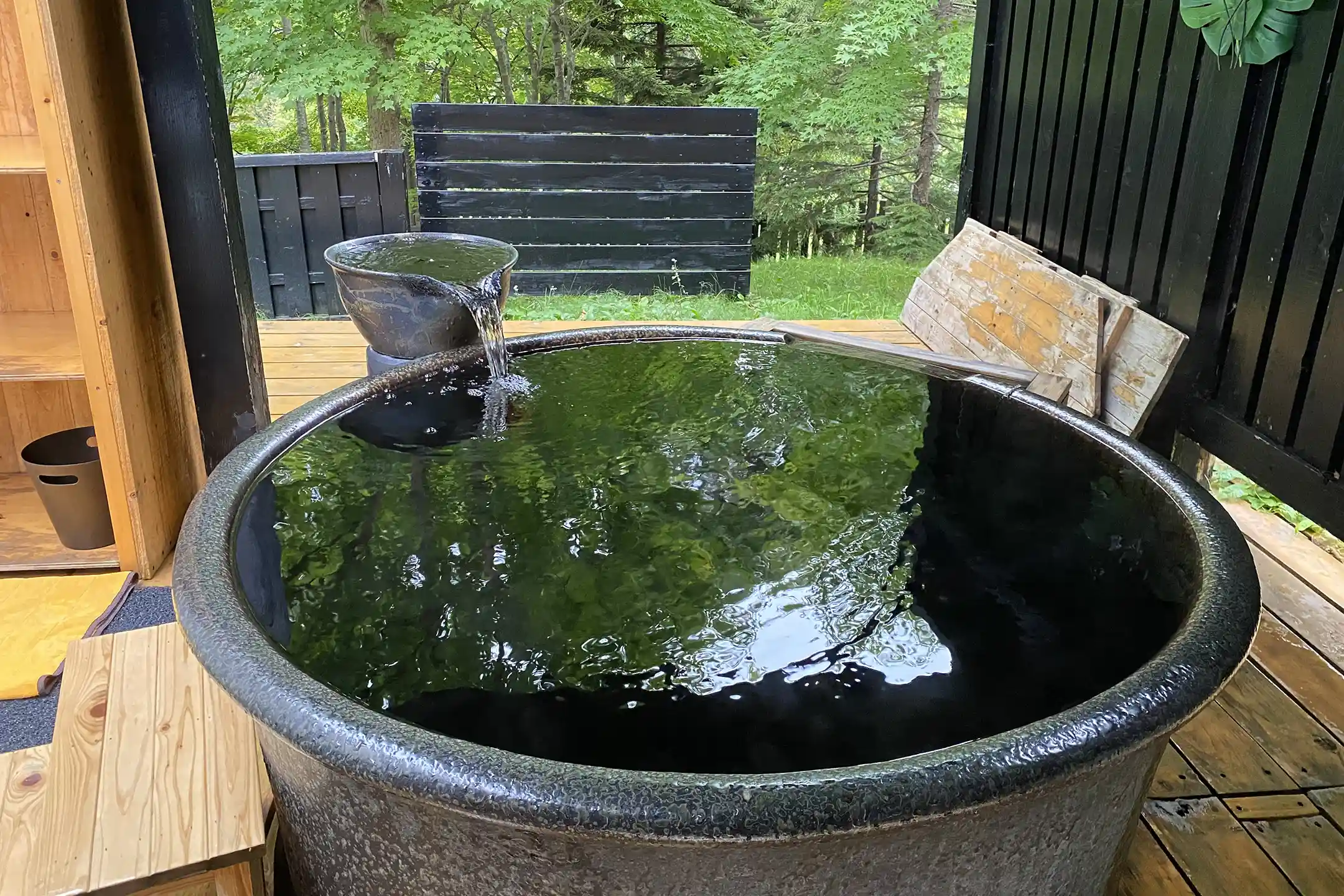
Private Onsen and Forest Bathing, Just Past the Ridge
 Nature & Onsen
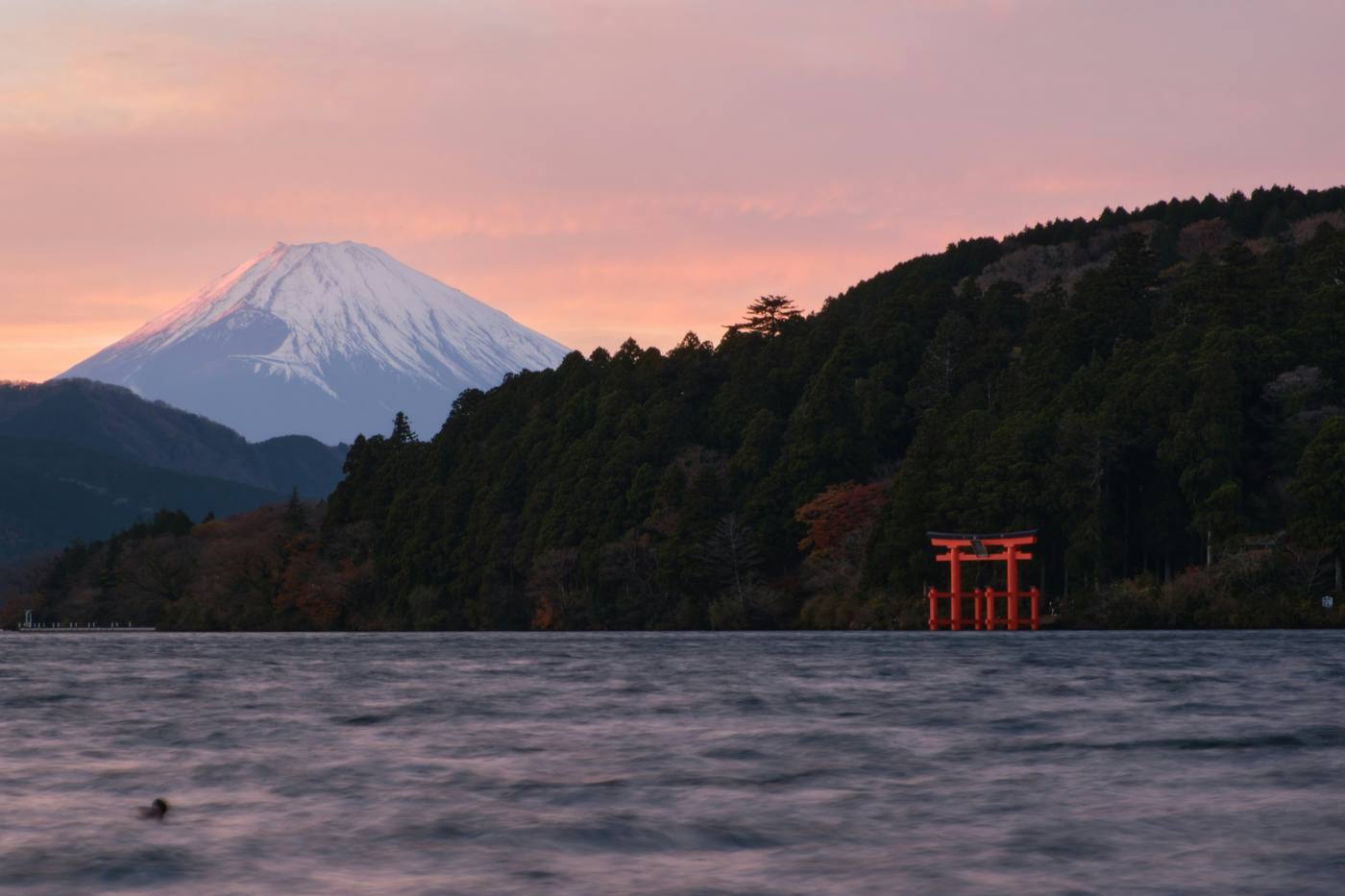
Lake Ashi by Private Boat, Before Sunrise
 Craft
Hakone Open-Air Museum, After Hours
Itinerary Preview
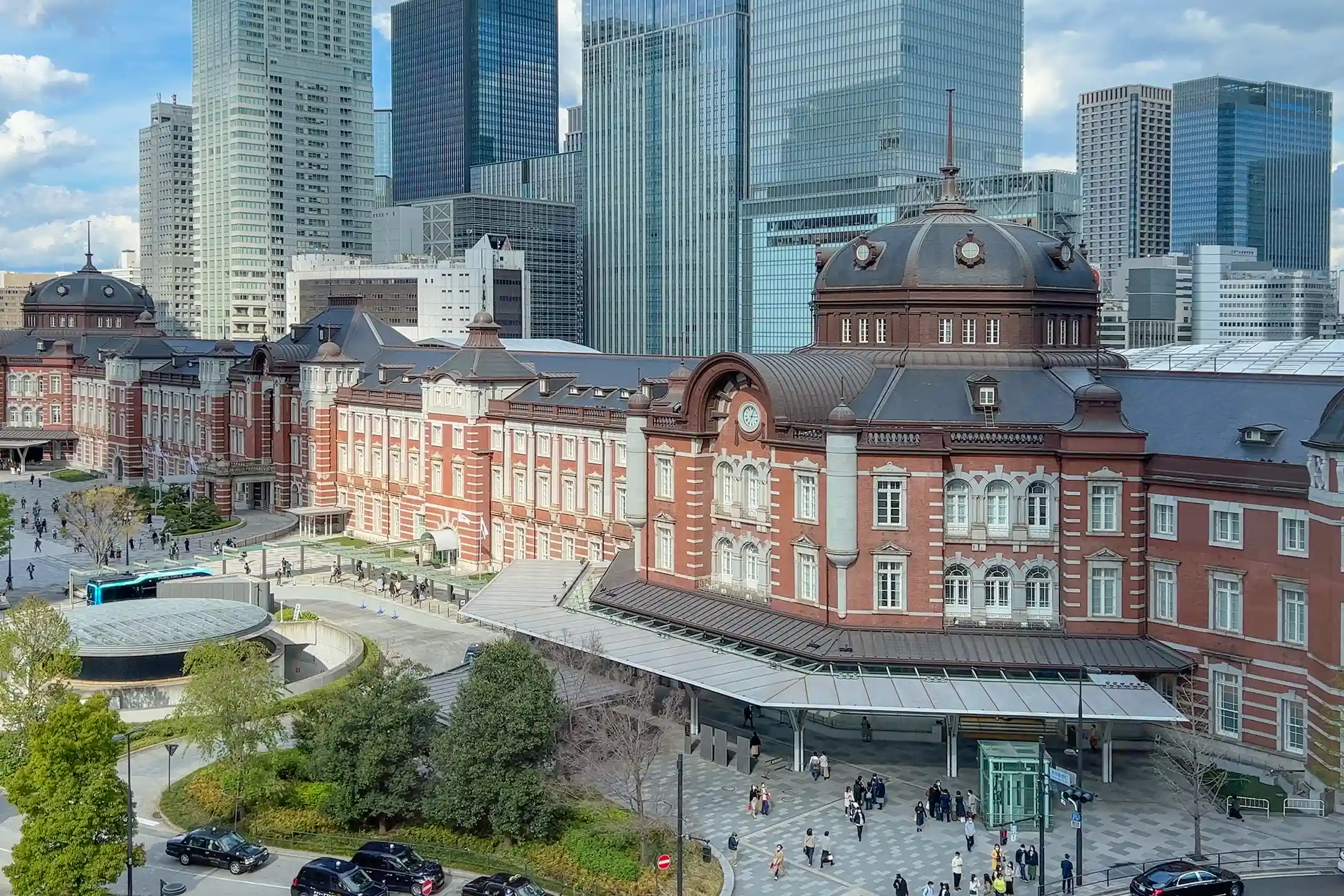
Hotel Pickup
Private transfer from your Tokyo hotel, with an English-speaking guide who stays with you for the full day — no meeting points to coordinate, no trains to catch.
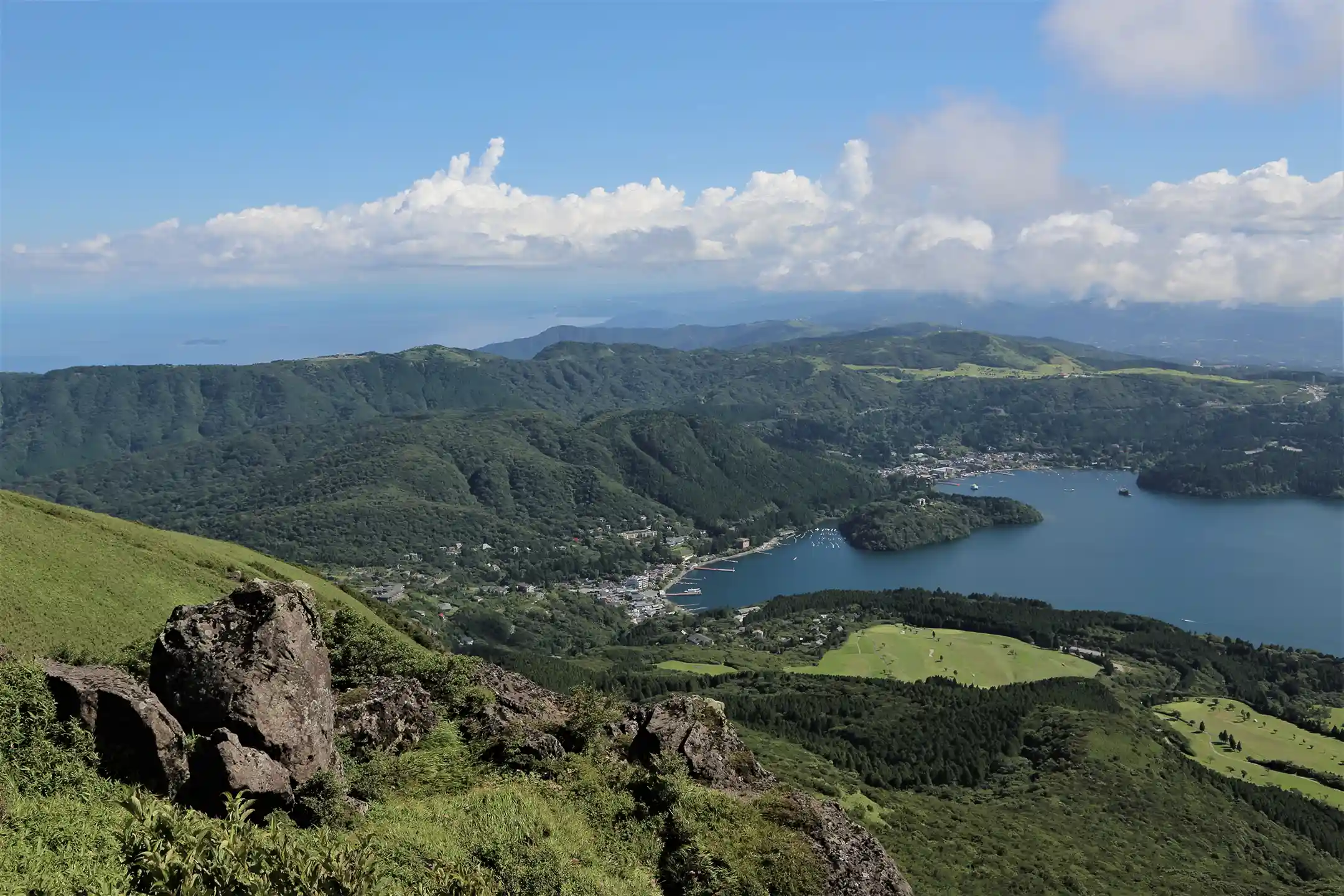
Owakudani & Lake Ashi
A walk along the volcanic Owakudani vent field, where sulfur steam still rises from the mountainside, then a quiet stretch of Lake Ashi that few day-trippers reach — with Mt. Fuji visible across the water on a clear morning.
Lunch
A seasonal lunch arranged near the lake, built around whatever the season and the kitchen are doing best that week rather than a fixed menu.
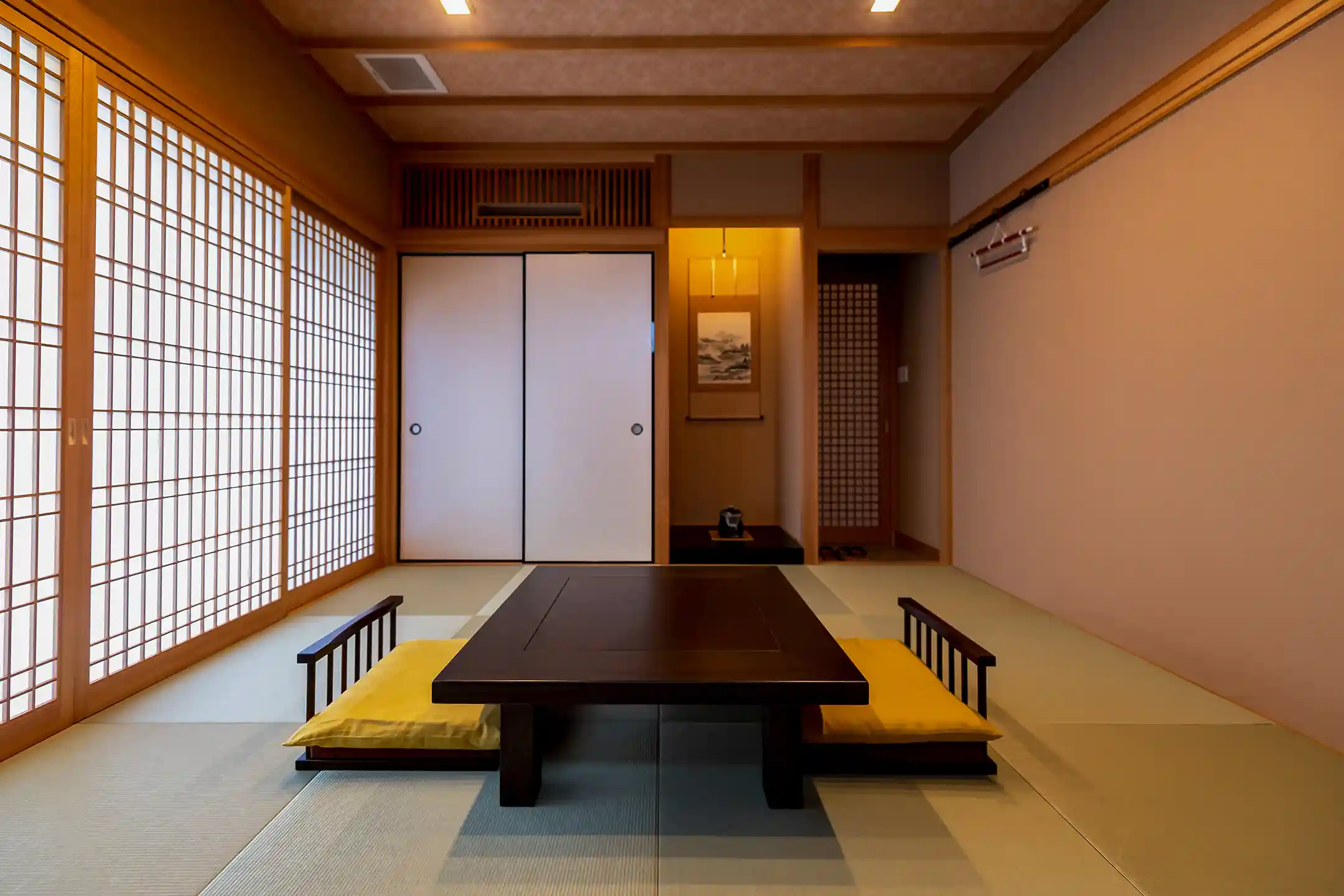
Onsen Check-In & Dinner
Check in to a traditional onsen ryokan (category, not a named property) with a private bath drawn from Hakone's own hot spring water, followed by a multi-course kaiseki dinner built around the season.
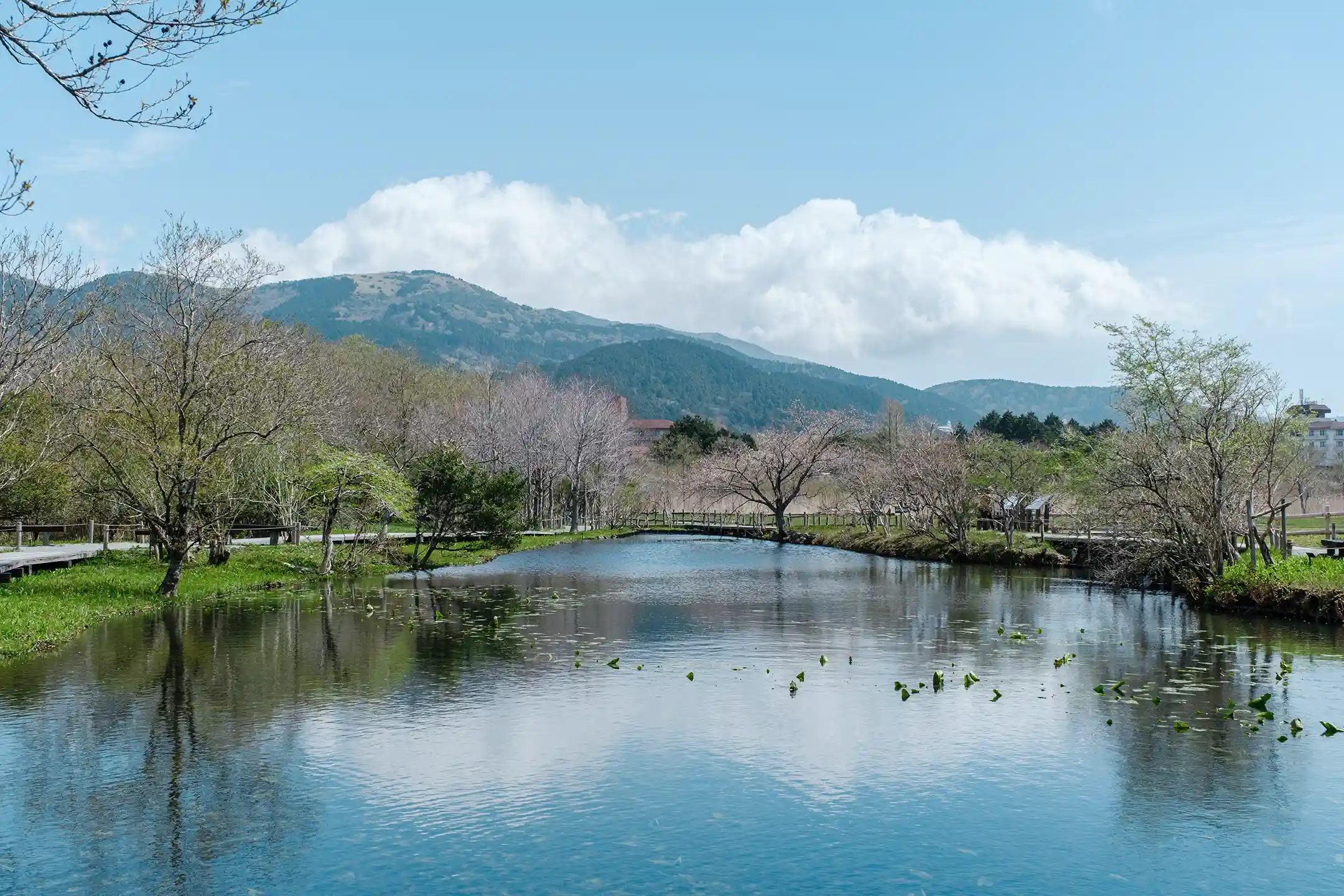
Forest Bathing, Just Past the Ridge
A guided walk through cedar forest away from the main trails, paced around quiet rather than distance covered — closer to the Japanese idea of shinrin-yoku than a hike with a destination.
Lunch
A light lunch arranged near the forest trailhead, timed to the morning's pace rather than a set hour.
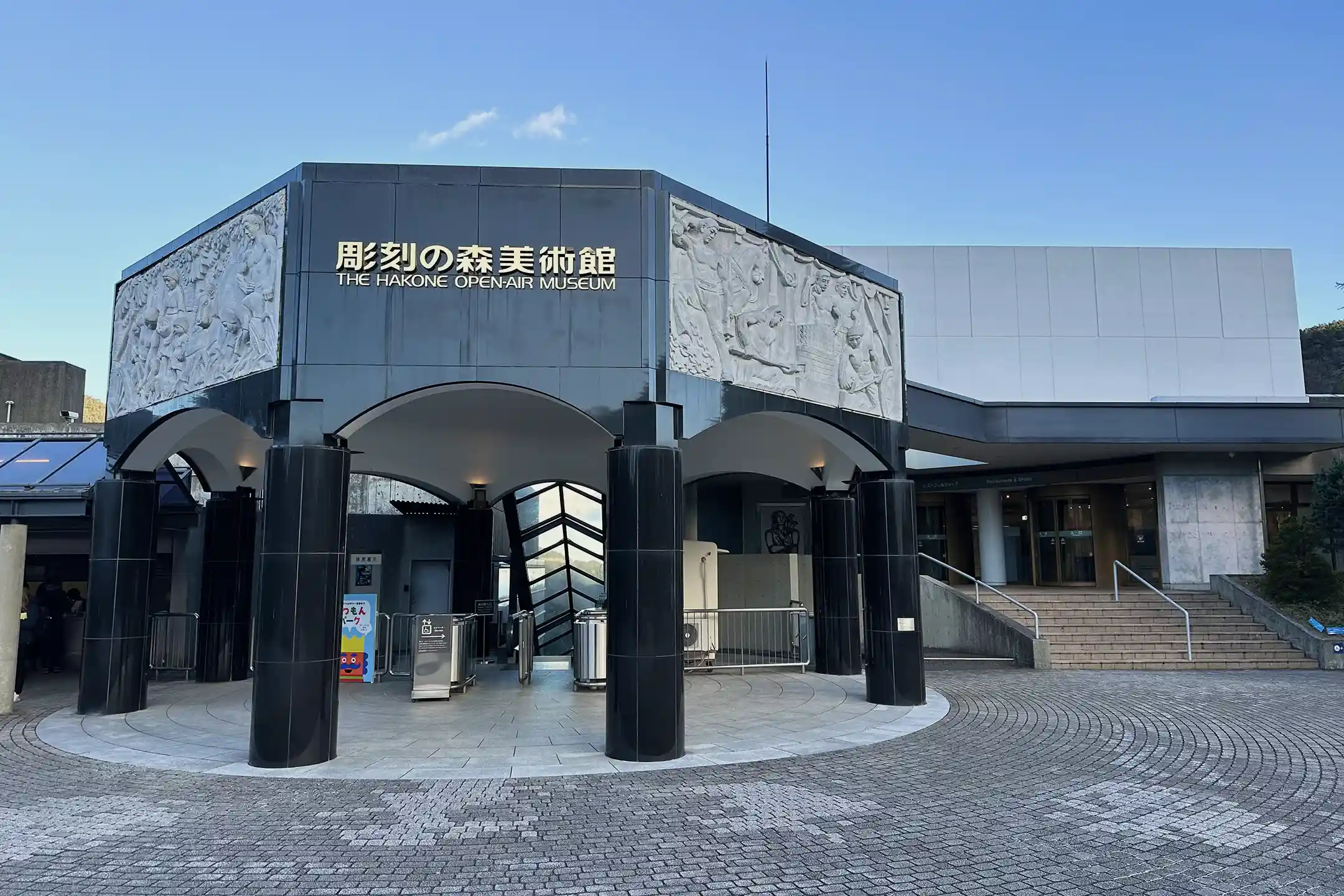
Hakone Open-Air Museum, After Hours
A private, after-closing walk through the museum's outdoor sculpture grounds, with the crowds gone and the light beginning to change.
Hotel Drop-off
Private transfer back to your Tokyo hotel to close the journey, timed around your onward travel rather than a fixed departure.