Ikebana: Arranging the Space Between the Flowers
The Craft
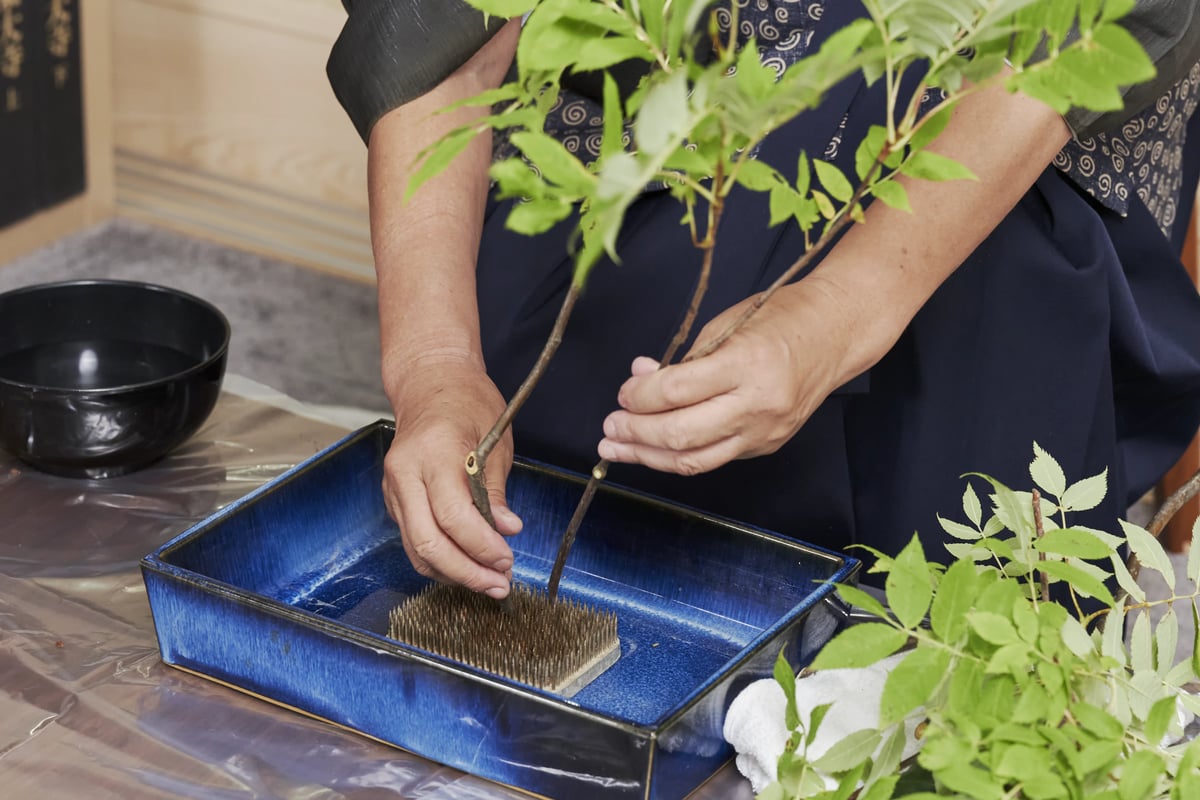
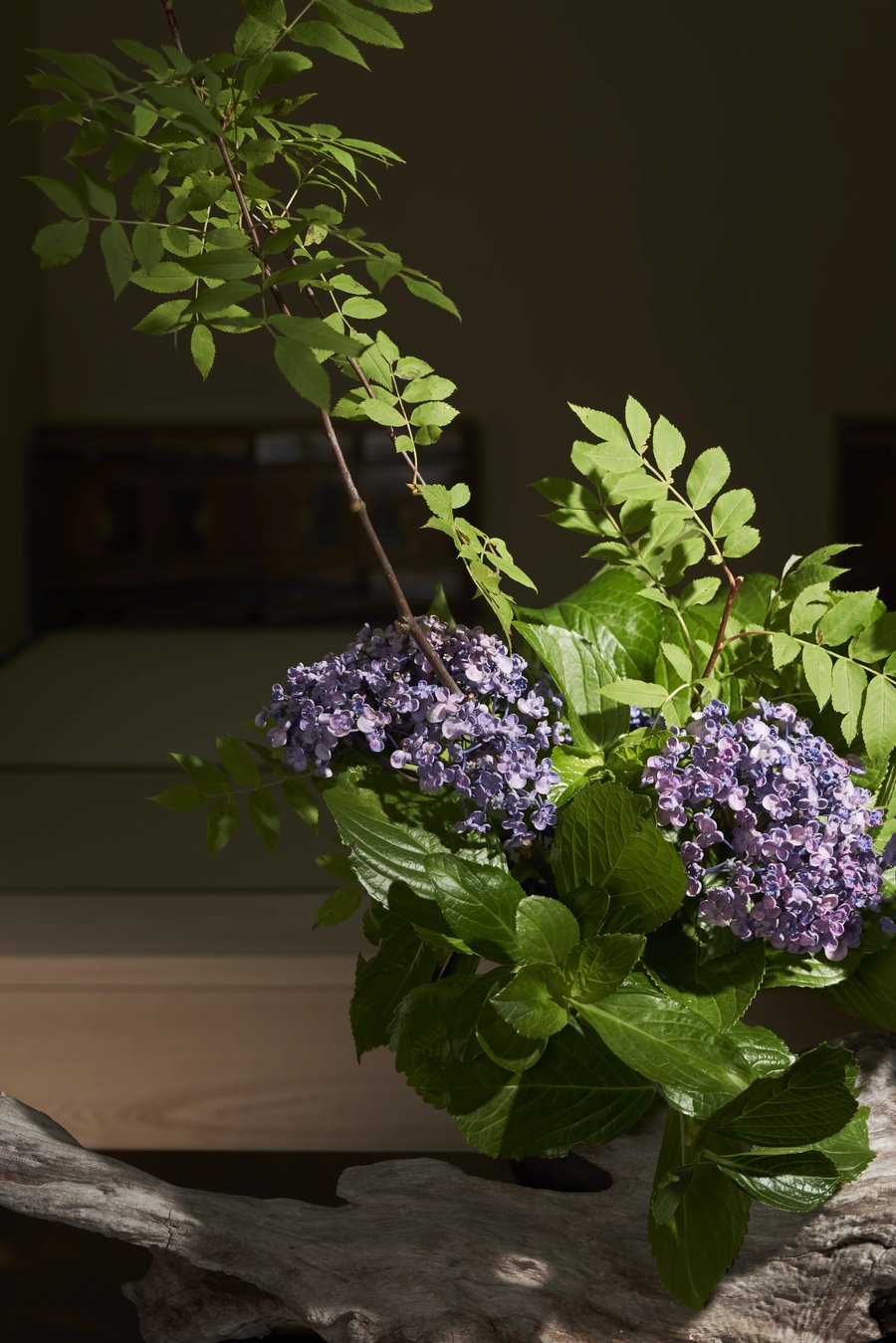
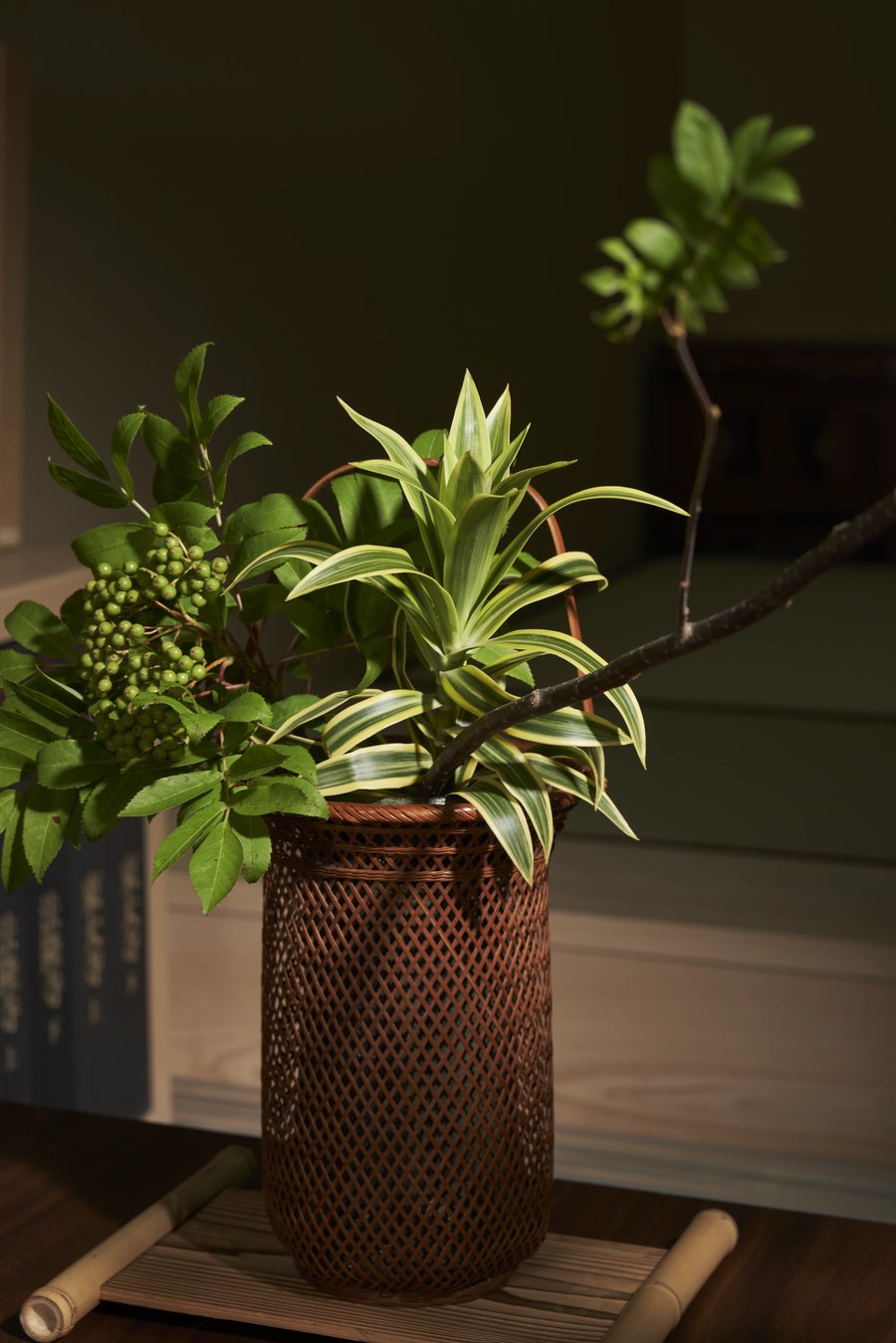
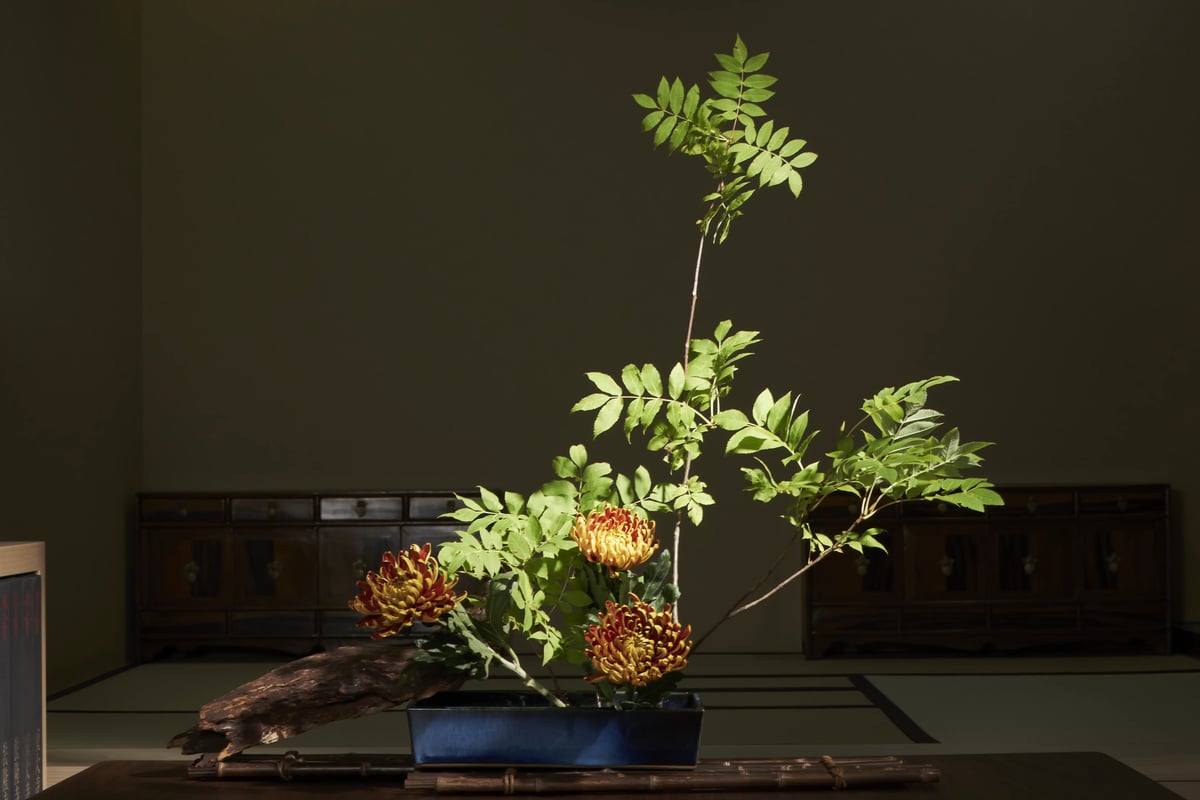
Ikebana is more than a thousand years old, and it is not flower decoration. What is composed is the space — the intervals between stems, and the emptiness they frame. The stems are held by a kenzan, a spiked metal frog set in a shallow basin, and every cut is decided before it is made.
The Supplier
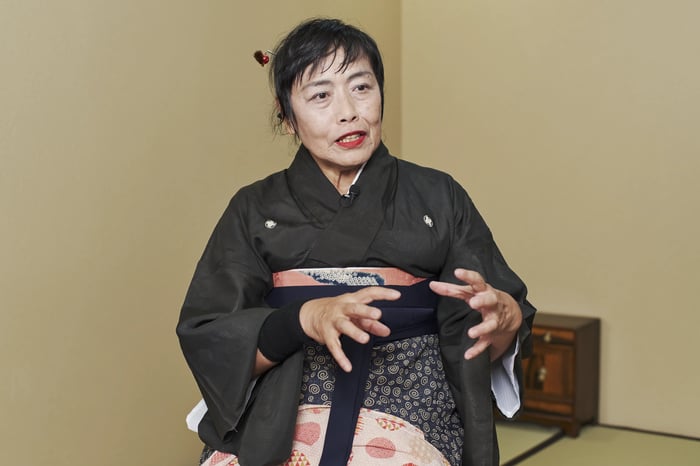
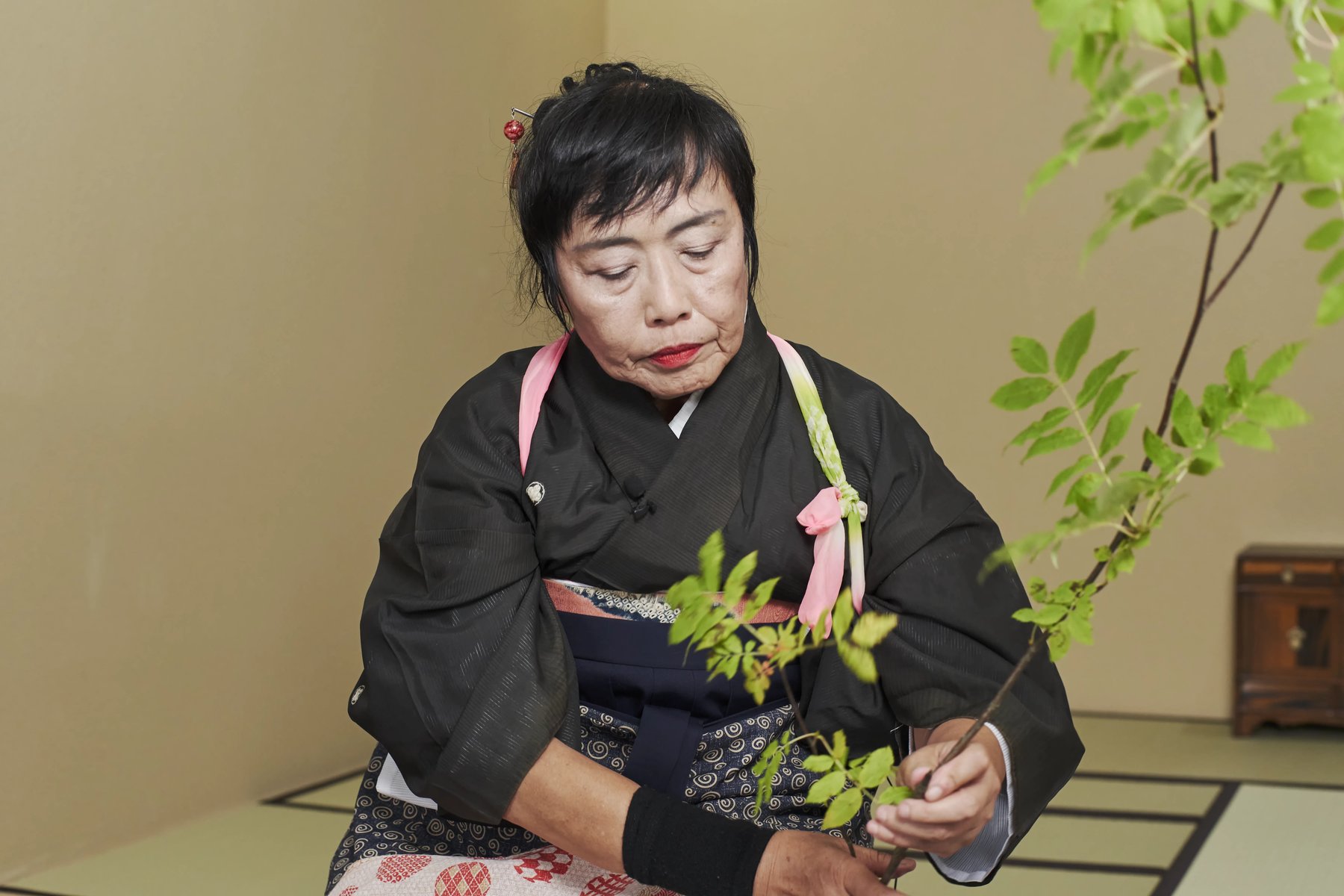
Kouen Yokoi is a third-generation master of the Sogetsu School, itself a young school by ikebana standards at about a hundred years old. Her grandmother was one of the eight disciples who founded Sogetsu alongside its first head; her mother was a Sogetsu master too. The character 紅 runs through all three of their names.
What Makes It Different
In her atelier, wood comes before flowers: driftwood against the wall, bamboo reaching almost to the ceiling, old timber waiting for the day it becomes a work. You are working with that material, in that room, rather than assembling a bouquet from a class kit.
The Experience
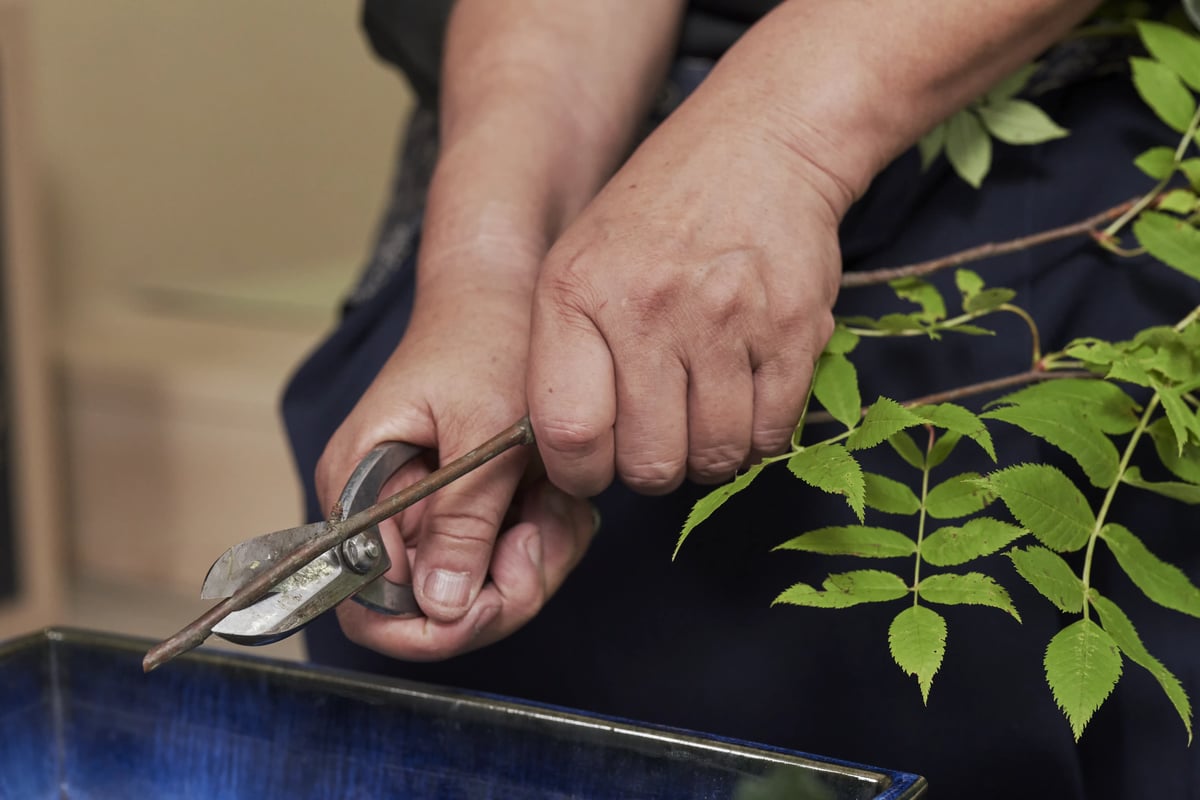
A single pair of shears bites into a length of material on the diagonal, and makes a dry sound. That is where an arrangement begins — not with choosing a flower, but with deciding where nothing will go. Yokoi came to this late and on her own terms: she spent her teens pushing back against a family of artists, and only took the name up properly after her mother died, when she found the line her mother had left about who inherits the character they share.
- Working with the atelier's own material — driftwood, bamboo and old timber, not a class kit
- The kenzan, and why the first decision is where nothing will go
- An arrangement of your own, made under a third-generation Sogetsu master
- Entirely private — no other guests, paced around you
これは一例です — This Is a Sample Itinerary
Here's how a session typically unfolds, from pickup to drop-off.
- Hotel pickup by an English-speaking guide, who stays with you for the visit
- Arrival at the atelier, where the wood — driftwood, bamboo, old timber — is looked at before any flower
- Choosing your material together with Yokoi
- The first cut, on the diagonal, and how the kenzan holds what follows
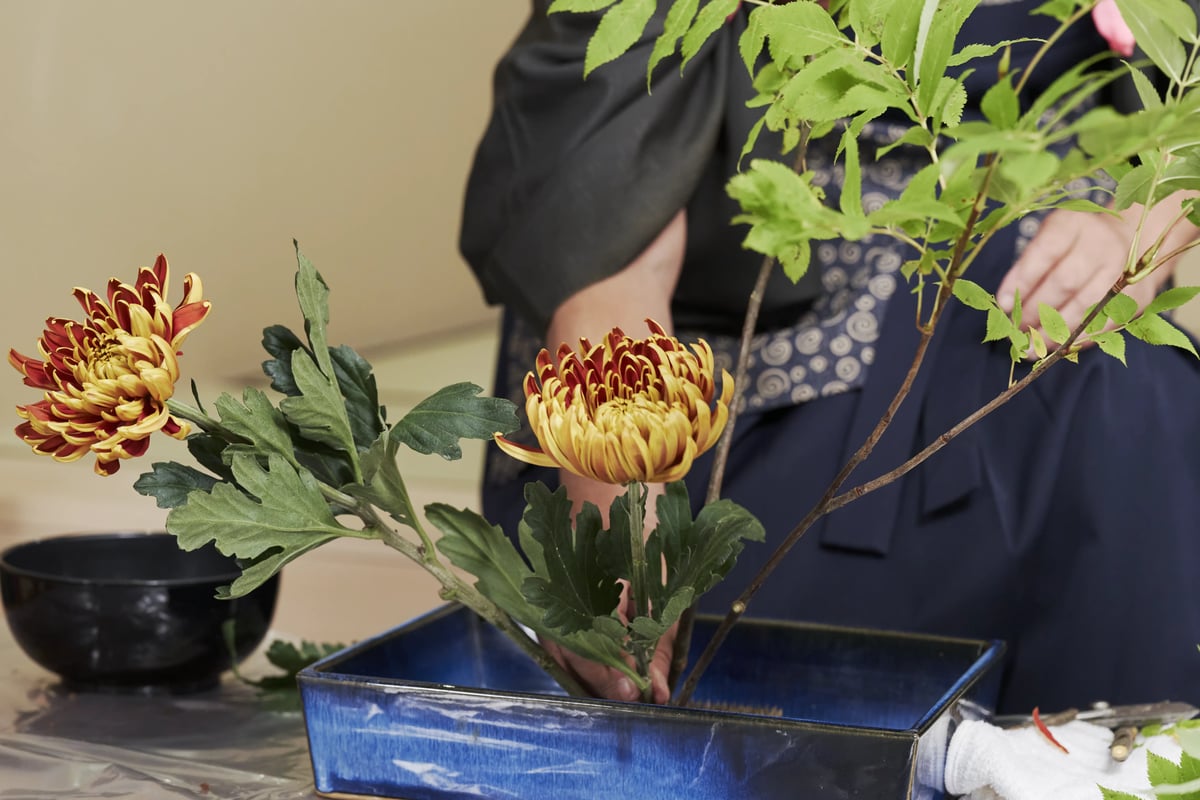
- Building your own arrangement, guided stem by stem
- Standing back — reading the spaces you have made, and adjusting
- Conversation about the Sogetsu School and three generations of one name
- Private transfer back to your hotel
What's Included
Meet Your Artisan & What to Know

Yokoi was born into a family of performing artists — a father who directed dance, a maternal grandfather who was a noh actor of the Hosho School, a grandmother among the eight disciples who founded the Sogetsu School. She wanted none of it. Until high school she says she seriously meant to build a household with no artists in it; she joined an art club almost by accident, went on to art school, and at one point aimed to be a police officer. She only took the family path up properly after her mother died, when she found a line her mother had left about who inherits the character 紅 — the one that runs through her grandmother's name, her mother's, and her own.


- Shoes come off at the entrance.
- Sleeves that push back easily are best — there is water, and there are cut stems.
- The material leaning against the walls is being kept for future works; please ask before handling it.
- Shears are sharp and cut on the diagonal; Yokoi will show you the grip before you use them.
- Photography in the atelier is welcome.
About This Experience
None. Yokoi teaches beginners regularly, and the session is built around seeing the spaces rather than around technique.
Cut material does not travel well, so most guests photograph their work in the atelier. Your guide can advise on the day.
Yes — an English-speaking guide is present throughout.
The atelier is given over to your party alone — no other guests are hosted during your visit.
An Afternoon in the Atelier, Shaped Around You
No dates or pricing are published here — every visit is scoped after a private consultation.
Enquire →