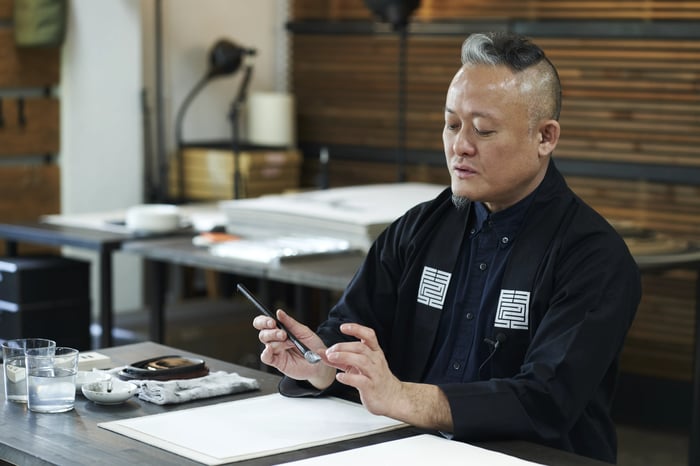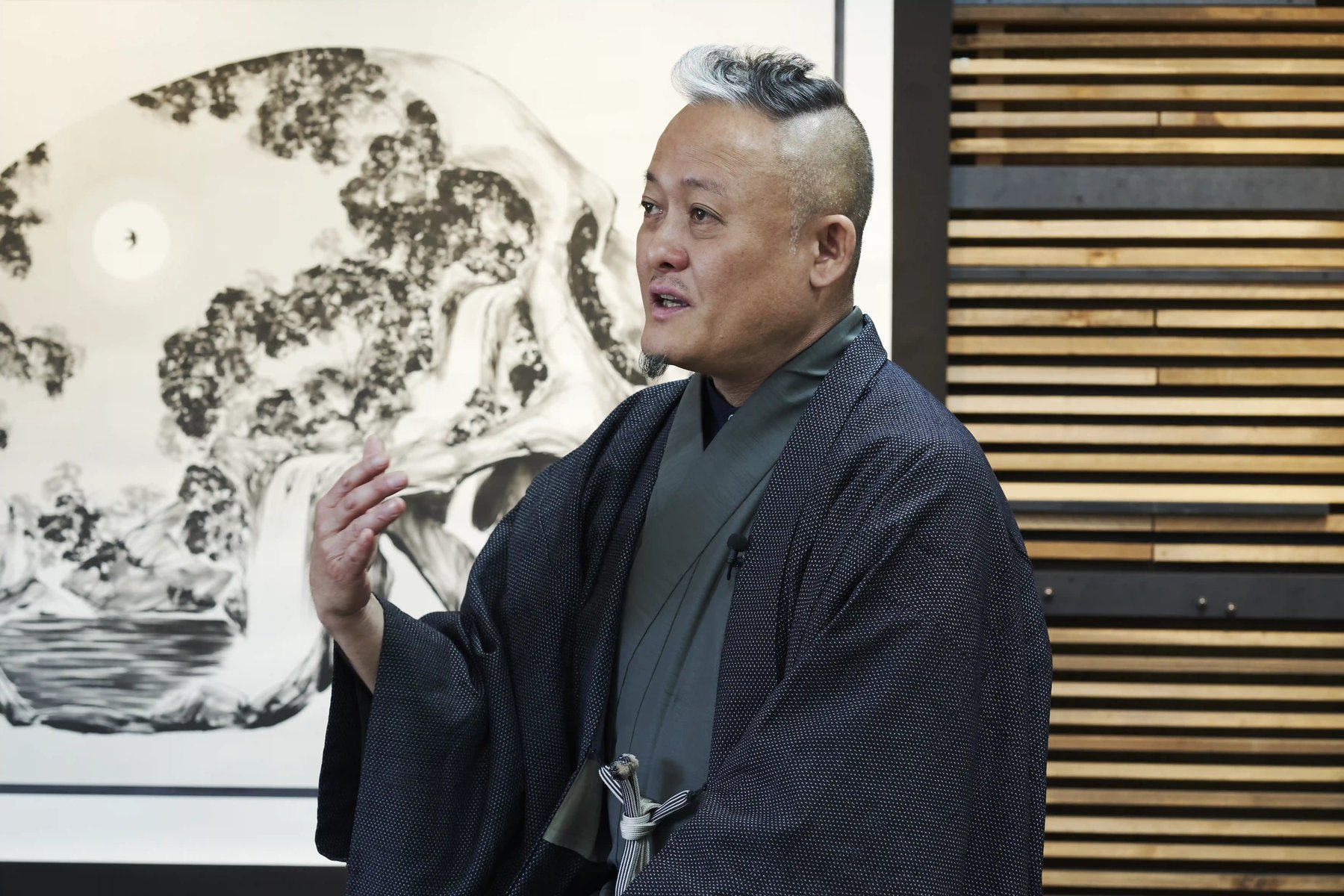
自作の水墨画の前で筆を手に語る土屋秋恆
Craft — Sumi-e

Sumi-e Ink Painting in a Tokyo Keikoba
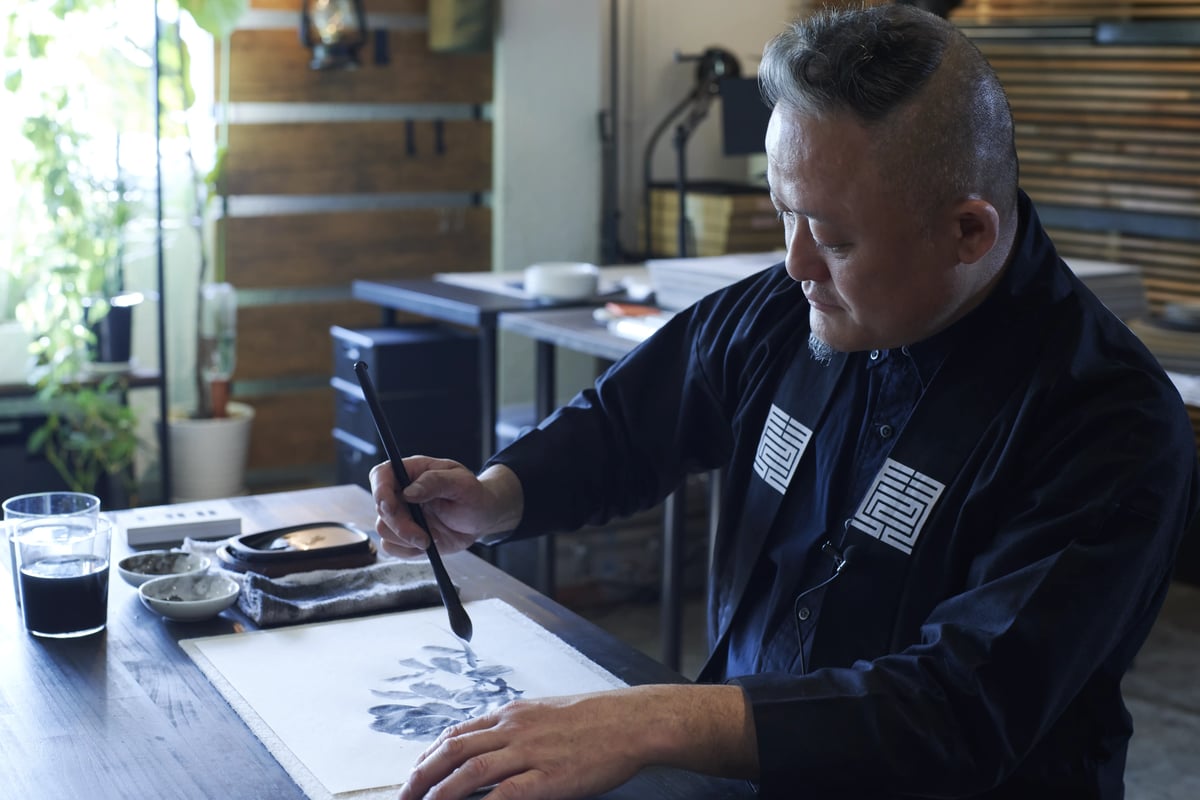
東北沢の稽古場で机に向かう土屋秋恆
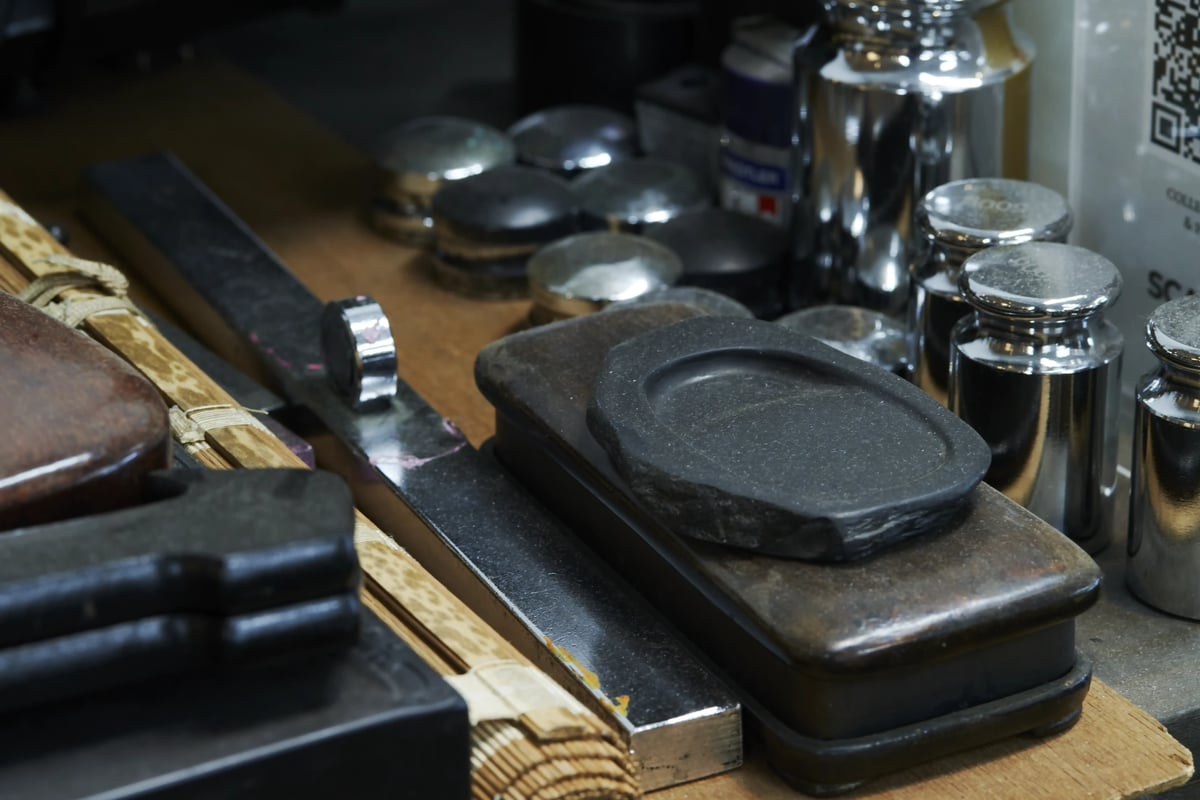
硯と筆
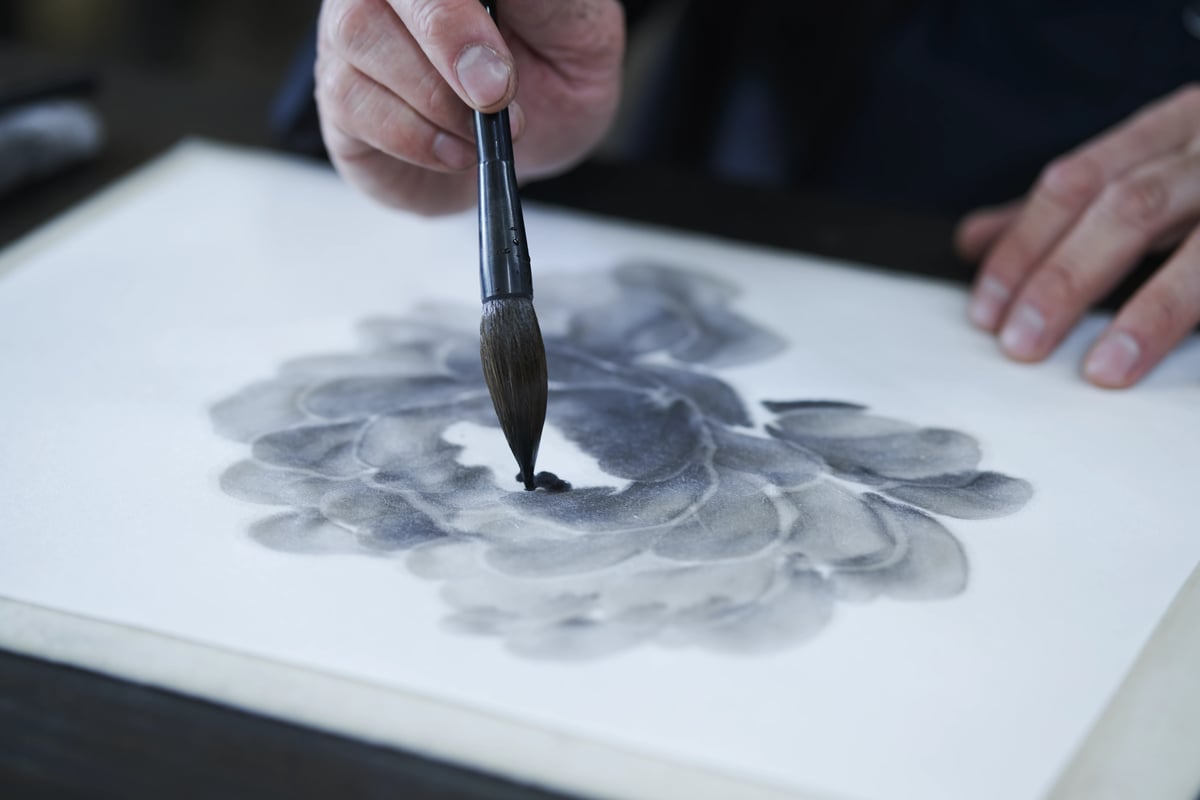
筆が紙に墨を置く瞬間
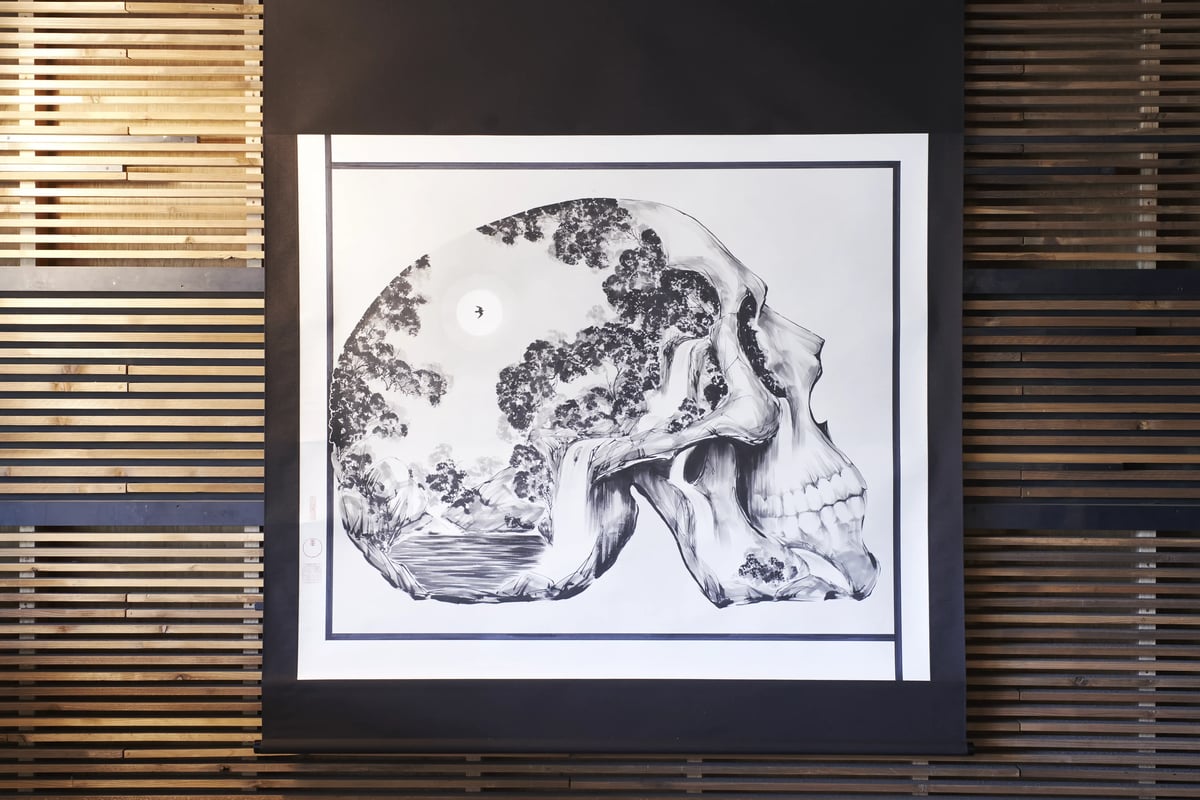
格子壁に掛けられた額装の水墨画

The Craft

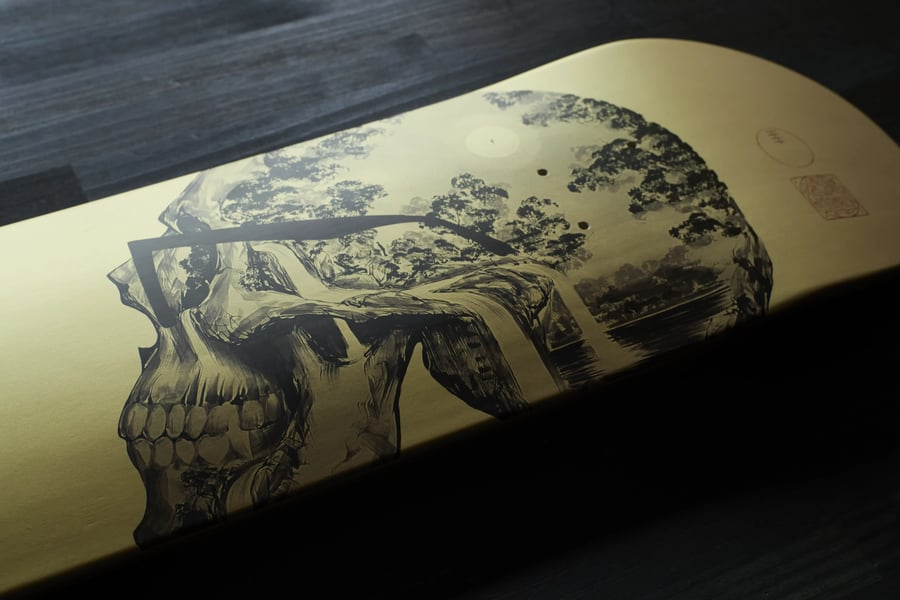
Sumi-e — Japanese ink painting — arrived with Buddhism in the sixth century as hakubyō-ga, figures drawn in outline alone, and split over the centuries into rival lineages. Its techniques are still named and still practiced: kōroku-hō's fine outline, tsuketate-hō's single loaded stroke, sujime-gaki's hidden ridge line.

The Supplier

Shukou Tsuchiya has practiced sumi-e for more than three decades. He reached the rank of shihan in the Nanboku Bokugakai lineage in two years, and now leads his own group, Bokusenkai, from a keikoba in Higashi-Kitazawa, Tokyo.

What Makes It Different

Nothing here is a scripted class. Each visit opens with a hearing — a short conversation about what draws you to sumi-e — and the afternoon is shaped around your answer, in the room where Tsuchiya actually teaches.

The Experience

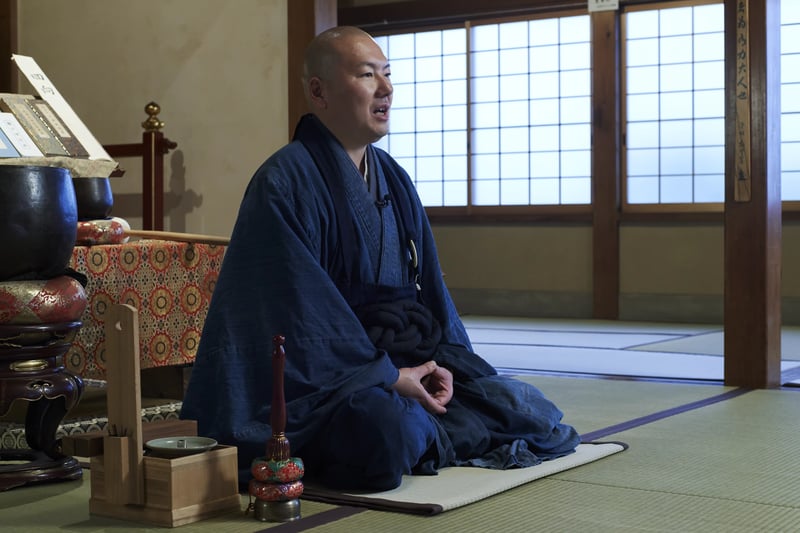
Tsuchiya's atelier is less a studio than a keikoba — a training space closer in spirit to a dōjō, where washi hangs magnetised along an iron bar, an inkstone waits between its umi and riku, and a small kamidana shares the room with a kitchen. The afternoon begins not with a brush but with shosa: the grinding of ink, before a single line is drawn. What follows is shitomeru — the one stroke that must land on the first attempt, and cannot be taken back.

  • A hearing before you begin — a short conversation about what draws you to sumi-e, which shapes the afternoon
  • The shosa of grinding your own ink on the suzuri, before a single line is drawn
  • Guidance on shitomeru — the single, irreversible stroke, drawn with the whole body
  • An introduction to yohaku, the reserved space that invites the viewer's own memory in
Discover Behind the scenes — Shukou Tsuchiya
Itinerary

これは一例です — This Is a Sample Itinerary

Sample, not a fixed schedule Shown to illustrate the kind of layered day we build, not a fixed schedule. Exact timing is confirmed only after a private consultation.

Here's how an afternoon typically unfolds, from pickup to drop-off.

  1. Hotel pickup by an English-speaking guide, who stays with you for the visit
  2. Arrival at the keikoba in Higashi-Kitazawa, and the hearing — a short conversation about what draws you to sumi-e
  3. A personal proposal for the afternoon, shaped around that conversation
  4. The shosa of grinding ink on the suzuri, before a single line is drawn
  5. Hands-on practice with the brush, guided stroke by stroke by Tsuchiya
  6. Close viewing of finished works, and the idea of yohaku — the reserved space a viewer fills from memory
  7. Private transfer back to your hotel

What's Included

Private introduction & guidance from Shukou Tsuchiya
Sumi-e materials — brush, ink, suzuri and washi
A personal proposal for the session, shaped around your own interest
English-speaking guide for the visit
Hotel pickup and drop-off in central Tokyo
Not included: transportation beyond central Tokyo, personal purchases
Enquire →

Meet Your Artisan & What to Know

土屋秋恆
Shukou Tsuchiya(土屋秋恆) Sumi-e painter — shihan of the Nanboku Bokugakai lineage Read the full interview on Our Masters →

At eighteen, Tsuchiya was told by his teacher Terayama Nanyō that he had the bearing of a future master — the sō, a reading passed down through the way a student holds the brush. He reached the rank of shihan in the Nanboku Bokugakai lineage in two years, and now leads his own group, Bokusenkai. More than thirty years on, he still speaks of shitomeru: the single, irreversible stroke that must land on the first attempt, drawn with the whole body and spirit concentrated into it. He grew up among his grandfather's ink paintings at an inn in Gero Onsen, and insists a thousand-year art must keep being renewed, not simply preserved.

His Work
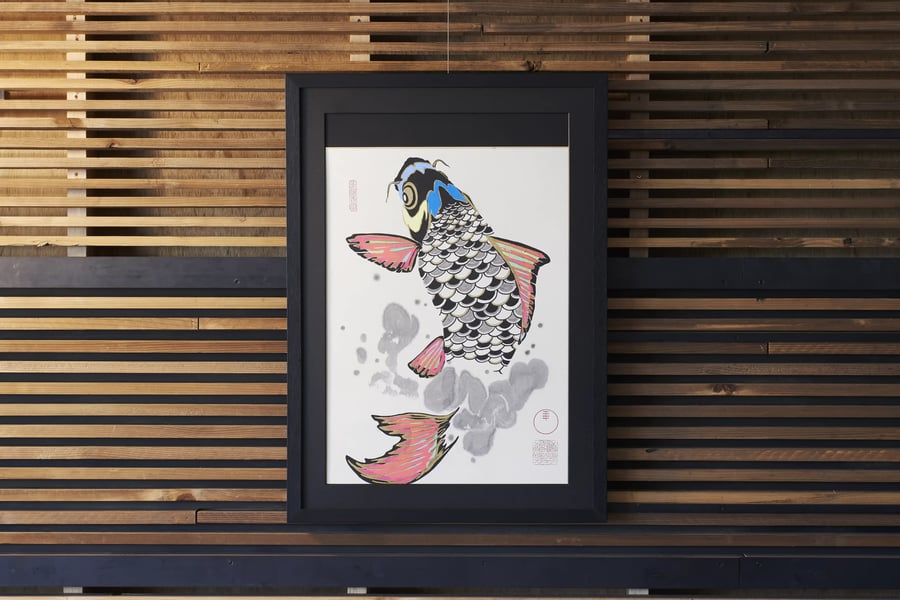
額装された水墨の作品
扉に描かれた水墨画
  • Shoes come off at the entrance — the keikoba is a training space, closer in spirit to a dōjō than a studio.
  • Photographing the room and the finished works is welcome; please ask before photographing Tsuchiya at work.
  • Ink and brushes are laid out for you; the kamidana and the washi hung along the iron bar are best left untouched.
  • Wear something you don't mind marking — sumi ink stains.
  • The session is entirely private and unhurried — questions and conversation are part of it.
About This Experience

Do I need any experience with a brush?

No prior experience is needed. Every visit opens with a hearing — a short conversation about what draws you to sumi-e — and the session is shaped from there, whether or not you have ever held a brush.

What will I actually paint?

That is decided with you. After the hearing, Tsuchiya shapes a personal proposal for your time in the room rather than running a fixed curriculum.

Can I join if I don't speak Japanese?

Yes — an English-speaking guide is present throughout.

How many people can join?

The keikoba is given over to your party alone — no other guests are hosted during your visit.