Wearing a Noh Mask on a 700-Year-Old Stage
The Craft
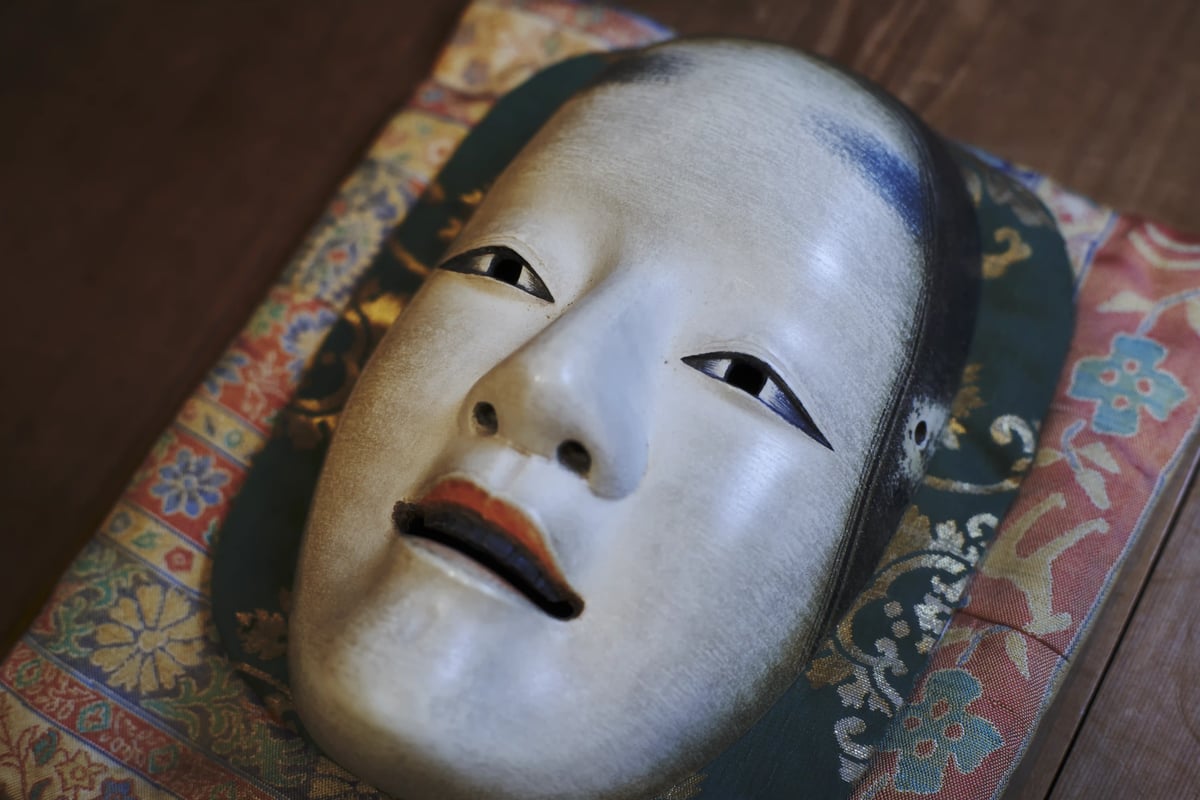
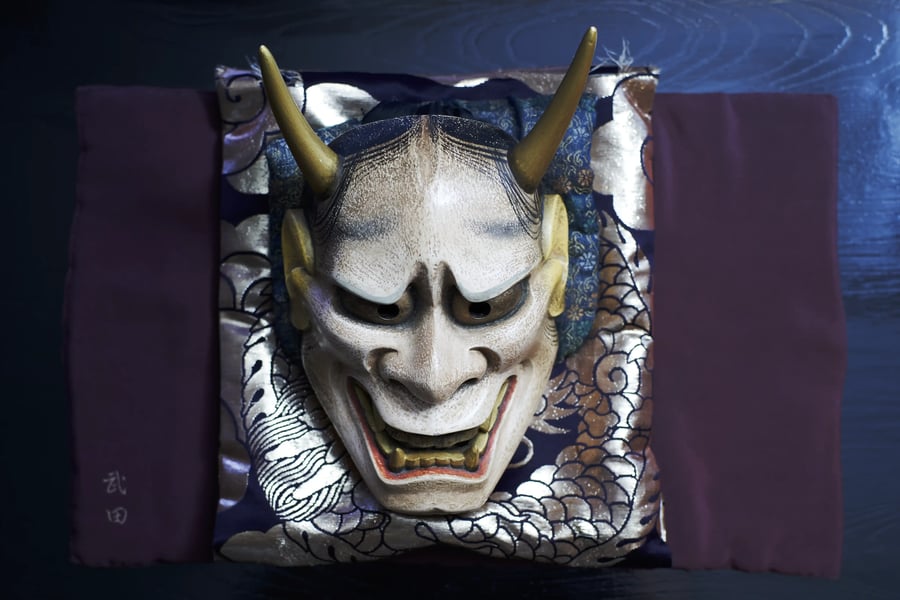
Noh is the oldest living theatre in the world, handed down almost unchanged for seven hundred years and conceived as prayer rather than entertainment. A mask never laughs, never rages, never weeps — its neutral face is called chūkan hyōjō, an in-between expression. Tilt it down and it seems to carry sorrow; lift it and it gazes at a distant sky. There is no single correct reading.
The Supplier
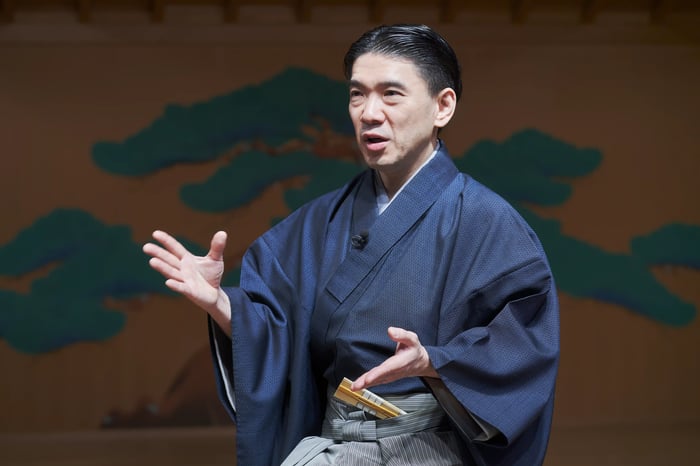
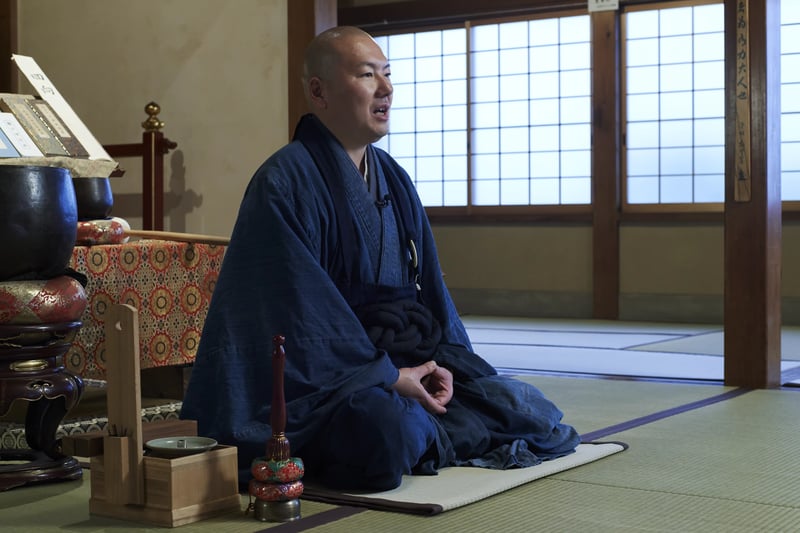
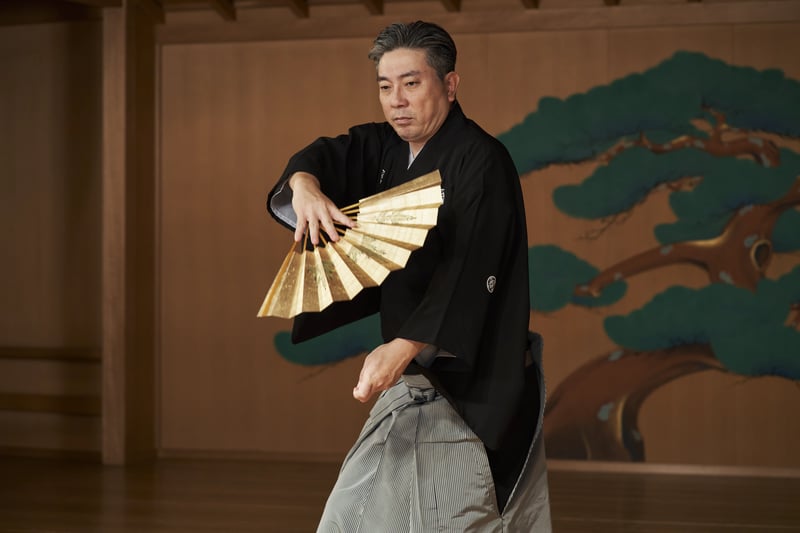
Tomoyuki Takeda is a shite-kata of the Kanze school and a certified holder of Important Intangible Cultural Property status, working from Takeda Shūnōkan. His family has performed noh since his great-grandfather; he first stepped onto a stage at three, and spent nearly four years as a live-in apprentice to Kanze Kiichi, head of the Kanze school.
What Makes It Different
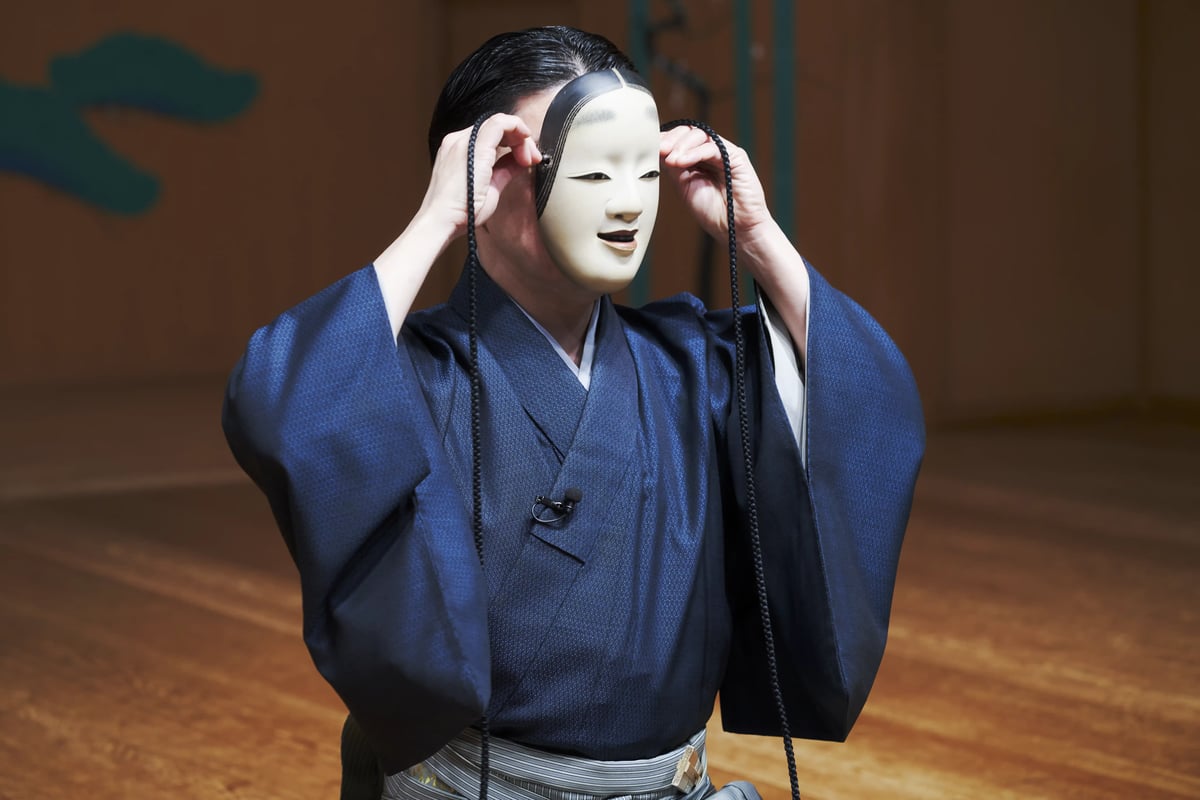
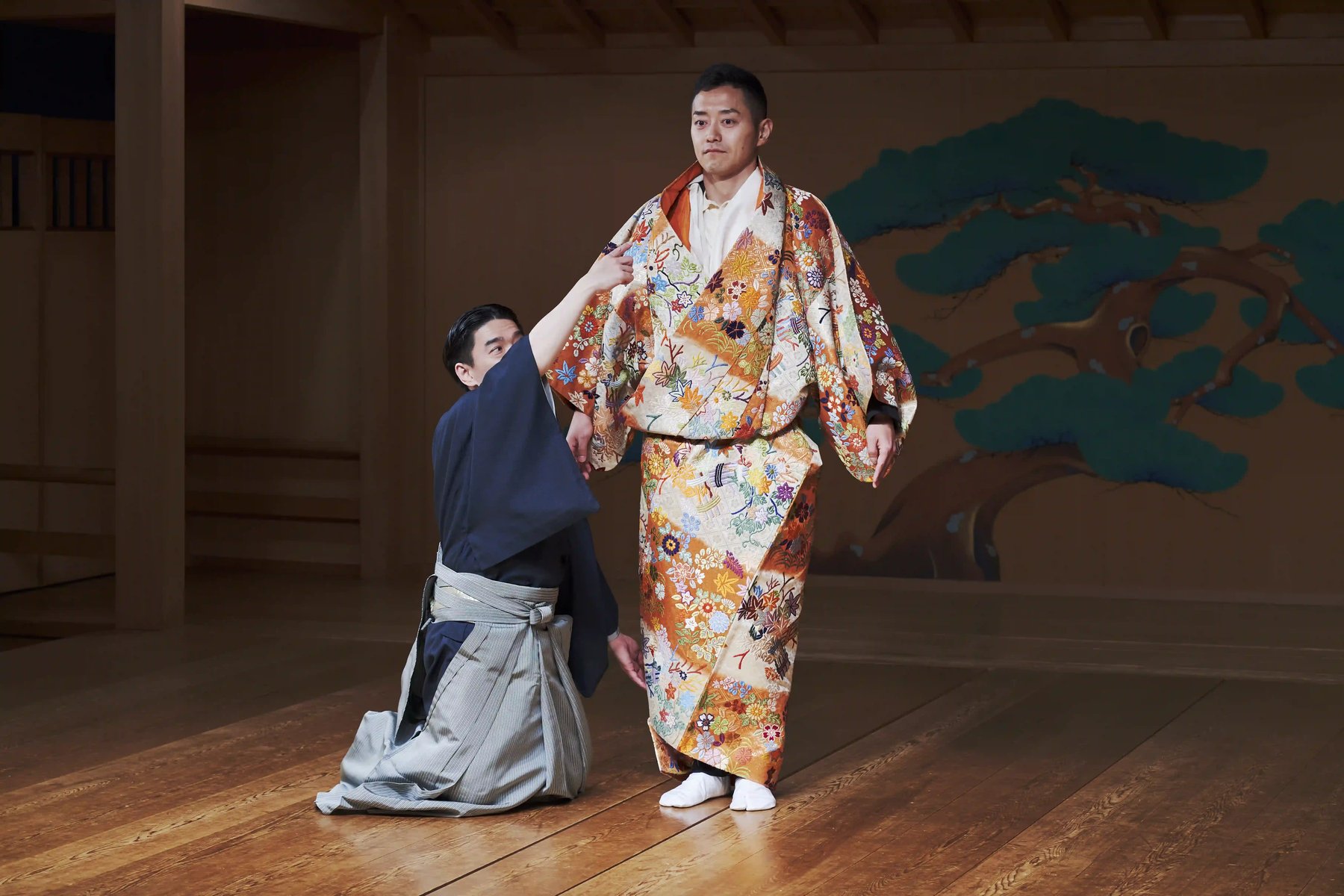
You are not in the audience. In Japanese you do not put a noh mask on — you kakeru it, and you bow to it first. You will wear one yourself, then the karaori robe, and then practise the two disciplines: utai, the chant, and suri-ashi, the sliding step.
The Experience
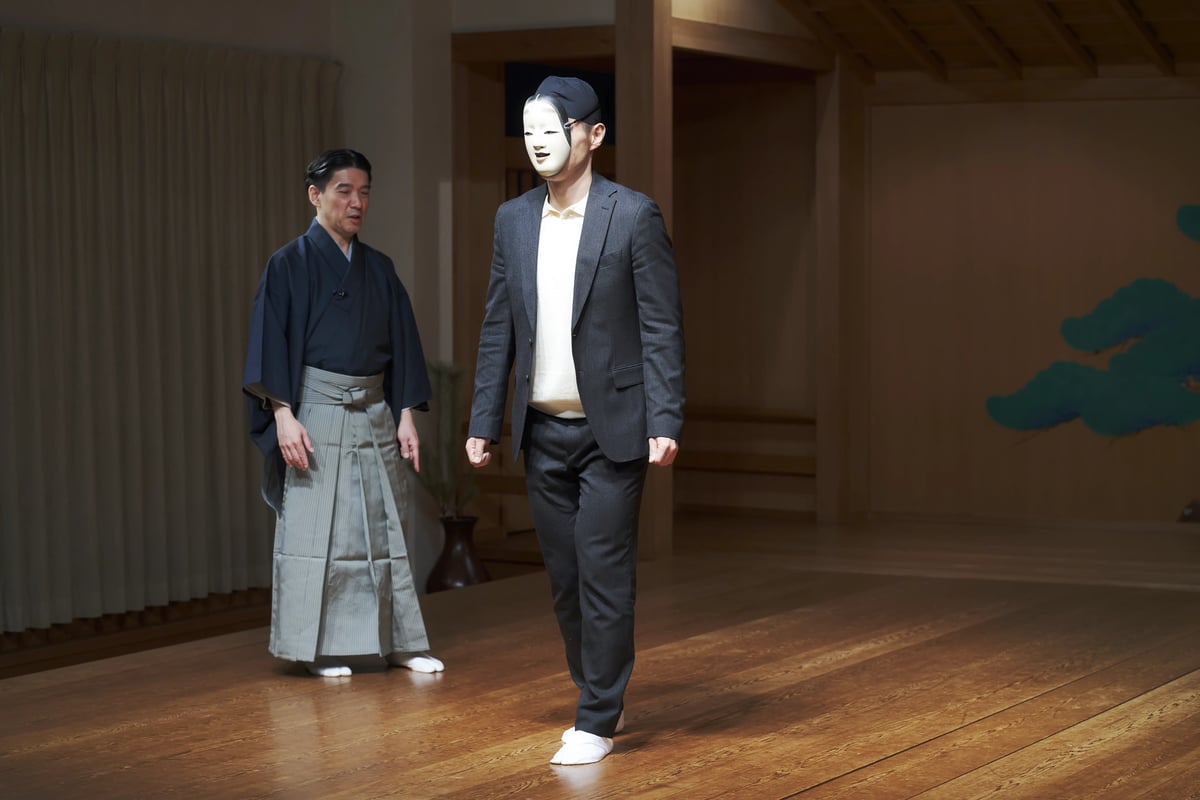
First the mask. Then the costume — karaori, among the most valuable of all noh robes — worn so you can feel its weight and try a few of its movements. Then the two disciplines you practise: utai, the chant, built on diaphragm breathing, where you draw a deep breath and let the voice carry dozens of metres before learning to shape it; and suri-ashi, the sliding step, which as Takeda puts it should feel like shaving the stage with the sole of your foot, chest open. What a shite-kata of the Kanze school can actually place in a visitor's hands, placed there.
- Wearing a noh mask yourself — and the bow that comes before it
- The karaori robe, among the most valuable of all noh costumes, worn for its weight
- Utai — the chant, and a voice built on the diaphragm rather than the throat
- Suri-ashi — the sliding step, practised on the stage itself
これは一例です — This Is a Sample Itinerary
Here's how a visit typically unfolds, from pickup to drop-off.
- Hotel pickup by an English-speaking guide, who stays with you for the visit
- Arrival at Takeda Shūnōkan and time on the stage before anything begins
- The masks — what chūkan hyōjō means, and why you bow before you wear one
- Wearing a mask yourself, and learning how a few degrees changes everything
- Being dressed in karaori, and trying a few of its movements under its weight
- Utai — the chant, and breathing from the diaphragm so the voice carries
- Suri-ashi — the sliding step, walked on the stage with Takeda
- Private transfer back to your hotel
What's Included
Meet Your Artisan & What to Know

He first stepped onto a noh stage at three years old, and remembers none of it. His family has performed since his great-grandfather, and in his father's day passing the art to a son was simply assumed — there was no explanation of the story, only instructions: don't change your expression, don't move unnecessarily, raise your voice, don't swing your arms. He remembers no fun in it. In high school he chose the path himself, and spent nearly four years as a live-in apprentice to Kanze Kiichi, head of the Kanze school — cooking, cleaning, driving, mending costumes, carrying the trunk wherever his teacher went, chanting along while his seniors trained. He now has a son of his own, first put on stage as a small boy.


- Shoes come off before the stage; clean socks or tabi are usual.
- Masks are bowed to before they are worn, and handled only as Takeda shows you.
- The karaori robe is among the most valuable objects in the house; it is put on and taken off by the family.
- Clothing you can move in is best — costume goes over your own clothes.
- Photography is welcome at some moments and not others; your guide will say when.
About This Experience
None. Nothing here is about performing well — it is about what the mask, the robe and the step actually feel like from the inside.
Yes to both. The mask is worn after a bow, as Takeda shows you; the karaori robe is put on for you by the family.
Yes — an English-speaking guide is present throughout.
The stage is given over to your party alone — no other guests are hosted during your visit.
Time on the Noh Stage, Shaped Around You
No dates or pricing are published here — every visit is scoped after a private consultation.
Enquire →