Yose-Moji: The Brush Lettering of Rakugo Theatres in Tokyo
The Craft
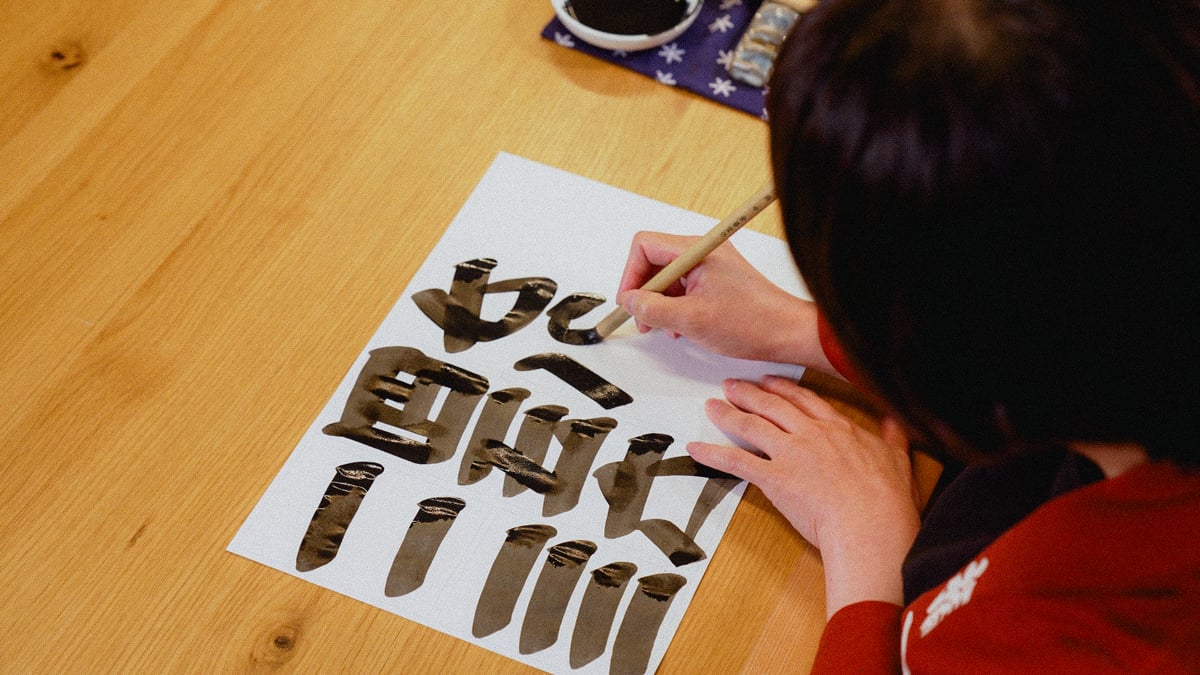
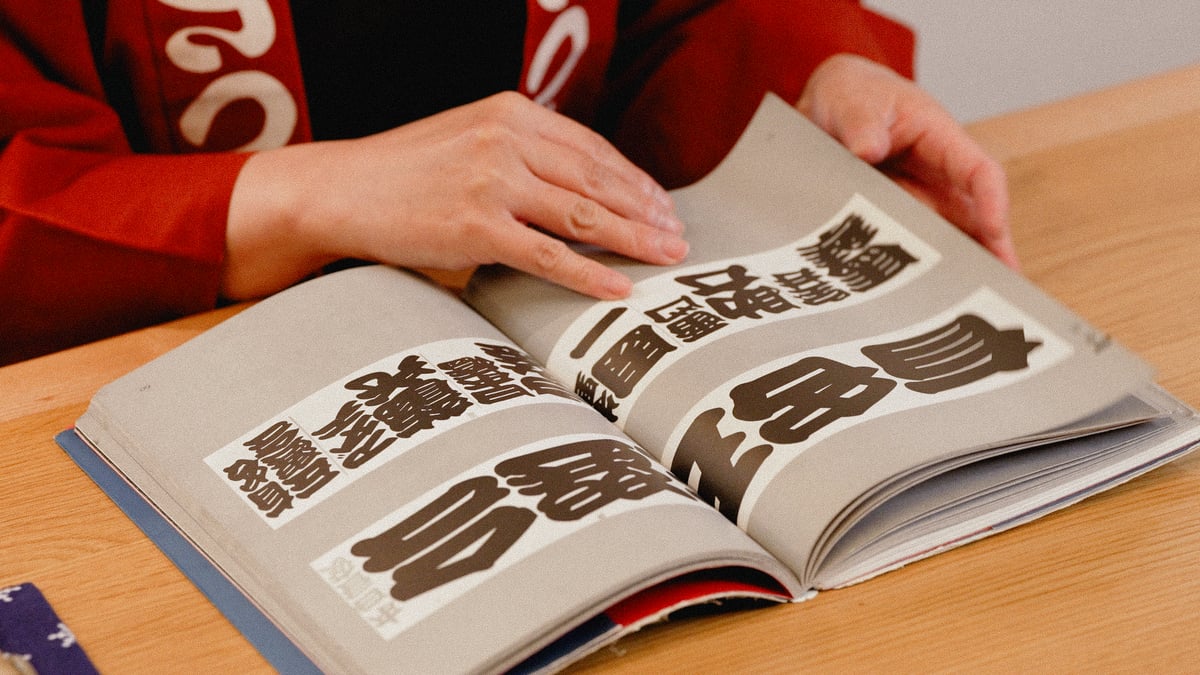
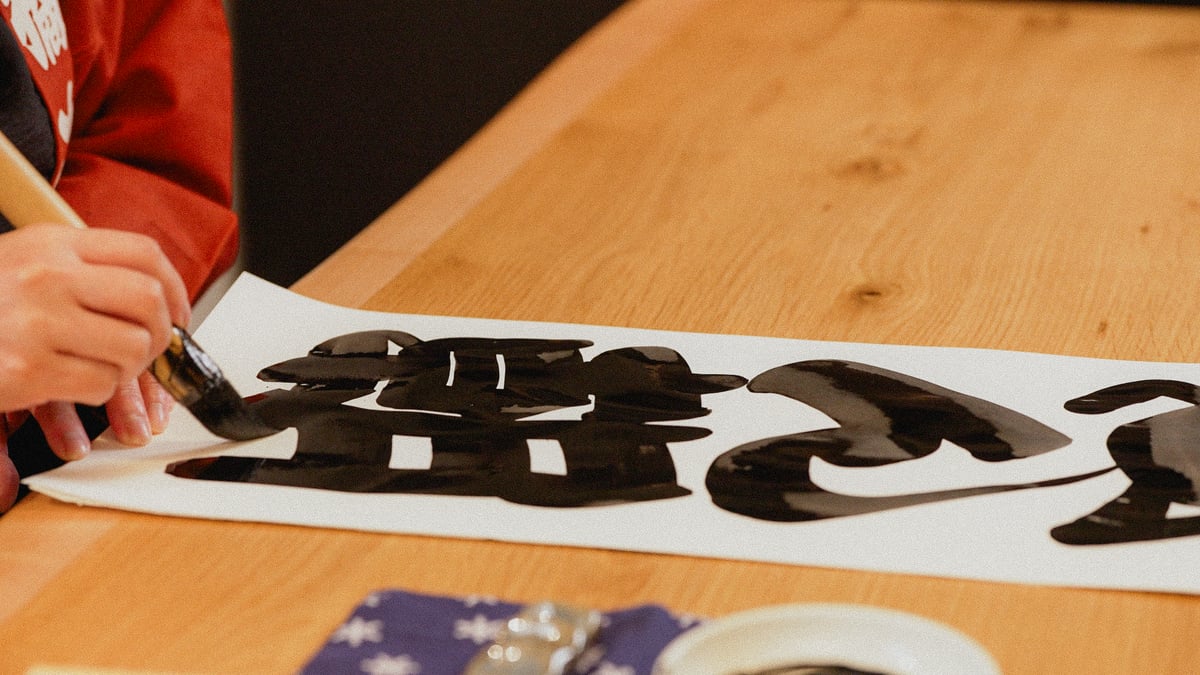
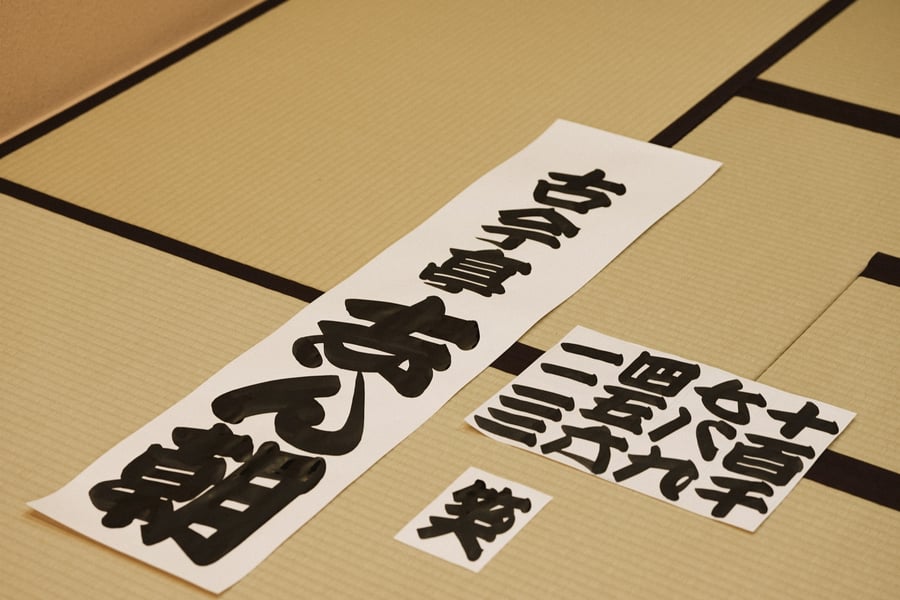
Yose-moji is the lettering used on playbills and signboards at yose, the traditional theatres where rakugo, kōdan and manzai are performed. It grew out of the signboard scripts of the Edo period and was shaped above all by kabuki's Kantei-ryū. Characters are written thick and dark, slanting upward and filling the frame with as little blank space as possible, a wish for a packed house.
The Artisan
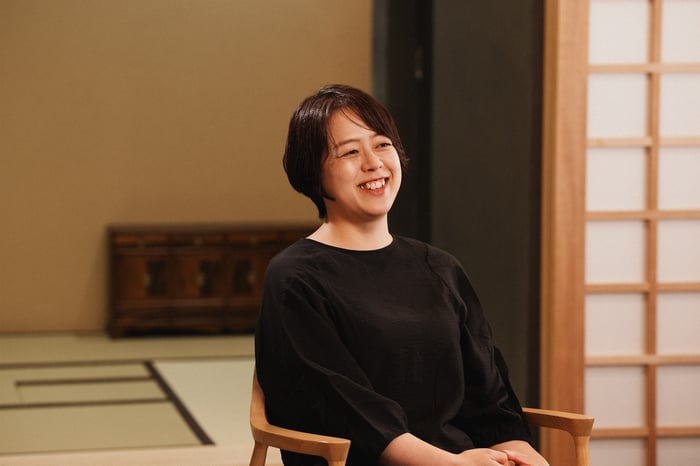
Tachibana Satsuki writes yose-moji in the Tachibana school, the school founded by Tachibana Ukon, who revived the lettering in the Shōwa era. She trained for six years through Arakawa Ward's craftsperson-training programme before receiving her professional name, and still moves between company work and a room at home that becomes her workshop each time a commission arrives.
What Makes It Different
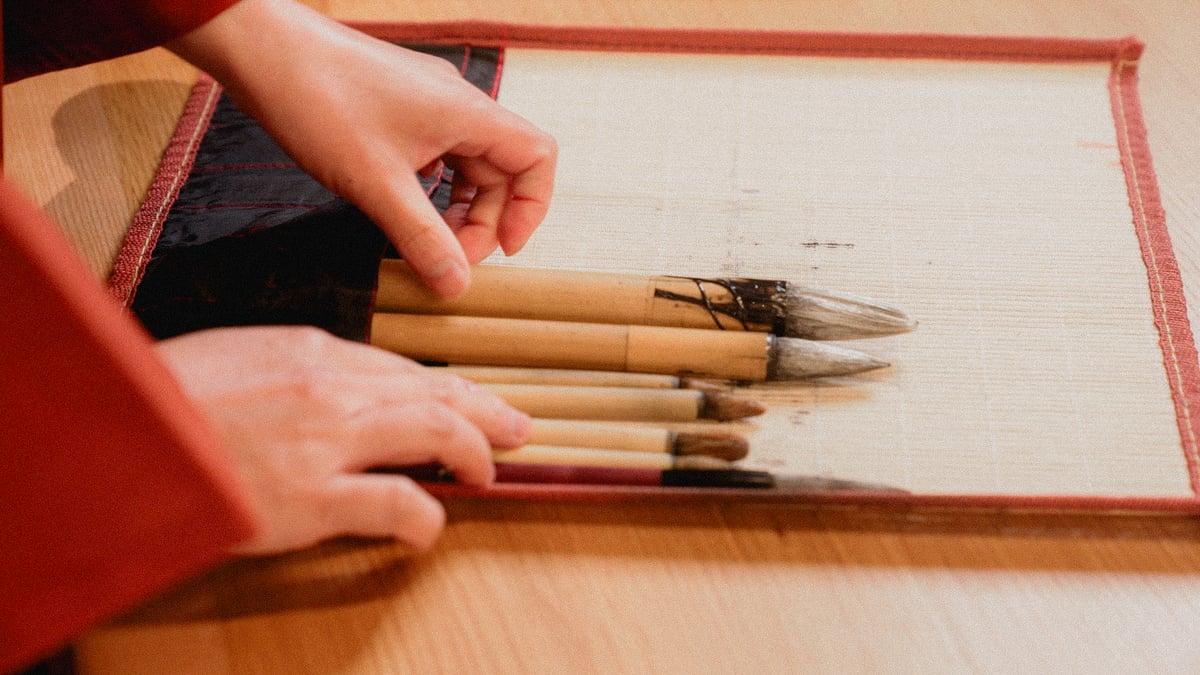
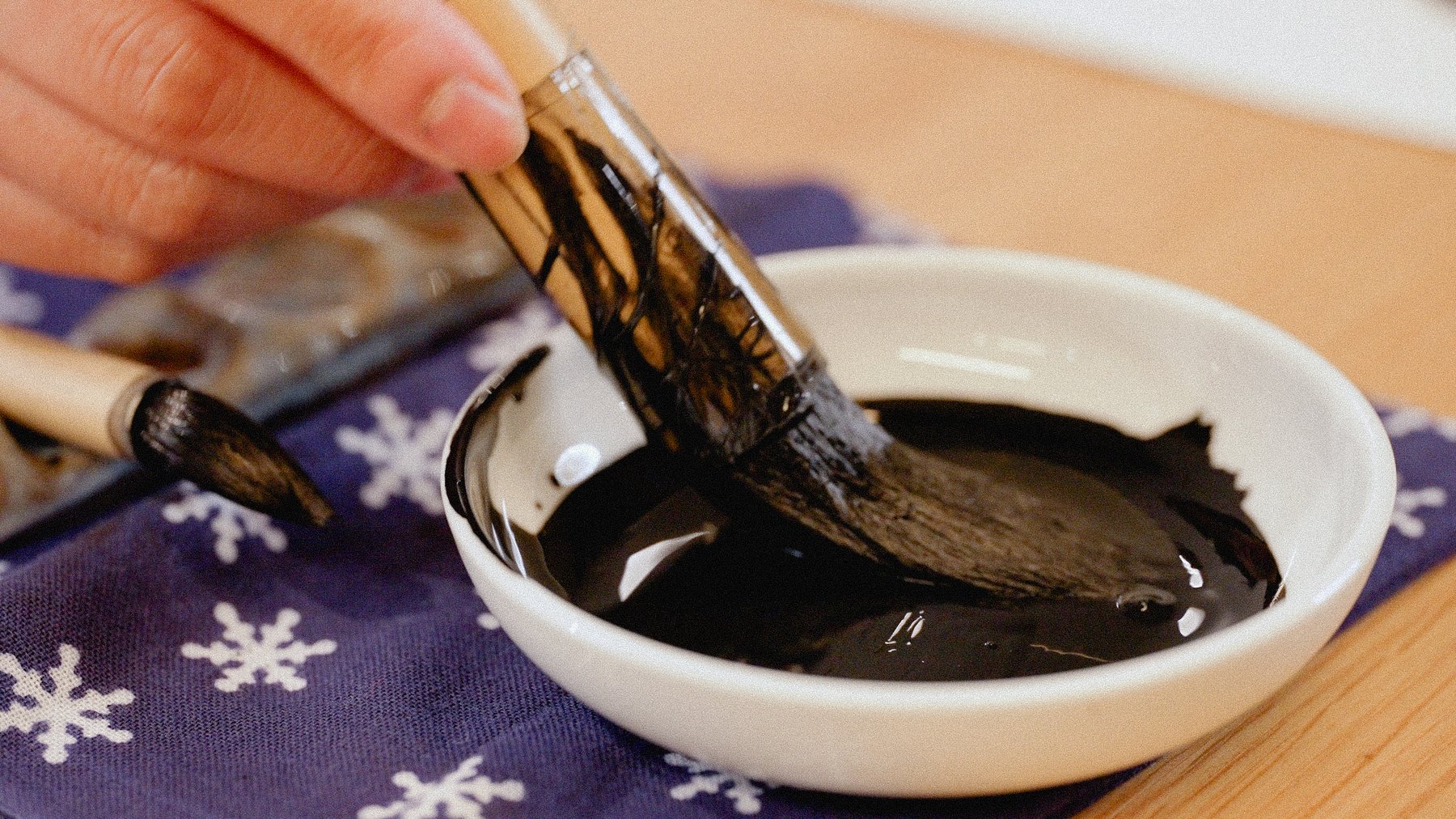
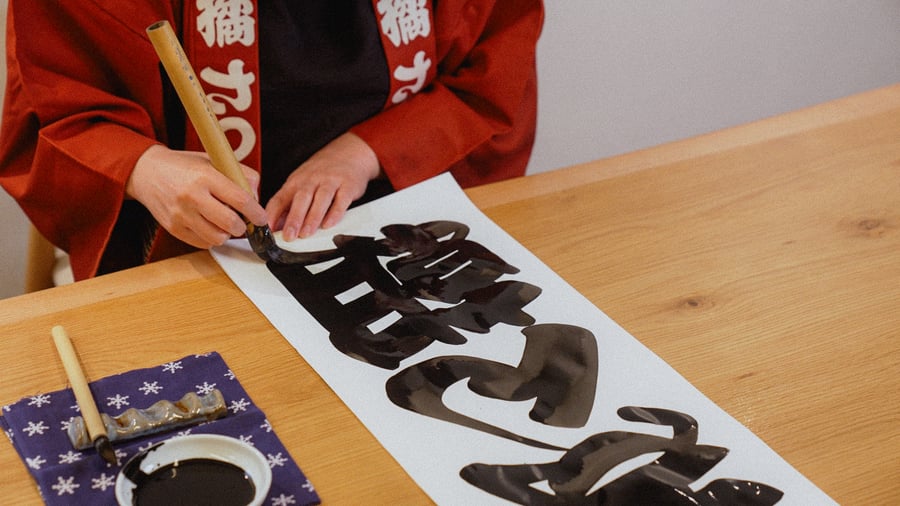
Unlike calligraphy, yose-moji uses a brush with a short tip, pressed flat against the paper and driven forward with steady, even force. The idea is to write through the movement of the body rather than the fingers. In Tachibana Satsuki's experience, a finished piece can look beautiful even to those who cannot read what it says.
The Experience
Yose-moji is the bold, boxed lettering of Japan's storytelling theatres, where every character is written to fill its frame. Each allotted space is treated as an audience seat to be filled, and the strokes slant upward in the hope that the performance, the audience and the performers will rise ever upward.
In Tachibana Satsuki's workshops, a short introduction to yose-moji comes first. Then come basic strokes to get the feel of the short-tipped brush, and, once participants are a little more comfortable, a kanji of their choice to practise and write as a final copy. Whether you write yourself or observe is confirmed when the plan is shaped. It looks smooth when she writes; people often find it far harder once they try. Lines run past the frame, and the balance slips.
She has noticed that visitors who do not read kanji often take in a character purely as a shape, and what they write can sometimes end up closer to yose-moji. Above all, she hopes people sense the world of rakugo and the yose behind the letters.
- See how the short-tipped brush used for yose-moji is pressed flat and driven forward with even force
- Learn why each character fills its frame, a wish for a full house
- Hear how Tachibana Ukon revived this lettering in the Shōwa era
- A writer of the Tachibana school, the only school of yose-moji today
This Is a Sample Itinerary
Here's how a visit typically unfolds, from pickup to drop-off.
- Hotel pickup by an English-speaking guide, who stays with you for the visit
- A short introduction to yose-moji, the lettering of the yose
- A session that may include basic strokes with a short-tipped brush, practising a kanji of your choice and writing a final copy
- Private transfer back to your hotel
What a Day Like This Would Include
Meet Your Artisan & What to Know

Tachibana Satsuki began calligraphy lessons as a child, and came to know yose-moji through her love of rakugo. At a workshop held during a rakugo event she drew a single horizontal line, and the instructor there turned out to be the teacher she later studied under. She trained for six years through Arakawa Ward's craftsperson-training programme, received her professional name with the approval of the ichimon, and made her formal debut at the school's New Year's gathering.
She studied the history of Chinese painting at university. Her commissions come mostly from performers and organisers of rakugo gatherings, and from new shops and restaurants; her lettering has also appeared on a professional wrestling match card and in a festival ritual in her hometown of Atami.
- Approach the session with respect for the practitioner, her tools and the working space
- Expect a pace and format that may be quieter or less scripted than standard tourism
- Photo, video and recording should be confirmed in advance
About This Experience
Tachibana Satsuki has had visitors from abroad try yose-moji, and finds that those who do not read kanji often take in a character purely as a shape. She thinks its appeal comes through easily enough that anyone can enjoy trying it.
In her workshops, a brief explanation of yose-moji comes first, then practice with basic strokes. After that, participants choose a kanji they like, practise it, and make a final copy. The exact format, including whether you write yourself or observe, is confirmed when the plan is shaped.
The brush is different: yose-moji uses a short tip, pressed flat against the paper. Rather than lifting the hand, you keep everything from the elbow to the brush stable and write through the movement of the body, aiming for an even line with as little blank space as possible.
People often say it looked smooth when they watched, but turned out to be really difficult when they tried. A brush is soft at the tip, and unless you control it well you cannot produce the line you intend.
A Session in Yose-Moji, Shaped Around You
No dates or pricing are published here — every visit is scoped after a private consultation.
Enquire →