Planning Japan for 2027? Speak to a travel designerReplies personally within three business days
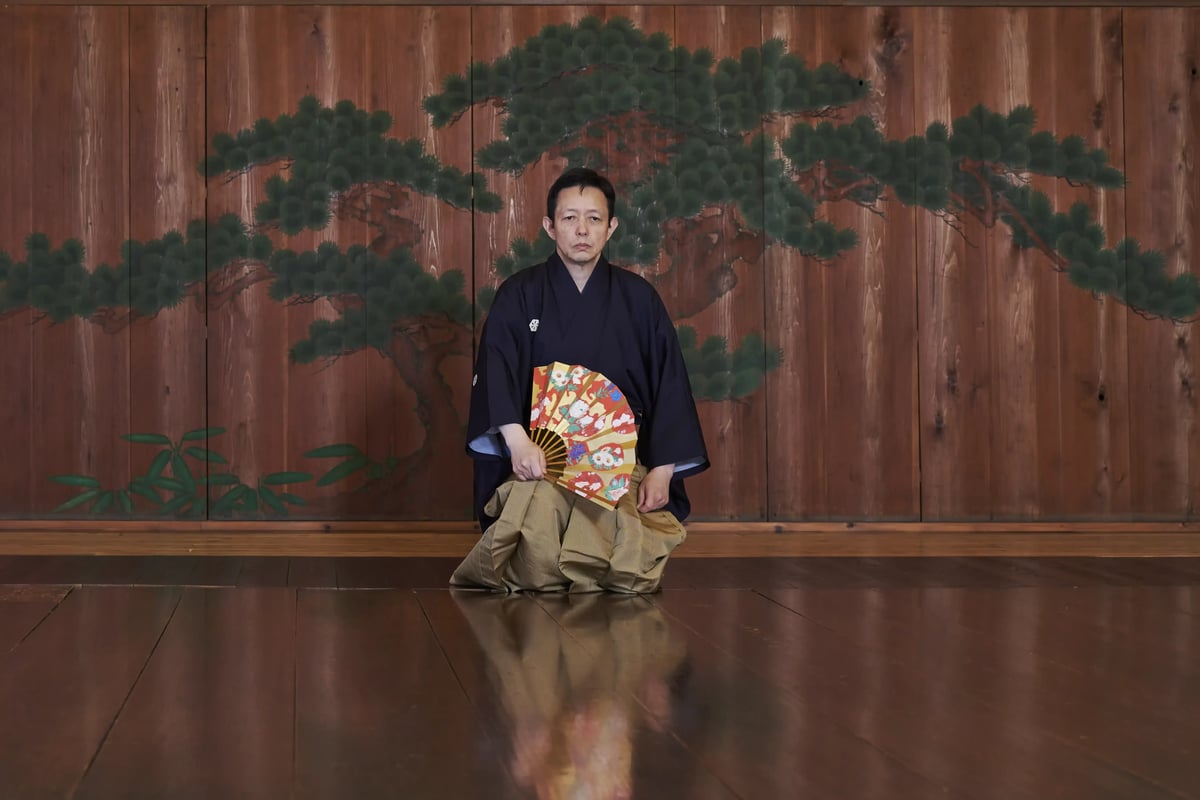
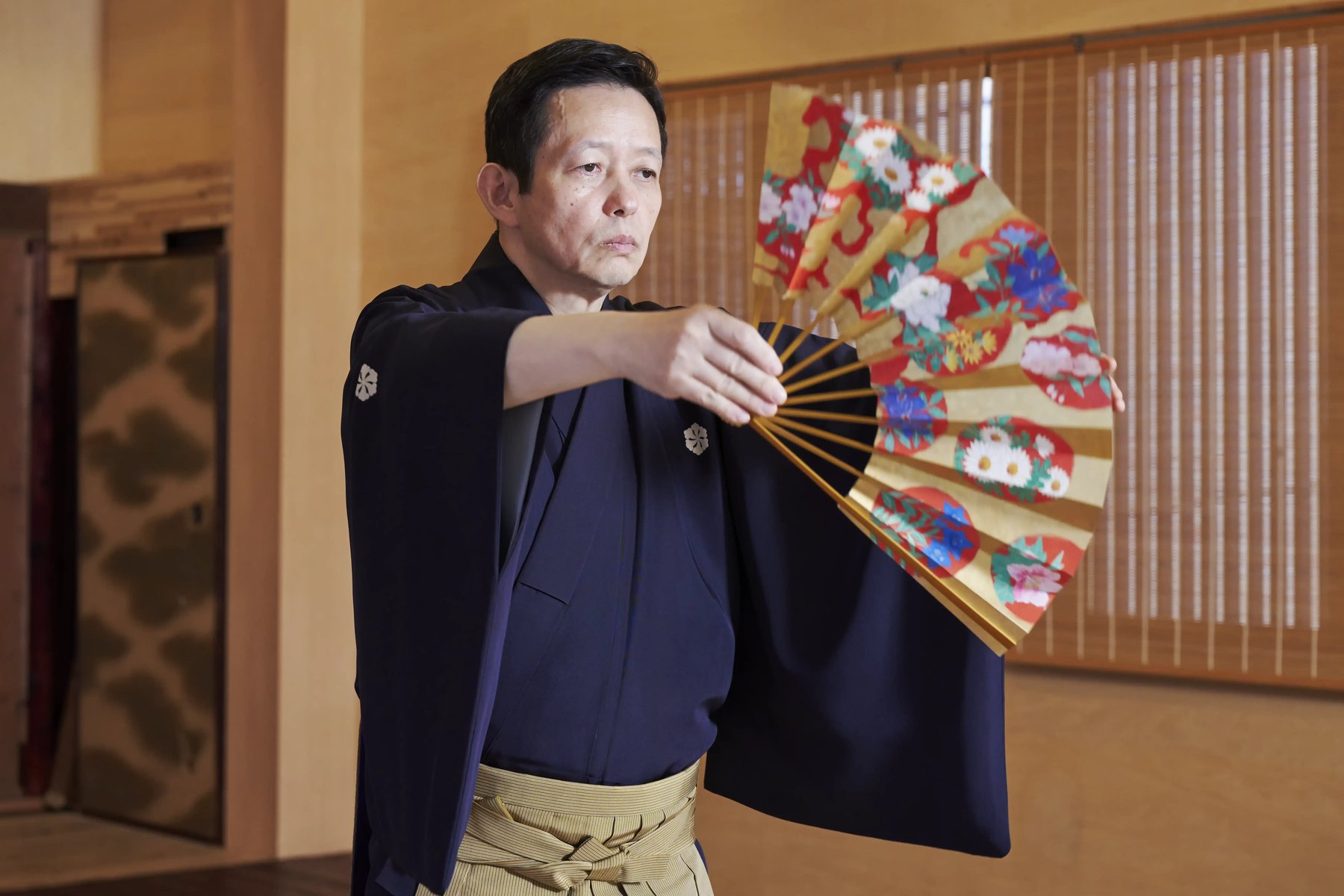
Sakurama Ujin holding out an open fan on the practice stage
Performing Arts — Noh

Noh: Listen, Repeat and Walk on a Cypress Practice Stage in Tokyo
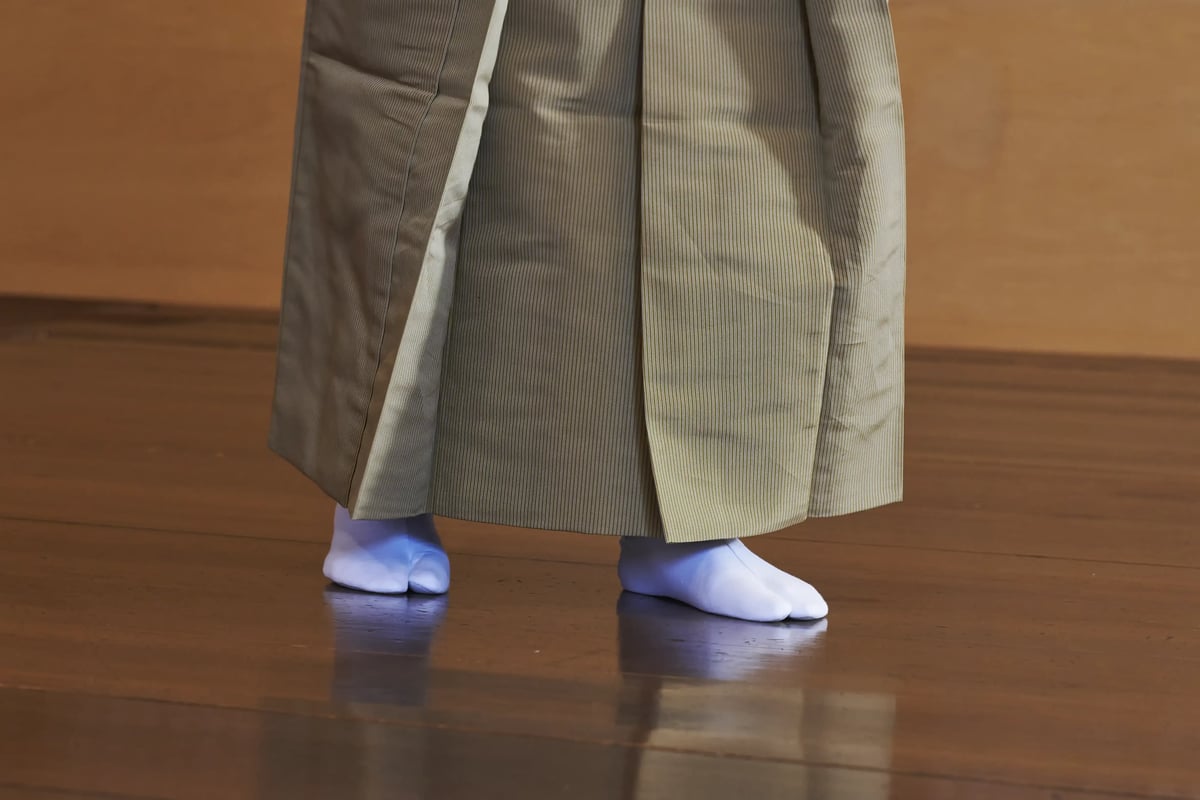
White tabi and hakama on the cypress stage floor
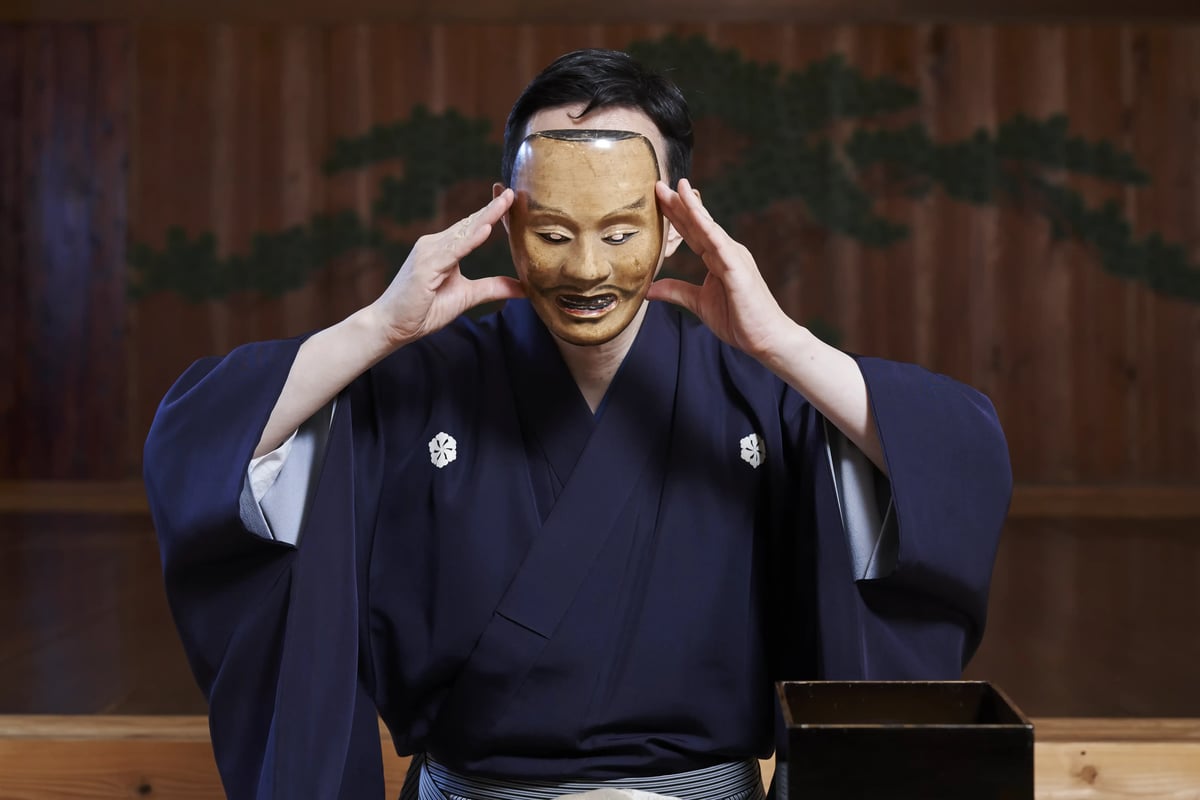
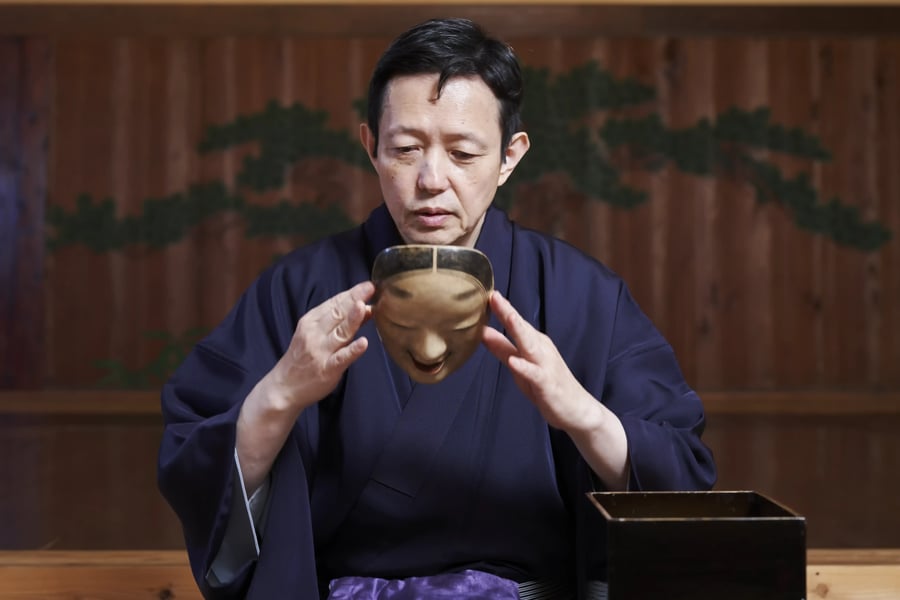
Sakurama Ujin putting on a Noh mask
Sakurama Ujin kneeling with a fan before the painted pine
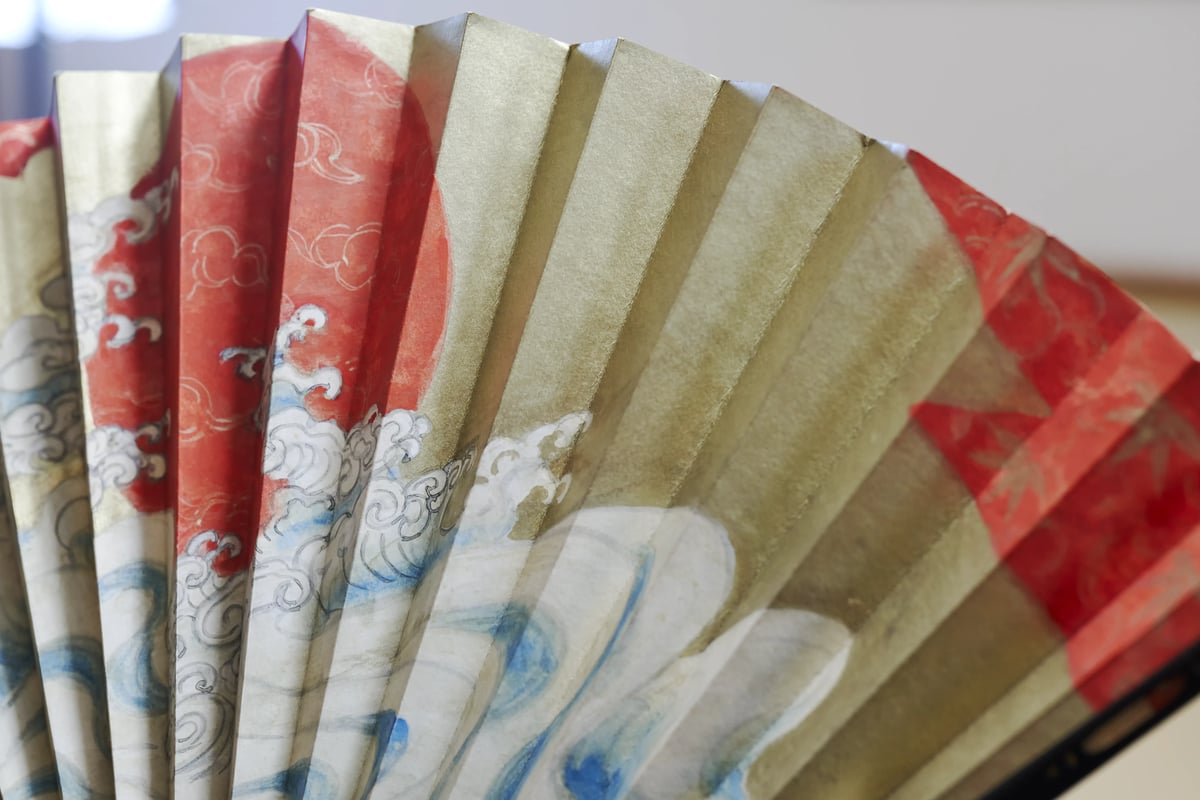
A Noh fan painted with waves, half open

The Craft

Noh took shape roughly 700 years ago as an art built on song and dance, and is said to be one of the oldest classical performing arts in the world. Of its two founders, Kan'ami and Zeami, it is Zeami who left the greater body of writing. Noh has been passed down by oral transmission, from master to disciple, across generations, and in 2001 UNESCO named it one of the Masterpieces of the Oral and Intangible Heritage of Humanity.

The Artisan

Sakurama Ujin is the 21st-generation head of the Sakurama house, a shite-kata performer of the Konparu school. The family once served as Noh performers to the Hosokawa, lords of the Kumamoto domain, and the upheaval of the early Meiji era carried them to Tokyo. He began training at the age of four under his grandfather, the Living National Treasure Sakurama Michio.

What Makes It Different

The experience on this stage aims to let visitors feel the way Noh has been handed down, through oral transmission itself. You listen to the chant and try to imitate it; you watch hakobi, the basic gliding walk of Noh, and try to imitate that. The Sakurama house holds to a commitment, in its chanting, to never damage the Japanese language itself.

The Experience

The Sakurama house's practice stage sits in a corner of Fujimi, Chiyoda City, Tokyo, at the foot of a modern high-rise. A flight of stairs climbs past a small shrine, and beyond the door waits the cypress stage, where a small Shinto altar lends the room a distinct, sacred air.

Noh has been passed down by word of mouth, from master to disciple, and the experience here follows that same way of learning. You listen to a passage of the chant and try to repeat it; you watch hakobi, the gliding walk of Noh, and try it with your own body. Sitting in seiza, or recreating the posture from the waist up while seated in a chair, you may also produce sound through abdominal breathing.

Visitors may imitate the movements of Hagoromo, in which a heavenly maiden dances for joy at having her robe returned before ascending back to the heavens, or sometimes watch Yashima, which depicts the warrior Minamoto no Yoshitsune at the Battle of Yashima. As Sakurama Ujin puts it, just stepping onto the cypress stage and walking hakobi in white tabi socks is often enough, on its own, to bring people real joy.

  • Step onto a cypress practice stage and try hakobi, the gliding walk of Noh, in white tabi socks
  • Listen to a passage of the chant and repeat it aloud, the way Noh has long been passed on
  • Imitate movements from Hagoromo, or at times watch a passage of Yashima
  • The practice stage of the Sakurama house, a family that served the Hosokawa lords of Kumamoto until the Meiji Restoration
Discover Behind the scenes — the Sakurama house
Itinerary

This Is a Sample Itinerary

Sample, not a fixed schedule Shown to illustrate the kind of layered day we build, not a fixed schedule. Exact timing is confirmed only after a private consultation.

Here's how a visit typically unfolds, from pickup to drop-off.

  1. Hotel pickup by an English-speaking guide, who stays with you for the visit
  2. Arrival at the Sakurama house's practice stage in Chiyoda City
  3. A session that may include repeating the chant, hakobi in white tabi socks, and movements from Hagoromo
  4. Private transfer back to your hotel

What a Day Like This Would Include

Private session on the Sakurama house's practice stage
English-speaking guide for the visit
Hotel pickup and drop-off in central Tokyo
Not included: transportation beyond central Tokyo, personal purchases
Enquire →

Meet Your Artisan & What to Know

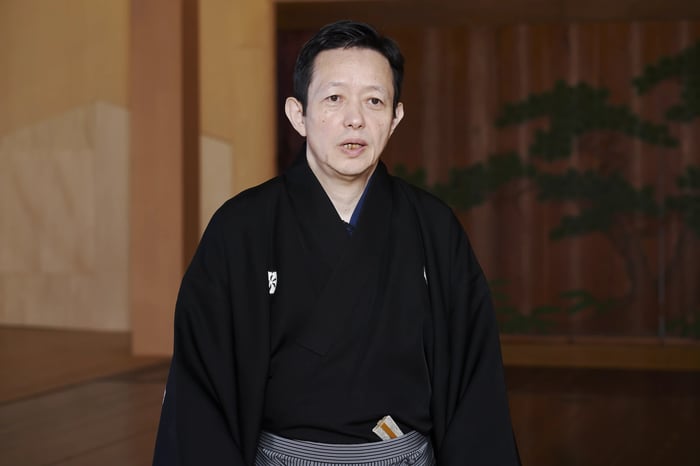
Sakurama Ujin
Sakurama Ujin 21st-generation head of the Sakurama house, Konparu school of Noh Read the full interview on Our Masters →

Sakurama Ujin is the 21st-generation head of the Sakurama house, a shite-kata performer of the Konparu school. He began training at four under his grandfather, the Living National Treasure Sakurama Michio, and first stood on a Noh stage in costume that same year. He learned the chanted text from Sakurama Kintarō II, and after his grandfather's death continued his training under him.

The teachings of his grandfather and of Kintarō were, in many ways, as different as oil and water; he calls having been taught by two teachers with opposite ways of thinking an enormous asset. Today he performs Kintarō's kata, and now, marking his sixtieth anniversary on stage, he intends to unseal his grandfather's kata once more.

Their Work
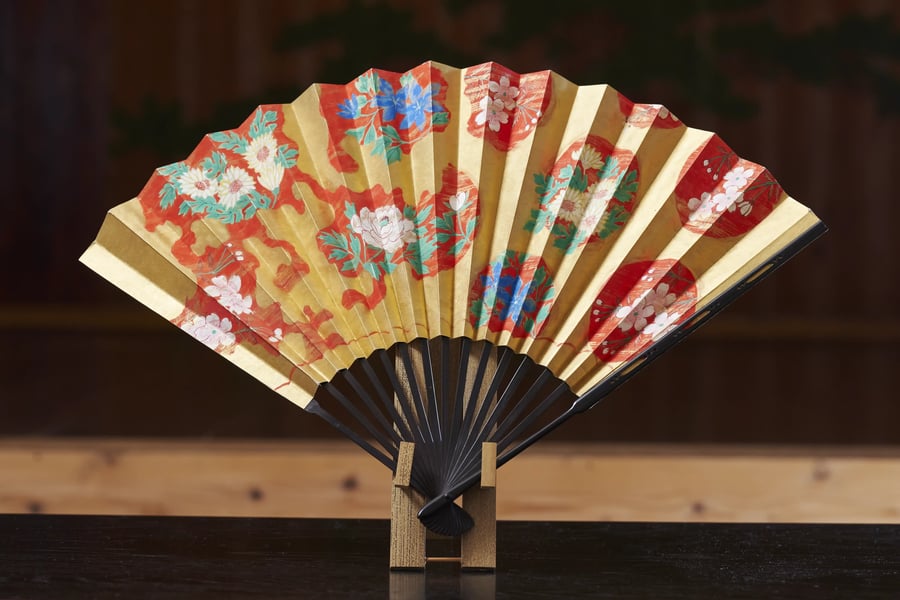
A gold Noh fan painted with flowers, open on a stand
Sakurama Ujin holding a Noh mask in both hands
  • Please treat the practice stage and its tools, the masks, costumes and instruments, with care; some have been in the family for generations
  • Noh masks are not available for public display or close handling
  • This is a working practice space, not a performance venue
  • Visits are arranged around the house's own schedule

About This Experience

Do I need any experience?

In Sakurama Ujin's words, a lot of people overthink it, but once they actually try, they find they can do it. Just stepping onto the cypress stage and walking hakobi in white tabi socks is often enough, on its own, to bring people real joy.

What will I actually do?

You listen to the chant and try to imitate it, and watch hakobi, the basic gliding walk of Noh, and try that too. Visitors may imitate the movements of Hagoromo, or sometimes watch Yashima. The exact flow of the visit is confirmed after the initial conversation.

Will I see a full Noh performance?

No. This is a visit to a working practice stage, not a performance venue, so a full staged show is not part of it.

Can I see the Noh masks up close?

As a rule, Noh masks are not put on public display, and they are not available for close handling. Once, when one was exhibited, the gofun, a white pigment on the mask's surface, cracked.