Nihon Buyō: A First Lesson with a Fan in a Ginza Practice Studio
The Craft
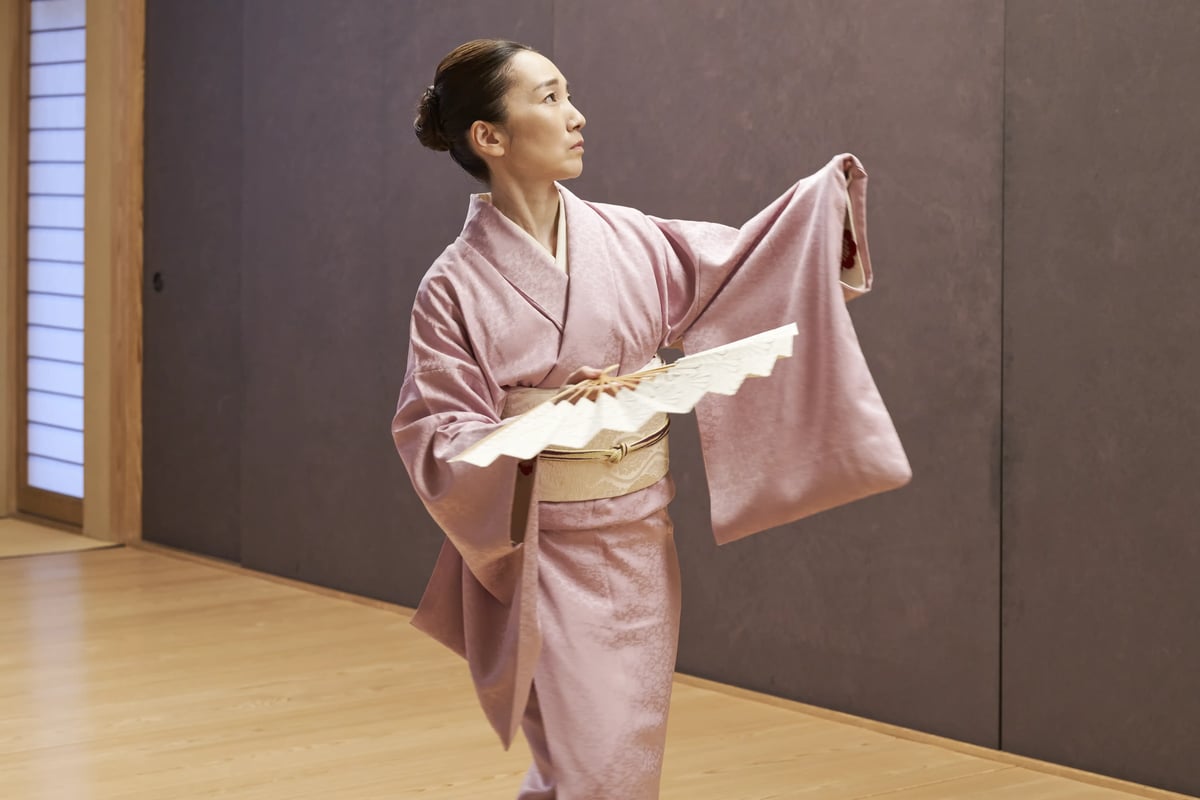
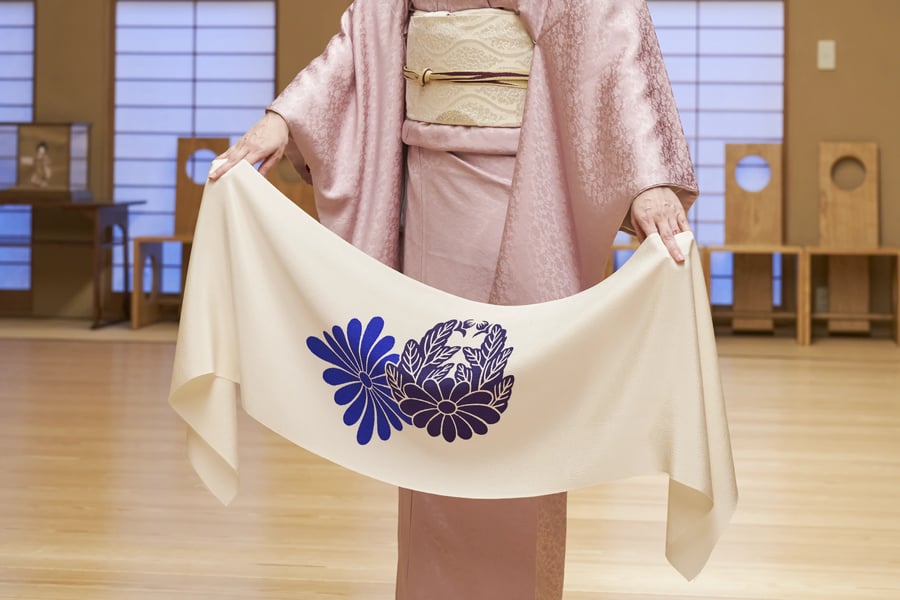
Nihon Buyō, classical Japanese dance, has its roots in Kabuki, which began when Izumo no Okuni danced in the flamboyant dress of the kabukimono in what is now Kyoto. By the Taishō era, dancers independent of Kabuki had appeared and formed their own schools. In Nihon Buyō, one dancer plays every role alone, and a single fan can trace cherry blossoms scattering, snow falling, or the cry of an insect drawing near.
The Artisan
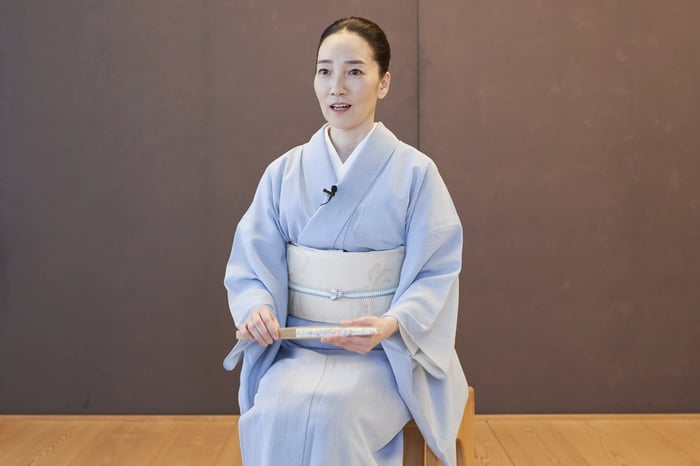
Yukari Onoe is a fourth-generation dancer of the Onoe school, founded by Onoe Kikugorō VI. She first stood on stage at three, at an Onoe school recital at Shinbashi Enbujō, and at eight danced the butterfly spirit in "Shunkyō Kagamijishi" for twenty-five days. The name of iemoto passed to her younger brother; following her father's words, she inherited the dance itself.
What Makes It Different
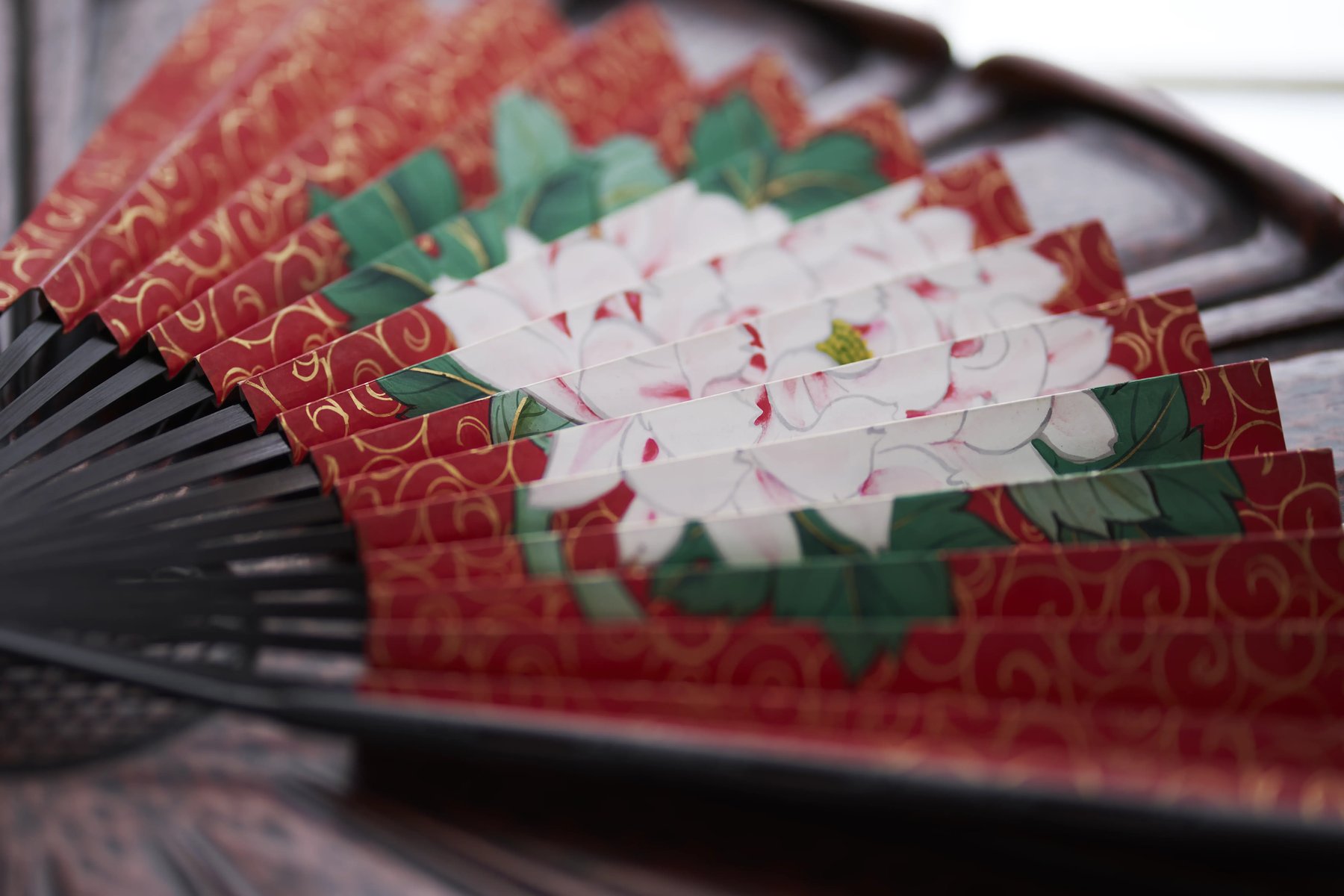
In the Onoe school's keiko-ba, practice begins and ends with a bow, the fan placed on the floor in front of you. The fan is treated as a yorishiro, a vessel a god may dwell in, so it is never used to fan yourself or stepped over. Old cassette recordings of past practices and performances are still used here as a sound source for practice.
The Experience
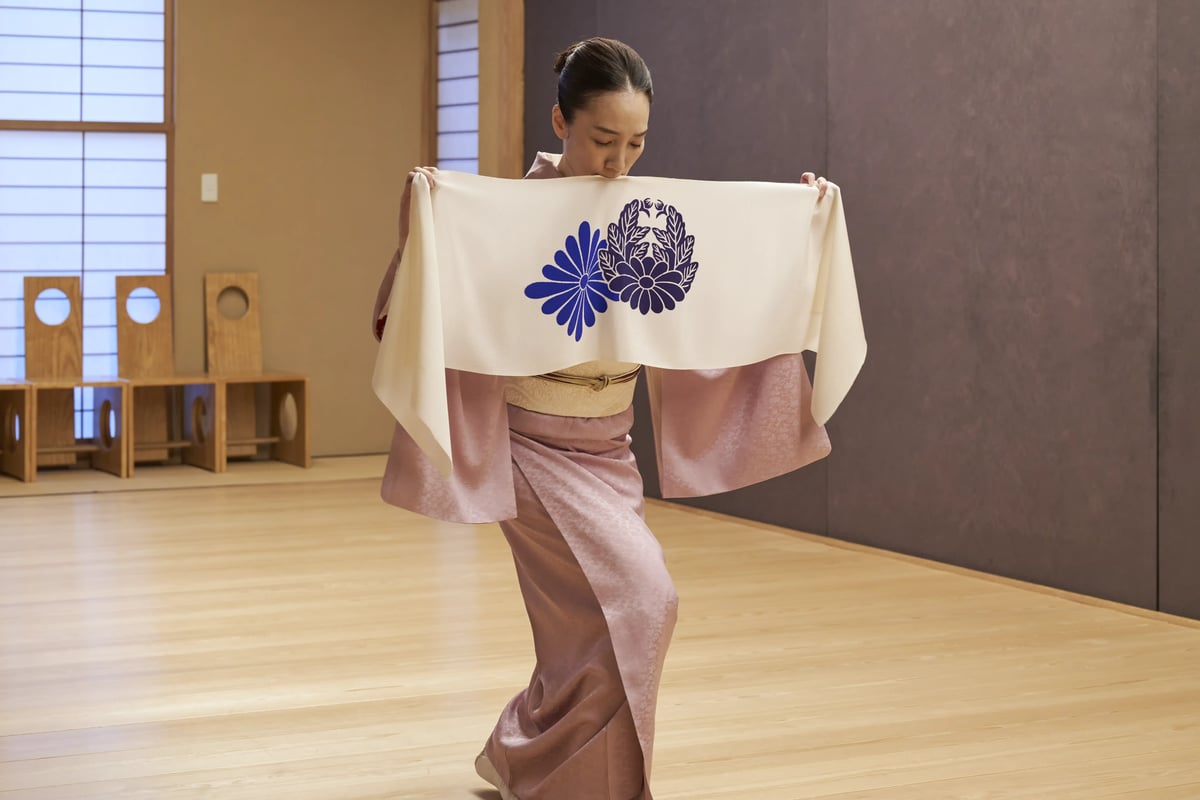
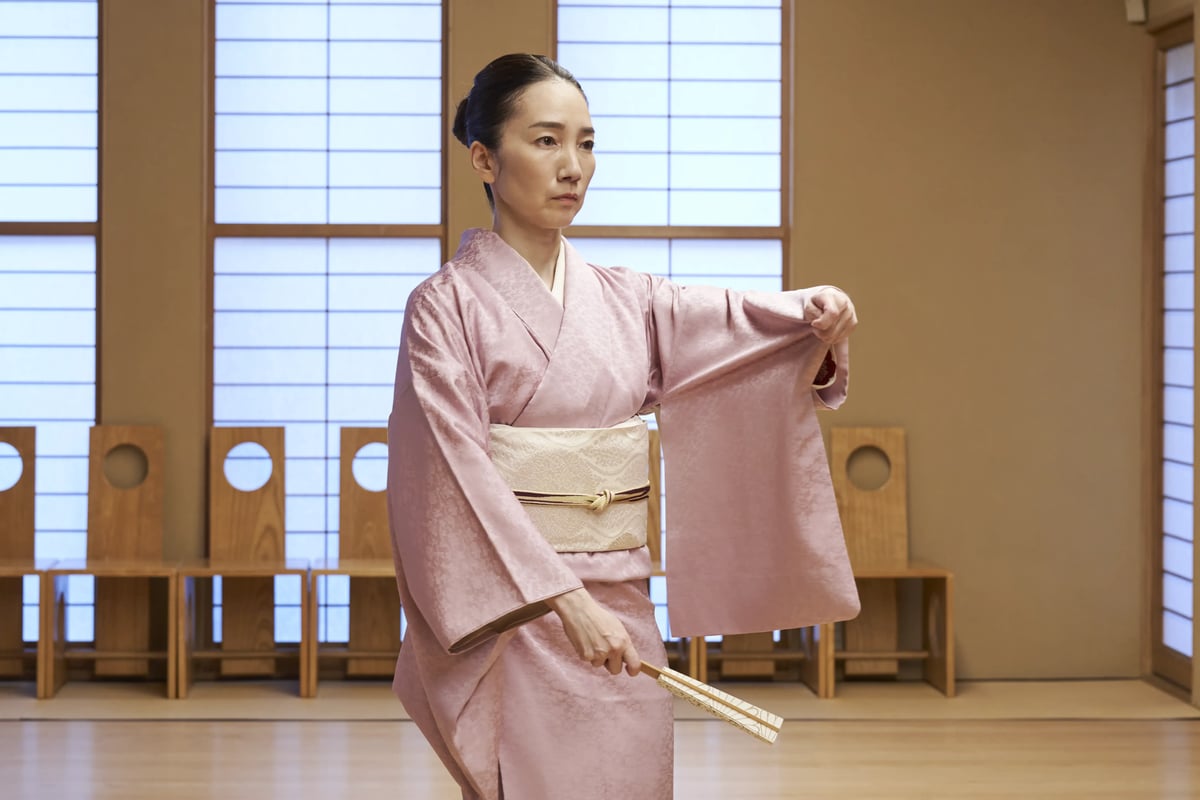
In a practice studio in Ginza, the sound of a fan opening rings out once. This is the keiko-ba of the Onoe school, where Yukari Onoe teaches her students, and where a first encounter with Nihon Buyō begins the way every lesson does: with tabi on your feet and a careful bow.
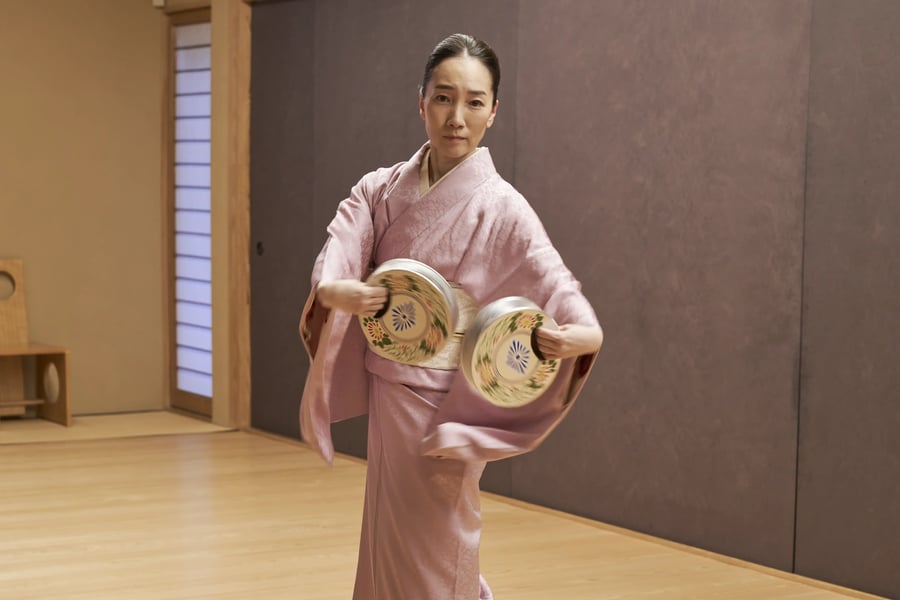
From there come the movements characteristic of the dance: opening and closing the fan, standing and sitting, suri-ashi (gliding steps that brush across the floor) and ashibyōshi (rhythmic stamping of the feet). Movement that looks simple turns out, the moment you try it, to be anything but. First-timers are often surprised by the feel of tabi, by a fan that will not open, and by how much muscle quiet movement actually uses.
In Yukari Onoe's teaching, no one is expected to master it in a day; the pace follows how each person is doing. Having felt the difficulty in your own body, you may find that the way you watch the dance changes.
- Bow, open a fan and take your first suri-ashi steps in the Onoe school's keiko-ba
- Learn why a dancer's fan is treated as a vessel a god may dwell in
- A studio where a grandfather's photograph and old cassette recordings of past performances remain
- A school founded by Onoe Kikugorō VI, whose fourth iemoto leads it today
This Is a Sample Itinerary
Here's how a visit typically unfolds, from pickup to drop-off.
- Hotel pickup by an English-speaking guide, who stays with you for the visit
- Arrival at the Onoe school's keiko-ba in Ginza
- A session that may include putting on tabi, a first bow with the fan placed before you, opening and closing the fan, standing and sitting, suri-ashi and ashibyōshi
- Private transfer back to your hotel
What a Day Like This Would Include
Meet Your Artisan & What to Know

Yukari Onoe is a fourth-generation dancer of the Onoe school of Nihon Buyō. Born into the family of the iemoto, she stood on stage for the first time at three and was granted the name Yukari Onoe in 1990. Her younger brother holds the name of the fourth iemoto, Onoe Kikunojō III; she carries the dance itself.
Alongside Nihon Buyō she has widened her stage as an actor, and has choreographed new work of her own, including "Shizuka", with lyrics by Matsumoto Takashi. She carries on the maxim of the school's founder: dignity, freshness, and the unexpected.


- Practice begins and ends with a bow, with the fan placed on the floor in front of you
- The dance fan is never used to fan yourself
- Never set the fan down carelessly or step over it
- Photo, video and recording should be confirmed in advance
About This Experience
No. Yukari Onoe welcomes people encountering Nihon Buyō for the first time as well as those who already know the dance. She suggests that people who play sports or practise other forms of dance will find something new in its way of moving.
The session typically starts with tabi and a bow. From there come the movements characteristic of Nihon Buyō: opening and closing the fan, standing and sitting, suri-ashi and ashibyōshi.
Not in a single day. In Yukari Onoe's words, it is not something you master and take home in a day. In her teaching, the pace is adjusted to how each person is doing.
Nihon Buyō is often thought of as quiet movement, but people are surprised by how much muscle it uses. Some end up with sore muscles; some discover their ankles are stiffer, or softer, than they expected.
A Session at the Onoe School, Shaped Around You
No dates or pricing are published here — every visit is scoped after a private consultation.
Enquire →