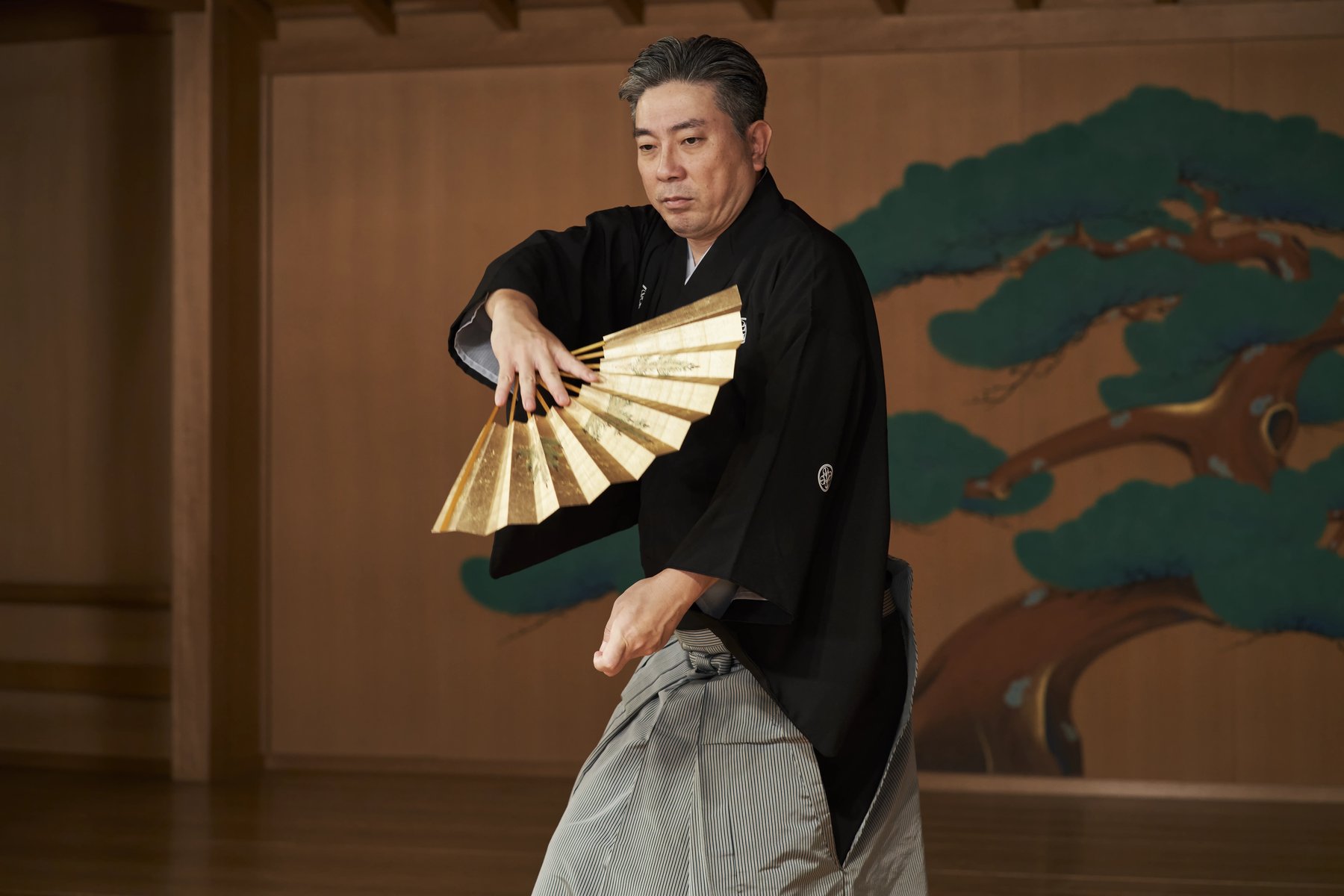
Ohkura Motonari performing kyōgen with a fan on the noh stage
Performing Arts — Kyōgen

Kyōgen Comic Theatre With a 700-Year Lineage
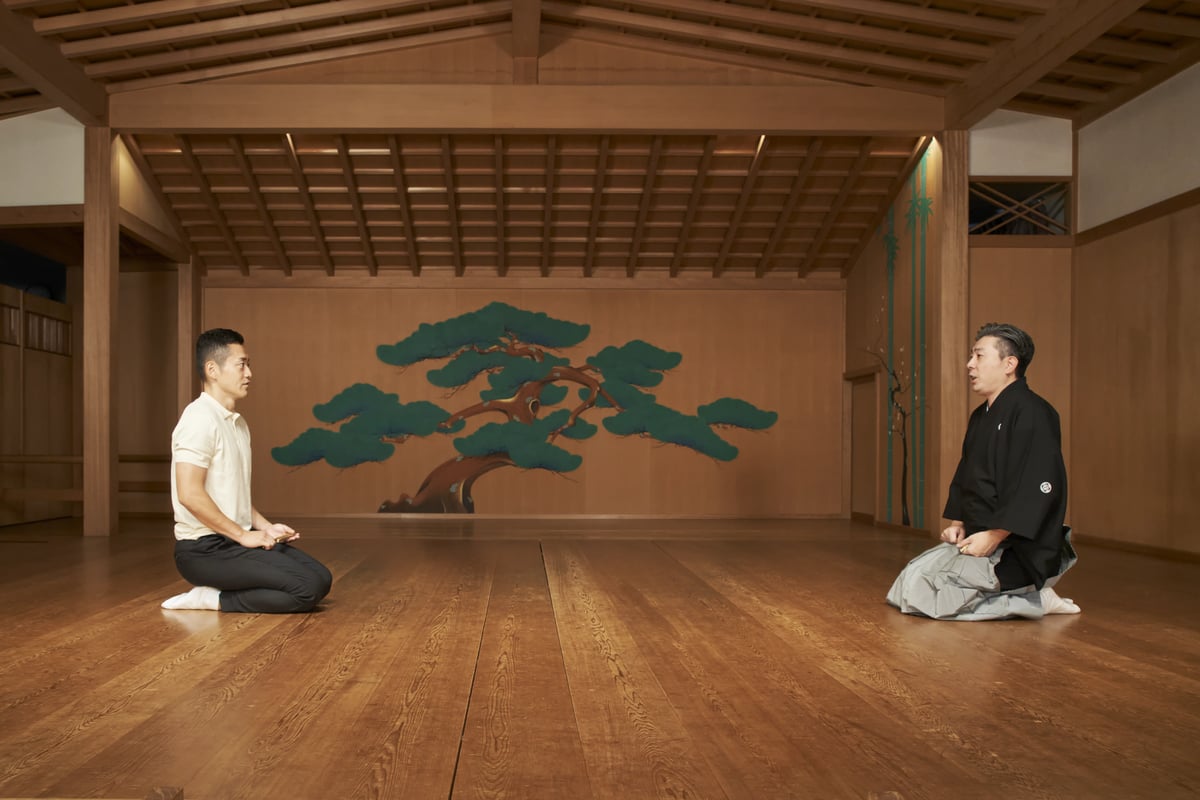
The noh stage with its painted pine
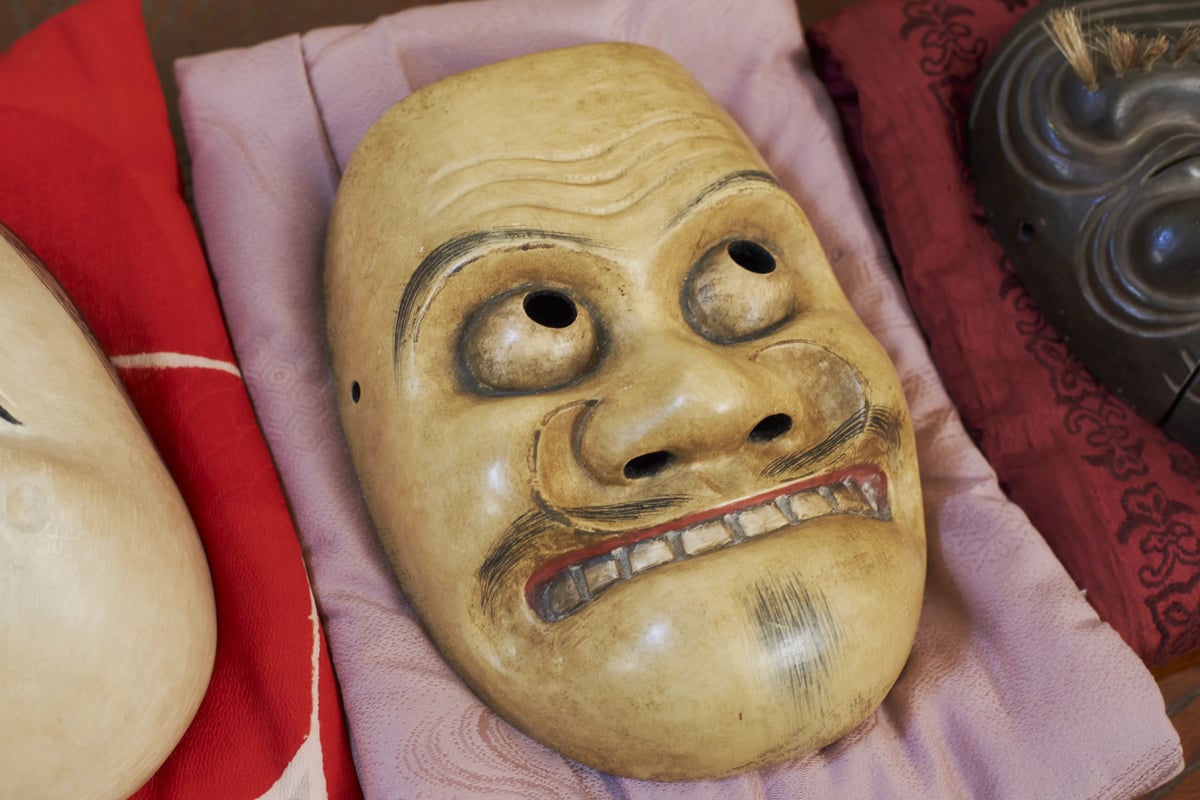
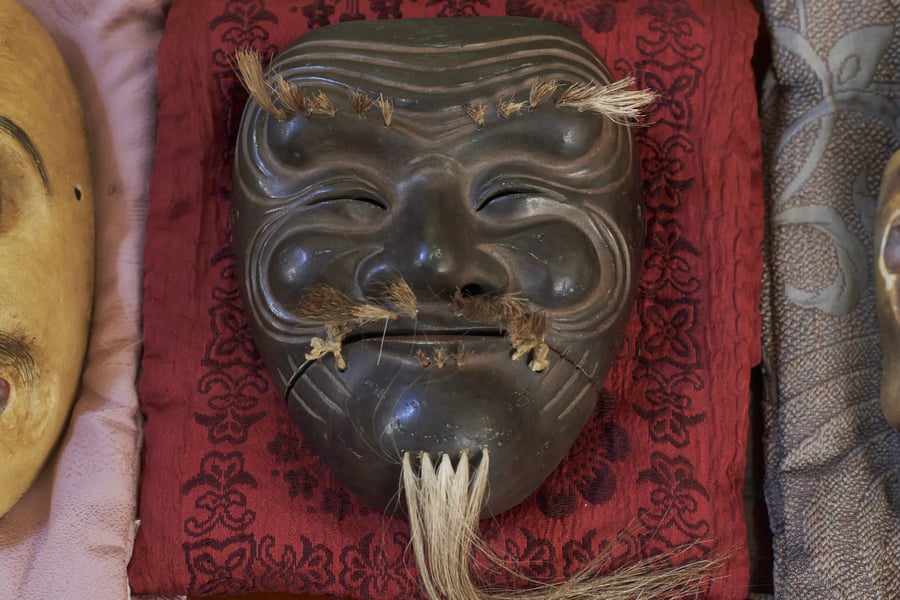
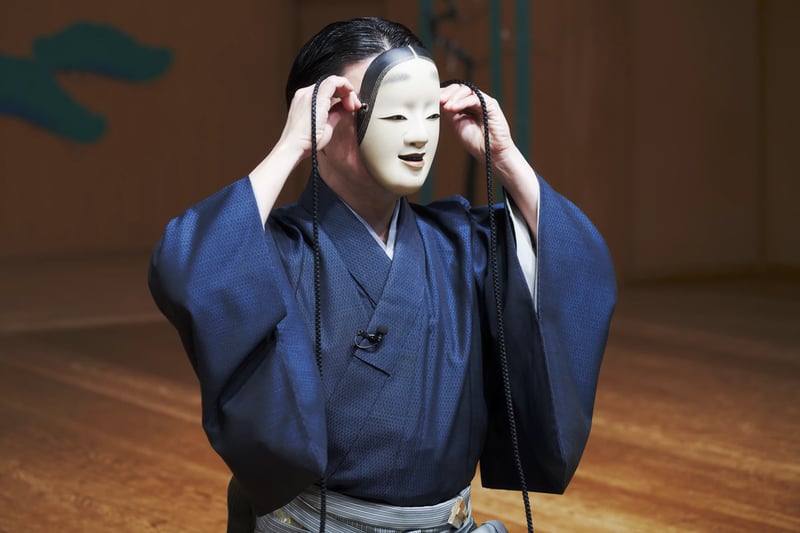
A kyōgen mask, close
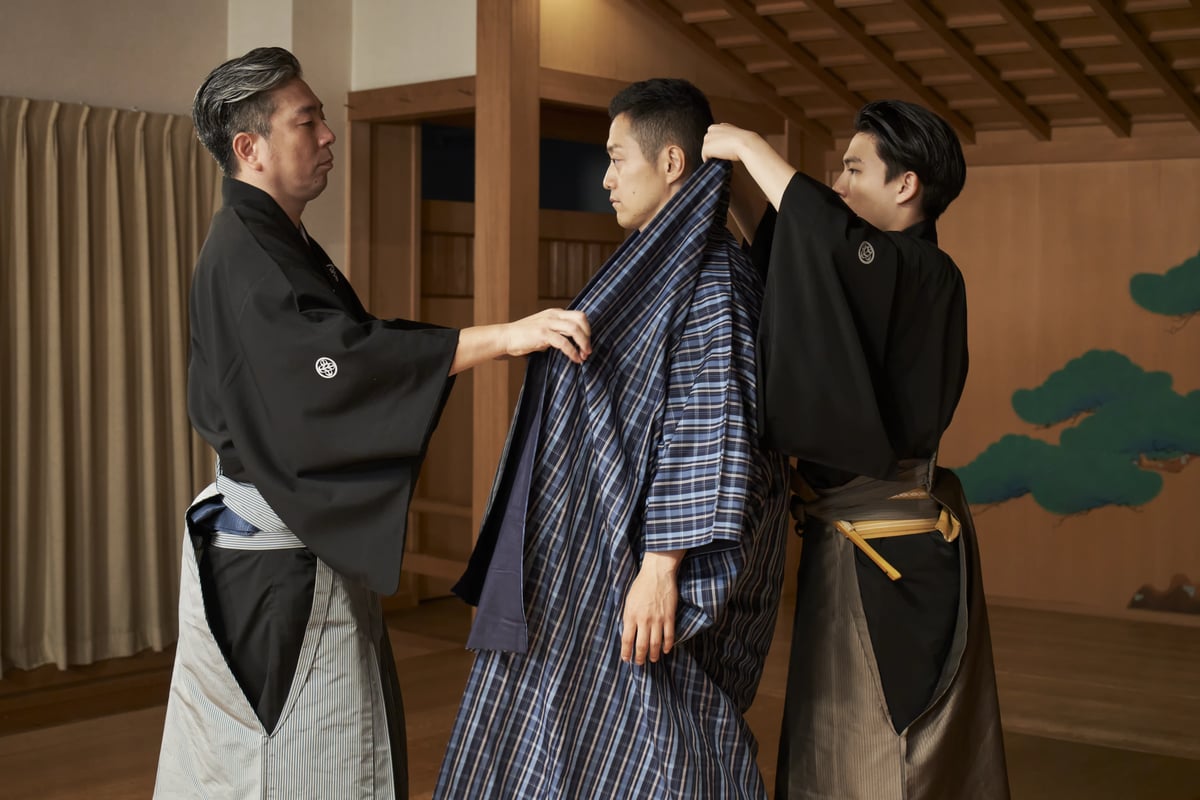
A visitor being dressed in kyōgen costume
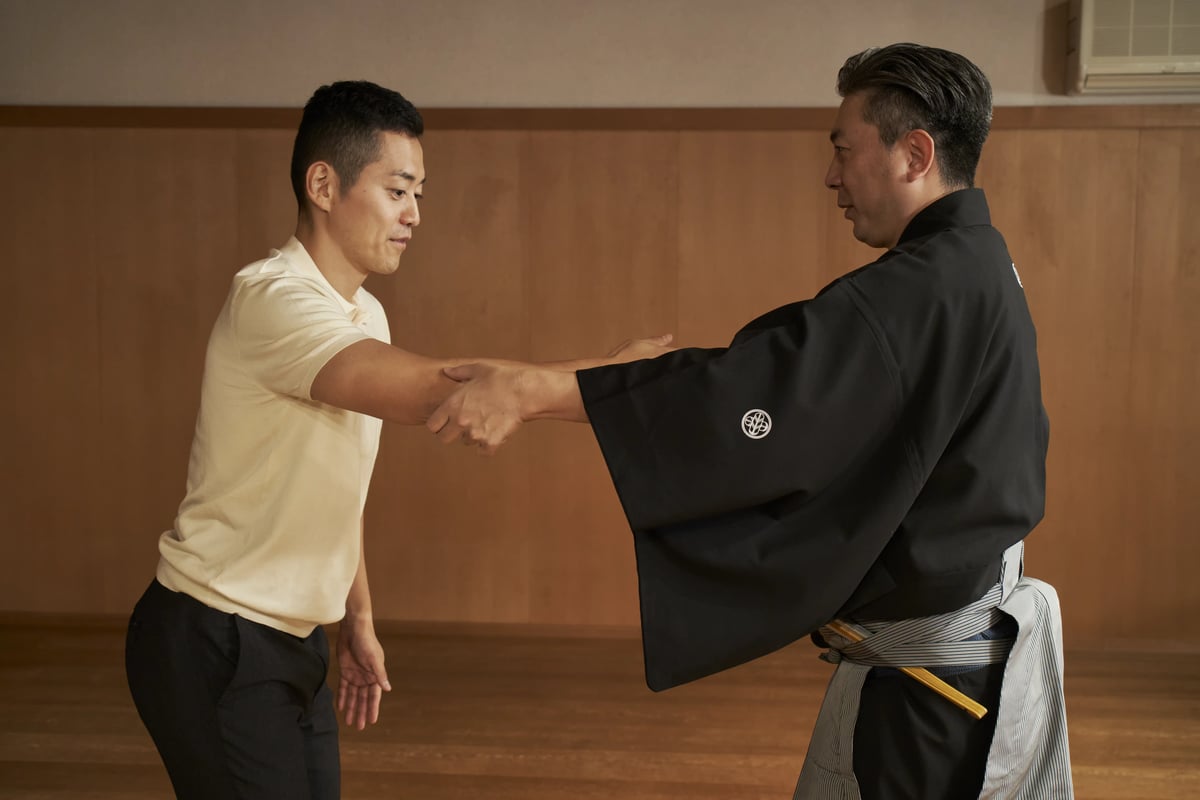
Ohkura guiding a visitor through a movement

The Craft

Kyōgen is the comic theatre built on spoken dialogue that grew up alongside noh over some seven hundred years; together the two make up nōgaku, staged on the same solid cypress. There are no microphones — none are used in any noh theatre — so the voice has to carry the hall on its own.

The Supplier

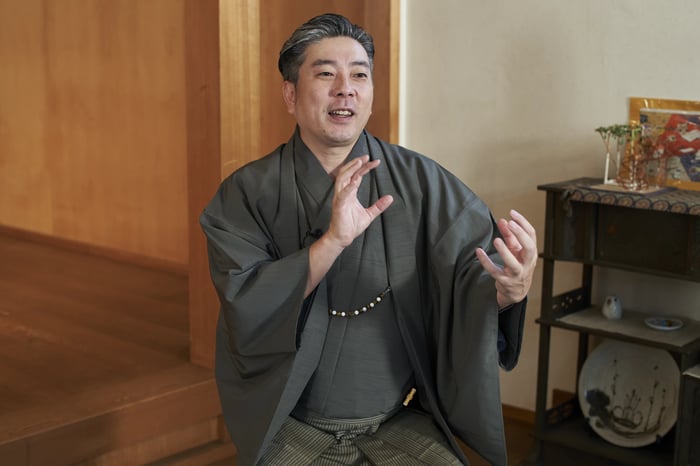
Ohkura Motonari is a nōgaku performer of the kyōgen role, of the Ohkura-ryū — one of the two lineages of kyōgen performers, which served the shogunal house throughout the Edo period. He first went on stage at four years and eight months old, and in 2005 founded his own group, Seisho-kai.

What Makes It Different

Kyōgen is comedy, and yet Ohkura forbids himself from going after the laugh — chase it, he says, and the kata will start to bend toward today's humour. You are let into that discipline rather than shown a performance: the mask, the costume, and the movement, in the room where it is practised.

The Experience

The stage is solid cypress, and when you stand on it something comes back up through the soles of your feet — or so they say. Ohkura arrives carrying masks, each one seatbelted into the car seat beside him, because the mask is the most precious thing they own. What he opens up is not a performance for an audience but the kata itself: the fixed forms of movement, intonation and staging that have been handed on intact for seven hundred years, and what it feels like to try to hold one.

  • Time on the cypress nōgaku stage itself, not in a seat in front of it
  • Kyōgen costume, worn — and the weight and restriction that come with it
  • A close look at the masks, the pieces the family guards most carefully
  • Guidance on kata from a performer of the Ohkura-ryū, with 40 years on stage
Discover Behind the scenes — Ohkura Motonari
Itinerary

これは一例です — This Is a Sample Itinerary

Sample, not a fixed schedule Shown to illustrate the kind of layered day we build, not a fixed schedule. Exact timing is confirmed only after a private consultation.

Here's how a visit typically unfolds, from pickup to drop-off.

  1. Hotel pickup by an English-speaking guide, who stays with you for the visit
  2. Arrival at the practice hall, and an introduction to nōgaku — how kyōgen and noh grew up together
  3. A close look at the masks, handled by the family
  4. Being dressed in kyōgen costume, and feeling what it does to how you move
  5. Kata on the cypress stage — stance, voice and a few of the fixed forms, guided step by step
  6. A short piece performed for your party alone, close enough to hear the floor
  7. Conversation with Ohkura about what is kept intact, and what is not
  8. Private transfer back to your hotel

What's Included

Private introduction & guidance from Ohkura Motonari
Kyōgen costume to wear during the session
Close viewing of masks not normally shown outside the family
English-speaking guide for the visit
Hotel pickup and drop-off
Not included: transportation beyond the pickup area, personal purchases
Enquire →

Meet Your Artisan & What to Know

Ohkura Motonari
Ohkura Motonari Nōgaku performer, kyōgen role — Ohkura-ryū; founder of Seisho-kai Read the full interview on Our Masters →

Born the second son of a kyōgen family, Ohkura first went on stage at four years and eight months old. Being the second son was an advantage, he says: his elder brother went first and was scolded first, and the younger one learned by watching. At some point you can no longer stay in your brother's shadow. His maternal grandfather gave him the line he still works by — "Once you take up the fan, there is no master and no disciple" — and later named the group he founded in 2005: Seisho-kai, joining the 誠 of his own name to 翔, to take flight. Forty years in, he is still, in this world, mid-career.

On Stage
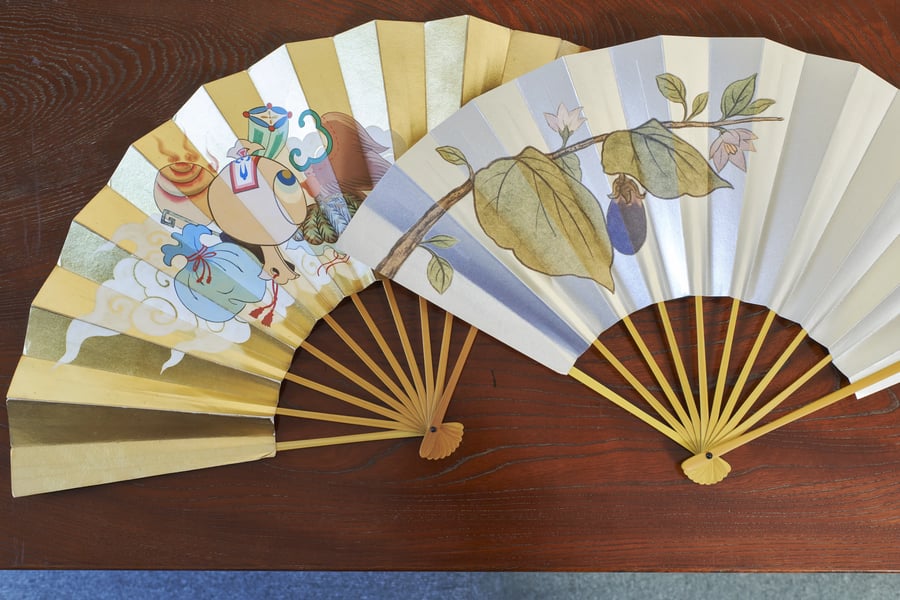
A painted kyōgen fan
A kyōgen mask resting on cloth
  • Shoes come off before stepping onto the stage; clean socks or tabi are usual.
  • The masks are handled by the family only — they are the most precious things in the house.
  • Photography is welcome at some moments and not others; your guide will say when.
  • Clothing you can move in is best; costume goes on over your own clothes.
  • There are no microphones on a noh stage. Voices carry — including yours.
About This Experience

Do I need any experience with theatre?

None at all. The session is built around what a beginner can actually feel — the weight of the costume, the stance, a few fixed forms — rather than around performing well.

Will I really get to wear the costume?

Yes. Kyōgen costume is put on over your own clothes, and much of the point is discovering how differently you move in it.

Can I join if I don't speak Japanese?

Yes — an English-speaking guide is present throughout.

How many people can join?

The stage is given over to your party alone — no other guests are hosted during your visit.