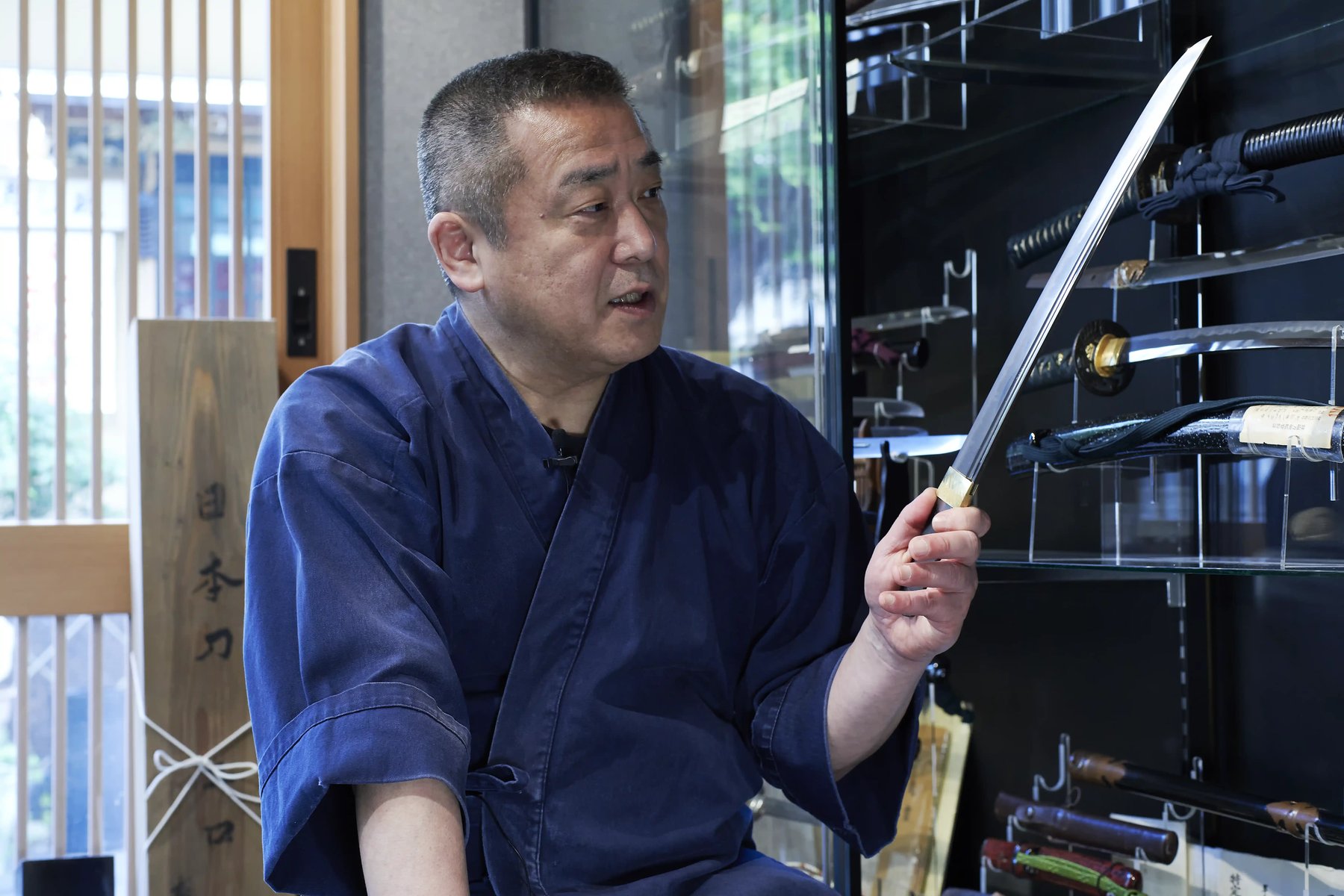
Holding an 800-Year-Old Blade in a Sword Polisher's Workshop
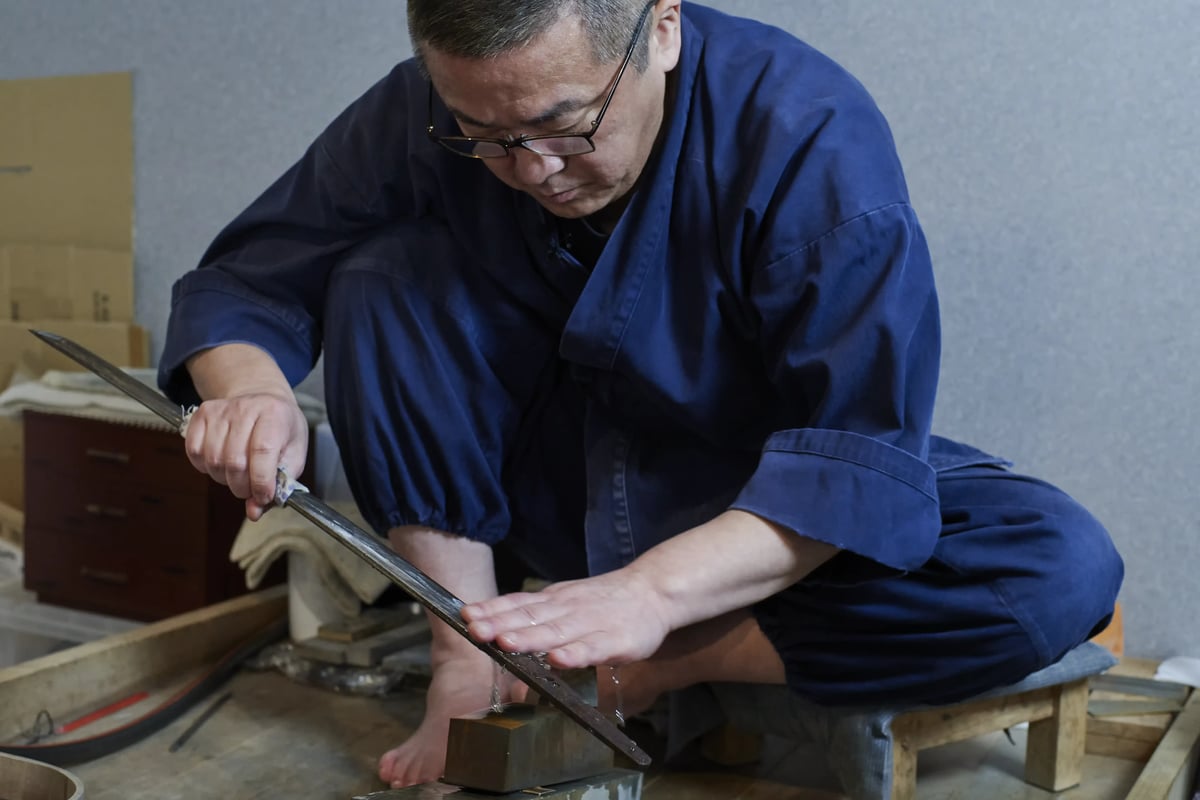
The Craft
Sword polishing predates the blades it serves, and only about a hundred polishers remain in all of Japan. To polish is to reduce, and anyone can reduce — the skill is finishing without wearing the steel away. What is left behind has a name: togishiro, a deliberate margin of steel kept unspent for the hand that will polish it a hundred years from now.
The Supplier
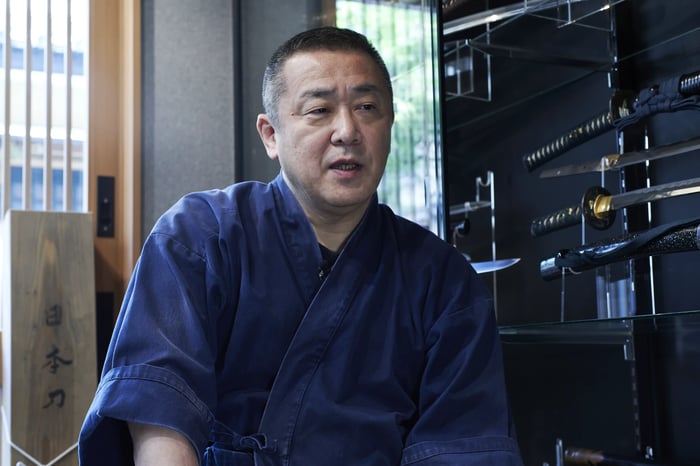
Yasumasa Nagaoka works from a workshop in Asakusabashi, Tokyo. He never trained to become a polisher; he came to it sideways, as a photographer who could not work out how to photograph a blade's mirror surface — and stayed for the answer.
What Makes It Different
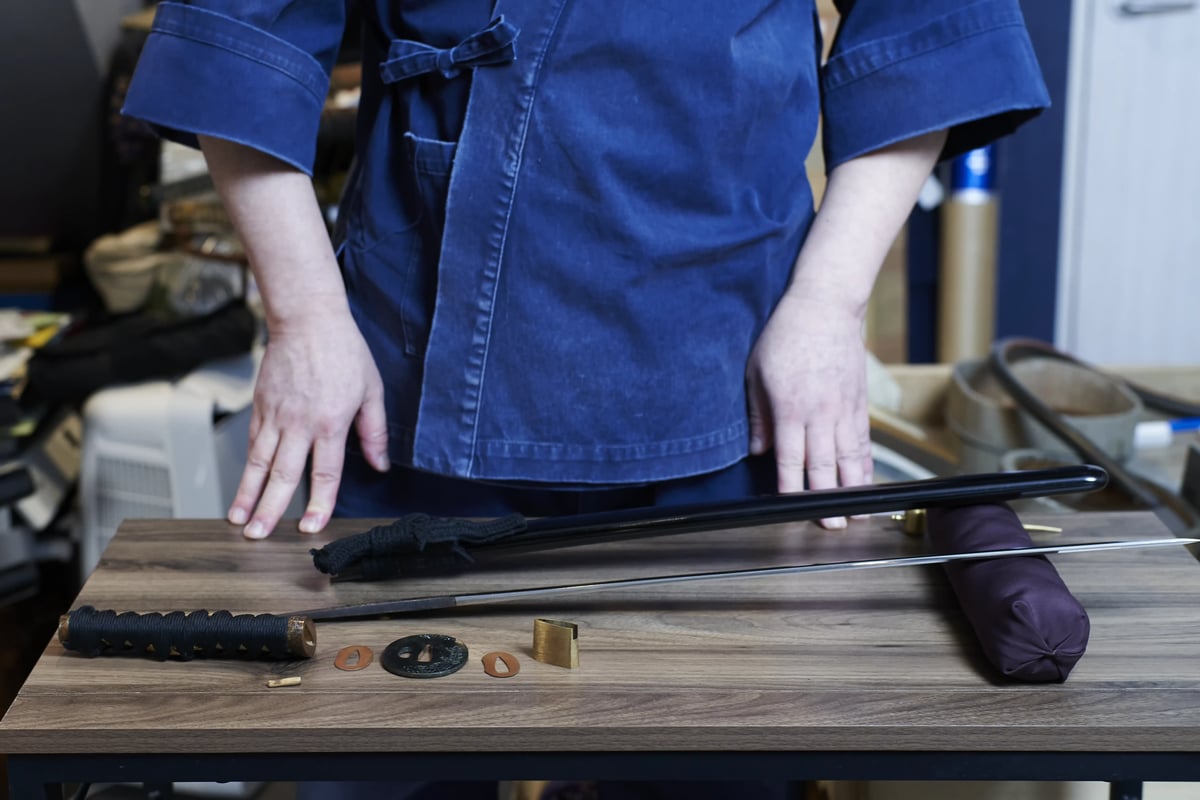
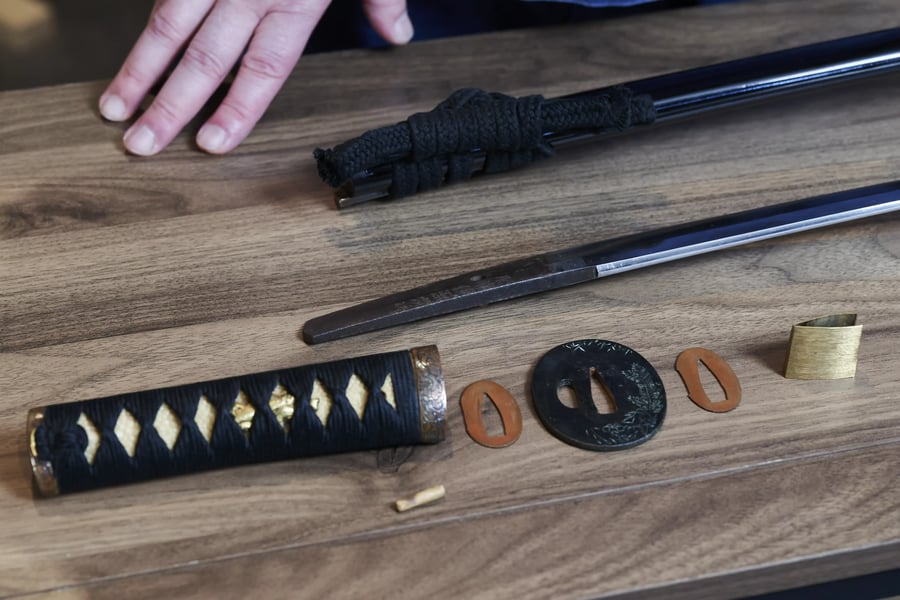
Most people meet a Japanese sword behind glass. Here a nearly 450-year-old wakizashi comes apart on the bench with a single bamboo peg — no rivets, no reinforcement — and is put into your hands.
The Experience
A sword this old is not meant to be swung. It is meant to be held once, and understood. In Nagaoka's workshop the blade is taken down to its parts in front of you: the fittings off, the handle away, and a single mekugi — a bamboo peg thinner than seems possible — holding centuries of history together. Then you take the weight yourself. A few minutes that rewire how you look at a sword, followed by the stones, the water, and the reason a polisher's real discipline is knowing when to stop.
- Holding a centuries-old blade in your own hands, out of its case
- Watching a sword come apart on a single bamboo mekugi — no rivets, no reinforcement
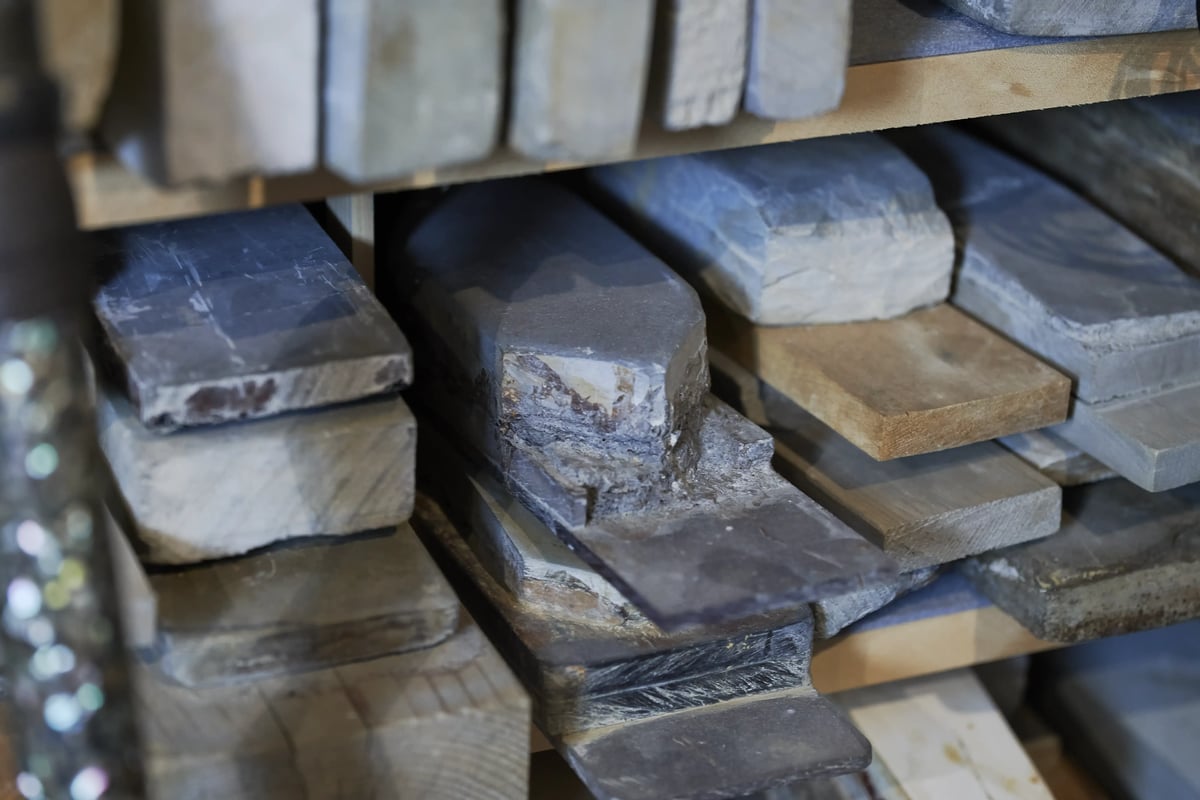
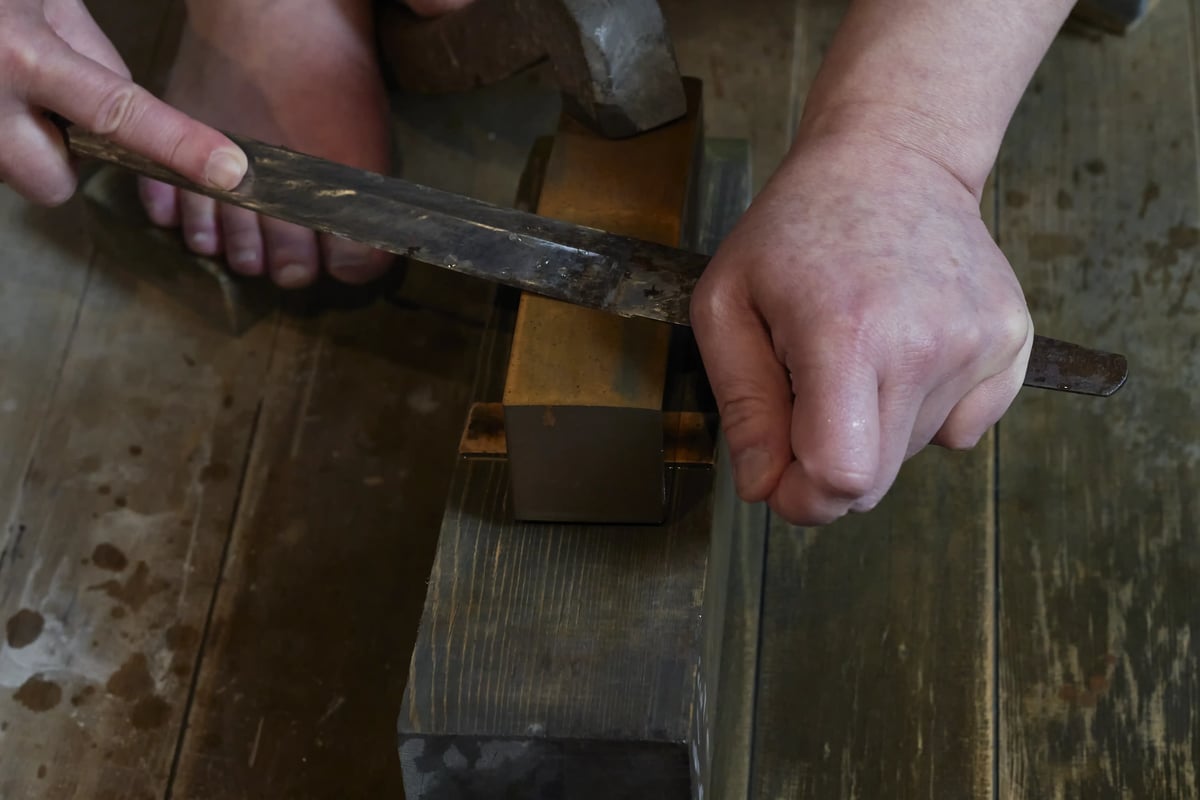
- The polishing stones, the water, and what togishiro means in practice
- Entirely private — a rarely opened workshop, paced around you
これは一例です — This Is a Sample Itinerary
Here's how a visit typically unfolds, from pickup to drop-off.
- Hotel pickup by an English-speaking guide, who stays with you for the visit
- Arrival at the Asakusabashi workshop, rarely opened to visitors
- A sword taken apart in front of you — fittings, handle, and the single bamboo mekugi
- Holding a centuries-old blade yourself: the balance, the weight, the thinness
- The stones, from coarse to finishing, and the water they are worked with
- Watching Nagaoka polish, and hearing why the discipline is knowing when to stop
- Conversation about togishiro — the steel deliberately left for the next hundred years
- Private transfer back to your hotel
What's Included
Meet Your Artisan & What to Know

Only about a hundred sword polishers remain in all of Japan, and Nagaoka never trained to become one of them. He came to it sideways: first as a photographer who could not work out how to shoot a blade's mirror-like surface. What he learned instead became a philosophy — to polish is to reduce, and anyone can reduce; the real skill is finishing without wearing the steel away. He calls the margin he leaves togishiro, a deliberate reserve of steel kept unspent for the hand that will polish the same blade a hundred years from now. A craft built on disappearing rather than on being seen.


- Blades are handed to you by Nagaoka, and handled only as he shows you.
- Keep the edge away from yourself and from others at all times — these are working antiques, not replicas.
- Please don't touch the polished surface with bare fingers; skin oils mark it.
- The stones are graded and kept in order; they are handled by the workshop only.
- Photography is welcome; your guide will say if a particular piece is an exception.
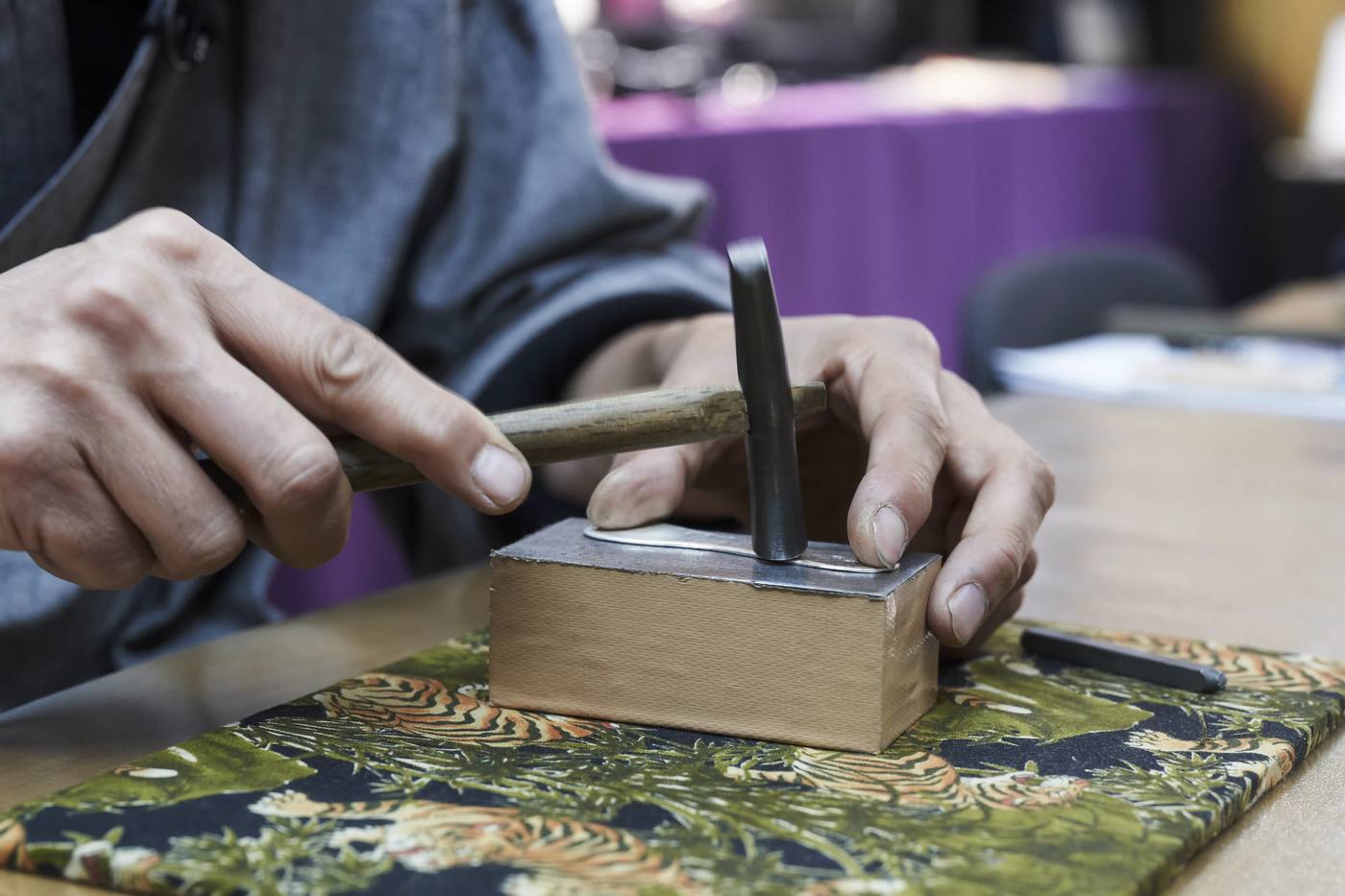
About This Experience
Yes — under Nagaoka's direct supervision, and handled exactly as he shows you. These are genuine antiques, not replicas.
Polishing an antique blade is not something a visitor can practise on. What you get instead is the stones, the water and the reasoning — and a close view of the work being done.
Yes — an English-speaking guide is present throughout.
The workshop is small and given over to your party alone — no other guests are hosted during your visit.
A Visit to the Polishing Room, Shaped Around You
No dates or pricing are published here — every visit is scoped after a private consultation.
Enquire →