Kimekomi: Making Your Own Edo Doll With the Third-Generation Mataro
The Craft
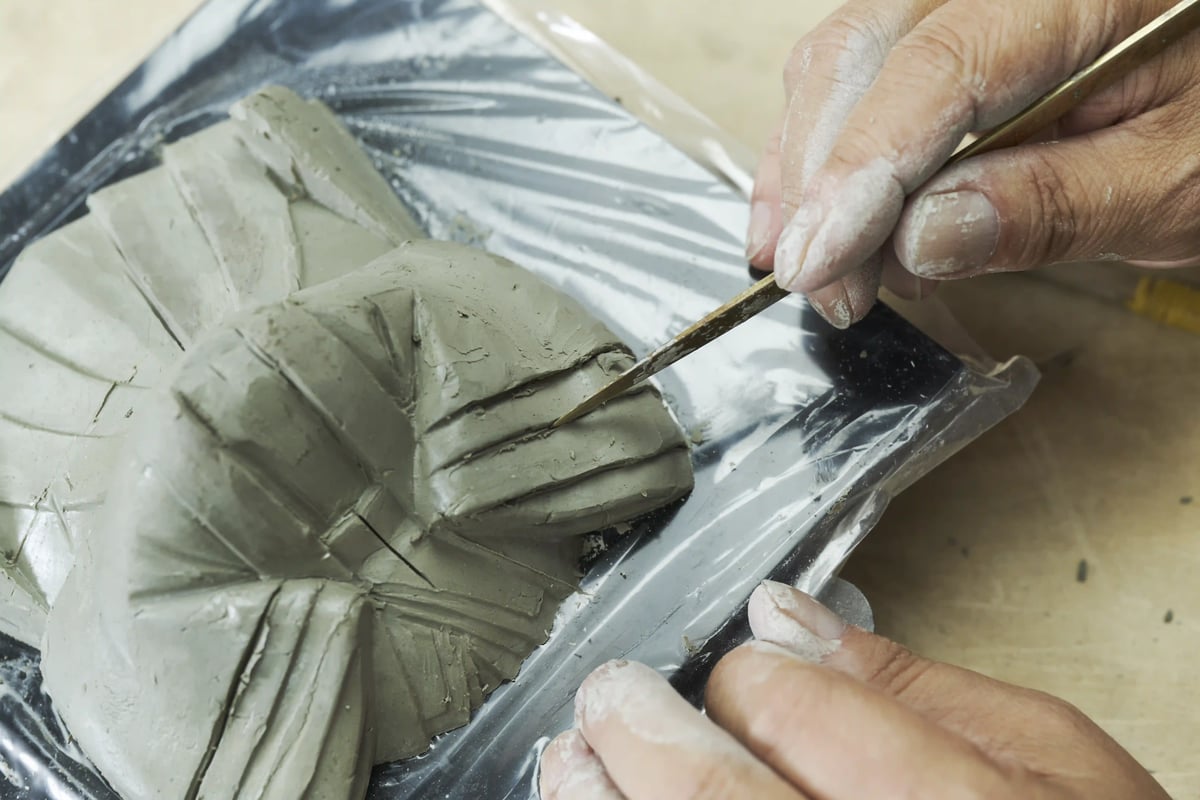
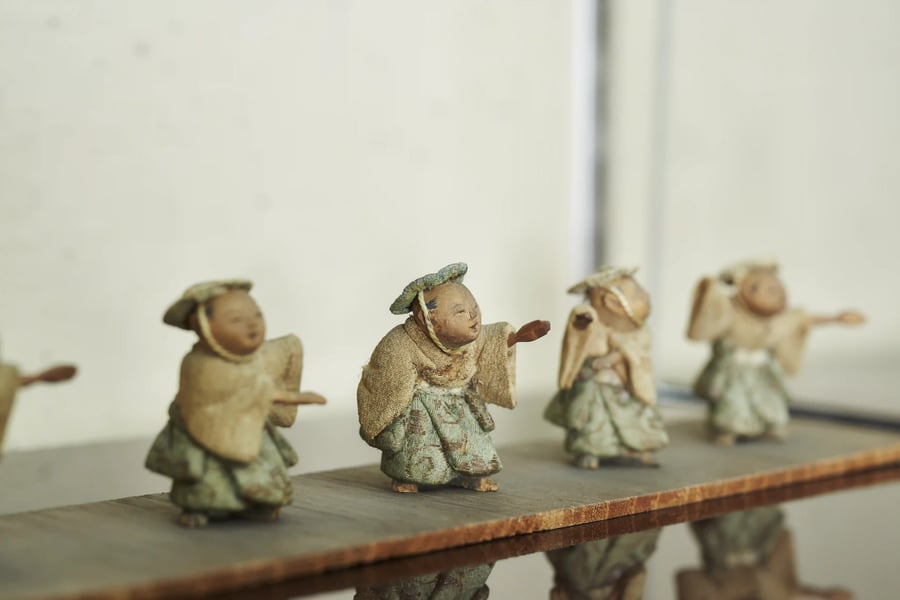
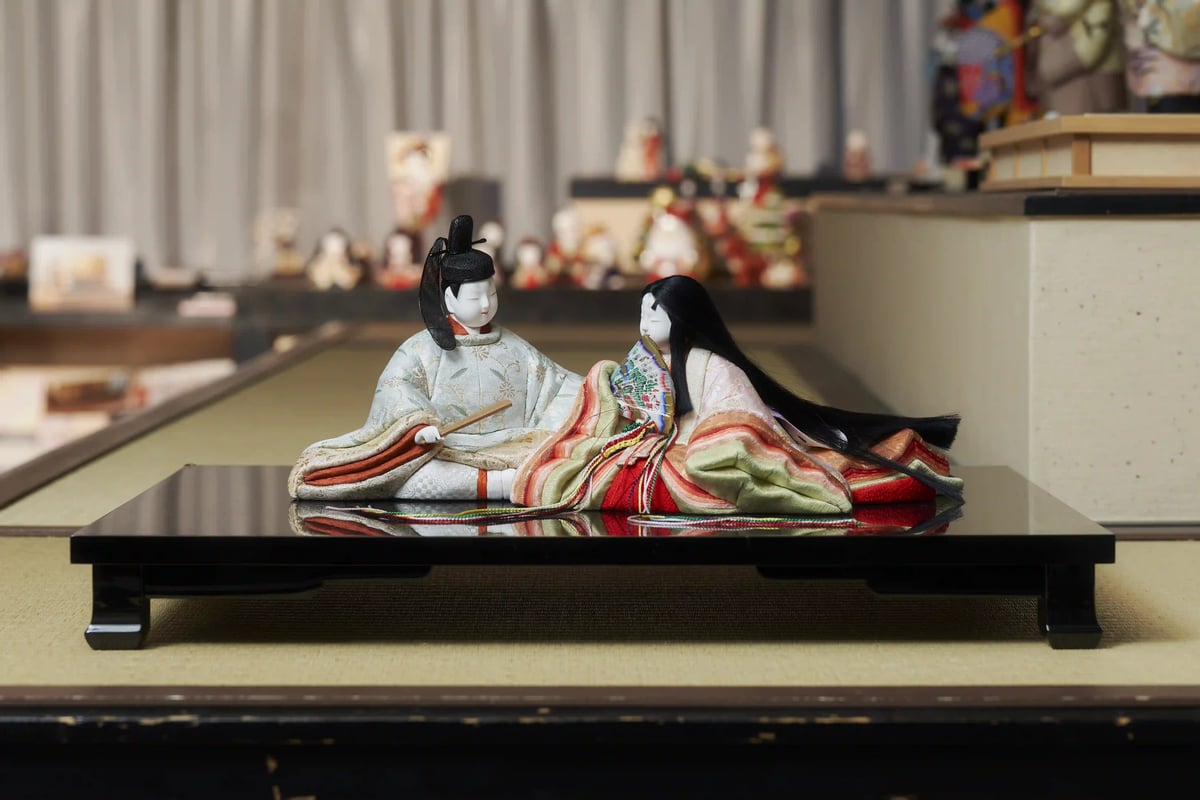
Kimekomi dolls are said to have begun at Kamigamo Shrine in Kyoto around the Genbun era (1736–1741), when someone in service there carved small figures in his spare hours. In Edo the method became its own craft: a body cast from paulownia sawdust and wheat-starch paste, grooves carved into it, and fabric tucked into the grooves rather than sewn.
The Artisan
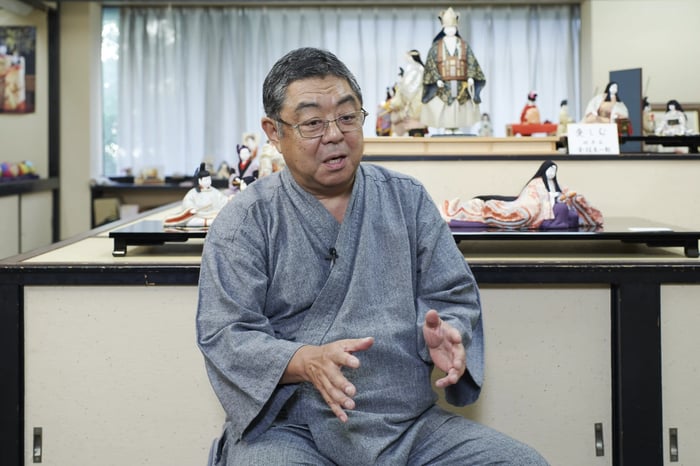
Mataro was founded in Tokyo in 1919. Kenji Kanabayashi, president of Mataro Co., Ltd., is the third to carry the name Kanabayashi Mataro. He studies sculpture before shaping a doll, builds each eye from thin layers of ink, and refuses urethane in favour of paulownia and paste.
What Makes It Different
You work the same method the workshop has kept for some three hundred years, with the grooves cut a little wider and deeper so a first-timer can finish. And while you work, Kanabayashi explains the stories in the fabric patterns and what dolls have meant to Japanese families.
The Experience
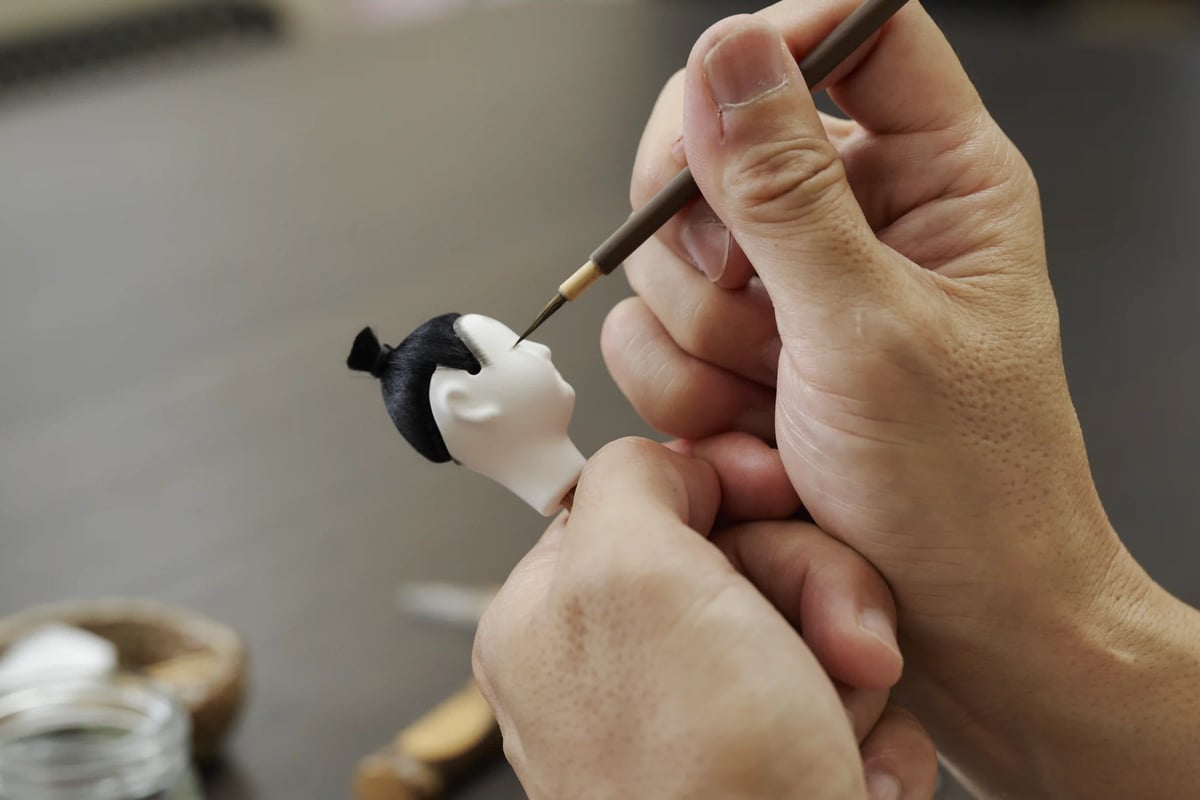
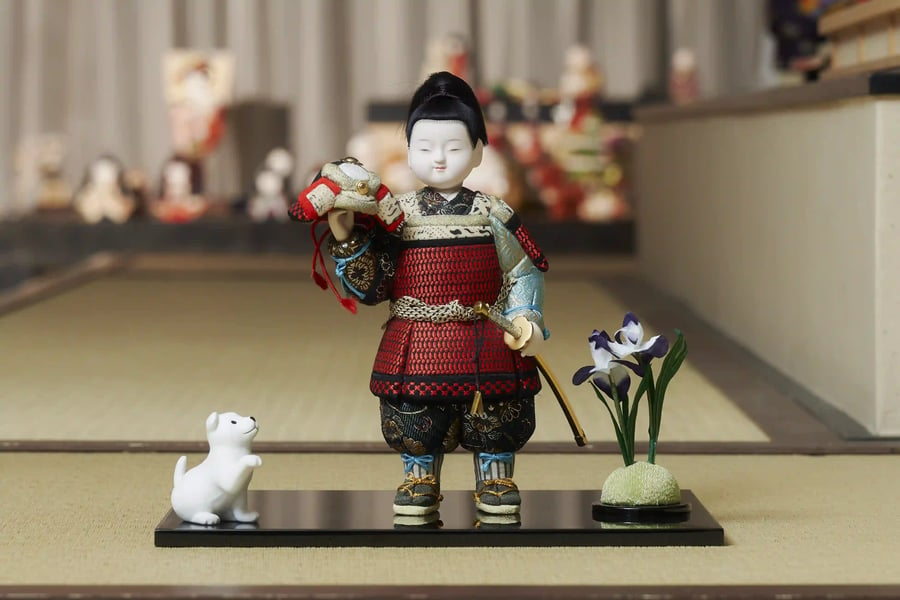
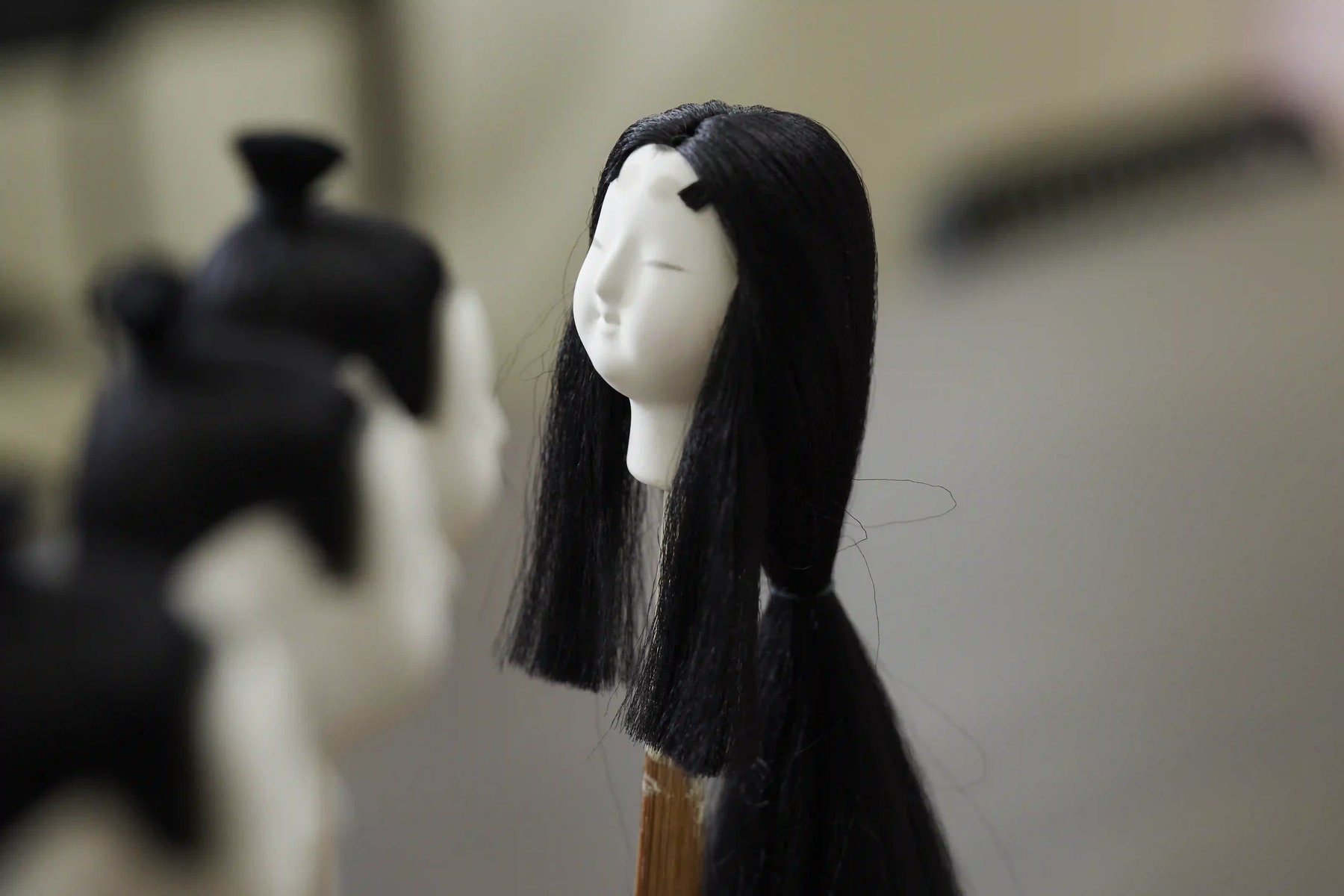
Just off the elevated expressway that threads through central Tokyo, dolls line the shelves of the Mataro workshop, and on the worktable several bodies wait for their faces. You choose a boy or a girl doll, then the colour and pattern of its costume from the fabrics on hand, and begin tucking the fabric into the grooves carved into its paulownia body. The moment the face goes on, Kanabayashi says, everyone claps; at the very end you comb the doll's hair. Visitors young and old tell him the same thing afterwards: it has been a long time since two hours passed without them thinking about anything else.
- Making an Edo Kimekomi doll of your own, from choosing the fabric to setting the face
- Grooves cut wider and deeper for first-timers, so everyone reaches the finished doll
- The stories behind the fabric patterns, and what dolls mean in Japanese homes
- The finished doll, to take home
This Is a Sample Itinerary
Here's how a visit typically unfolds, from pickup to drop-off.
- Hotel pickup by an English-speaking guide, who stays with you for the visit
- Arrival at the Mataro workshop in central Tokyo, among the finished dolls
- How kimekomi travelled from Kamigamo Shrine in Kyoto to the workshops of Edo
- Choosing a boy or a girl doll, and the colour and pattern of its costume
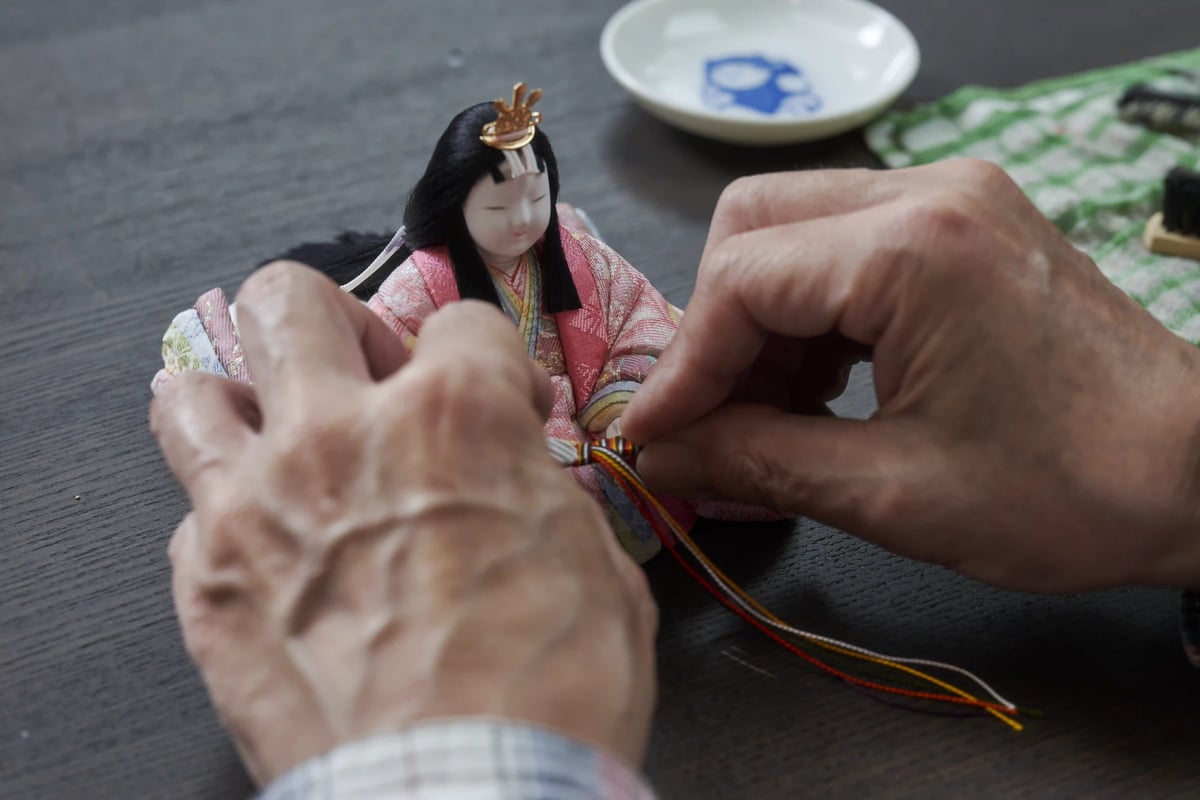
- Tucking the fabric into the grooves of the paulownia body, guided by Kenji Kanabayashi
- Setting the face in place, and combing the doll's hair to finish
- Conversation about the stories in the patterns and what dolls mean to Japanese families
- Private transfer back to your hotel, with your doll
What's Included
Meet Your Artisan & What to Know

Born in Tokyo in 1962 into a family doll shop, Kenji Kanabayashi admits that after university, watching his friends head into trading companies and banks, part of him wondered whether a doll shop was really the life for him. He spent about three years at a department store before coming home, and worked through purchasing, sales and the shop floor before he had time to make dolls. He now holds both sides at once, manager and craftsman, and keeps to the line he returns to again and again: never make something you don't truly understand.


- This is a working workshop with finished dolls on display; please ask before handling them.
- Photography and filming are confirmed in advance with your guide.
- There is no need to hurry. Most people find the time passes without noticing.
- Fabric can bunch in the groove; take it slowly and ask for help when it does.
About This Experience
None. The grooves are cut wider and deeper for the experience than in the workshop's own work, so the fabric goes in firmly and everyone reaches the finished doll.
Yes. The doll you finish is yours.
About two to three hours. The day is shaped around it after a private consultation.
Visitors of all ages. Young and old alike tell Kanabayashi they rarely get to be this absorbed in one thing.
A Session at the Mataro Workshop, Shaped Around You
No dates or pricing are published here — every visit is scoped after a private consultation.
Enquire →