Planning Japan for 2027? Speak to a travel designerReplies personally within three business days
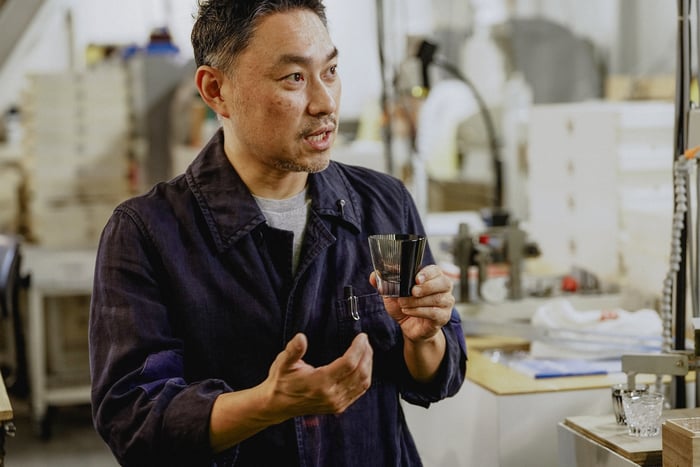
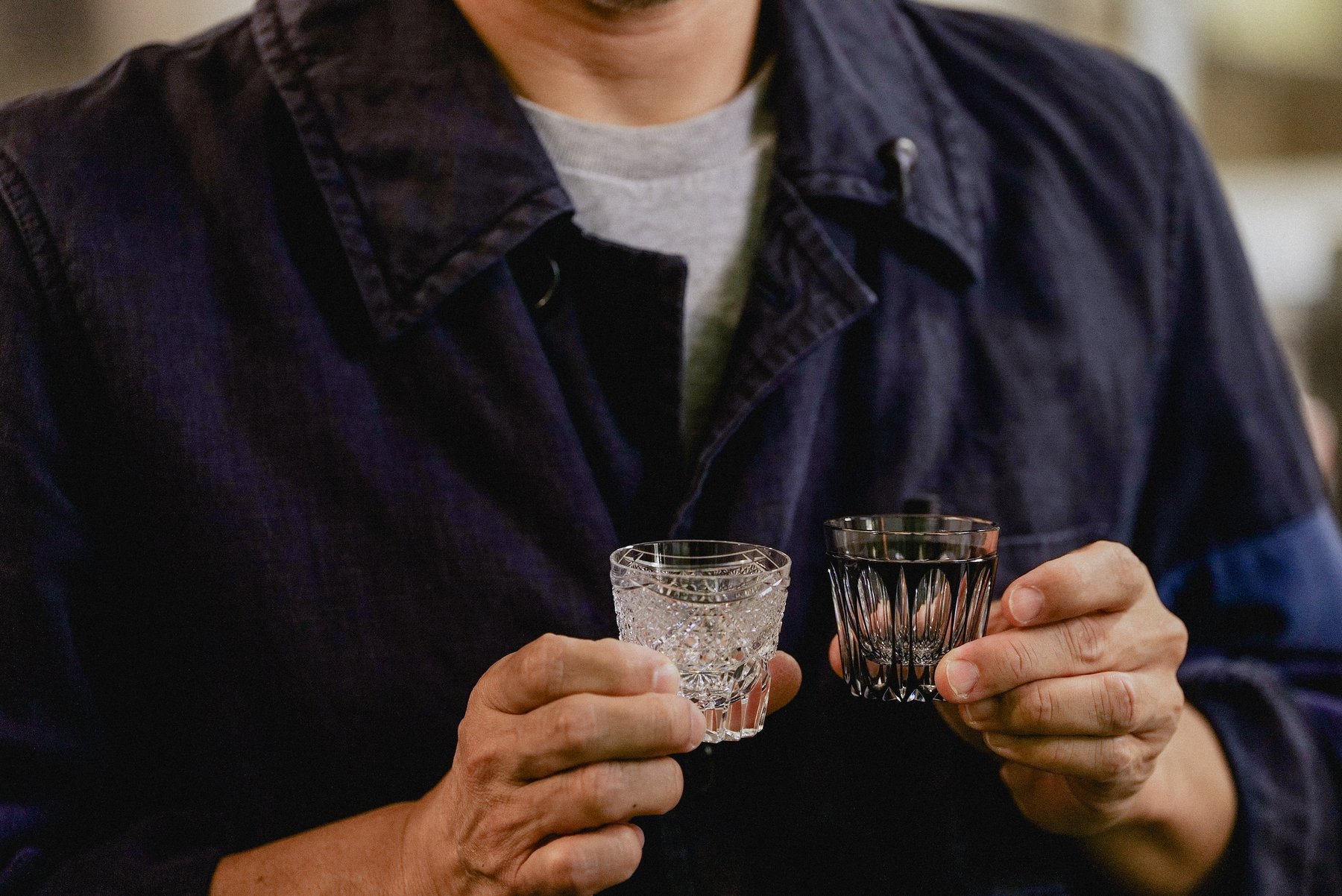
Toru Horiguchi holding two Edo Kiriko cups in the workshop
Craft — Edo Kiriko Cut Glass

Edo Kiriko: Cut Your Own Piece of Glass at a Tokyo Workshop
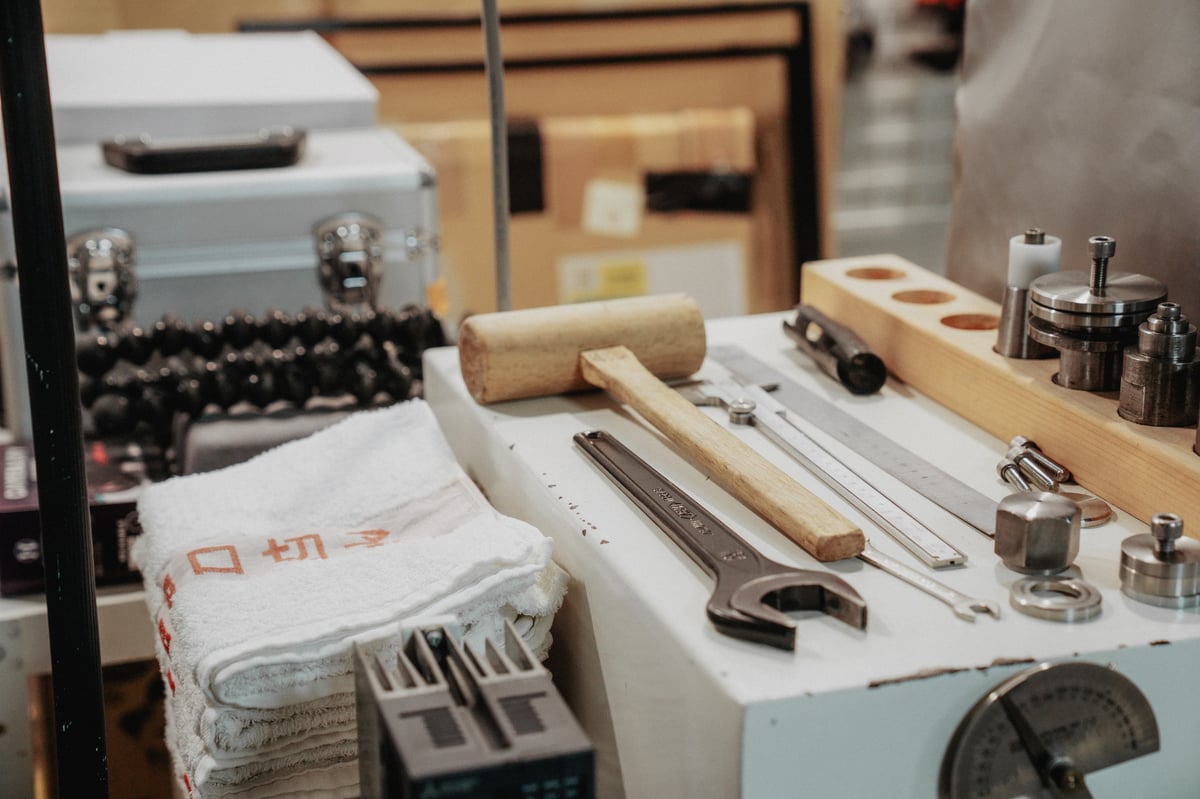
Tools laid out on a workbench at Horiguchi Kiriko
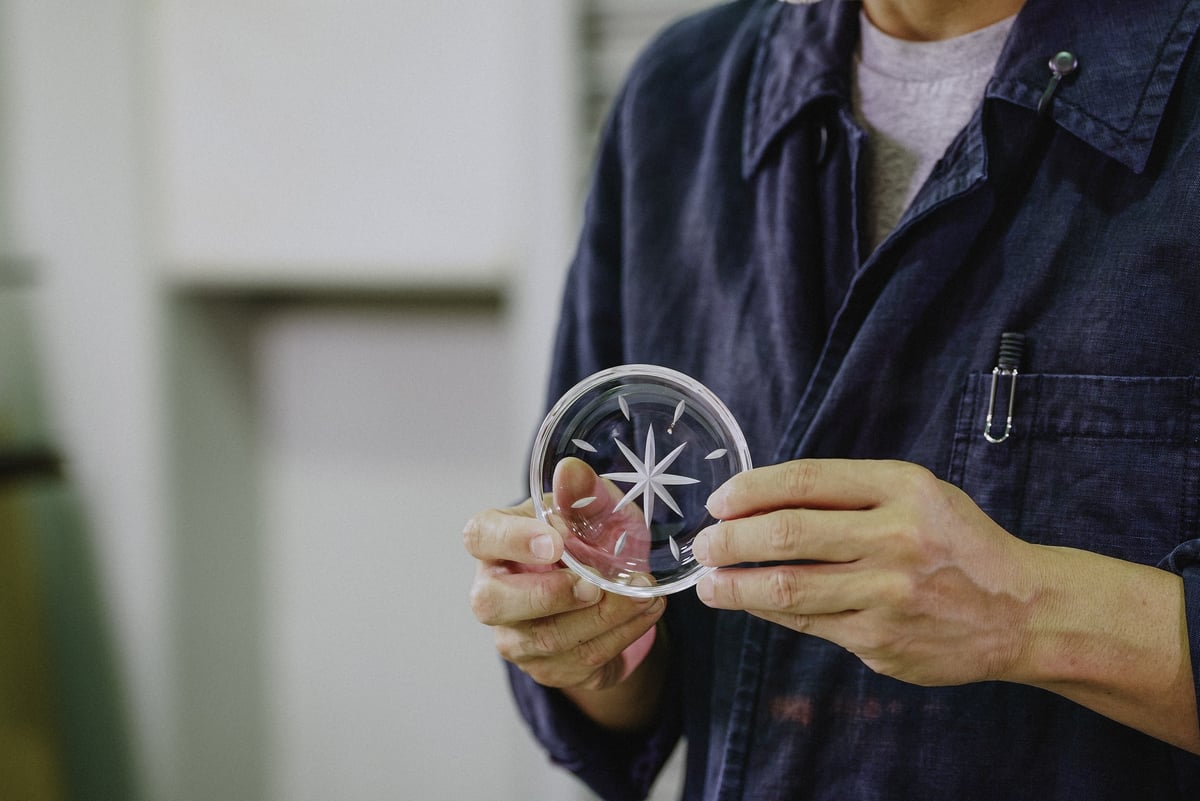
A small glass dish cut with a star pattern
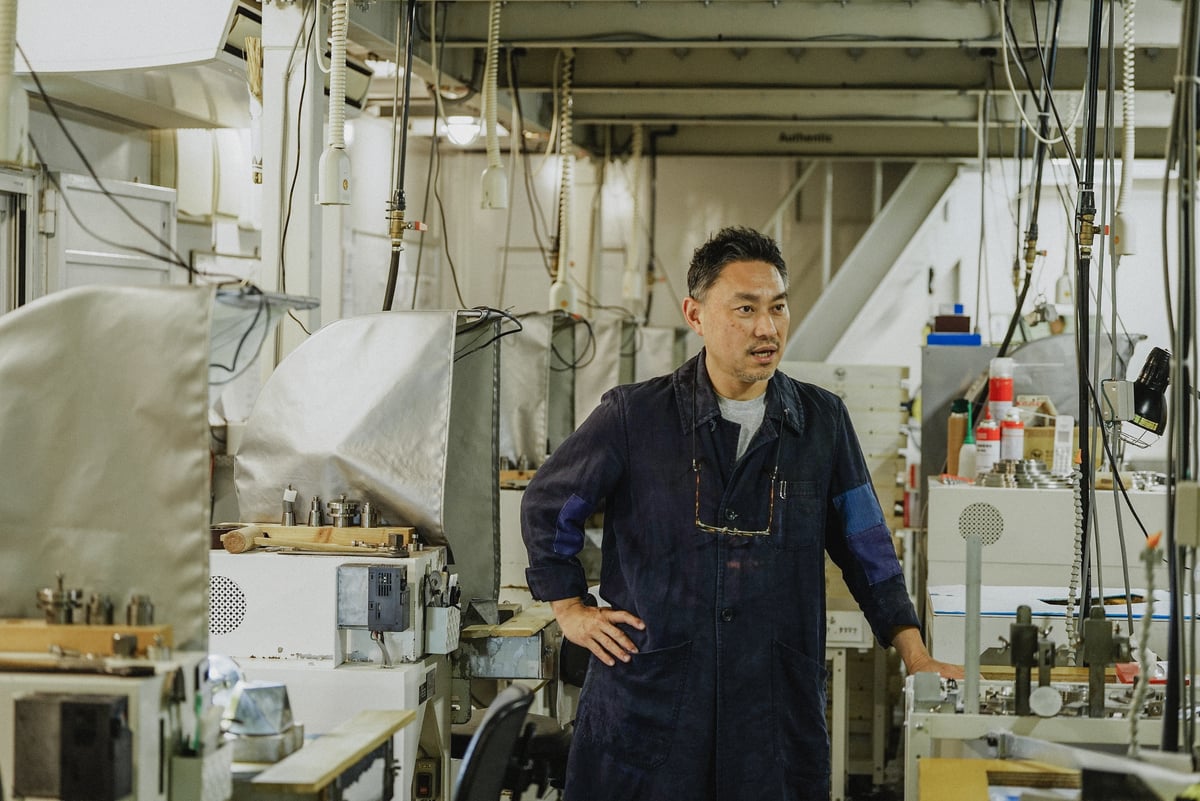
Toru Horiguchi standing among the machines of the workshop
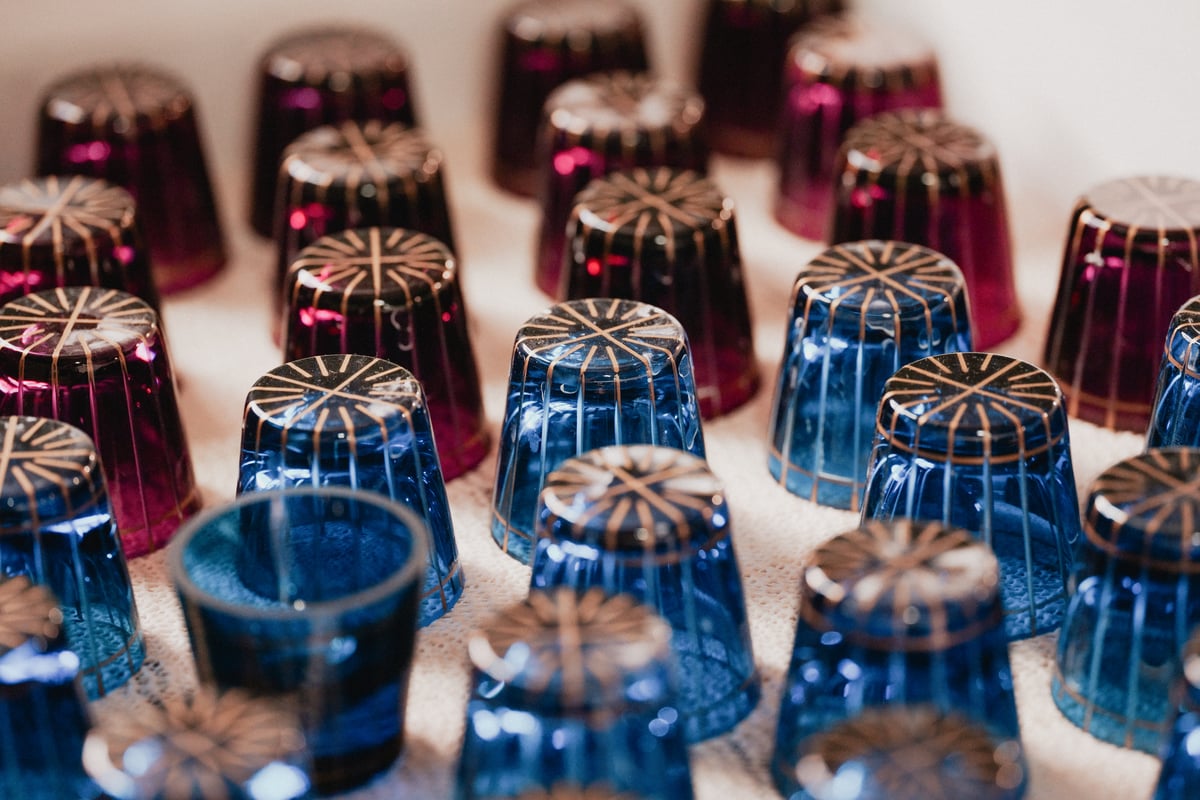
Rows of coloured Edo Kiriko cups

The Craft

Edo Kiriko is cut glass, a form of cold work in which glass is cut and finished once it has cooled. According to the written record, it began in 1834, late in the Edo period, when Kagaya Kyubei started cutting glass using an abrasive called kongōsha. In the Meiji era, Emanuel Hauptmann, a cut glass specialist from Britain, established the machinery, tools and methods that became the style used today.

The Artisan

Toru Horiguchi is the third generation of Horiguchi Kiriko. His grandfather began in the trade in 1921 as a live-in apprentice in Tokyo, and Toru learned from his grandfather's top disciple, the second generation. He later left the family company and established Horiguchi Kiriko as an independent house.

What Makes It Different

Horiguchi Kiriko makes particular use of diamond wheels with a ridge angle of one hundred degrees, an angle Toru Horiguchi arrived at himself, between catching the light and avoiding chipping. Its product concept, Emptiness, holds that a piece is left incomplete in the workshop and reaches completion in the hands of the one who uses it.

The Experience

Edo Kiriko is defined by four conditions: it must be glass, it must be hand-worked, it must primarily use rotating tools, and it must be processed in or around Tokyo. Within them, design, colour and use are left open, which Toru Horiguchi calls a remarkably free traditional craft.

In the hands-on cutting at his workshop, participants work on a small plate or tray, chosen deliberately to lower the difficulty of the material. The layout marking is done in advance, and participants do sanban-gake, the principal cutting stage of the Edo Kiriko process, at a scale of fractions of a millimetre. The marking is only ever a reference line, so the cutting splits off into different designs from person to person. This experience does not include the polishing stage, and the piece is boxed for you to take home.

Toru Horiguchi notices that people often take the material with one hand, and hand it back after cutting with both. He hopes that, when they later look at a finished piece, they can sense the background behind how it came to be.

  • Cut sanban-gake, the principal cutting stage of Edo Kiriko, on a small plate or tray
  • Feel what it is like to work at a scale of fractions of a millimetre
  • See how one reference line branches into a different design for each person
  • Get a glimpse of the machines and tools the workshop normally uses
Discover Behind the scenes — Horiguchi Kiriko
Itinerary

This Is a Sample Itinerary

Sample, not a fixed schedule Shown to illustrate the kind of layered day we build, not a fixed schedule. Exact timing is confirmed only after a private consultation.

Here's how a visit typically unfolds, from pickup to drop-off.

  1. Hotel pickup by an English-speaking guide, who stays with you for the visit
  2. An overview of what is possible, with a glimpse of the machines and tools the workshop uses
  3. Hands-on cutting of sanban-gake on a small plate or tray, from layout marking prepared in advance
  4. Private transfer back to your hotel

What a Day Like This Would Include

Private session at Horiguchi Kiriko
A small plate or tray to cut, boxed for you to take home
English-speaking guide for the visit
Hotel pickup and drop-off in central Tokyo
Not included: transportation beyond central Tokyo, personal purchases
Enquire →

Meet Your Artisan & What to Know

Toru Horiguchi
Toru Horiguchi Third generation, Horiguchi Kiriko Read the full interview on Our Masters →

Toru Horiguchi grew up in a family company that made Edo Kiriko, and decided in his third year of junior high school that he wanted to become an Edo Kiriko craftsman. He went to university first, to play ice hockey, and then went straight into the family business. His master, the second generation, was his grandfather's top disciple, and let him grow through encouragement.

Six or seven years into the work, a dinner at a longtime customer's home made him see the difference between luxury and richness, and realise that technique is only ever a means, never the end in itself. He later went independent as Horiguchi Kiriko. A phrase that guides the workshop is Preserve, add, omit.

Their Work
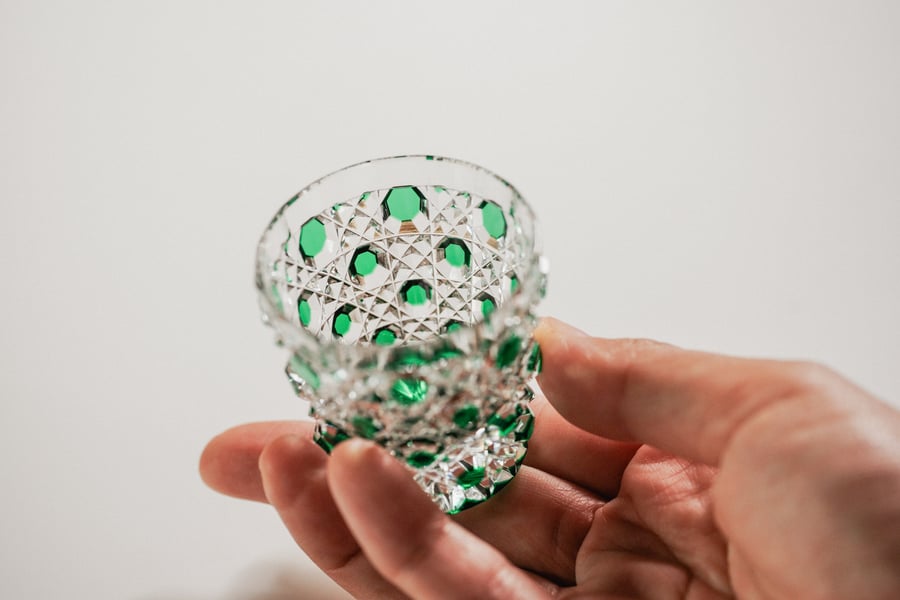
An Edo Kiriko cup with green overlay glass by Horiguchi Kiriko
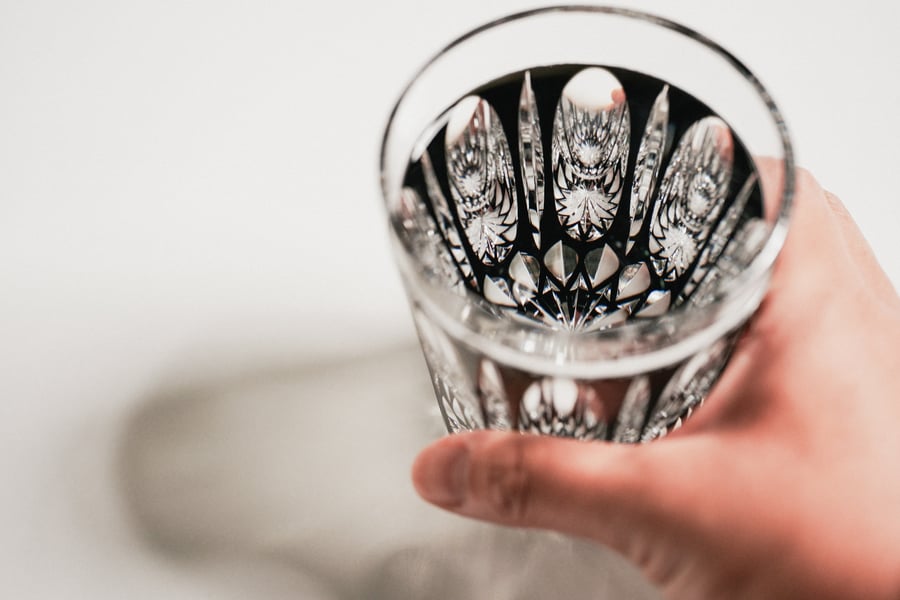
A clear and black Edo Kiriko glass by Horiguchi Kiriko
  • This is a working workshop, not a showroom, and visits are arranged around the team's production schedule
  • Please arrive on time, as the workshop's schedule is organised around batches of work
  • Photography may be limited in some areas; please confirm in advance

About This Experience

Do I need any experience?

The material is chosen to be easy to hold and easy to see, which lowers its difficulty. Toru Horiguchi finds that people who consider themselves clumsy, or children, often end up doing better than they expect.

What does a session involve?

The hands-on cutting uses a small plate or tray. The layout marking is done in advance by the workshop, and participants do sanban-gake, the principal cutting stage. The polishing stage is not included in this experience.

Can I take my piece home?

In this experience the piece you have cut is boxed for you to take home.

Will everyone's piece look the same?

No. The layout marking is only a reference line. As people work from it, the cutting splits off into different designs.