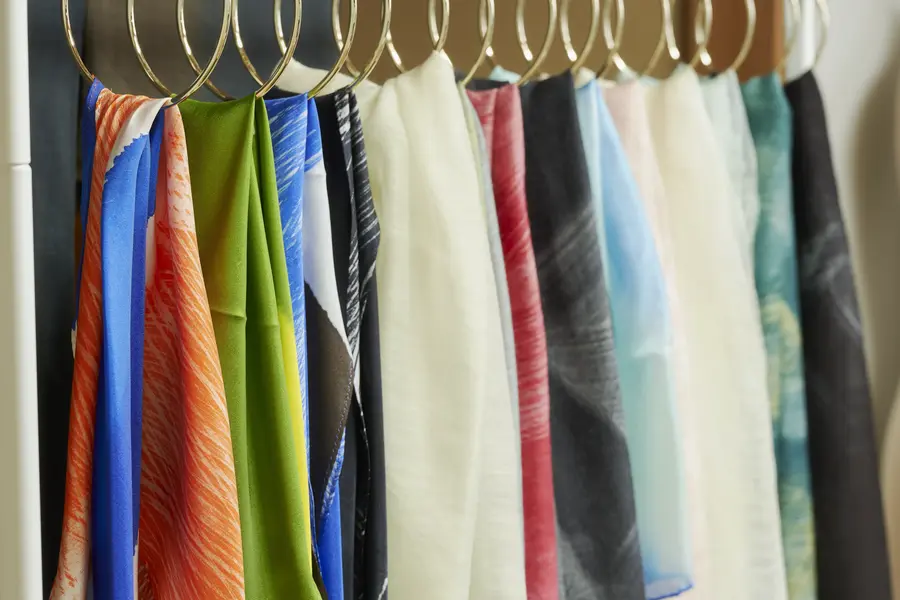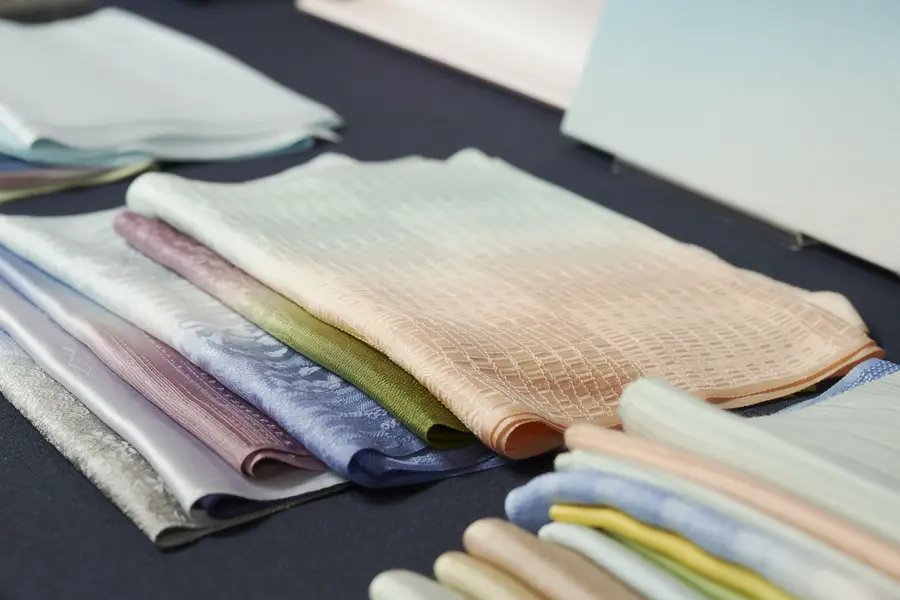
Hikizome: Brush-Dyeing Fabric in a Shinjuku Kimono Workshop
The Craft
Hikizome, brush-dyeing, is said to have developed alongside hand-painted yūzen, when dyers wanted effects that immersion dyeing could not give. Craftsmen from Kyoto brought it to Nihonbashi, and Edo reshaped it into something quieter: iki, an understated elegance. When the Kanda River grew crowded and cloudy, dyers moved upstream to what is now Shinjuku.
The Artisan
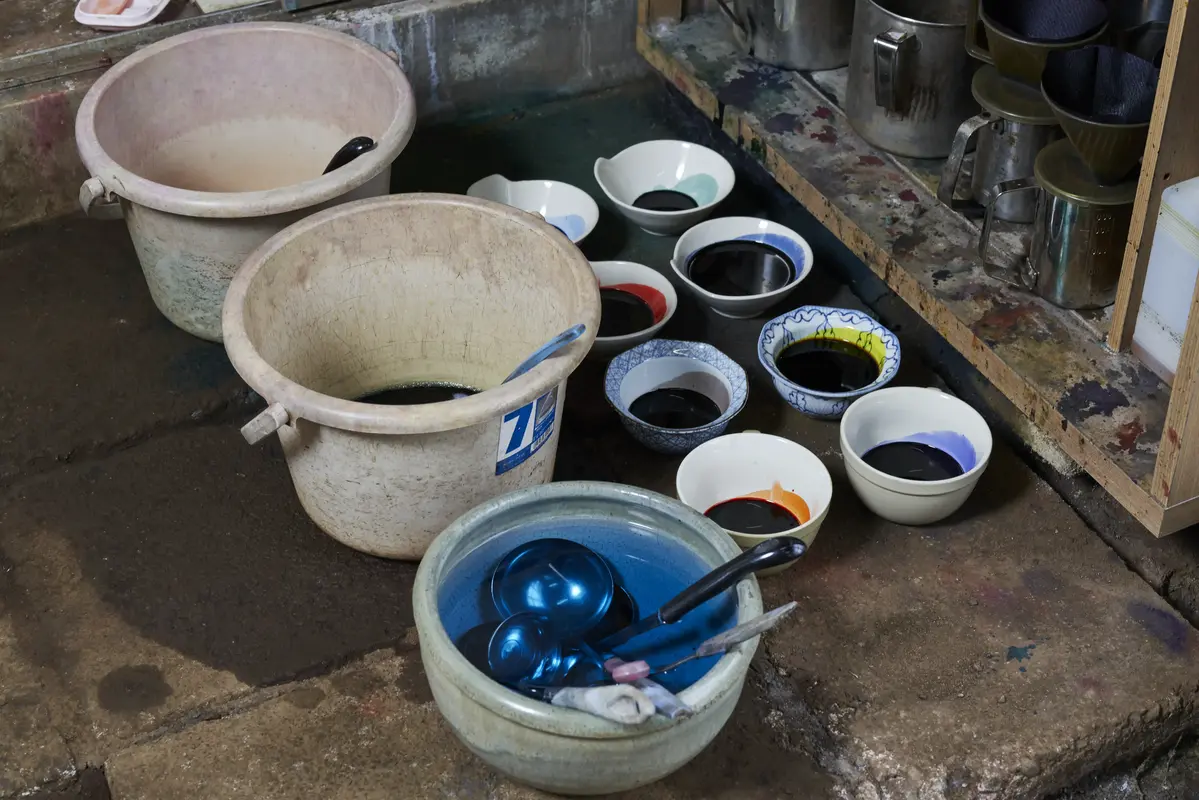
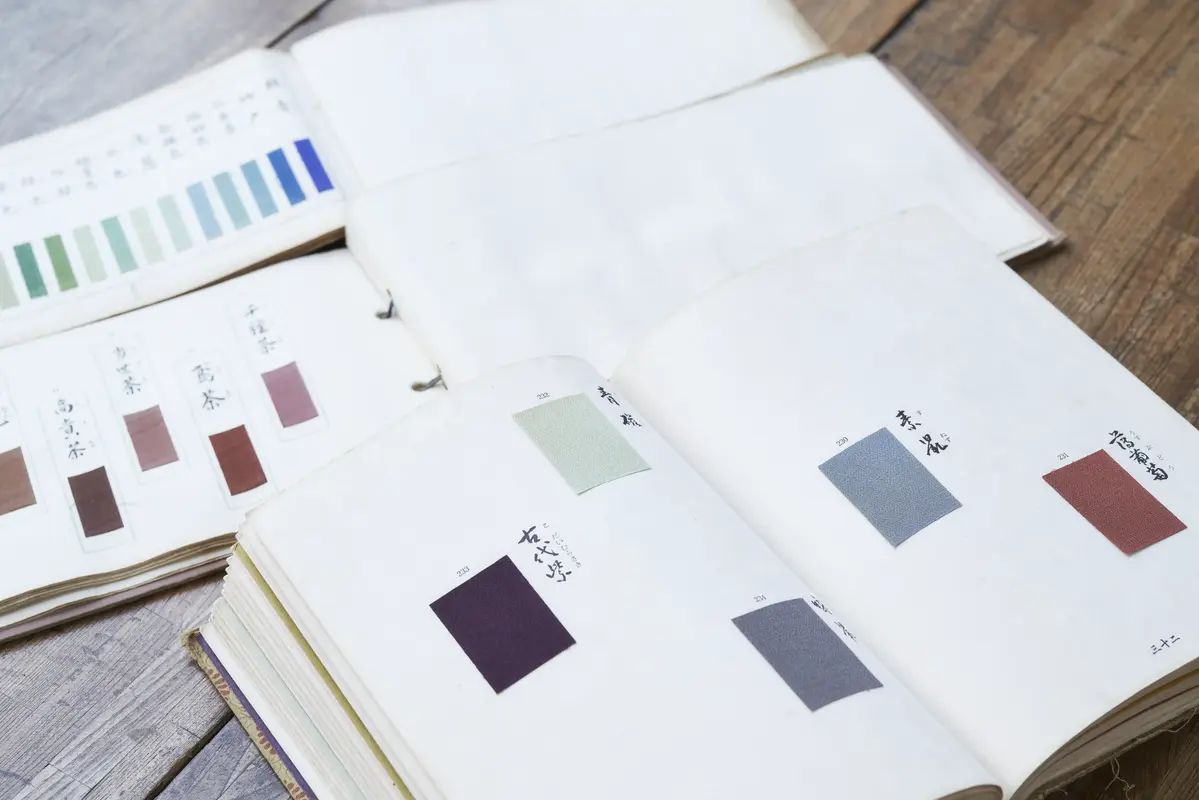
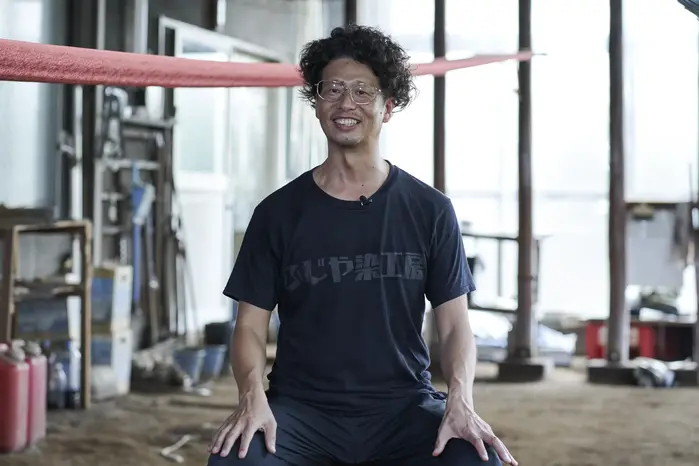
Fujiya Dyeing Studio was founded in 1952 near the Kanda River in Shinjuku. Takatoshi Nakamura, the third generation, studied civil engineering and managed road and bridge sites before coming home. He dyes from eight colours inherited from his father, refined so they can be mixed freely without separating or bleeding.
What Makes It Different
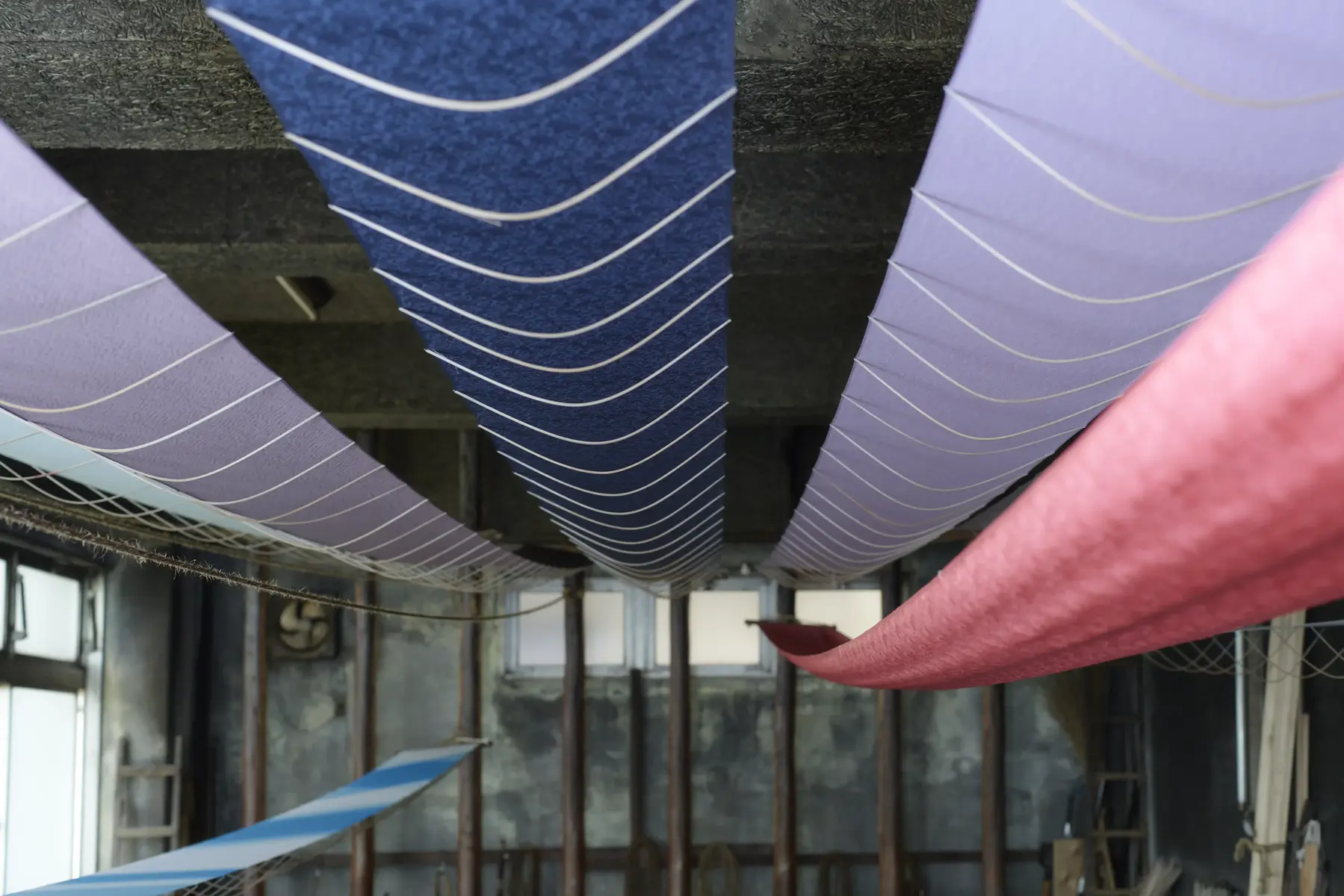
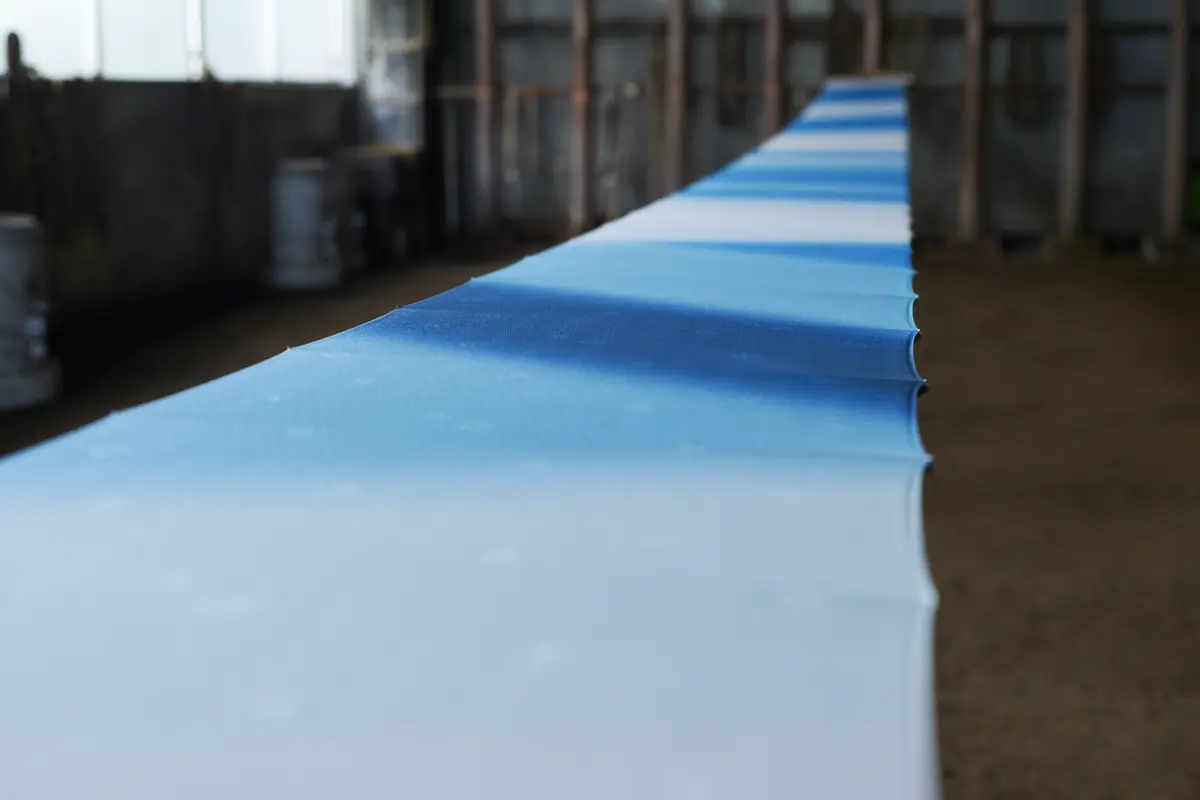
Slide open the door and a 13.5-metre bolt of fabric runs straight back across the earthen floor. There is no machine noise, only running water. As the workshop runs it today, you build a colour from scratch beside a craftsman, practise, and then dye a scarf of your own.
The Experience
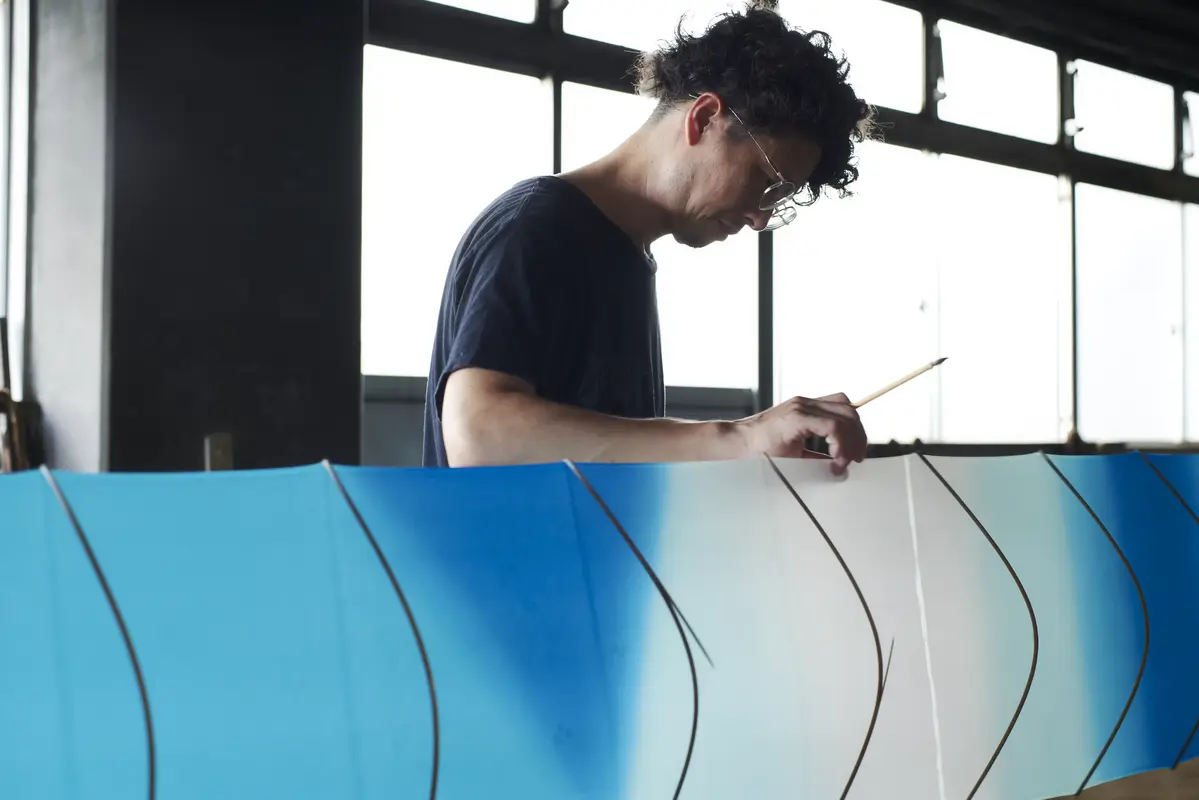
In a residential corner of Shinjuku, not far from the Kanda River, Nakamura begins with the history of the workshop. As the workshop runs its sessions today, you then choose a colour you like and build it from scratch alongside a craftsman, practise the stroke, and finally brush-dye a scarf of your own; the exact flow is shaped with you in advance. The fabric is held at waist height with harite clamps and bamboo shinshi stretchers, and the colour is drawn across it with a single brush. At the first stroke onto white fabric, he says, everyone looks visibly tense. Then the feeling of colour soaking into the cloth, nothing like a coloured pencil or a ballpoint pen, takes over, and by the end most people are relaxed and talking freely.
- Brush-dyeing a scarf of your own, from the first stroke on white fabric
- Building your colour from scratch beside a craftsman, then practising before the real piece
- A working workshop where a 13.5-metre bolt is stretched taut and the only sound is water
- Conversation with the third generation about the workshop's history
This Is a Sample Itinerary
Here's how a visit typically unfolds, from pickup to drop-off.
- Hotel pickup by an English-speaking guide, who stays with you for the visit
- Arrival at Fujiya in Shinjuku, near the Kanda River — the earthen floor and the stretched silk
- How hikizome travelled from Kyoto to Nihonbashi, and upstream to Shinjuku
- Choosing a colour you like and building it from scratch beside a craftsman
- Practising the stroke before the real piece
- The first stroke across white fabric, held taut with harite and shinshi
- Dyeing your scarf, and conversation with Takatoshi Nakamura
- Private transfer back to your hotel
What a Day Like This Would Include
Meet Your Artisan & What to Know

Takatoshi Nakamura grew up in a building where home and workshop were one. He left to study civil engineering, then managed road and bridge sites, moving every three months across the country. Everyone he met asked what his family did, and the answer always came back: so you'll take it over someday. He did. It took about twenty years, he says, before he felt he had come into his own as a craftsman. Now he wants kimono to become something people find genuinely cool again, through kimono, apparel and interiors alike.


- The silk in the workshop belongs to clients; please treat materials in use with care.
- Almost everyone is nervous at the first stroke. Practice comes first.
- Talking while you work is welcome — Nakamura enjoys the conversation.
- Photography and filming are confirmed in advance with your guide.
About This Experience
You practise the stroke before the real piece.
Yes. You choose a colour you like and build it from scratch with the craftsman.
About two hours. The day is shaped around it after a private consultation.
Nakamura hopes children, adults and grandparents alike will come and talk with him.
A Session at Fujiya Dyeing Studio, Shaped Around You
No dates or pricing are published here — every visit is scoped after a private consultation.
Enquire →