Kumihimo: Braiding Silk by Hand in a 300-Year-Old House
The Craft
Kumihimo is said to have come from mainland China around the sixth century: silk threads bundled and combined through a fixed sequence to make an elastic cord. It has served as sword cords, obi sashes and ceremonial fittings. Around thirty types are considered representative, and with variations several hundred braiding methods have been devised.
The Supplier
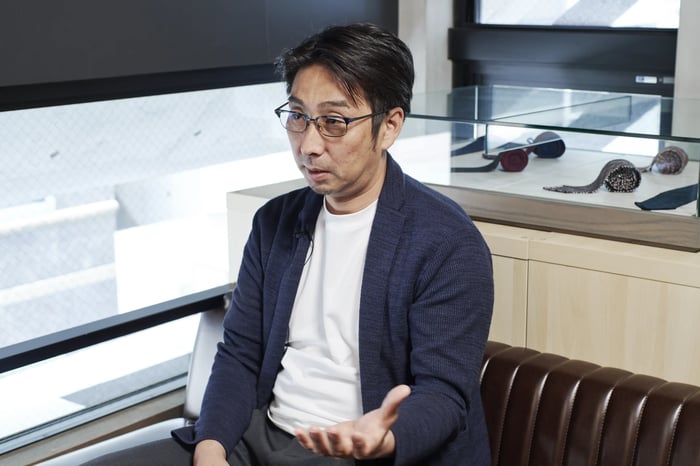
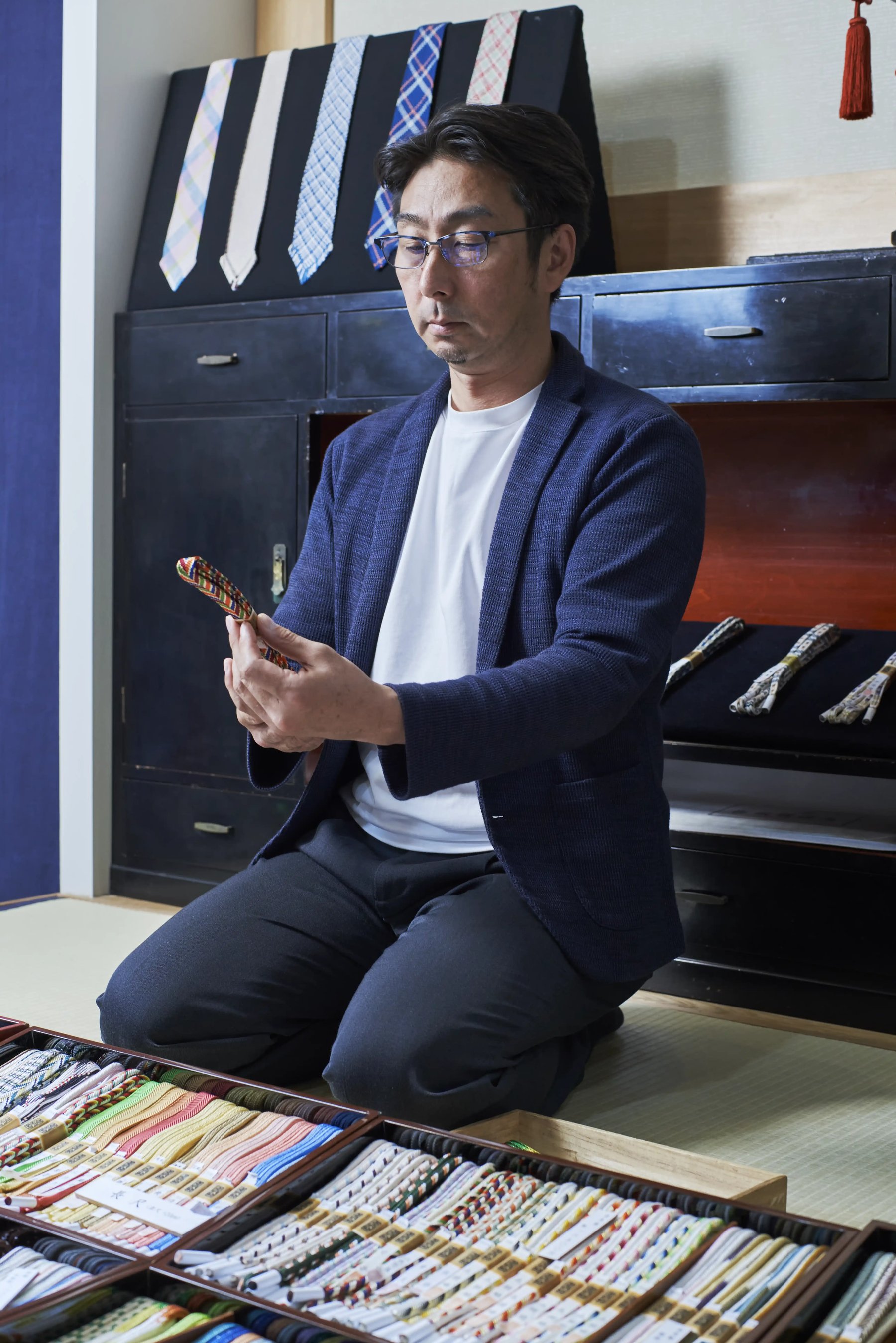
Yūsoku Kumihimo "Domyo" has been making braid in Ueno, Tokyo for over three hundred years. Where many of its peers turned to mechanisation after the Meiji era, Domyo kept the handwork. Its president, Kiichiro Domyo, first set out to be an architect and ran his own design office before returning.
What Makes It Different
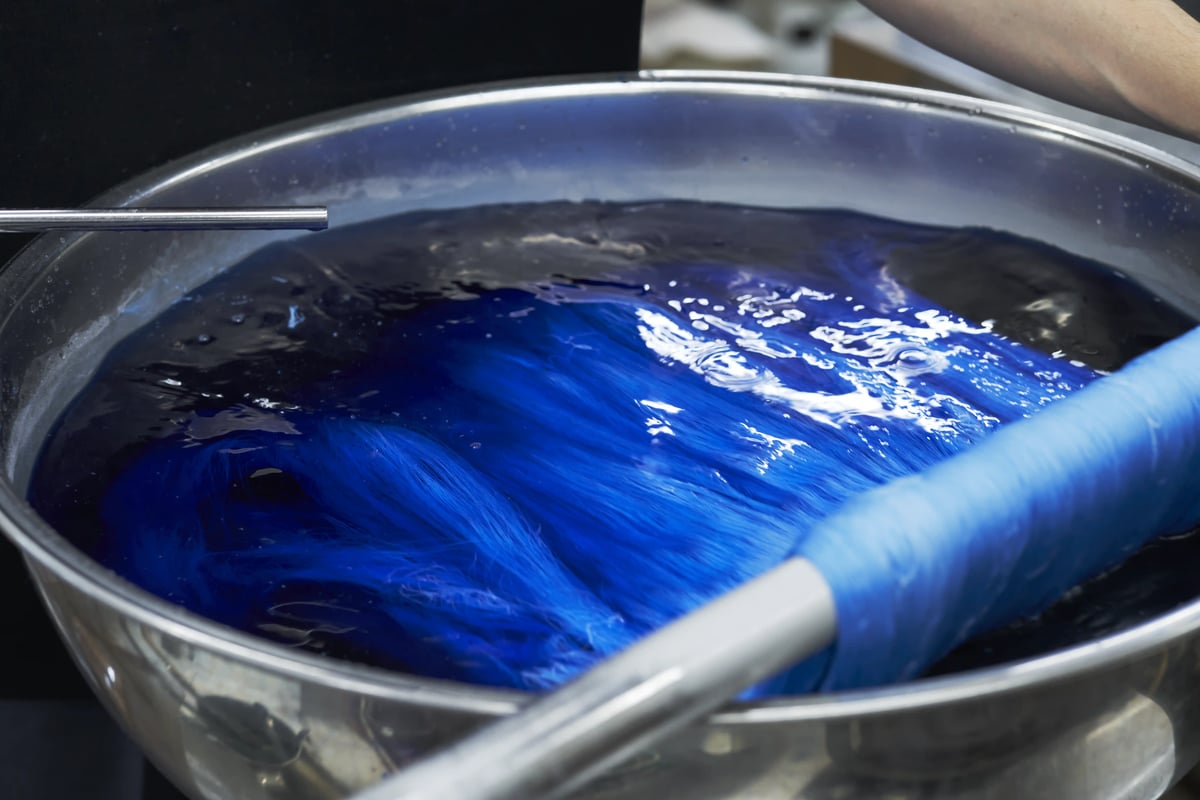
Nothing in the house is hidden from you: the cord on the ground floor, the dry rhythmic sound of the braiding stand a floor above, and higher still the just-dyed silk, reds and golds and indigos coming up with surprising vividness. You work in the same rooms.
The Experience
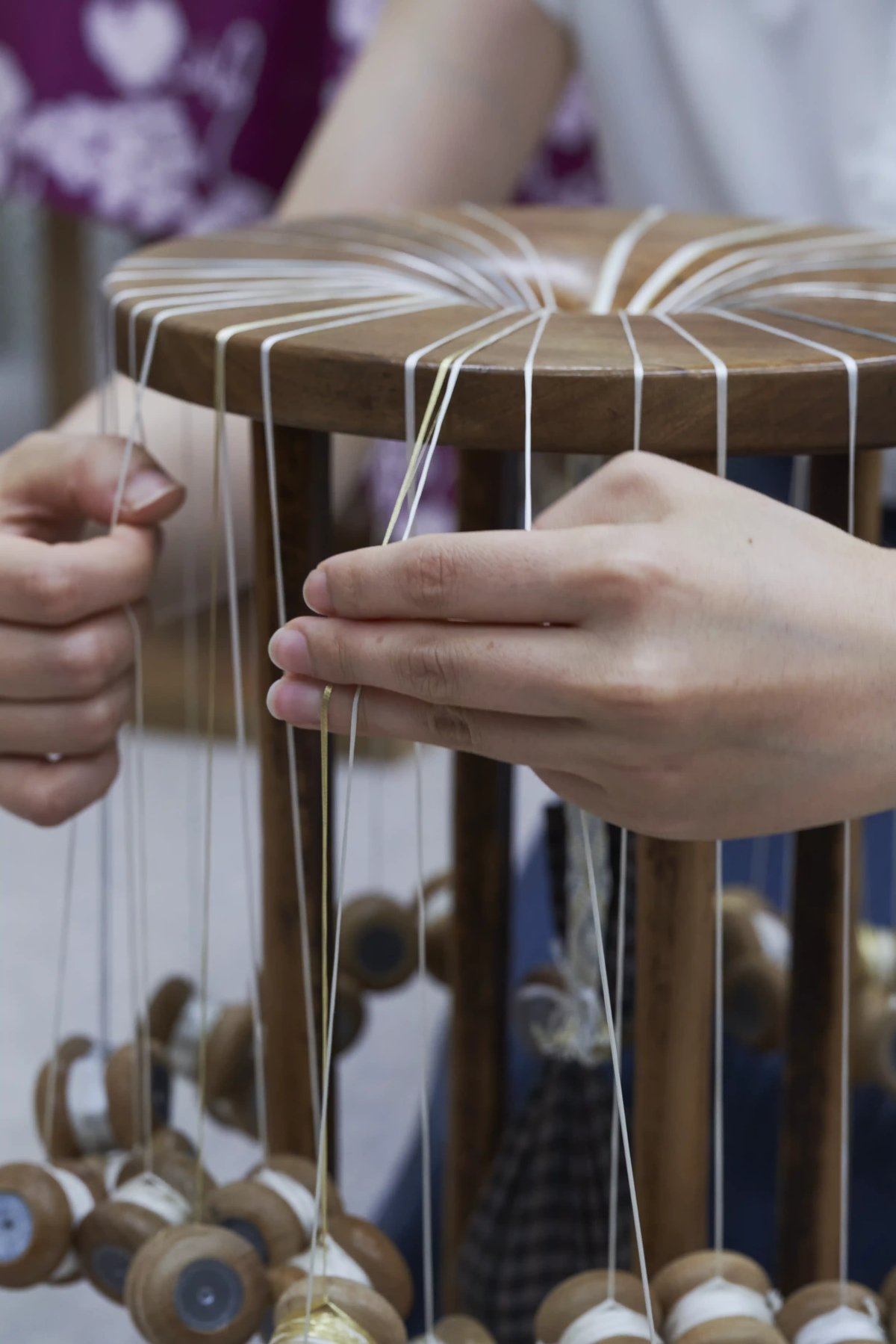
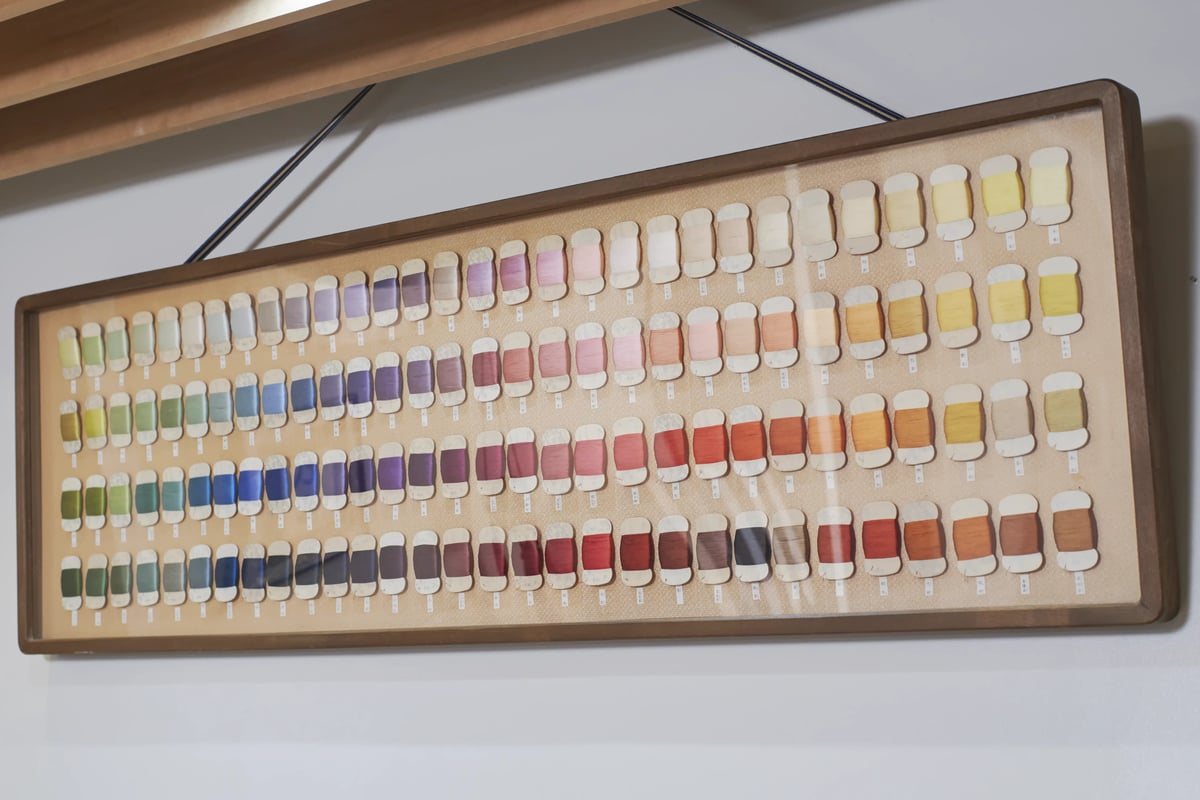
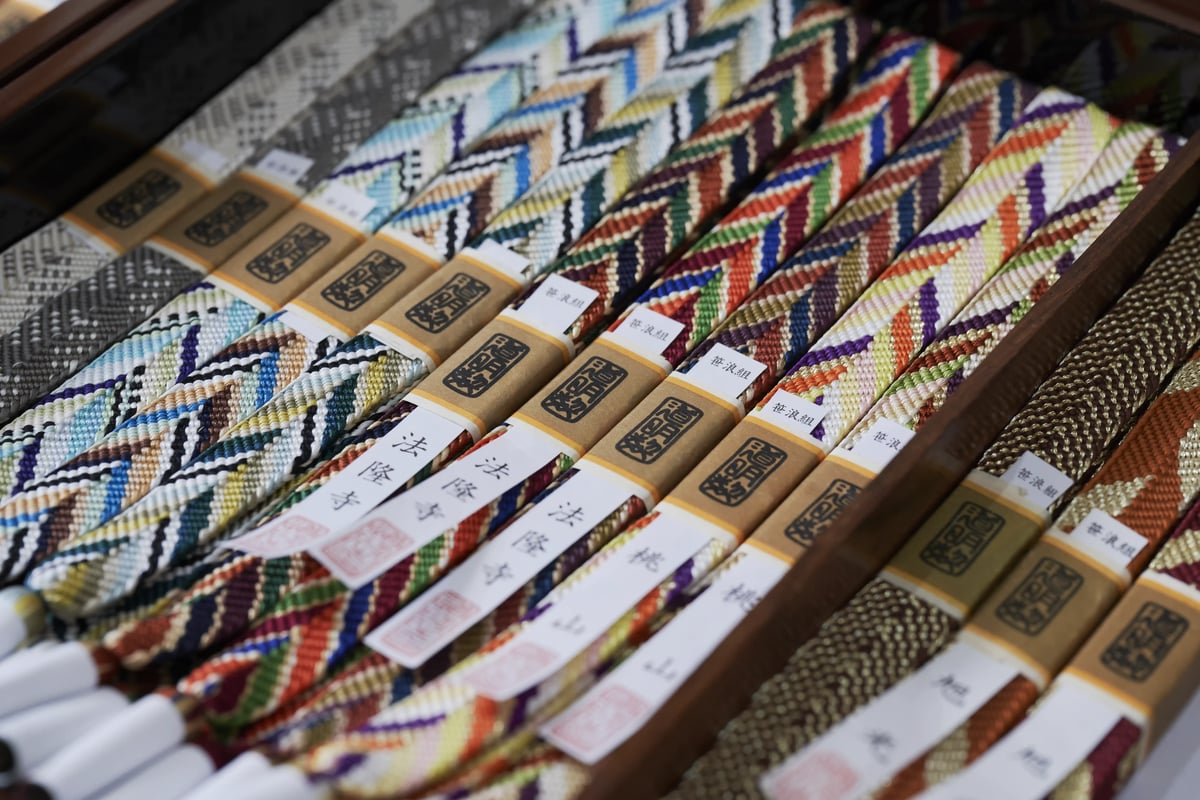
Step into Domyo's building, standing quietly among the office blocks of Ueno, and the first thing to come into view is braided silk cord in every colour. Go up a floor and what reaches you is a small, dry sound, repeating in a steady rhythm: an artisan seated at a braiding stand strung with bundled silk, moving the threads through a fixed sequence. A floor higher again, light falls on silk just out of the dye. You are taken through the whole of that, and then put at a stand yourself.
- The full house — finished cord, the braiding floor, and the dye room above it
- Time at a braiding stand, moving weighted bobbins through the sequence yourself
- Cord you braid with your own hands, to take away
- Conversation with the president of a house that chose handwork when its peers mechanised
これは一例です — This Is a Sample Itinerary
Here's how a visit typically unfolds, from pickup to drop-off.
- Hotel pickup by an English-speaking guide, who stays with you for the visit
- Arrival in Ueno, and the ground floor — finished cord in every colour
- What kumihimo is: silk bundled and combined through a fixed sequence, and where it has been used
- The braiding floor, and the small dry sound of an artisan at work
- The dye room above, and silk still wet with indigo, red and gold
- Your turn at a braiding stand, moving the weighted bobbins through the sequence
- Conversation with Kiichiro Domyo about keeping handwork when peers mechanised
- Private transfer back to your hotel
What's Included
Meet Your Artisan & What to Know

Asked to introduce himself, Kiichiro Domyo starts with the history of kumihimo rather than with himself — the order of his telling says something about how he sees the job. He handles the management side, the numbers and the people, but does so as a house with a living braiding practice rather than as a company that happens to own one. He is an unusual figure for the industry: he first set out to become an architect and ran his own design office for a time. He seems to regard himself not as the custodian of three hundred years but as one point of passage within them.


- This is a working building on several floors; please stay with your guide between rooms.
- Silk on the stands is under tension and mid-sequence — please don't touch a braid in progress.
- The dye room has open baths; keep bags and sleeves clear.
- Photography is welcome in most of the house; your guide will say where it is not.
- Braiding is slow and rhythmic. There is no need to hurry your own cord.
About This Experience
None. Braiding is a fixed sequence of movements — slow, repetitive and very learnable in an afternoon.
Yes. The cord you make is yours.
Yes — an English-speaking guide is present throughout.
The visit is arranged for your party alone — no other guests are hosted alongside you.
A Visit to the Domyo House, Shaped Around You
No dates or pricing are published here — every visit is scoped after a private consultation.
Enquire →